Where to Buy Cheap Auto Parts: Your Ultimate Guide
July 15, 2026 15 min read 3,049 words
Unlock significant savings on car repairs and maintenance with this comprehensive guide to finding budget-friendly auto parts.
Find Your Parts Now
Navigating the World of Affordable Auto Parts
 Photo: Erik Mclean / Pexels
Finding where to buy cheap auto parts is a common quest for vehicle owners looking to save money on repairs and maintenance. The cost of keeping a car running can be substantial, with parts often representing a significant portion of the expense. However, 'cheap' doesn't have to mean 'low quality.' With the right knowledge and resources, you can source reliable components without breaking the bank. This comprehensive guide will illuminate the best avenues, strategies, and considerations for acquiring affordable auto parts in the US.
The journey begins with understanding the different types of auto parts available. Primarily, these fall into three categories: Original Equipment Manufacturer (OEM), Aftermarket, and Used/Salvage parts. OEM parts are identical to those installed in your vehicle when it was new, manufactured by the same company that supplied the car maker. They are known for their perfect fit and quality but come with a premium price tag. Aftermarket parts are produced by companies other than the original manufacturer, designed to function just like OEM parts. Their quality can vary widely, from exceeding OEM standards to being barely adequate, but they are almost always cheaper. Used or salvage parts are components harvested from other vehicles, often from junkyards or salvage yards. These are typically the cheapest option but require careful inspection and come with inherent risks.
Your first step in finding cheap auto parts should always be to accurately identify the specific part you need. This involves knowing your vehicle's make, model, year, engine size, and often the Vehicle Identification Number (VIN). The VIN is a 17-character code unique to your vehicle and contains vital information that helps ensure you get the correct part. Many online retailers and auto parts stores allow you to input your VIN to guarantee compatibility. Mismatched parts are a common source of frustration and wasted money, so precision here is paramount.
Once you know what you need, the real hunt begins. The market for auto parts is vast and diverse, ranging from local brick-and-mortar stores to sprawling online marketplaces. Each channel offers unique advantages and disadvantages in terms of price, availability, and customer service. We'll delve into these options in detail, providing you with the insights necessary to make informed decisions. Whether you're a seasoned DIY mechanic or just starting to tackle minor repairs, understanding where to buy cheap auto parts effectively will empower you to maintain your vehicle more economically. This guide aims to equip you with the knowledge to discern value from mere low price, ensuring your vehicle remains safe and reliable on the road. Remember, smart shopping for auto parts is not just about finding the lowest number; it's about finding the best value for your specific needs, balancing cost with quality and reliability. For more in-depth advice on vehicle maintenance, consider reading our guide on
essential car care tips.
Beyond just the price tag, consider the long-term implications of your purchase. A part that is initially cheap but fails quickly will end up costing you more in repeat purchases and labor. Therefore, a holistic approach to finding cheap auto parts involves evaluating warranties, return policies, and the reputation of the seller. This proactive approach minimizes risks and maximizes your savings, proving that affordability and quality don't have to be mutually exclusive in the world of auto repair.
Top Online Destinations for Economical Auto Components
 Photo: Sergey Meshkov / Pexels
The internet has revolutionized the way we shop for virtually everything, and auto parts are no exception. Online retailers are often the first place people look when trying to figure out where to buy cheap auto parts, and for good reason. They typically boast larger inventories, lower overheads, and highly competitive pricing compared to traditional brick-and-mortar stores. This section explores some of the leading online platforms where you can find excellent deals on auto parts.
**Amazon and eBay:** These e-commerce giants are not just for household items; they are massive marketplaces for auto parts. You can find everything from OEM to aftermarket and even used parts from various sellers. The sheer volume of sellers drives competition, often resulting in very attractive prices. However, due to the multitude of sellers, it’s crucial to scrutinize seller ratings, read product reviews, and confirm return policies. Always double-check compatibility using your VIN or part number, as listings can sometimes be inaccurate.
**RockAuto.com:** Renowned among DIY mechanics, RockAuto is a dedicated online auto parts store that offers a vast catalog of parts at highly competitive prices. Their website is famous for its detailed part diagrams, making it easier to identify the exact component you need. They carry a wide range of brands, from economy to premium, and often have multiple options for a single part, allowing you to choose based on your budget and quality preference. Shipping costs can sometimes add up, especially for multiple items from different warehouses, so factor that into your overall cost.
**PartsGeek.com and AutoAnything.com:** These sites specialize in aftermarket and performance parts, offering a diverse selection often at discounted rates. PartsGeek is known for its extensive inventory and competitive pricing across a broad spectrum of repair and maintenance parts. AutoAnything, while also offering repair parts, shines for its focus on accessories and performance upgrades, often running promotions and free shipping deals. Both platforms are excellent for comparing different brands and finding alternatives to expensive OEM parts.
**Car-Part.com and LKQ Pick Your Part:** While not traditional online retailers in the same vein as Amazon or RockAuto, these platforms are invaluable for sourcing used auto parts. Car-Part.com is a network of salvage yards across North America, allowing you to search for specific used parts and find which yards have them in stock. You can often filter by condition, mileage, and even see photos. LKQ Pick Your Part operates numerous self-service salvage yards, but their website often allows you to check inventory before visiting. Buying used parts requires careful inspection upon receipt, but the savings can be substantial, often 50-80% off new part prices.
When shopping online, always be vigilant about shipping costs, return policies, and warranties. Some sellers offer free shipping, while others might charge significant fees, especially for heavy or oversized items. A good return policy is essential in case the part doesn't fit or is defective. While most new parts come with some form of warranty, used parts warranties can vary greatly or be non-existent. A little due diligence can save you a lot of headache and money in the long run when trying to determine where to buy cheap auto parts online.
Local and Specialized Avenues for Finding Inexpensive Parts
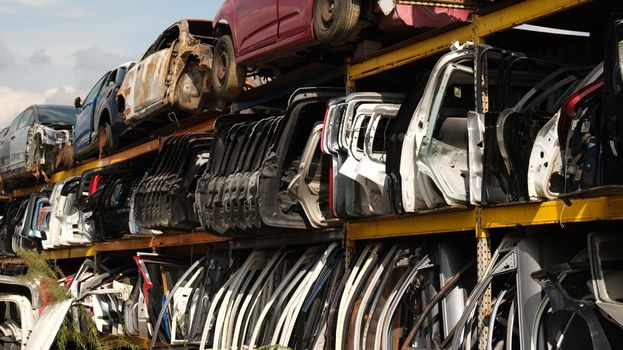 Photo: Aziz Er / Pexels
While online shopping offers unparalleled convenience and selection, local options remain crucial when considering where to buy cheap auto parts. Sometimes, you need a part immediately, or perhaps you prefer to inspect an item before purchasing. Local stores and specialized vendors offer unique advantages, from immediate availability to expert advice and the potential for even greater savings on used components.
**Local Auto Parts Chains (AutoZone, Advance Auto Parts, O'Reilly Auto Parts, NAPA Auto Parts):** These ubiquitous stores are a go-to for many DIYers. While their prices might not always beat online retailers, they offer instant gratification – you can often walk in and leave with the part you need. They also provide valuable services like free battery testing, loaner tools, and knowledgeable staff who can help you diagnose issues and find the correct part. They frequently run sales and promotions, and signing up for their loyalty programs can lead to discounts. For certain critical components or when time is of the essence, these stores are invaluable resources. They often stock both OEM and aftermarket options, giving you choices based on your budget.
**Junkyards and Salvage Yards:** For the absolute cheapest auto parts, junkyards (also known as salvage yards or auto recyclers) are unparalleled. Here, you can find used parts from vehicles that have been deemed total losses. The savings can be immense, often 50-80% off the price of new parts. There are two main types: full-service yards, where staff remove the parts for you, and 'u-pull-it' or self-service yards, where you bring your own tools and extract the parts yourself. The latter offers the deepest discounts but requires more effort and mechanical aptitude. When visiting a junkyard, always go prepared with tools, a flashlight, and a list of parts you need. Inspect parts thoroughly for damage, wear, or cracks before purchasing. While warranties are rare for junkyard parts, the cost savings can be significant, making them a prime option for where to buy cheap auto parts, especially for non-critical components or body panels. It's a sustainable choice too, promoting recycling and reducing waste. Check out our guide on
buying used car parts wisely for more tips.
**Dealerships (Strategic Shopping):** While dealerships are notorious for high prices on OEM parts, they shouldn't be entirely dismissed when looking for cheap auto parts. Sometimes, for very specific or specialized components, the dealership might be the only reliable source. Moreover, they occasionally run promotions on certain parts or offer discounts on older stock. It's worth checking their parts department, especially if you have a loyalty card or are looking for a part critical to your vehicle's safety or performance where aftermarket alternatives might be risky. Always compare their prices with online OEM part retailers before committing.
**Specialty Stores and Independent Shops:** For older or classic cars, or for very specific niche parts, independent auto parts stores or specialty shops can be a goldmine. These stores often have a deeper knowledge base for particular makes or models and might stock hard-to-find components that major chains don't carry. They might also have connections to suppliers for reconditioned or remanufactured parts, which offer a good balance of cost and reliability. Building a relationship with a local independent shop can also lead to personalized advice and potential discounts over time. Diversifying your search across these local and specialized channels ensures you cover all bases in your quest for affordable and appropriate auto components.
Smart Shopping Strategies and Pitfalls to Avoid
 Photo: Artem Podrez / Pexels
Finding where to buy cheap auto parts isn't just about knowing where to look; it's also about employing smart shopping strategies and being aware of common pitfalls. A little foresight can prevent costly mistakes and ensure you get the best value for your money.
**Always Compare Prices:** Never settle for the first price you see. Use online comparison tools or manually check at least three different sources (online retailers, local stores, junkyards) before making a purchase. Prices for the same part can vary wildly between vendors, even for identical brands and specifications.
**Understand Aftermarket Quality:** While aftermarket parts are cheaper, their quality spectrum is broad. Research brands known for reliability. Some aftermarket manufacturers specialize in specific components (e.g., brakes, suspension) and can offer OEM-level quality at a fraction of the cost. Read reviews and look for parts that meet or exceed OE specifications.
**Check Warranties and Return Policies:** This is critical, especially for used or electrical parts. A good warranty provides peace of mind and protection against premature failure. Understand the return policy before buying; some online retailers charge hefty restocking fees or don't accept returns on certain items. For junkyard parts, ask about any exchange policies.
**Don't Skimp on Critical Safety Parts:** While saving money is important, never compromise on parts essential for your vehicle's safety, such as brakes, steering components, or critical suspension parts. Investing in quality for these components is an investment in your safety and the safety of others.
**Beware of Counterfeit Parts:** The market, particularly online, can sometimes be infiltrated by counterfeit parts. These are often poorly made, can fail prematurely, and pose significant safety risks. Stick to reputable sellers and, if a deal seems too good to be true, it probably is.
**Factor in Shipping Costs:** For online purchases, shipping costs can quickly erode any savings on the part itself. Always add the shipping cost to the part's price to get the true total. Some retailers offer free shipping over a certain order value, or for loyalty program members.
**Consider Rebuilt or Remanufactured Parts:** For components like alternators, starters, or brake calipers, rebuilt or remanufactured options can be an excellent middle ground. These parts have been restored to original operating specifications, often come with a warranty, and are significantly cheaper than new OEM parts. They are also an environmentally friendly choice, as they reuse core components.
By adopting these strategies, you'll not only discover where to buy cheap auto parts but also how to buy them smartly, ensuring your repairs are both economical and long-lasting.