✓ Battery failure is a leading cause of roadside breakdowns.
✓ Cold Cranking Amps (CCA) are crucial for starting in cold weather.
✓ Battery lifespan is typically 3-5 years, but varies by climate and usage.
✓ Maintenance-free batteries are common, but proper charging is still essential.
How It Works
1
Assess Your Vehicle's Needs
Check your car's owner's manual for recommended battery size (Group Size), CCA rating, and reserve capacity. Consider your driving habits and climate.
2
Understand Battery Types
Learn about conventional flooded, AGM (Absorbed Glass Mat), and EFB (Enhanced Flooded Battery) technologies. Each has distinct advantages for different applications.
3
Research Top Brands
Explore reputable brands known for quality, warranty, and customer satisfaction. Compare features like CCA, RC, and warranty periods across different models.
4
Consider Installation and Maintenance
Decide whether you'll install it yourself or have a professional do it. Understand basic maintenance tips to extend your new battery's life.
Understanding Car Battery Fundamentals: What US Drivers Need to Know
Photo: Vladimir Srajber / Pexels
Before diving into specific brands, it's crucial to grasp the fundamental aspects of car batteries. A car battery isn't just a simple box of power; it's a complex electrochemical device designed to provide a burst of energy to start your engine and then stabilize the electrical system. In the US, various factors influence battery performance and longevity, including extreme temperatures, driving habits, and vehicle electronics. Two key specifications you'll encounter are Cold Cranking Amps (CCA) and Reserve Capacity (RC). CCA measures the battery's ability to start an engine in cold conditions, crucial for drivers in northern states, while RC indicates how long your car can run solely on battery power if the charging system fails.
Modern vehicles are more demanding than ever on their batteries due to an increasing array of electronic accessories, from infotainment systems to advanced driver-assistance features. This heightened electrical load means that simply replacing your old battery with one that 'fits' might not be enough. You need a battery that meets or exceeds your vehicle's original equipment (OE) specifications. Ignoring these specifications can lead to premature battery failure, electrical issues, and even damage to sensitive onboard electronics.
Furthermore, the type of battery matters significantly. The most common types are conventional flooded lead-acid batteries, Absorbent Glass Mat (AGM) batteries, and Enhanced Flooded Batteries (EFB). Flooded batteries are the traditional choice, affordable and reliable for many vehicles. AGM batteries, however, are gaining popularity, especially in vehicles with start-stop technology or extensive electronic demands. They offer superior vibration resistance, faster charging, and a longer lifespan compared to flooded batteries. EFBs bridge the gap between flooded and AGM, offering improved cyclic durability for vehicles with basic start-stop systems. Understanding these distinctions is the first step toward choosing from the best car battery brands US has to offer. For more detailed information on battery types, consider exploring different car battery technologies.
The climate in which you operate your vehicle plays a significant role in battery life. Hot climates can accelerate internal corrosion and evaporation of electrolyte, while cold climates severely reduce a battery's cranking power. Therefore, a battery that performs admirably in Florida might struggle in Minnesota, and vice-versa. Always consider your local climate when evaluating battery specifications. A higher CCA rating is always beneficial in colder regions, providing that extra punch needed to turn over a cold engine. Conversely, in hotter regions, a battery designed for heat resistance and robust internal construction can significantly extend its service life. The average lifespan of a car battery is around 3-5 years, but this can be drastically altered by environmental conditions and how well the battery is maintained.
Top Contenders: The Best Car Battery Brands US Drivers Rely On
Photo: Ayyeee Ayyeee / Pexels
When it comes to the best car battery brands US motorists trust, several names consistently rise to the top, known for their reliability, innovation, and comprehensive warranties. These brands have established themselves through years of performance and often supply original equipment manufacturers (OEMs), signifying their quality.
**Optima Batteries** stands out, particularly for its unique SpiralCell Technology, which provides superior vibration resistance and extended lifespan. Their RedTop, YellowTop, and BlueTop series cater to different needs: RedTop for starting power, YellowTop for deep cycling and high accessory loads, and BlueTop for marine and RV applications. Optima batteries are often praised for their ability to hold a charge for long periods and their impressive CCA ratings, making them a favorite among enthusiasts and those with demanding vehicles.
**DieHard Batteries**, a long-standing name in the automotive industry, has consistently delivered robust and dependable power. While ownership has changed hands over the years (now manufactured by Clarios, formerly Johnson Controls), the brand maintains its reputation for quality. DieHard offers a range of options, including their Advanced Gold AGM series, which provides enhanced durability and power for modern vehicles. Their batteries are widely available and come with competitive warranties, making them a convenient and reliable choice for many consumers.
**ACDelco**, General Motors' parts division, produces high-quality batteries that are often original equipment in GM vehicles. Their Professional series batteries are known for their robust construction, high CCA, and excellent reserve capacity. ACDelco offers a variety of battery types, including AGM, EFB, and conventional flooded, ensuring there's an option for almost any vehicle. Their reputation for OEM quality translates into reliable aftermarket performance, making them a solid choice for those seeking proven dependability.
**Interstate Batteries** is another major player, recognized by its green casing and extensive distribution network. Interstate offers a wide range of batteries for various applications, from passenger cars to heavy-duty trucks. Their Mega-Tron Plus series is a popular choice for its strong starting power and durability. Interstate also emphasizes its recycling program, making them an environmentally conscious choice. Their widespread availability and reliable performance have earned them a loyal customer base across the country.
**EverStart Batteries**, exclusive to Walmart, are manufactured by industry giants like Clarios (formerly Johnson Controls) and East Penn Manufacturing. While often more budget-friendly, EverStart batteries offer surprising performance and reliability for their price point. Their Maxx series, in particular, provides competitive CCA and RC ratings, often backed by a decent warranty. For drivers seeking a balance of affordability and dependable performance, EverStart represents a compelling option within the best car battery brands US market.
Each of these brands brings something unique to the table, but all share a common commitment to providing reliable starting power and electrical stability for your vehicle. When comparing, always cross-reference the battery's specifications with your vehicle's requirements and consider the warranty offered.
Choosing Your Powerhouse: Factors Beyond Brand and Specific Recommendations
Photo: Ayyeee Ayyeee / Pexels
Selecting the right car battery involves more than just picking a popular brand; it requires a holistic approach considering your vehicle's specific needs, your driving environment, and your budget. Beyond the brand name, delve into the specifications printed on the battery itself. The Group Size, for instance, is paramount. This alphanumeric code (e.g., 24, 34/78, 65) indicates the battery's dimensions, terminal configuration, and polarity, ensuring it fits correctly in your car's battery tray and connects properly to the electrical system. An incorrect Group Size can lead to fitment issues, short circuits, or even damage to the battery or vehicle. Always consult your owner's manual or a reputable parts catalog for the correct Group Size for your vehicle.
Cold Cranking Amps (CCA) are another critical factor, especially for drivers in regions with harsh winters. CCA measures the number of amps a 12-volt battery can deliver at 0°F (-18°C) for 30 seconds while maintaining at least 7.2 volts. A higher CCA rating means better starting power in cold weather. While it's generally safe to exceed the recommended CCA, never go below it, as this can lead to difficult starts and premature battery wear. Reserve Capacity (RC) is also important; it's the number of minutes a fully charged battery at 80°F (26.7°C) can deliver 25 amps and maintain a voltage of at least 10.5 volts. A higher RC indicates a longer period your vehicle can operate if the alternator fails, or if you accidentally leave lights on.
Warranty is a significant consideration, reflecting the manufacturer's confidence in their product. Look beyond just the full replacement period; some warranties offer a pro-rated period afterward, which can save you money if the battery fails later in its life. A longer free replacement period often indicates a higher quality battery. For example, a 3-year free replacement warranty is generally better than a 1-year free replacement with a 5-year pro-rated. Ease of warranty claims and the availability of service centers are also practical points to consider. For further guidance on battery maintenance to maximize your warranty, check out essential car battery care tips.
Finally, consider the battery's technology. As discussed, AGM batteries offer superior performance for vehicles with high electrical demands or start-stop systems. While they typically cost more upfront, their longer lifespan and enhanced durability can often offset the initial investment. Conventional flooded batteries remain a cost-effective choice for older vehicles with fewer electronic accessories. When making your final decision among the best car battery brands US suppliers offer, synthesize all these factors: brand reputation, specific technical ratings, warranty terms, and the suitability of the battery technology for your vehicle and driving conditions. Don't simply buy the cheapest option; invest in a battery that provides the best long-term value and reliability for your specific needs.
Extending Battery Life and Avoiding Common Pitfalls
Even the best car battery brands US offers can succumb to premature failure if not properly cared for. Understanding how to extend your battery's life and recognizing common pitfalls can save you money and prevent inconvenient breakdowns. One of the most common mistakes is allowing the battery to fully discharge repeatedly. Each deep discharge cycle reduces the battery's overall capacity and lifespan. If your vehicle sits unused for extended periods, consider using a trickle charger or battery maintainer. These devices deliver a low, constant charge to keep the battery topped off without overcharging, which is crucial for maintaining optimal health, especially for AGM batteries.
Another significant factor is corrosion. Battery terminals can accumulate a white or greenish powdery substance, which is corrosion caused by hydrogen gas escaping from the battery. This corrosion creates resistance, impeding the flow of electricity and reducing charging efficiency. Regularly inspect your battery terminals and clean them with a wire brush and a mixture of baking soda and water. Applying an anti-corrosion spray or grease after cleaning can help prevent future buildup. Ensure all connections are tight and secure.
Driving habits also play a crucial role. Frequent short trips, where the engine is started but doesn't run long enough to fully recharge the battery, can gradually deplete its charge. This is particularly true in modern vehicles with numerous electronic accessories. If your commute is short, consider taking longer drives periodically to allow the alternator to fully replenish the battery. Additionally, avoid running electrical accessories (radio, lights, phone chargers) for extended periods when the engine is off, as this quickly drains the battery.
**Key Tips for Battery Longevity:**
* **Regularly check battery voltage:** A healthy 12-volt battery should read around 12.6 volts when fully charged and the engine is off. Anything below 12.4 volts indicates a need for charging.
* **Keep it clean:** As mentioned, regularly clean terminals and ensure the battery casing is free of dirt and debris.
* **Secure mounting:** Ensure the battery is securely mounted in its tray. Vibrations from driving can cause internal damage and shorten its life.
* **Avoid extreme temperatures:** While you can't control the weather, parking in a garage during extreme cold or shade during extreme heat can mitigate some stress on the battery.
* **Test annually:** Have your battery tested professionally at least once a year, especially as it approaches the 3-year mark. Many auto parts stores offer free battery testing.
By following these simple practices, you can significantly prolong the life of your car battery, regardless of which of the best car battery brands US market you choose, ensuring reliable starts and consistent performance for years to come.
Comparison
Feature
Optima YellowTop
DieHard Advanced Gold AGM
ACDelco Professional AGM
Technology
SpiralCell AGM
Flat Plate AGM
Flat Plate AGM
Best Use Case
Deep Cycle/High Demand
Modern Vehicles/Start-Stop
OEM Replacement/Reliability
Vibration Resistance
Excellent
Very Good
Good
Charging Speed
Fast
Fast
Good
Lifespan Potential
Long
Long
Above Average
Price Point
Premium
Mid-High
Mid-Range
Warranty (Free Replacement)
3 Years
3 Years
3 Years
What Our Readers Say
5★★★★★
"After struggling with cheap batteries, I invested in an Optima YellowTop. It's been rock solid for my truck, even with all my aftermarket electronics. Definitely one of the best car battery brands US has to offer for power users."
David R.Dallas, TX
5★★★★★
"My DieHard Advanced Gold AGM has handled two harsh New England winters without a single hiccup. Starts perfectly every time. I wouldn't trust any other brand now."
Sarah L.Boston, MA
5★★★★★
"Replaced my factory battery with an ACDelco Professional AGM. It was a perfect fit and my car's electronics seem more stable. Great peace of mind knowing I have an OEM-quality battery."
Mark T.Los Angeles, CA
4★★★★☆
"My EverStart Maxx has performed admirably for its price point. It's not as fancy as some others, but it consistently gets the job done. Good value if you're on a budget."
Jessica M.Seattle, WA
5★★★★★
"Interstate batteries are my go-to for all my family's cars. Even in the scorching Florida heat, they last longer than anything else I've tried. Reliable and widely available."
Carlos V.Miami, FL
Frequently Asked Questions
What is the most important factor when choosing a car battery in the US?
The most important factor is ensuring the battery's Group Size matches your vehicle's requirements for proper fit and terminal placement. Following that, Cold Cranking Amps (CCA) are crucial for starting power, especially in colder climates, and Reserve Capacity (RC) indicates sustained power delivery.
Are expensive car batteries always better?
Not necessarily, but higher-priced batteries often offer advanced technologies (like AGM), longer warranties, and superior performance metrics (higher CCA, RC, better vibration resistance). While budget options can be sufficient for some vehicles, investing in a quality battery from the best car battery brands US offers can provide better long-term reliability and peace of mind.
How often should I replace my car battery?
A car battery typically lasts between 3 to 5 years. However, this lifespan can be significantly impacted by driving habits, climate (extreme heat or cold), and vehicle electronics. Regular testing can help determine its health and when replacement is imminent.
What's the difference between CCA and CA?
CCA (Cold Cranking Amps) measures the battery's ability to start an engine at 0°F (-18°C), which is critical for cold weather. CA (Cranking Amps) measures the same ability but at 32°F (0°C). CCA is generally a more relevant and demanding metric for judging a battery's starting power.
Can I use an AGM battery in a car that originally came with a flooded battery?
In most cases, yes, you can upgrade to an AGM battery, and it's often beneficial due to their improved performance, longer lifespan, and vibration resistance. However, some older charging systems might not be optimized for AGM, so it's always best to consult your vehicle's manual or a mechanic.
Who should consider an AGM battery over a traditional flooded one?
Drivers with modern vehicles equipped with start-stop technology, extensive electronic accessories, or those who frequently drive in extreme temperatures should strongly consider an AGM battery. They also benefit vehicles used for off-roading or with high vibration exposure due to their sealed, spill-proof design.
Is it safe to install a car battery myself?
While it's possible for a DIY enthusiast, it involves working with corrosive acids and potentially dangerous electrical currents. Always wear protective gear (gloves, eye protection), ensure the engine is off, and disconnect the negative terminal first. If unsure, professional installation is recommended to avoid injury or damage.
What are future trends for car batteries in the US market?
The US car battery market is moving towards more efficient, lighter, and longer-lasting technologies. Expect to see continued advancements in AGM and EFB batteries, as well as the increasing integration of lithium-ion batteries in hybrids and electric vehicles, which will gradually trickle down to some conventional applications for auxiliary power or specialized roles.
Armed with this comprehensive guide, you're now ready to confidently choose from the best car battery brands US has available. Prioritize your vehicle's specific needs, understand the technical specifications, and invest in a battery that promises reliable performance and longevity. Make an informed decision to power your journey with confidence.
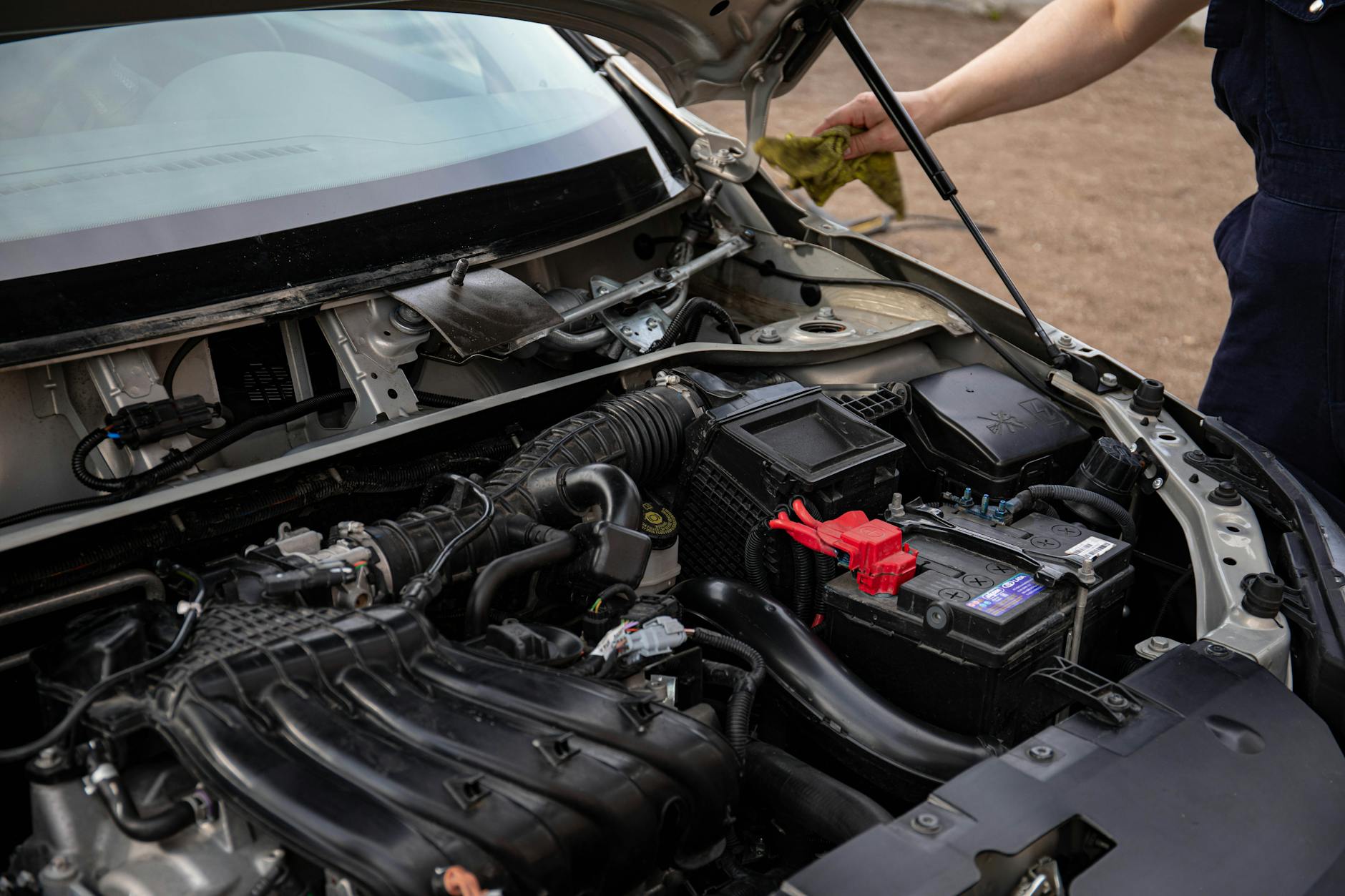
 Photo: Sergey Meshkov / Pexels
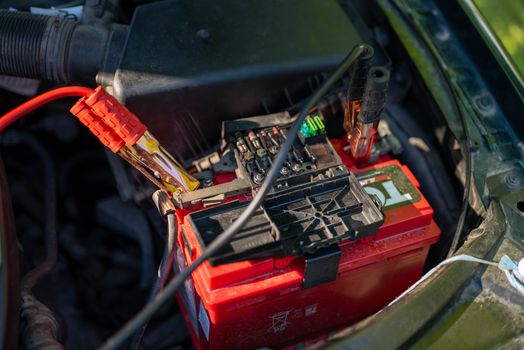 Photo: Vladimir Srajber / Pexels
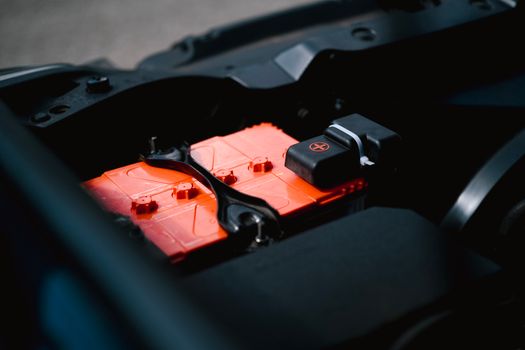 Photo: Ayyeee Ayyeee / Pexels