Understanding Car Suspension Kit Price & Value
June 18, 2026 16 min read 3,189 words
Unlock insights into the true cost of car suspension kits, from basic replacements to high-performance upgrades, ensuring you make an informed decision for your vehicle.
Find Your Perfect Kit
Understanding the Core Components of Car Suspension Kits
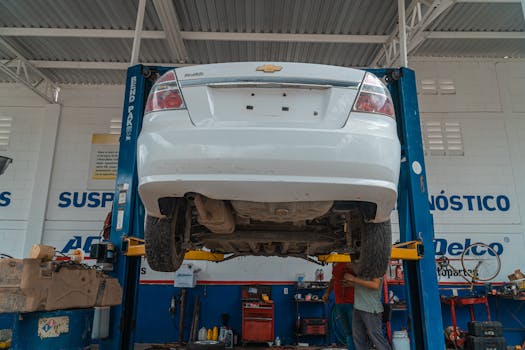 Photo: Jose Ricardo Barraza Morachis / Pexels
The world of automotive suspension is vast and varied, offering solutions for every driving style and vehicle type. When discussing car suspension kit price, it's crucial to first understand what these kits typically include and how each component contributes to the overall function and cost. At its heart, a suspension system connects your vehicle's wheels to its body, allowing for relative motion between the two. This system is responsible for ensuring that the wheels remain in contact with the road, absorbing bumps and vibrations, and maintaining vehicle stability during cornering, acceleration, and braking. A comprehensive suspension kit usually comprises several key elements, each designed to work in concert to achieve a specific ride characteristic or performance goal.
Springs are fundamental to any suspension system, providing the primary means of supporting the vehicle's weight and absorbing road impacts. They come in various forms, including coil springs, leaf springs, and torsion bars, with coil springs being the most common in modern passenger vehicles. The spring rate, or stiffness, directly affects ride comfort and handling. A higher spring rate generally leads to a firmer, sportier ride but can compromise comfort, while a lower spring rate offers more comfort but might result in more body roll. The material and manufacturing process of these springs play a significant role in their durability and performance, directly influencing the car suspension kit price. High-performance springs made from advanced alloys will naturally cost more than standard replacement springs.
Shock absorbers, often called 'shocks' or 'dampers,' work in conjunction with the springs. While springs absorb the initial impact, shocks dissipate the energy generated by the spring's compression and rebound, preventing the vehicle from bouncing uncontrollably. Without shocks, your car would continuously oscillate after hitting a bump, leading to a very uncomfortable and unsafe ride. Shocks come in various designs, including twin-tube, mono-tube, and adjustable types. Adjustable shocks, which allow drivers to fine-tune damping forces, are common in performance-oriented kits and significantly impact the overall cost. The technology within these shocks, such as gas-charged or remote reservoir designs, also contributes to their effectiveness and, consequently, their price point. Quality shocks from reputable brands are essential for both performance and longevity, often being a major determinant of the overall
suspension upgrade cost.
Beyond springs and shocks, many kits include additional components like control arms, sway bars (anti-roll bars), bushings, and mounting hardware. Control arms connect the wheel hub to the vehicle's chassis, allowing for vertical movement while maintaining proper wheel alignment. Upgraded control arms, often made from stronger or lighter materials, can improve geometry and reduce unsprung weight. Sway bars reduce body roll during cornering, enhancing stability and handling. Thicker or adjustable sway bars are common upgrades in performance kits. Bushings, typically made of rubber or polyurethane, cushion the connections between various suspension components, reducing noise and vibration. Polyurethane bushings are firmer and more durable than rubber, offering a more direct feel but sometimes at the expense of a slight increase in noise, vibration, and harshness (NVH). The inclusion of these supplementary components, especially those made from premium materials or featuring advanced designs, directly contributes to the higher end of the car suspension kit price spectrum. Understanding these individual components and their roles is the first step in deciphering the varying price tags you'll encounter in the market.
Factors Influencing Car Suspension Kit Price
 Photo: Jose Ricardo Barraza Morachis / Pexels
The wide range of car suspension kit prices, from a few hundred dollars to several thousand, can be attributed to a multitude of factors. Understanding these influences is key to making an informed purchasing decision that aligns with both your budget and your automotive goals. The type of kit you choose is perhaps the most significant determinant of cost. For instance, a basic lowering kit, which might only include new springs, will be considerably less expensive than a full coilover system that replaces springs, shocks, and often includes adjustable ride height and damping. Similarly, a heavy-duty lift kit for an off-road vehicle, comprising new springs, shocks, control arms, and potentially new driveshafts or brake lines, will command a premium price due to the complexity and sheer volume of components involved. Performance-oriented kits, designed for track use or spirited driving, often feature advanced materials like aluminum or carbon fiber, adjustable settings, and specialized valving in their shocks, all of which contribute to a higher price tag.
Vehicle type and application also play a crucial role. Suspension kits for common passenger cars tend to be more affordable due to higher production volumes and broader aftermarket support. Conversely, kits for exotic cars, classic vehicles, or niche off-road platforms can be significantly more expensive because of lower production runs, specialized engineering, and the use of bespoke components. Furthermore, the intended use of the vehicle—whether it's a daily driver, a track car, an off-road adventurer, or a show car—will dictate the level of sophistication and durability required from the suspension, directly impacting the car suspension kit price. For example, a kit designed for competitive off-roading will need to withstand extreme abuse and provide superior articulation, leading to a much higher cost than a kit for cosmetic lowering.
Brand reputation and quality are undeniable factors. Established brands with a long history of engineering excellence, extensive research and development, and rigorous testing processes typically charge more for their products. Companies like Bilstein, KW, Eibach, and Öhlins are renowned for producing high-quality, durable, and performance-driven suspension components, and their kits reflect this premium. While there are more budget-friendly brands available, it's essential to consider the trade-offs in terms of material quality, manufacturing precision, warranty, and long-term reliability. Cheaper kits might use lower-grade steel, less sophisticated damping technology, or have a shorter lifespan, potentially leading to additional costs down the line for replacements or repairs. The adage 'you get what you pay for' often holds true in the world of suspension components, where safety and performance are paramount.
Finally, material composition and technological features contribute heavily to the overall cost. Kits utilizing advanced materials like lightweight aluminum for control arms, high-tensile strength steel for springs, or specialized coatings for shock bodies will naturally be more expensive than those made from standard materials. Features such as remote reservoirs for enhanced heat dissipation, adjustable rebound and compression damping, electronic damping control, or even air suspension systems with on-board compressors and height sensors represent significant technological advancements that push the car suspension kit price upwards. These features offer unparalleled control and customization but come at a premium. When evaluating different kits, it’s important to weigh these technological benefits against your specific needs and budget, ensuring you're investing in features that genuinely add value to your driving experience.
Navigating Installation Costs and Total Ownership
Photo: Jose Ricardo Barraza Morachis / Pexels
Beyond the initial car suspension kit price, a critical component of the total investment is the installation cost. This is an area where many first-time buyers might underestimate the financial outlay, leading to budget overruns. Professional installation is highly recommended for most suspension kits, as it involves specialized tools, knowledge of vehicle-specific torque specifications, and experience with complex mechanical systems. The labor involved can vary significantly depending on the type of kit, the make and model of your vehicle, and the shop's hourly rate. For a basic spring replacement or a simple lowering kit, installation might range from $300 to $800. However, for full coilover systems, complex lift kits, or air suspension setups, the labor can easily climb to $1,000 to $2,000 or even more, especially if additional modifications or custom fabrication are required. It's always advisable to get multiple quotes from reputable shops before committing to an installation.
Another often-overlooked cost associated with suspension upgrades is the mandatory wheel alignment. After any significant suspension work, the vehicle's alignment will be altered, and driving without a proper alignment can lead to premature tire wear, compromised handling, and reduced safety. A four-wheel alignment typically costs between $100 and $200 and should be factored into your total budget. Some advanced suspension kits might even require specific alignment settings or specialized equipment, which could slightly increase this cost. Ignoring this step is a false economy that will cost you more in tire replacements and potential safety issues down the road. Therefore, always plan for an alignment immediately after your new suspension is installed.
For more complex installations, particularly with lift kits for trucks and SUVs, additional components might be necessary. These can include longer brake lines, extended sway bar links, new driveshafts, or even specialized control arm drop brackets to correct suspension geometry. While some premium kits may include these items, budget-friendly options often do not, requiring separate purchases. These additional parts can add several hundred to over a thousand dollars to the overall car suspension kit price and installation. It's crucial to thoroughly research what your specific vehicle and chosen kit will require to avoid unexpected expenses. Consult with experienced mechanics or read forums dedicated to your vehicle model to understand all potential needs.
Finally, consider the long-term ownership costs and benefits. A higher-quality, albeit more expensive, suspension kit from a reputable brand might offer superior durability and a longer lifespan, potentially reducing the need for premature replacements. It can also provide a more comfortable ride, improved handling, and enhanced safety, which are invaluable benefits. Conversely, a cheaper kit might wear out faster, leading to recurring repair costs or a less satisfactory driving experience. Furthermore, a well-chosen suspension upgrade can enhance your vehicle's resale value, especially if it's a desirable modification like a performance coilover system or a well-executed lift kit. When evaluating the
total suspension cost, look beyond the initial purchase price and consider the complete picture, including installation, alignment, potential additional parts, and the long-term value and satisfaction derived from your investment. This holistic approach ensures you're making a financially sound and functionally beneficial decision for your vehicle.
Tips for Choosing and Common Mistakes to Avoid
 Photo: Malte Luk / Pexels
Choosing the right car suspension kit at the right price can be a daunting task, but with a strategic approach, you can make an informed decision. Here are some essential tips and common mistakes to avoid:
**Tips for Choosing the Right Kit:**
* **Define Your Goals:** Before looking at prices, clearly articulate why you need a new suspension. Is it for daily comfort, track performance, off-road capability, or aesthetics? Your primary goal will narrow down your options significantly. A track-focused coilover system is overkill for a daily driver, and a simple lowering spring kit won't cut it for serious off-roading.
* **Research Vehicle-Specific Options:** Suspension kits are not one-size-fits-all. Always look for kits specifically designed for your car's make, model, and year. This ensures proper fitment, compatibility with other components, and optimal performance.
* **Read Reviews and Forums:** Leverage the experiences of other owners. Automotive forums and product reviews can provide invaluable real-world insights into the performance, durability, and common issues of various kits. Pay attention to feedback regarding ride quality, handling improvements, and long-term reliability.
* **Balance Price and Quality:** While it's tempting to opt for the cheapest option, remember that suspension components are critical for safety and performance. Invest in a reputable brand that offers a good warranty and a proven track record. A slightly higher car suspension kit price upfront can save you significant headaches and costs down the line.
* **Consider Adjustable Features:** If your budget allows, consider kits with adjustable damping or ride height. These features offer flexibility to fine-tune your suspension to different driving conditions or personal preferences, maximizing your investment.
* **Factor in Installation and Alignment:** Always include professional installation and a four-wheel alignment in your total budget. Attempting a DIY installation without the proper tools or expertise can be dangerous and lead to costly mistakes.
**Common Mistakes to Avoid:**
* **Ignoring Compatibility:** Purchasing a kit that isn't fully compatible with your vehicle can lead to fitment issues, compromised performance, or even damage to other components. Always double-check part numbers and applications.
* **Over-Lowering or Over-Lifting:** While aesthetics are a factor, extreme lowering can lead to scraping, reduced suspension travel, and premature wear on components. Likewise, excessive lifting without proper geometry correction can negatively impact handling, stability, and drivetrain components. Aim for functional modification.
* **Mixing Components from Different Brands:** While sometimes possible, mixing springs from one brand with shocks from another can lead to unpredictable handling characteristics and an unbalanced ride. Stick to complete kits or consult experts before mixing and matching.
* **Neglecting Supporting Modifications:** For significant suspension changes, especially lift kits, you might need additional parts like extended brake lines, adjustable control arms, or new sway bar end links. Failing to account for these can lead to an incomplete or unsafe setup.
* **Skipping Post-Installation Alignment:** This is a critical step. Driving on a misaligned suspension will quickly wear out your new tires and lead to poor handling. Always get a professional alignment after any suspension work.
* **Underestimating DIY Difficulty:** While some basic installations can be done by a mechanically inclined individual, many suspension jobs require specialized tools (e.g., spring compressors), precise torque specifications, and a significant understanding of automotive systems. If in doubt, pay for professional installation to ensure safety and proper function.
