
What Causes Car AC to Stop Working? Your Ultimate Guide
Uncover the mysteries behind a failing car AC system and learn how to restore cool comfort to your vehicle.
Get Your AC FixedKey Takeaways
- ✓ Refrigerant leaks are the most common cause of AC failure.
- ✓ A failing compressor can lead to complete AC system shutdown.
- ✓ Electrical issues, such as blown fuses or faulty wiring, often mimic other AC problems.
- ✓ Regular maintenance, including checking refrigerant levels and cleaning condensers, can prevent many AC failures.
How It Works
When you turn on your car's AC, the compressor engages, pressurizing the refrigerant. This high-pressure gas then moves through the system.
The hot, high-pressure gas travels to the condenser, usually located at the front of your car. Here, it releases heat to the outside air and transforms into a high-pressure liquid.
The high-pressure liquid then passes through an expansion valve or orifice tube, which rapidly reduces its pressure. This sudden pressure drop causes the liquid to vaporize and cool significantly.
The cold, low-pressure gas enters the evaporator coil, located inside your car's dashboard. A fan blows warm cabin air over this coil, transferring heat from the air to the cold refrigerant, thus cooling the air that blows into your car.
Understanding Common Refrigerant Problems and Leaks
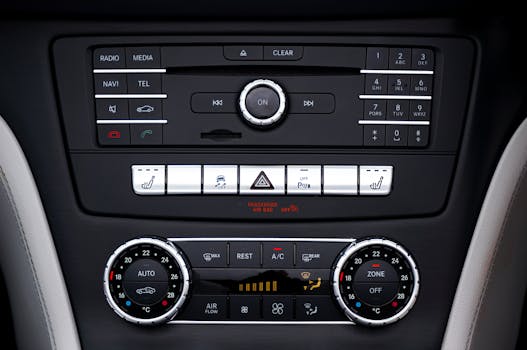 Photo: Mike Bird / Pexels
Compressor Failures: The Heart of the Problem
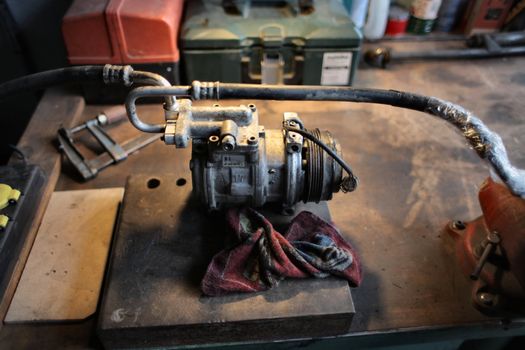 Photo: Andrea Piacquadio / Pexels
Electrical Malfunctions and Blockages: Hidden Hurdles
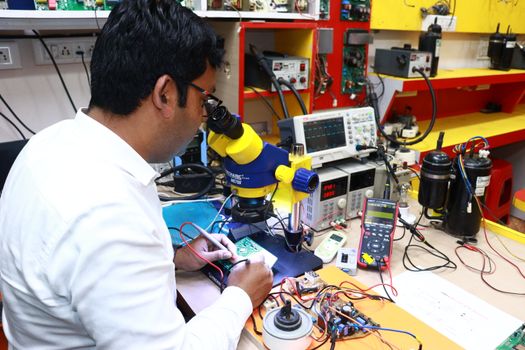 Photo: Multitech Institute / Pexels
Preventative Measures and Troubleshooting Tips for Your Car AC
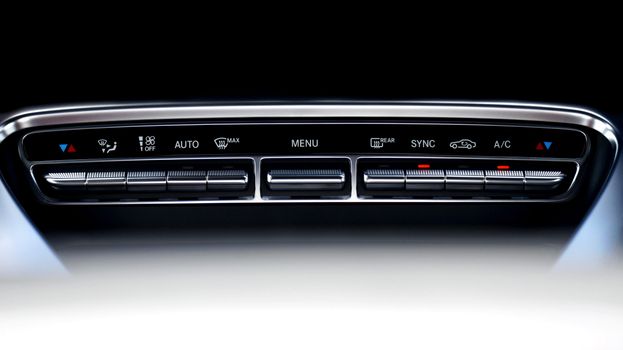 Photo: Mike Bird / Pexels
Comparison
| Problem Type | Common Symptoms | DIY Fix Potential | Professional Repair Cost (Est.) |
|---|---|---|---|
| Refrigerant Leak | Gradual loss of cooling, hissing sound, oily residue | Low (temporary recharge only) | $200 - $1000+ (depending on leak source) |
| Compressor Failure | No cold air, grinding/squealing noises, burning smell | None | $800 - $2500+ |
| Electrical Issue (Fuse/Relay) | AC not turning on, fan not working | High (for simple fuse/relay) | $50 - $300 (for diagnosis/minor part) |
| Clogged Expansion Valve/Orifice Tube | Inconsistent cooling, evaporator freezing | None | $300 - $800 |
| Clogged Condenser/Evaporator | Reduced cooling efficiency, AC works harder | Medium (external cleaning) | $100 - $500 (for professional cleaning/internal blockage) |
What Readers Say
"My car AC just quit in the middle of summer. This article helped me understand it was likely a refrigerant leak, and I knew what to ask the mechanic. They confirmed the leak and fixed it quickly!"
Sarah J. · Austin, TX"I thought my compressor was dead, but after reading about electrical issues, I checked the AC fuse. It was blown! A simple 50-cent fuse saved me hundreds. So grateful for this detailed guide."
Michael D. · Orlando, FL"My car AC was blowing warm air intermittently. This guide's section on blockages made me consider the expansion valve. The mechanic confirmed it was clogged, and after replacement, my AC is ice cold again."
Jessica L. · Phoenix, AZ"Very thorough explanations for what causes car AC to stop working. While some repairs are definitely for professionals, the preventative tips are easy to follow and hopefully will keep my AC running longer."
David K. · Seattle, WA"As someone who travels a lot, a working AC is non-negotiable. This article gave me the knowledge to understand the different failure points and confidently discuss options with my service center. Highly recommend!"
Emily R. · Denver, COFrequently Asked Questions
What is the most common reason a car AC stops blowing cold air?
The most common reason a car AC stops blowing cold air is a lack of refrigerant, usually due to a leak. Refrigerant is essential for the cooling process, and even a small leak over time can lead to a significant loss, resulting in warm air from your vents. Other common causes include a failing compressor or electrical issues.
Is it safe to drive with a broken car AC?
Generally, it is safe to drive with a broken car AC, as long as the issue isn't causing other problems like engine overheating or excessive noise. However, it can be uncomfortable, especially in hot weather. If the compressor is seized, it might put extra strain on the engine belt, which could lead to further issues if not addressed.
How can I check my car's AC refrigerant level?
Checking refrigerant levels requires specialized gauges and knowledge of AC systems, so it's best left to a professional mechanic. While DIY recharge kits are available, improperly adding refrigerant can overcharge the system and cause more damage. A professional can accurately measure pressure, identify leaks, and add the correct amount and type of refrigerant.
How much does it typically cost to fix a car AC?
The cost to fix a car AC varies widely depending on the cause. A simple fix like a blown fuse might cost under $50, while a refrigerant recharge can range from $150-$400 if no leak is present. Major repairs, such as replacing a compressor, can easily cost anywhere from $800 to over $2500, including parts and labor, due to the complexity and cost of components.
Can a bad car AC affect engine performance?
A bad car AC can indirectly affect engine performance, especially if the compressor is seized or the clutch is failing. A seized compressor will put a significant drag on the engine, potentially reducing fuel economy and causing the engine to work harder. Additionally, a failing compressor clutch can cause squealing noises from the engine bay.
Who should I call to fix my car AC?
You should call a certified automotive technician or an auto repair shop specializing in air conditioning systems. Look for shops with ASE-certified technicians, particularly those with an A7 (Heating and Air Conditioning) certification. They have the expertise, tools, and equipment to diagnose and repair AC issues safely and effectively.
Are new car AC refrigerants better for the environment?
Yes, newer car AC refrigerants like R-1234yf (which is replacing R-134a in many new vehicles) are designed to be significantly better for the environment. They have a much lower Global Warming Potential (GWP) compared to their predecessors. This shift is part of an industry-wide effort to reduce the environmental impact of automotive air conditioning systems.
What's the difference between car AC and climate control?
Car AC (Air Conditioning) simply cools the air. Climate control, on the other hand, is a more advanced system that automatically maintains a set temperature in the cabin. It integrates AC, heating, and fan speed, using sensors to adjust airflow and temperature to reach and hold the desired setting, offering more precise and consistent comfort than a basic AC system.
Don't let a malfunctioning AC ruin your drive. Now that you understand what causes car AC to stop working, you're better equipped to diagnose problems and seek appropriate solutions. Prioritize regular maintenance and professional inspection to keep your car's AC blowing cold for years to come.