Spotting the Signs of a Bad Alternator: Your Guide
signs of a bad alternator

Spotting the Signs of a Bad Alternator: Your Guide

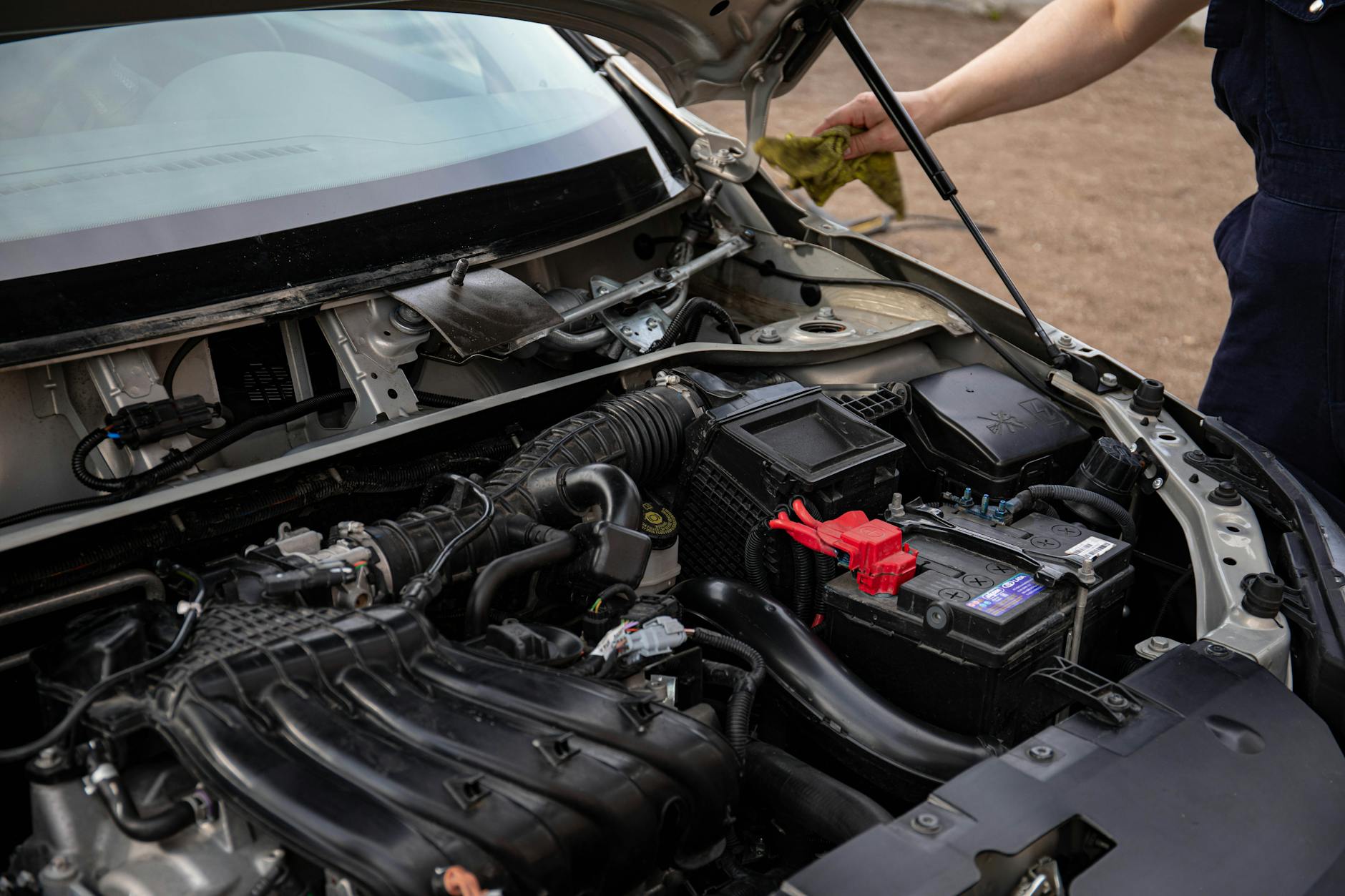
Mechanic inspecting car engine bay and battery during routine maintenance.Photo: Sergey Meshkov / Pexels

Spotting the Signs of a Bad Alternator: Your Guide

Understand critical warning signs to prevent breakdowns and ensure your vehicle's electrical system remains reliable.

Protect Your Ride

Key Takeaways

  • ✓ The alternator recharges your car battery and powers electrical components.
  • ✓ A failing alternator often presents with dashboard warning lights, particularly the battery light.
  • ✓ Dimming headlights or interior lights are common early indicators of an alternator issue.
  • ✓ Ignoring alternator problems can lead to a dead battery and vehicle breakdown.

How It Works

1
Engine Running

When your engine is running, the alternator is driven by the serpentine belt. This rotation generates alternating current (AC) electricity.

2
AC to DC Conversion

Inside the alternator, a component called the rectifier converts the AC electricity into direct current (DC). Your car's electrical system and battery require DC power.

3
Power Distribution

The DC power is then sent to recharge your car battery, ensuring it has enough juice to start the engine next time. Simultaneously, it powers all your vehicle's electrical accessories.

4
Voltage Regulation

A voltage regulator, often integrated into the alternator, maintains a consistent output voltage. This prevents overcharging the battery or damaging sensitive electronics.

Understanding Your Vehicle's Electrical Heart: What is an Alternator?
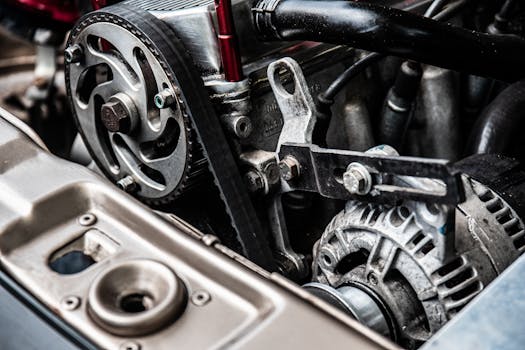
High-resolution close-up of a car engine showing intricate mechanical parts and metallic details.Photo: Hebert Santos / Pexels
Before diving into the critical signs of a bad alternator, it's essential to grasp the fundamental role this unassuming component plays in your vehicle's operation. Often overshadowed by the battery, the alternator is, in many ways, the unsung hero of your car's electrical system. Imagine your car as a living organism; the battery is like its heart, providing the initial spark of life. But the alternator? That's the lungs, constantly providing the oxygen (electricity) needed to sustain all its functions while the engine is running. Its primary job is twofold: to generate electricity to power all the vehicle's electrical components – from your headlights and radio to the ignition system and power windows – and to continuously recharge the car's battery. Without a functioning alternator, your battery would quickly drain, leaving you stranded. This crucial component is typically located near the front of the engine, driven by the serpentine belt. As the engine runs, the belt spins a pulley on the alternator, which in turn rotates a rotor inside the alternator. This rotation, combined with magnetic fields, induces an alternating current (AC) electricity. Since your car's battery and most of its electrical systems operate on direct current (DC), the alternator contains a rectifier that converts the AC into DC. A voltage regulator then ensures this DC power is supplied at a consistent and safe voltage, preventing overcharging of the battery or damage to sensitive electronic components. Many drivers mistakenly believe the battery is solely responsible for powering their vehicle. While the battery provides the initial surge of power to start the engine, once the engine is running, the alternator takes over. It's designed to handle the ongoing electrical load and replenish the energy used by the starter motor. Therefore, if your alternator begins to fail, the battery will attempt to shoulder the entire electrical load, a task it's not designed for over extended periods. This often leads to the battery quickly depleting, culminating in a complete electrical system failure and an immobile vehicle. Understanding this synergy between the alternator and battery is the first step in recognizing the importance of both components for reliable vehicle operation. Regular checks and awareness of potential issues can save you significant time, money, and frustration down the road. It's not just about getting from point A to point B; it's about doing so with confidence, knowing your vehicle's vital systems are functioning as they should. Recognizing the subtle cues your car gives you can be the difference between a minor repair and being stuck on the side of the highway. Hence, knowing the early signs of a bad alternator is paramount for any vehicle owner.

Warning Lights and Electrical Anomalies: Early Indicators of Alternator Trouble
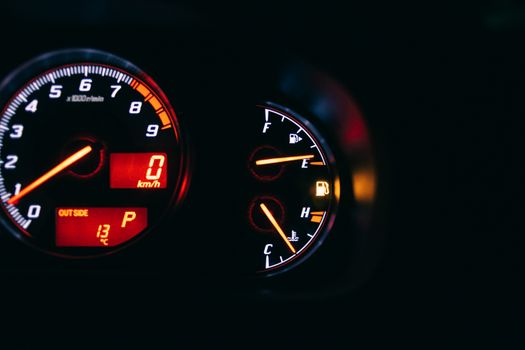
Modern control and measuring devices with arrows indicating numbers and letters on scales in automobile on black backgroundPhoto: Erik Mclean / Pexels
One of the most overt and concerning signs of a bad alternator is the illumination of specific warning lights on your dashboard. While modern vehicles boast an array of sophisticated warning systems, the battery warning light (often depicted as a battery symbol) is arguably the most direct indicator of a charging system malfunction. Contrary to popular belief, this light doesn't necessarily mean your battery is faulty; instead, it signals a problem with the entire charging system, which most frequently points to the alternator. When this light comes on, it means the alternator is no longer producing enough voltage to meet the vehicle's electrical demands and recharge the battery effectively. It's essentially your car's way of telling you it's running solely on battery power, a situation that won't last long. Beyond the explicit battery warning light, a failing alternator often manifests through a series of noticeable electrical anomalies. Dimming headlights, especially when driving at night or at lower engine speeds, are a classic symptom. You might observe that your headlights become brighter as you accelerate and dim when you slow down or idle. This fluctuating intensity indicates that the alternator isn't consistently providing sufficient power. Similarly, interior lights, dashboard lights, and even the illumination of your infotainment system might appear unusually dim or flicker. Power windows might operate slower than usual, and heated seats or mirrors might not work as effectively, or at all. These issues stem from the alternator's inability to supply the stable voltage required for all these components to function optimally. Another tell-tale sign relates to your vehicle's accessories. If your radio unexpectedly cuts out, your GPS unit loses power, or your phone charger stops working, it could be a sign that the alternator is struggling to distribute power. In some severe cases, critical systems like the anti-lock braking system (ABS) or power steering might be affected, leading to illuminated warning lights for these systems as well. This is because these systems rely heavily on a consistent electrical supply to function correctly. When the alternator fails to provide this, the vehicle's computer may start shutting down non-essential systems to conserve the remaining battery power for essential functions, leading to a cascade of electrical problems. Ignoring these warning signs can have serious consequences. A continuously undercharged battery will eventually die, leaving you stranded. Moreover, the strain on the battery from constantly trying to compensate for a failing alternator can significantly shorten its lifespan. Therefore, paying close attention to any unusual electrical behavior and promptly addressing dashboard warning lights is crucial. Early detection of these electrical anomalies can prevent a complete breakdown and potentially save you from more extensive and costly repairs down the line. It's not just about convenience; it's about ensuring the safety and reliability of your daily commute and long-distance travels. Recognizing these early indicators empowers you to take proactive steps, such as getting your charging system tested, before the problem escalates from a warning to a full-blown emergency.

Performance Issues and Unusual Noises: Decoding Mechanical Alternator Failure
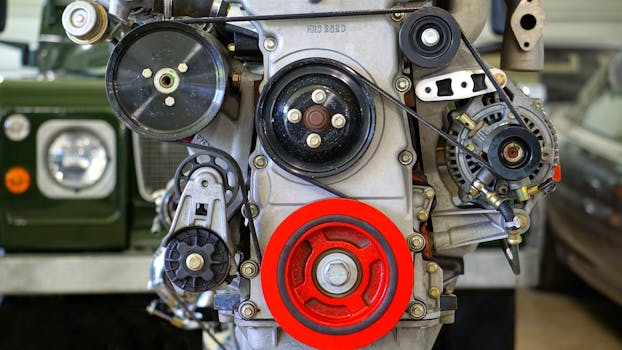
Detailed view of a car engine showcasing belts and colorful pulleys in a workshop setting.Photo: Mike Bird / Pexels
While electrical symptoms are often the most immediate indicators of a failing alternator, mechanical issues can also provide crucial signs. An alternator, being a mechanical component, is subject to wear and tear over time, and its internal parts can begin to degrade. One of the most common mechanical symptoms is the emergence of unusual noises emanating from under the hood, particularly a growling, whining, or grinding sound. These noises typically indicate worn-out bearings within the alternator. The bearings allow the rotor to spin smoothly, and when they start to fail, the friction increases, producing these distinctive sounds. The noise might become more pronounced as the engine RPMs increase, directly correlating with the alternator's operational speed. Ignoring these sounds can lead to the bearings seizing entirely, causing the alternator to lock up and potentially breaking the serpentine belt, which can disable other critical engine components like the power steering pump or water pump. Beyond audible cues, a failing alternator can also impact your vehicle's overall performance. While less direct than electrical symptoms, a struggling charging system can indirectly affect engine operation. For instance, if the alternator isn't providing enough power, the spark plugs might not receive a consistent voltage, leading to misfires or a rough idle. You might notice the engine hesitating or feeling sluggish, especially during acceleration. This happens because the engine's control unit (ECU) relies on a stable electrical supply to manage fuel injection, ignition timing, and other critical parameters. When this supply is compromised, the ECU might struggle to maintain optimal engine performance, leading to noticeable drivability issues. Another often overlooked mechanical aspect is the serpentine belt itself. While the belt drives the alternator, a loose, worn, or damaged belt can prevent the alternator from spinning at the correct speed, leading to undercharging. A squealing sound, especially during startup or when turning the steering wheel (if your power steering is also belt-driven), can indicate a loose or worn serpentine belt. While not a direct sign of a bad alternator, a compromised belt directly impacts the alternator's ability to function. It's a good practice to inspect the serpentine belt periodically for cracks, fraying, or excessive slack. If the belt looks compromised, replacing it can often resolve charging issues before they become more serious. Regular vehicle maintenance, including belt inspections, is key to preventing these types of cascading failures. Furthermore, a burning rubber smell can indicate a slipping belt or a seized alternator pulley, both of which are severe issues requiring immediate attention. The smell of burning wires or hot electrical components can also emanate from a severely overheating alternator, a sign that the internal components are failing rapidly. Recognizing these mechanical and sensory cues, in conjunction with electrical symptoms, provides a comprehensive approach to diagnosing a failing alternator. It ensures you're not just reacting to dashboard lights but also tuning into the subtle mechanical feedback your car provides, allowing for a more accurate and timely intervention.

Diagnosing and Addressing Alternator Issues: Tips for Car Owners
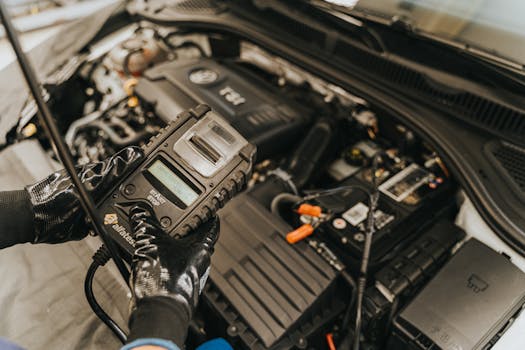
Mechanic diagnosing a car engine with a diagnostic tool, showcasing technical expertise and automotive care.Photo: Daniel Andraski / Pexels
When you suspect your alternator might be failing, proactive diagnosis and timely action are crucial to prevent a complete breakdown. The first step is often a simple visual inspection under the hood. Check the serpentine belt that drives the alternator for any signs of wear, cracks, fraying, or excessive looseness. A damaged belt can prevent the alternator from functioning correctly. Also, listen for any unusual noises coming from the alternator itself; grinding or whining often points to failing internal bearings. If you're experiencing electrical symptoms, a quick voltage check can provide valuable insight. You'll need a multimeter for this. Here's how to do it: * **Test the Battery Voltage (Engine Off):** With the engine off, connect the multimeter's red lead to the positive battery terminal and the black lead to the negative terminal. A fully charged battery should read around 12.6 volts. * **Test the Charging Voltage (Engine On):** Start the engine and let it idle. Re-test the battery voltage. A healthy alternator should be charging the battery at a rate between 13.5 and 14.7 volts. If the reading is below 13.0 volts or significantly above 15.0 volts, it strongly indicates an alternator problem. * **Load Test (Optional but Recommended):** While the engine is running and the multimeter is connected, turn on several electrical accessories (headlights, radio, AC fan on high). The voltage should remain within the 13.5-14.7 volt range. A significant drop indicates the alternator is struggling under load. Many auto parts stores offer free battery and charging system tests, which can quickly confirm if your alternator is the culprit. These tests are highly recommended as they provide a more comprehensive analysis than a simple voltage check. **What to do if you confirm a bad alternator:** * **Seek Professional Help:** Unless you are an experienced DIY mechanic, replacing an alternator can be complex, involving disconnecting battery terminals, removing the serpentine belt, and often working in confined engine spaces. It's generally best left to certified mechanics. * **Avoid Long Drives:** If your alternator is failing, your car is essentially running on borrowed time, powered solely by the battery. The battery will eventually drain, leaving you stranded. Limit driving to essential trips, ideally to a repair shop. * **Minimize Electrical Load:** To prolong the battery's life, turn off all non-essential electrical accessories, such as the radio, air conditioning, heated seats, and even bright headlights during the day. This reduces the strain on the dwindling battery power. * **Consider a Jump Start (Temporarily):** If your battery dies due to an alternator failure, a jump start might get you going for a short distance. However, remember that without a functioning alternator, the battery won't recharge, and the car will eventually die again. It's a temporary fix to get to a service center, not a solution. By understanding these diagnostic steps and knowing what actions to take, you can address alternator issues effectively, minimizing inconvenience and potential damage to other vehicle components. Early detection is always the best strategy for maintaining your vehicle's health and your peace of mind. **Common Mistakes to Avoid:** * **Ignoring the Battery Light:** Many drivers mistakenly think this light only means a bad battery. It almost always indicates a charging system issue, with the alternator being the primary suspect. * **Continuously Jump-Starting:** Relying on repeated jump starts without addressing the underlying alternator problem will wear out your battery prematurely and still leave you stranded. * **Overlooking Related Components:** Sometimes the issue isn't the alternator itself, but a loose or damaged serpentine belt, a faulty tensioner, or wiring issues. A thorough diagnosis is key. * **Delaying Repair:** A failing alternator puts immense strain on your battery and can eventually lead to your car suddenly dying, potentially in an unsafe location. Prompt repair is essential.

Comparison

Symptom CategoryHealthy AlternatorFailing Alternator (Early)Failing Alternator (Advanced)
Dashboard LightsOff (except during startup)Battery light flickers/stays onBattery light on, other warning lights
Headlights/Interior LightsBright, consistentDimming at idle, flickeringVery dim, inconsistent, rapid drain
Electrical AccessoriesFull power, stableSlow operation (windows), weak radioMalfunctioning, cutting out, no power
Engine PerformanceSmooth, consistentSlight hesitation, rough idleMisfires, stalling, difficulty starting
Under-hood SoundsQuiet humWhining, growling, squealing (belt)Loud grinding, screeching, burning smell
Battery LifeLong, consistent chargeDraining faster, needs frequent chargingDead battery, won't hold charge
Starting the CarStarts easily every timeStarts but struggles after a few daysNeeds jump start or won't start at all

What Our Readers Say

5 ★★★★★

"My headlights started dimming at stoplights, and I remembered reading about signs of a bad alternator. Took it in, and sure enough, it was on its last legs. Got it replaced before it left me stranded, thanks to knowing what to look for."

5 ★★★★★

"The battery light kept coming on intermittently, and I thought it was just my old battery. This guide helped me realize it was likely the alternator. Saved me from buying a new battery unnecessarily and got the real problem fixed."

5 ★★★★★

"I had a persistent whining noise under the hood that got louder with RPMs. After reading this, I diagnosed it as a bad alternator bearing. Replaced it myself following some online tutorials and now my car runs perfectly quiet again."

4 ★★★★☆

"My car's power windows were really slow, and the radio would cut out occasionally. It wasn't as dramatic as a dead battery, but these subtle clues, as described here, led me to get my alternator checked. It was indeed failing, but not completely dead yet."

5 ★★★★★

"As a rideshare driver, my car's reliability is everything. When my dashboard lights started flickering, I knew it wasn't good. This article's detailed explanation of the signs of a bad alternator helped me identify the issue quickly, minimize downtime, and get back on the road."

Frequently Asked Questions

What is the most common sign of a bad alternator?
The most common and definitive sign of a bad alternator is the illumination of the battery warning light on your dashboard. This light indicates that the charging system, primarily the alternator, is not producing enough voltage to power the car and recharge the battery effectively. Other frequent signs include dimming headlights, flickering interior lights, and electrical accessories failing.
Can a bad alternator drain my battery even when the car is off?
Yes, in some cases, a bad alternator can indeed drain your battery even when the car is off. This typically happens if the alternator's internal rectifier diode fails. A faulty diode can create a short circuit, allowing current to flow from the battery through the alternator to ground, slowly draining the battery overnight or over a few days. This is known as a 'parasitic draw' and requires professional diagnosis.
How can I test if my alternator is bad at home?
You can perform a basic test with a multimeter. First, check your battery voltage with the engine off (should be around 12.6V). Then, start the engine and re-check the battery voltage. A healthy alternator should show a reading between 13.5V and 14.7V. If the voltage doesn't rise or is outside this range, your alternator is likely faulty. For a more definitive test, turn on accessories like headlights and AC; the voltage should remain stable.
How much does it cost to replace an alternator?
The cost to replace an alternator can vary significantly based on your vehicle's make and model, the type of alternator (remanufactured vs. new), and labor rates in your area. Generally, you can expect to pay anywhere from $300 to $800 or more. The part itself can range from $150-$400, with labor making up the rest. It's always best to get quotes from a few reputable mechanics.
Is it safe to drive with a bad alternator?
No, it is generally not safe to drive with a bad alternator. Your car is essentially running on borrowed time, relying solely on the remaining charge in your battery. Once the battery drains, your engine will stall, and you'll lose power steering and brakes (if power-assisted), potentially in an unsafe location. It's advisable to drive only directly to a repair shop or call for a tow.
Who should replace a bad alternator?
While some experienced DIY mechanics might tackle an alternator replacement, it's generally recommended for a certified professional. The job often involves working in tight spaces, correctly identifying and disconnecting wires, and properly tensioning the serpentine belt. Incorrect installation can lead to further electrical issues or damage to other engine components. Auto parts stores also offer free testing services which can help confirm the diagnosis.
What are the risks of ignoring a bad alternator?
Ignoring a bad alternator carries several risks. Primarily, it will lead to a dead battery and leave you stranded. Continuously running on a dying battery can also damage the battery itself, shortening its lifespan. Furthermore, erratic power supply can cause damage to sensitive electronic components in your vehicle, leading to more expensive repairs down the line. It's a problem that only gets worse with time.
Are there any advancements in alternator technology?
Yes, modern alternators have seen several advancements. Many vehicles now use 'smart' alternators that are controlled by the engine's computer (ECU) to optimize charging based on driving conditions and electrical load, improving fuel efficiency. Some luxury or hybrid vehicles also feature liquid-cooled alternators for better thermal management and increased power output. These advancements aim for greater efficiency, durability, and integration with complex vehicle electrical systems.

Don't let a failing alternator leave you stranded. By understanding these crucial signs of a bad alternator, you can act quickly and ensure your vehicle remains reliable. Protect your investment and your peace of mind by addressing these issues promptly.

Topics: signs of a bad alternatoralternator failure symptomscar battery light ondim headlightsalternator testing
Leo List
Brampton weed
Adultwork