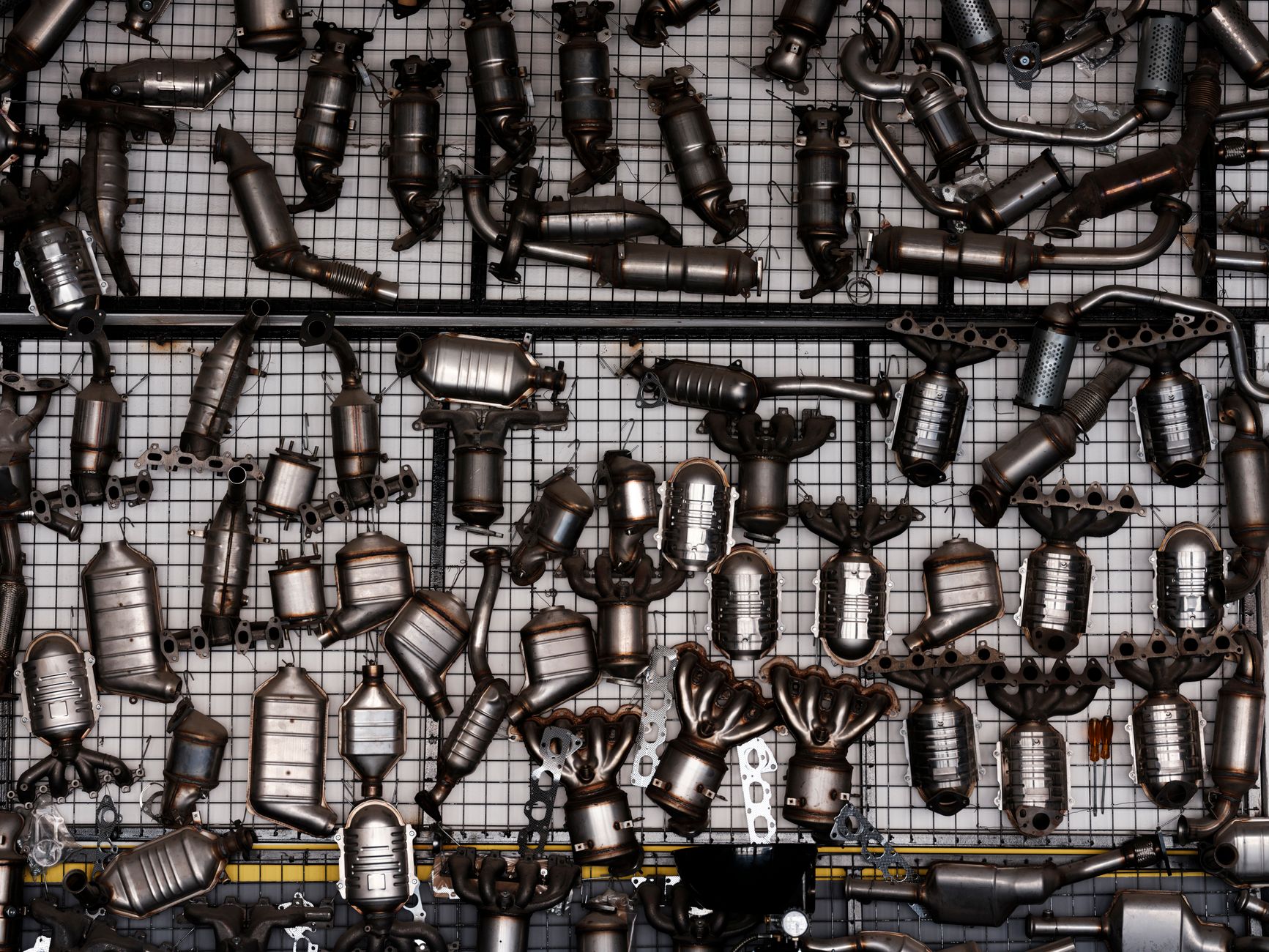
Unleash Power: Aftermarket Exhaust Systems for Trucks
aftermarket exhaust systems for trucks

Unleash Power: Aftermarket Exhaust Systems for Trucks

Transform your truck's performance, sound, and fuel efficiency with the right exhaust upgrade.

Find Your Perfect Exhaust

Key Takeaways

  • ✓ Aftermarket exhausts can improve horsepower and torque.
  • ✓ They offer a wide range of sound profiles, from mild to aggressive.
  • ✓ Fuel efficiency gains are possible, especially with less restrictive designs.
  • ✓ Material choice (stainless, aluminized) impacts durability and cost.

How It Works

1
Research Your Goals

Determine if you prioritize sound, performance, fuel economy, or a balance of all three. This will guide your system type selection.

2
Choose Your System Type

Select from cat-back, axle-back, DPF-back, or turbo-back systems based on your truck's make/model and desired modification level.

3
Select Materials & Brand

Consider stainless steel for durability or aluminized steel for budget. Research reputable brands known for quality and fitment.

4
Professional Installation

While some systems are DIY-friendly, professional installation ensures proper alignment, leak-free seals, and optimal performance.

Understanding Truck Performance Exhaust Systems

Black pickup truck emitting smoke during a burnout on the road. Photo: Chris F / Pexels
When it comes to enhancing your truck, few modifications offer the immediate and noticeable impact of an aftermarket exhaust system. Beyond just a louder rumble, these systems are engineered to optimize exhaust gas flow, which is crucial for engine performance. A factory exhaust system is designed with several compromises in mind: cost-effectiveness, noise reduction to meet stringent regulations, and ease of manufacturing. While adequate for the average driver, these stock systems often restrict the engine's ability to 'breathe' efficiently. Aftermarket exhaust systems, on the other hand, are designed with performance as a primary goal. They typically feature larger diameter piping, smoother bends (often mandrel-bent to prevent restrictions), and less restrictive mufflers and resonators. This reduction in back pressure allows exhaust gases to exit the engine more rapidly, leading to several benefits. For gasoline engines, this can translate into increased horsepower and torque, particularly in the mid to upper RPM range, where the engine can most effectively utilize the improved flow. For diesel trucks, the gains can be even more pronounced, impacting not only power but also turbo spool-up time and exhaust gas temperatures (EGTs), which are vital for engine longevity and efficiency. Choosing the right system involves understanding the different types available. A 'cat-back' system replaces everything from the catalytic converter(s) back to the tailpipe. This is one of the most popular options as it typically doesn't interfere with emissions equipment, making it legal in most states and allowing for significant sound and moderate performance improvements. 'Axle-back' systems, less common for trucks but available, replace only the muffler and tailpipe sections, offering primarily sound changes with minimal performance impact. For diesel trucks, 'DPF-back' systems replace components from the Diesel Particulate Filter (DPF) rearward, similar to cat-back for gasoline. The most aggressive option for diesel trucks is the 'turbo-back' system, which replaces everything from the turbocharger back, including the DPF and catalytic converters. While offering maximum performance gains, these systems are often for off-road use only due to emissions regulations. Material choice is another critical factor. Aluminized steel is a more affordable option, offering decent corrosion resistance, but it won't last as long as stainless steel. Stainless steel, especially 304-grade, provides superior corrosion resistance and durability, making it ideal for trucks exposed to harsh weather conditions or road salt. While more expensive upfront, the longevity often justifies the investment. Brands like MagnaFlow, Flowmaster, Borla, and MBRP are well-known in the aftermarket truck exhaust industry, each offering a distinct sound profile and performance philosophy. Researching customer reviews and sound clips for your specific truck model is highly recommended before making a decision. Moreover, consider the impact on your truck's warranty; while a cat-back system is generally safe, more extensive modifications like turbo-back systems might raise concerns with dealerships. Always consult your dealer or read your warranty fine print. Understanding these fundamentals is the first step towards making an informed decision that aligns with your truck's needs and your driving style. For more detailed information on truck components, you can explore resources on automotive performance parts.

Benefits Beyond the Roar: Performance and Efficiency Gains

A mechanic in a dimly lit garage working on a red semi truck, focus on repair. Photo: cottonbro studio / Pexels
While the distinctive growl of an aftermarket exhaust is often the first thing that comes to mind, the advantages extend far beyond auditory pleasure. Performance gains are a significant motivator for many truck owners. By reducing exhaust back pressure, an aftermarket system allows the engine to expel spent gases more easily. This improved 'breathing' translates directly into an increase in horsepower and torque. For gasoline engines, you might experience a more responsive throttle, quicker acceleration, and improved pulling power, especially when towing or hauling heavy loads. The engine doesn't have to work as hard to push exhaust out, which means more power is available to the wheels. This is particularly noticeable in the mid-range RPMs, where trucks often operate during daily driving and heavy-duty tasks. The less restrictive design of aftermarket mufflers and larger diameter piping minimizes turbulence and resistance, creating a more efficient path for exhaust gases. For diesel trucks, the performance benefits are arguably even more critical. Beyond horsepower and torque increases, aftermarket exhaust systems can lead to lower exhaust gas temperatures (EGTs). High EGTs can be detrimental to a diesel engine's longevity and performance, particularly when towing heavy loads or climbing steep grades. By allowing hot gases to exit more quickly, an aftermarket system helps to keep EGTs in check, safeguarding the turbocharger and other engine components. This also contributes to faster turbo spool-up, reducing turbo lag and providing a more immediate power delivery. Many diesel owners report a noticeable improvement in their truck's ability to maintain speed on inclines and a general feeling of increased grunt. Fuel efficiency is another often-cited, though sometimes debated, benefit. While it's not a guarantee, many owners report modest improvements in fuel economy after installing an aftermarket exhaust. The logic is sound: if the engine is more efficient at expelling exhaust gases, it's working less strenuously. A less restricted engine can operate more efficiently, potentially requiring less fuel to maintain a given speed or power output. However, it's important to note that if the newfound power encourages a heavier foot, any potential fuel savings can quickly be negated. The key is in maintaining your driving habits. For optimal fuel economy, some systems are specifically designed with efficiency in mind, focusing on smooth flow rather than extreme sound or peak horsepower. Furthermore, aftermarket exhausts often come with a weight reduction benefit. Stock exhaust systems, especially on heavy-duty trucks, can be surprisingly heavy due to their construction and multiple chambers designed for noise suppression. Aftermarket systems, particularly those made from stainless steel with simpler, more direct designs, can shed a significant amount of weight. This reduction in unsprung mass can subtly improve handling and overall vehicle dynamics, contributing to a more agile feel. In summary, while the aggressive sound is a draw, the real value of an aftermarket exhaust lies in its ability to unlock your truck's inherent potential for improved power, efficiency, and engine health.

Choosing the Right Aftermarket Exhaust System for Your Truck
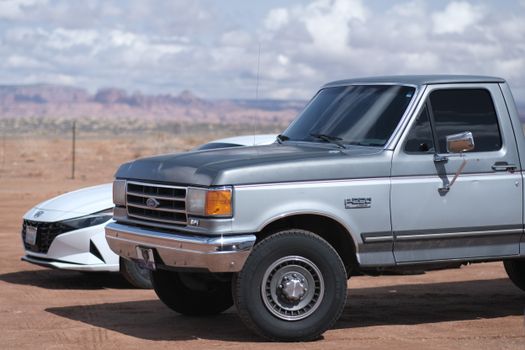
Classic Ford truck and modern car in a serene desert backdrop on a sunny day. Photo: Hauke / Pexels
Selecting the perfect aftermarket exhaust system for your truck involves more than just picking the loudest option; it requires careful consideration of several factors tailored to your specific needs and truck model. The first step is to define your primary goal. Are you chasing maximum horsepower, a throaty rumble, improved towing performance, or better fuel economy? Your priorities will heavily influence the type of system you should consider. For instance, if a deep, aggressive sound is paramount, a system with a less restrictive muffler design, like those from Flowmaster or Borla, might be ideal. If subtle performance gains and a refined sound are preferred, MagnaFlow often provides a smoother, less boisterous tone. Compatibility is non-negotiable. Ensure the system you choose is specifically designed for your truck's make, model, year, engine size, and cab/bed configuration. A system for a Ford F-150 with a 5.0L V8 will not fit a Ram 1500 with a Hemi, and even within the same make, a crew cab short bed might require a different length system than a regular cab long bed. Manufacturers provide detailed fitment guides, and reputable retailers will specify compatibility clearly. Don't assume; always double-check. Material choice significantly impacts durability and price. As mentioned, aluminized steel is budget-friendly but prone to rust in harsh climates. Stainless steel (409 or 304 grade) offers superior corrosion resistance and longevity. 409 stainless steel is a good balance of cost and durability, while 304 stainless steel is the premium choice, offering maximum resistance to rust and discoloration, ideal for those who plan to keep their truck for many years or live in areas with heavy road salt usage. The piping diameter also plays a role; while larger diameter pipe generally means less restriction, going too large can actually decrease exhaust velocity, potentially hurting low-end torque. Most reputable manufacturers have optimized pipe diameters for specific engine applications. Installation complexity varies. Axle-back and cat-back systems are often designed for bolt-on installation, meaning they can be installed with basic tools in a garage. However, some systems may require cutting the factory exhaust, which might necessitate professional installation. Turbo-back systems, especially those involving DPF or catalytic converter removal, are more complex and often require tuning adjustments to prevent engine codes and ensure proper operation. Furthermore, these systems often face strict emissions regulations, making them illegal for street use in many states. Always be aware of local laws and regulations regarding exhaust modifications. Consulting with an expert at an automotive service center can provide valuable insights into installation and compliance. Finally, read reviews and watch sound clips online. While subjective, hearing the system on a similar truck can give you a better idea of the sound profile before you commit.

Common Mistakes and Essential Tips for Exhaust Upgrades

Action-packed scene of trucks racing on an outdoor track, highlighting speed and excitement. Photo: Dylan Wenke / Pexels
Upgrading your truck's exhaust system is an exciting endeavor, but it's easy to make missteps that can lead to disappointment or costly issues. One of the most common mistakes is prioritizing loudness over performance and legality. While a roaring exhaust can be thrilling, excessively loud systems can lead to fines, failed inspections, and alienated neighbors. Always check local noise ordinances. Another frequent error is choosing a system based solely on price. Opting for the cheapest option often means sacrificing material quality, fitment precision, and long-term durability. A poorly fitting, low-quality system can develop leaks, rattle, or rust prematurely, costing more in repairs and replacements down the line. Ignoring emissions regulations is a critical mistake, especially for diesel trucks. Removing or tampering with emissions control devices like catalytic converters or Diesel Particulate Filters (DPF) is illegal for street use in the United States and can result in significant fines and environmental penalties. While off-road only systems exist, they are not compliant for public roads. Always ensure your chosen system is 50-state legal if you drive on public roads. Failing to research sound profiles is another pitfall; what sounds good in one video might be too droning or raspy in person. Look for multiple sound clips and read reviews about drone characteristics at highway speeds. Here are some essential tips for a successful aftermarket exhaust upgrade: * **Define Your Budget:** Exhaust systems can range from a few hundred to several thousand dollars. Knowing your budget upfront will help narrow down your options. * **Consider Your Driving Habits:** Do you tow frequently? Do long highway commutes? Your usage impacts the best system choice. A system with minimal drone is crucial for highway comfort. * **Listen to Sound Clips:** Search for specific brands and models installed on trucks similar to yours. YouTube is an excellent resource for this. * **Check for Warranty Impact:** While cat-back systems usually don't void warranties, more extensive modifications might. Confirm with your dealership. * **Professional Installation:** Even if you're handy, a professional installer can ensure proper alignment, leak-free connections, and avoid potential damage to sensors. * **Don't Forget the Details:** Look for systems with proper hangers, clamps, and tips. High-quality components ensure a secure and aesthetically pleasing installation. * **Read Reviews, But Be Skeptical:** While reviews are helpful, remember that sound and performance perception can be subjective. Look for recurring themes and detailed feedback. By avoiding these common mistakes and following these tips, you'll be well on your way to enjoying the full benefits of your new aftermarket exhaust system.

Comparison

FeatureBest All-AroundBudget-FriendlyPremium PerformanceDeep Tone
Material409 StainlessAluminized Steel304 Stainless409 Stainless
Sound LevelModerate/AggressiveModerateAggressiveDeep/Resonant
Performance GainGoodModerateExcellentGood
DurabilityExcellentGoodSuperiorExcellent
Price Range$$$$$$$$
Common TypeCat-BackCat-BackCat-Back/Turbo-BackCat-Back
Warranty ImpactLowLowMedium/HighLow

What Readers Say

"Installed a MagnaFlow cat-back on my F-150 and the difference is night and day. Deeper tone, no drone, and definitely feels like it breathes better. Highly recommend for any truck owner."

Mark D. · Dallas, TX

"My Ram 2500 diesel needed a better exhaust. Went with MBRP and the turbo-back system made a huge difference in EGTs when towing. Plus, that diesel rumble is fantastic now."

Sarah P. · Denver, CO

"After installing a Borla S-Type on my Tacoma, I gained noticeable throttle response and a great sporty sound without being obnoxious. It completely transformed the driving experience."

Kevin L. · Orlando, FL

"The Flowmaster Super 44 on my Silverado sounds amazing, but there's a bit of drone at certain highway speeds. Worth it for the sound, but something to consider for long trips."

Jessica R. · Seattle, WA

"I replaced my stock exhaust on my off-road Jeep Gladiator with an AWE system. The clearance is better, the sound is perfect for the trails, and it handled Moab like a champ."

David M. · Phoenix, AZ

Frequently Asked Questions

What is the best aftermarket exhaust system for trucks?

The 'best' system depends entirely on your personal goals and truck model. Factors like desired sound, performance gains, budget, and local noise/emissions regulations all play a role. Brands like Borla, MagnaFlow, Flowmaster, and MBRP are highly reputable, each offering different characteristics. Researching specific systems for your truck and listening to sound clips is crucial.

Will an aftermarket exhaust void my truck's warranty?

Generally, a 'cat-back' or 'axle-back' exhaust system (which replaces components from the catalytic converter back) will not void your truck's powertrain warranty. However, systems that modify or remove emissions control devices (like catalytic converters or DPFs) or involve engine tuning can potentially void parts of your warranty. Always consult your dealership or review your warranty terms carefully.

How do I install an aftermarket exhaust system on my truck?

Installation typically involves removing the old exhaust system by unbolting hangers and clamps, then fitting the new components. Many aftermarket systems are designed as direct bolt-on replacements. Tools usually include wrenches, sockets, and potentially a cutting tool for the factory exhaust. While some systems are DIY-friendly, professional installation is recommended to ensure proper alignment, secure connections, and to avoid leaks or damage to sensors.

Are aftermarket exhaust systems for trucks worth the cost?

For many truck owners, the investment is well worth it. Beyond the enhanced sound, benefits can include improved horsepower and torque, better throttle response, reduced exhaust gas temperatures (for diesels), potential minor fuel efficiency gains, and a more aggressive aesthetic. The value is subjective, but the tangible improvements in driving experience often justify the expense.

How do cat-back and turbo-back exhaust systems differ?

A 'cat-back' system replaces all exhaust components from the catalytic converter(s) back to the tailpipe, leaving the factory catalytic converters intact. This is a common upgrade for gasoline trucks. A 'turbo-back' system, primarily for diesel trucks, replaces everything from the turbocharger back, often including the diesel particulate filter (DPF) and catalytic converter. Turbo-back systems offer maximum performance but are generally for off-road use due to emissions regulations.

Who should consider aftermarket exhaust systems for trucks?

Anyone looking to improve their truck's performance, enhance its sound, or achieve a more aggressive look should consider an aftermarket exhaust. This includes daily drivers seeking a more engaging experience, truck enthusiasts looking for horsepower gains, and owners who tow or haul frequently and need better exhaust gas temperature management or improved torque.

Are there any risks associated with aftermarket exhaust systems?

The main risks include potential warranty issues (if not chosen carefully), legality issues if emissions components are removed, and the possibility of unwanted drone or excessive noise. Poor installation can lead to exhaust leaks, rattling, or damage to sensors. Choosing reputable brands and professional installation mitigates most of these risks.

What are the future trends for aftermarket exhaust systems?

Future trends are likely to focus on advanced materials for even lighter weight and greater durability, active exhaust systems that allow drivers to switch between sound profiles, and more sophisticated designs that integrate seamlessly with increasingly complex engine management systems while still complying with evolving emissions standards. Electric trucks may also see 'sound enhancement' systems.

Ready to transform your truck's performance and sound? Explore the wide range of aftermarket exhaust systems for trucks and find the perfect upgrade that matches your style and driving needs. Unlock your truck's true potential today!

Topics: aftermarket exhaust systems for truckstruck performance exhaustexhaust upgrade truckdiesel exhaust systemstruck exhaust sound
Leo List
Brampton weed
Adultwork EstrelaBet Vai de Bet R7 Bet Betão Galera Bet Rainbet Bet9ja Shop SportyBet BetKing Sisal Loto Foot Hollywoodbets YesPlay Odibets RushBet Jugabet BetWarrior BetCity MSport betPawa Fortebet