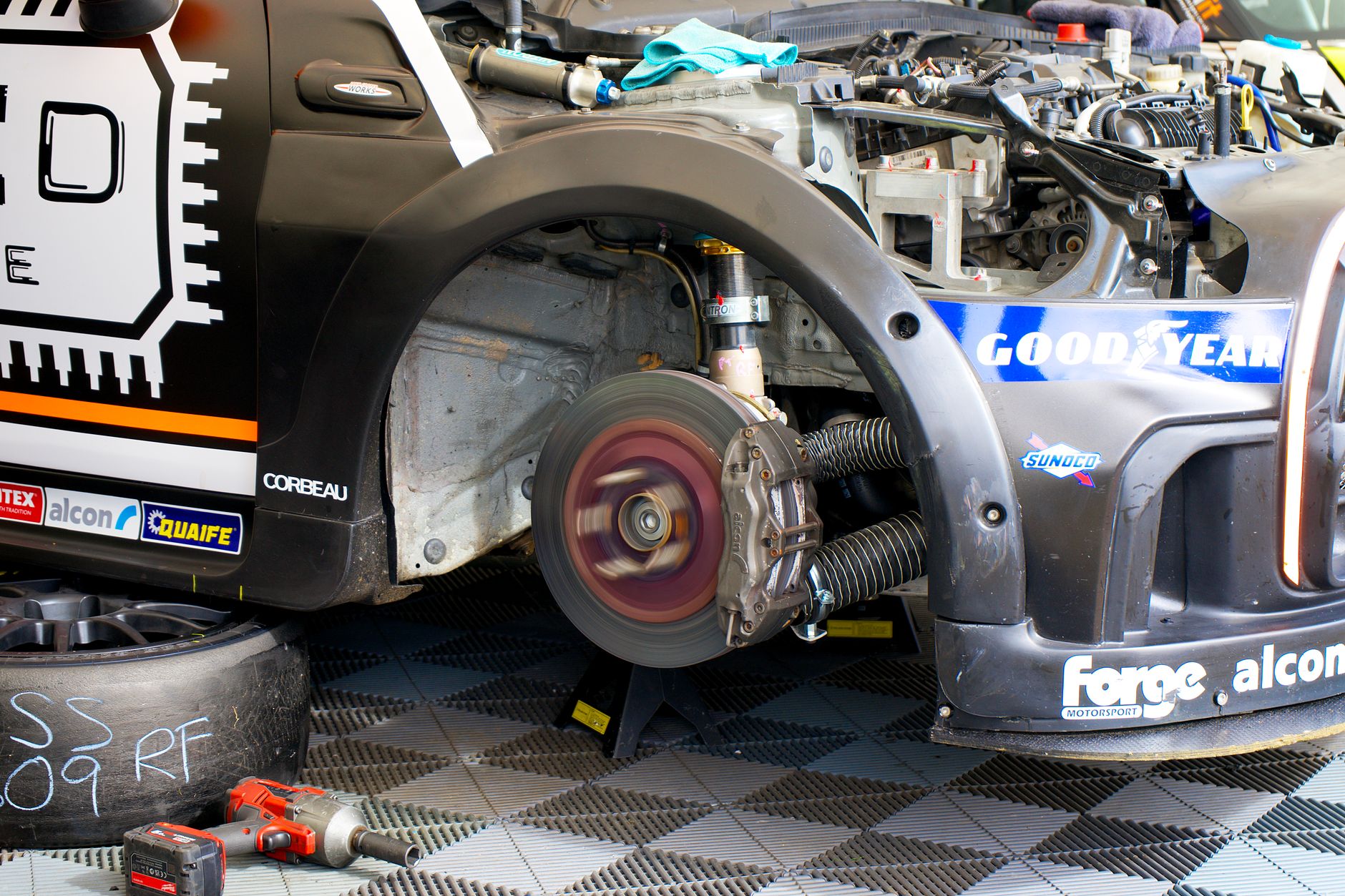
What are Brake Pads Made Of? The Ultimate Guide
what are brake pads made of

What are Brake Pads Made Of? The Ultimate Guide

Unravel the complex world of brake pad compositions and their critical role in your vehicle's safety and performance.

Explore Brake Pad Science

Key Takeaways

  • ✓ Brake pads convert kinetic energy into thermal energy through friction.
  • ✓ The primary types of brake pads are organic, metallic, ceramic, and semi-metallic.
  • ✓ Each material offers distinct advantages and disadvantages in terms of performance, noise, and longevity.
  • ✓ Choosing the right brake pad material is crucial for optimal braking performance and vehicle safety.

How It Works

1
Pedal Engagement

When you press the brake pedal, hydraulic fluid is pressurized and sent through brake lines to the calipers. This initiates the braking process, signaling the pads to engage.

2
Caliper Activation

The pressurized fluid forces the caliper pistons to extend, pushing the brake pads against the spinning brake rotor. This creates the necessary contact for deceleration.

3
Friction Generation

As the brake pads clamp down on the rotor, the friction material on the pads generates immense friction. This friction converts the vehicle's kinetic energy into heat, slowing it down.

4
Heat Dissipation

The heat generated must be effectively dissipated by the brake system to prevent overheating and brake fade. The material composition of the pads plays a crucial role in managing this heat.

The Fundamental Role of Brake Pads in Vehicle Safety
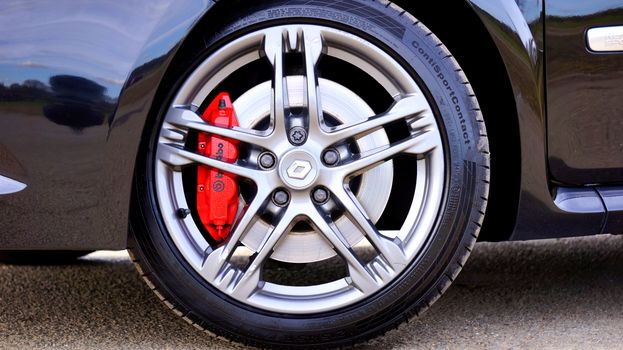
Detailed view of a Renault car wheel with a red brake caliper on display. Photo: Mike Bird / Pexels
At the heart of every vehicle's stopping system lies a deceptively simple yet profoundly complex component: the brake pad. These unassuming parts are your first line of defense against collisions, transforming kinetic energy into thermal energy through friction, and ultimately bringing your vehicle to a safe halt. But what are brake pads made of, and why does their composition matter so much? The answer is a fascinating journey into material science, engineering, and the delicate balance required for optimal performance and safety on the road. Understanding the materials used in brake pads is not merely an academic exercise; it's a critical piece of knowledge for any vehicle owner looking to make informed decisions about maintenance and upgrades. The friction material, which is the working surface of the brake pad, is a carefully formulated composite. It's not just a single material, but rather a blend of various elements, each contributing specific characteristics to the pad's overall performance. This blend determines everything from how quickly your car stops to how much noise your brakes make, and even how long they last. The demands placed on brake pads are immense: they must withstand extreme temperatures, incredible pressures, and constant abrasive forces, all while maintaining consistent friction levels across a wide range of operating conditions. From scorching summer highways to icy winter roads, brake pads must perform flawlessly, every single time. Without the right composition, brake pads could fail prematurely, lead to dangerous brake fade, or even cause excessive wear on other critical braking components like rotors. This intricate balance is why manufacturers invest heavily in research and development to create the ideal friction material for different applications. The primary goal is to achieve a balance between stopping power, durability, noise reduction, and rotor friendliness. For instance, a brake pad designed for a high-performance sports car will have a vastly different composition than one intended for a daily commuter sedan or a heavy-duty truck. Each application presents unique challenges, and the material science behind brake pads rises to meet them. As we delve deeper into the specific types of brake pad materials, you'll gain a greater appreciation for the engineering marvel that allows you to safely navigate the roads. Choosing the correct brake pad type for your vehicle and driving style is an essential aspect of responsible vehicle ownership, directly impacting your safety and the longevity of your braking system. For more on related components, explore our guide on understanding brake rotors.

Exploring the Main Types of Brake Pad Materials
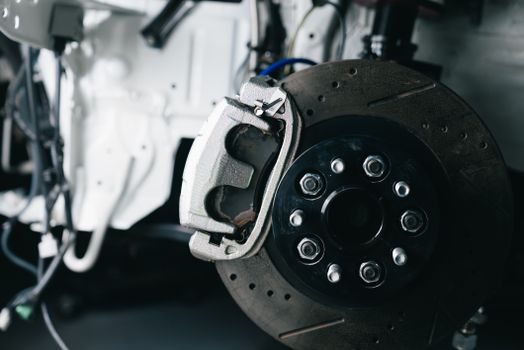
Detailed view of a car's brake caliper and disc in a workshop setting. Photo: Erik Mclean / Pexels
When asking what are brake pads made of, the conversation invariably centers around four primary categories: Non-Asbestos Organic (NAO), Semi-Metallic, Full Metallic, and Ceramic. Each type boasts a unique blend of ingredients, offering distinct performance characteristics tailored to different driving needs and vehicle types. **Non-Asbestos Organic (NAO) Brake Pads:** These pads represent an evolution from older asbestos-based formulations, which were phased out due to health concerns. NAO pads are typically composed of a mix of organic materials such as glass, rubber, carbon, and Kevlar, bound together by resins. They are known for being quiet and gentle on rotors, making them a popular choice for everyday driving in passenger vehicles. Their softer composition provides a comfortable pedal feel and good initial bite at lower temperatures. However, NAO pads tend to wear faster than other types, produce more dust, and can experience brake fade under heavy braking or high-temperature conditions due to their lower heat tolerance. They are generally the most affordable option, suitable for drivers who prioritize comfort and low noise over aggressive stopping power. **Semi-Metallic Brake Pads:** As their name suggests, semi-metallic pads incorporate a significant percentage of metallic fibers, typically 30-70% by weight, mixed with other materials like steel wool, iron, copper, and graphite, bonded with organic resins. This metallic content gives them superior braking performance, especially at higher temperatures and under heavy loads, compared to NAO pads. They offer excellent heat dissipation, making them more resistant to fade and providing a firmer pedal feel. This makes them a favored choice for trucks, SUVs, and performance-oriented vehicles. The trade-off is that semi-metallic pads can be noisier, produce more brake dust, and can cause more wear on rotors due to their harder composition. They also don't perform as well when cold, sometimes requiring a bit of warmth to reach their optimal friction levels. **Full Metallic Brake Pads:** These are less common for passenger vehicles and are predominantly found in heavy-duty applications or racing. Composed almost entirely of metals, often sintered together, they offer exceptional stopping power and heat resistance, enduring extreme conditions without significant fade. However, they are incredibly harsh on rotors, generate significant noise, and often require very high temperatures to work effectively, making them unsuitable for regular street use. Their cost is also considerably higher, and they can be very dusty. **Ceramic Brake Pads:** Representing a more advanced technology, ceramic brake pads are made from a dense ceramic material mixed with copper fibers, and other bonding agents. They were originally developed for racing applications but have become increasingly popular for street cars due to their outstanding balance of performance characteristics. Ceramic pads are exceptionally quiet, produce very little dust (and what dust they do produce is light-colored and less noticeable), and offer excellent stopping power across a wide range of temperatures. They are also very gentle on rotors, contributing to longer rotor life. Their main disadvantages are a higher cost compared to NAO and semi-metallic pads, and they sometimes offer a slightly less aggressive initial bite than metallic pads, especially when cold. However, their overall performance, cleanliness, and quiet operation make them a premium choice for many modern vehicles. Each material has its place in the automotive world, designed to meet specific demands and driving conditions, proving that the answer to what are brake pads made of is far from simple.

The Science Behind Brake Pad Performance and Wear Characteristics
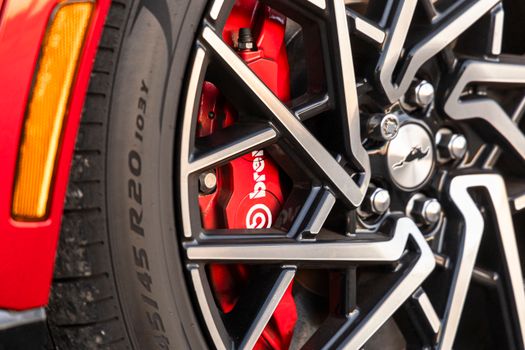
Detailed close-up of a red Brembo brake caliper and alloy wheel showcasing automotive technology. Photo: Jordan Rushton / Pexels
Beyond merely knowing what are brake pads made of, understanding the intricate science that dictates their performance and wear characteristics is crucial. The friction generated by brake pads isn't a simple mechanical process; it's a complex interaction of chemical bonding, mechanical abrasion, and thermal dynamics. When the brake pad makes contact with the rotor, microscopic particles of the pad material are transferred onto the rotor surface, forming a thin, sacrificial layer. The actual braking then occurs primarily through the friction between the pad and this transfer layer, rather than direct pad-to-rotor contact. This phenomenon is known as 'frictional film' or 'adherent friction,' and it's key to consistent and effective braking. The composition of the brake pad directly influences the formation and stability of this transfer layer. For example, ceramic pads are excellent at forming a stable, even transfer layer, which contributes to their quiet operation and low dust. Metallic pads, with their harder components, rely more on abrasive friction, which can be more effective at extreme temperatures but also contributes to increased noise and rotor wear. Heat management is another critical aspect of brake pad science. As kinetic energy is converted into thermal energy, brake pads can reach temperatures upwards of 1000°F (538°C) in extreme braking situations. If this heat isn't effectively dissipated, it can lead to 'brake fade,' a dangerous condition where the friction material loses its ability to generate sufficient friction, resulting in a significant reduction in stopping power. Different materials have varying thermal conductivity and heat resistance. Metallic components in semi-metallic pads help conduct heat away from the friction surface and into the rotor and caliper, aiding in heat dissipation. Ceramic materials, while excellent at resisting heat, tend to retain more heat within the pad itself, which needs to be managed by the overall braking system design. The wear rate of brake pads is also directly tied to their composition and the type of friction they generate. Softer materials, like those in NAO pads, wear down more quickly but are gentler on rotors. Harder, metallic pads offer greater longevity for the pad itself but can accelerate rotor wear. The balance between pad wear, rotor wear, and stopping power is a delicate engineering compromise that varies with each pad formulation. Furthermore, the environment plays a role. Moisture, road salt, and debris can all affect brake pad performance and wear. Brake pad manufacturers rigorously test their products under a multitude of conditions to ensure reliability and safety. Understanding these scientific principles allows us to appreciate why selecting the appropriate brake pad material is not just about cost or initial feel, but about optimizing the entire braking system for specific vehicle applications and driving conditions. For deeper insights into braking systems, check out our article on the importance of brake fluid maintenance.

Choosing the Right Brake Pads: Tips and Common Mistakes

Professional mechanic in blue coveralls inspecting car brakes in a well-lit garage. Photo: Gustavo Fring / Pexels
Selecting the correct brake pads for your vehicle is paramount for safety, performance, and long-term cost savings. Given the variety of materials and their distinct characteristics, making an informed choice can seem daunting. Here are some essential tips and common mistakes to avoid: **Tips for Choosing Brake Pads:** * **Consider Your Driving Style:** If you're a city driver with frequent stops, NAO or ceramic pads might be ideal for their quietness and low dust. For aggressive drivers, heavy haulers, or those who frequently drive in mountainous terrain, semi-metallic pads offer the necessary fade resistance and stopping power. * **Match Pads to Your Vehicle Type:** High-performance cars often benefit from ceramic or high-performance semi-metallic pads. Trucks and SUVs, due to their weight, typically require the robust performance of semi-metallic options. Passenger cars generally do well with quality NAO or ceramic pads. * **Prioritize Noise and Dust:** If brake noise and excessive dust are major concerns, ceramic pads are usually the best choice, offering a clean and quiet braking experience. * **Factor in Rotor Compatibility:** While most pads are designed to be rotor-friendly, harder metallic pads can accelerate rotor wear. If extending rotor life is a priority, ceramic or NAO pads are preferable. * **Consult Your Owner's Manual or Mechanic:** Your vehicle's manufacturer specifies the recommended brake pad type. When in doubt, a trusted mechanic can provide expert advice tailored to your specific vehicle and driving conditions. * **Don't Solely Rely on Price:** While budget is a factor, opting for the cheapest pads often means compromising on safety and longevity. Invest in quality pads that meet your vehicle's requirements. **Common Mistakes to Avoid:** * **Mixing Pad Types:** Never install different types of brake pads on the same axle (e.g., semi-metallic on one side, ceramic on the other). This can lead to uneven braking, pulling, and dangerous instability. * **Ignoring Brake Pad Warning Signs:** Squealing, grinding, a soft pedal, or a vibrating steering wheel are all indicators that your brake pads need attention. Delaying replacement can lead to more extensive and costly repairs. * **Assuming All "Performance" Pads are Equal:** Not all performance pads are suitable for street use. Some aggressive racing pads require high operating temperatures to work effectively and can be dangerous on the road. * **Neglecting Rotor Inspection:** Always inspect your rotors when replacing pads. Worn or warped rotors can quickly damage new pads and compromise braking performance. Sometimes, turning or replacing rotors is necessary. * **Improper Bedding-In:** New brake pads require a proper 'bedding-in' procedure to transfer a uniform layer of friction material to the rotor. Skipping this step can lead to reduced performance, noise, and premature wear. Follow the manufacturer's instructions carefully. By understanding what are brake pads made of and making an informed decision, you ensure your vehicle's braking system operates at its best, providing you with confidence and safety on every journey.

Comparison

FeatureCeramic PadsSemi-Metallic PadsNAO (Organic) Pads
Noise LevelVery LowModerate to HighLow
Brake DustVery Low (Light Color)Moderate to High (Dark Color)Moderate (Dark Color)
Rotor WearVery LowModerate to HighLow
Stopping Power (Cold)GoodGoodVery Good
Stopping Power (Hot/Fade Resistance)ExcellentExcellentFair
LifespanLongModerate to LongShort
CostHighModerateLow

What Readers Say

"After upgrading to ceramic pads, the difference in my daily commute is night and day. No more annoying squeals, and the brake dust is practically invisible, making my wheels stay cleaner longer."

David R. · Austin, TX

"I drive a heavy SUV and switched to semi-metallic brake pads. The confidence I feel on mountain descents is incredible; the stopping power is consistent and reliable, even under heavy braking. Knowing what are brake pads made of really helped my decision."

Sarah K. · Denver, CO

"My mechanic recommended organic pads for my older sedan, and they've been perfect. Quiet, smooth, and exactly what my car needed for city driving. Plus, they were very affordable."

Michael L. · Miami, FL

"I chose ceramic pads for my sports car for the low dust and quietness, and they deliver. While the initial bite isn't as aggressive as the metallic pads I had before, the overall performance and cleanliness are a worthwhile trade-off for street use."

Jessica T. · Seattle, WA

"Running a small delivery fleet, I need durable and reliable brakes. Understanding what are brake pads made of helped me select the right semi-metallic options for my vans, significantly reducing downtime and improving safety for my drivers."

Robert M. · Chicago, IL

Frequently Asked Questions

What are brake pads made of primarily, and why are there different types?

Brake pads are primarily made of composite materials, categorized into Non-Asbestos Organic (NAO), Semi-Metallic, Full Metallic, and Ceramic. These different types exist because each offers a unique balance of stopping power, heat resistance, noise, dust production, and lifespan, tailored for various vehicle types and driving conditions.

Are ceramic brake pads always the best choice?

While ceramic brake pads offer many advantages, such as quiet operation, low dust, and excellent rotor friendliness, they are not always the 'best' choice for every application. For heavy-duty vehicles or aggressive driving, semi-metallic pads might offer superior fade resistance and initial bite. The best choice depends on your specific vehicle and driving needs.

How do I know which type of brake pad is currently on my car?

The easiest way to determine your current brake pad type is to consult your vehicle's service records or ask your mechanic. You can also sometimes identify them by visual inspection (e.g., semi-metallic pads often have visible metallic flakes), or by noting their performance characteristics like noise and dust levels, but professional verification is always recommended.

How much do different brake pad materials cost?

Generally, Non-Asbestos Organic (NAO) pads are the most affordable, followed by semi-metallic pads in the mid-range. Ceramic brake pads are typically the most expensive due to their advanced materials and performance benefits. Full metallic pads, while specialized, can also be quite costly.

Can I mix different types of brake pads on my vehicle?

No, you should never mix different types of brake pads on the same axle of your vehicle. This can lead to uneven braking performance, premature wear, and potentially dangerous handling characteristics, as different materials have varying friction coefficients and heat dissipation properties.

Who should consider using semi-metallic brake pads?

Semi-metallic brake pads are ideal for drivers of trucks, SUVs, and performance vehicles, or anyone who frequently carries heavy loads, drives in mountainous areas, or engages in aggressive driving. Their superior heat resistance and consistent stopping power make them suitable for demanding conditions.

Do certain brake pad materials cause more wear on rotors?

Yes, harder brake pad materials, particularly semi-metallic and full metallic pads, tend to cause more wear on brake rotors due to their abrasive nature. Ceramic and Non-Asbestos Organic (NAO) pads are generally much gentler on rotors, contributing to longer rotor lifespan.

What are brake pads made of in the future – any new materials?

Future brake pad developments are focusing on even more environmentally friendly materials, enhanced noise reduction, and improved performance across all temperature ranges. Research includes advanced composites, new ceramic formulations, and friction materials that further reduce particulate emissions, aiming for a balance of sustainability, comfort, and safety.

Now that you understand what are brake pads made of and the science behind them, you're empowered to make the best choice for your vehicle. Don't compromise on safety – choose the right brake pads to ensure optimal stopping power and peace of mind on every journey.

Topics: what are brake pads made ofbrake pad materialsceramic brake padsmetallic brake padsorganic brake pads
Leo List
Brampton weed
Adultwork EstrelaBet Vai de Bet R7 Bet Betão Galera Bet Rainbet Bet9ja Shop SportyBet BetKing Sisal Loto Foot Hollywoodbets YesPlay Odibets RushBet Jugabet BetWarrior BetCity MSport betPawa Fortebet