DIY Brake Pads: How to Replace Brake Pads Yourself Safely
how to replace brake pads yourself

DIY Brake Pads: How to Replace Brake Pads Yourself Safely

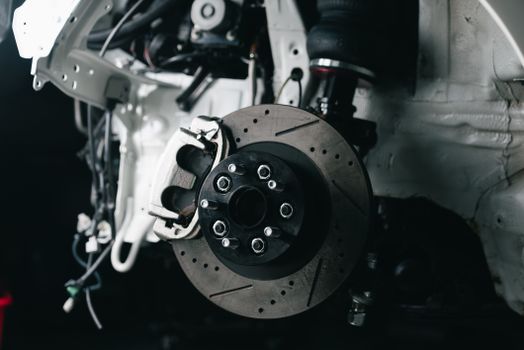
Detailed view of a vehicle's disc brake system with caliper, showcasing automotive technology.Photo: Erik Mclean / Pexels

DIY Brake Pads: How to Replace Brake Pads Yourself Safely

Empower yourself to maintain your vehicle's most critical safety system and save significant money on auto repairs.

Start Your Repair Now

Key Takeaways

  • ✓ Replacing brake pads yourself can save you hundreds of dollars compared to professional service.
  • ✓ Regular brake pad inspection and replacement are crucial for vehicle safety and performance.
  • ✓ Most brake pad replacements can be completed with basic tools and some mechanical aptitude.
  • ✓ Ignoring worn brake pads can lead to more costly damage to rotors and calipers.

How It Works

1
Gather Tools & Safety Gear

Before starting, ensure you have all necessary tools like a jack, jack stands, lug wrench, and appropriate safety equipment. Preparation is key to a smooth and safe replacement process.

2
Lift Vehicle & Remove Wheel

Safely lift your vehicle using a jack and secure it with jack stands. Once the vehicle is stable, use a lug wrench to remove the wheel, exposing the brake assembly.

3
Remove Old Brake Pads

Carefully unbolt the caliper, retract the caliper piston, and slide out the old brake pads. Pay attention to how the old pads are seated and the orientation of any hardware.

4
Install New Pads & Reassemble

Install the new brake pads and hardware, ensuring proper fitment. Reassemble the caliper, remount the wheel, and repeat the process for other wheels as needed.

Understanding Your Brake System: Why Replacement Matters
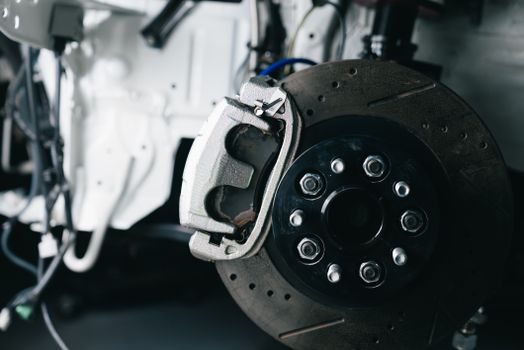
Detailed view of a car's brake caliper and disc in a workshop setting.Photo: Erik Mclean / Pexels
Before diving into the practical steps of how to replace brake pads yourself, it’s essential to understand the fundamental role your brake system plays in your vehicle's safety. Your car's brakes are arguably its most critical safety component, designed to convert kinetic energy (motion) into thermal energy (heat) through friction, bringing your vehicle to a controlled stop. This process relies heavily on the brake pads, which are sacrificial components designed to wear down over time. Made from various materials, brake pads press against the brake rotors (discs) when you depress the brake pedal, creating the necessary friction. Ignoring worn brake pads isn't just a minor inconvenience; it's a significant safety hazard. As pads wear thin, their ability to generate sufficient friction diminishes, leading to longer stopping distances and reduced braking efficiency. This can be particularly dangerous in emergency braking situations. Furthermore, excessively worn pads can cause metal-on-metal contact between the caliper and rotor, leading to irreversible damage to your brake rotors. Replacing rotors is a significantly more expensive and complex job than just replacing pads. Beyond safety, worn brake pads can also impact your driving experience. You might notice a grinding or squealing noise when braking, a pulsating brake pedal, or a general reduction in braking responsiveness. These are all indicators that your brake pads are nearing the end of their lifespan and require attention. By learning how to replace brake pads yourself, you empower yourself to address these issues proactively, ensuring optimal vehicle performance and, most importantly, your safety and the safety of those around you. Regular inspection, typically recommended every 10,000 to 12,000 miles or during tire rotations, is key to catching wear early. Don't wait for warning signs; proactive maintenance is always the best approach when it comes to your brakes. Understanding these basics sets a strong foundation for a successful DIY brake pad replacement. For more detailed insights into different brake components, explore our guide on understanding car brake components.

Gathering Your Tools and Parts: What You'll Need
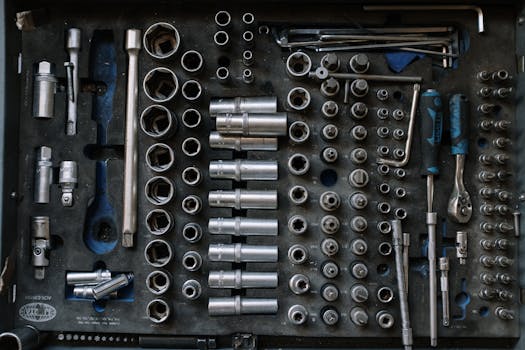
Flat lay of a complete toolset neatly organized in a workshop setting, essential for auto repair tasks.Photo: cottonbro studio / Pexels
Successfully learning how to replace brake pads yourself hinges on proper preparation, and that starts with having the right tools and parts. Don't attempt this job without everything you need readily available, as stopping mid-task to find a missing tool can be frustrating and potentially unsafe. First, let's talk about the essential tools. You'll need a reliable floor jack to lift your vehicle and, critically, a pair of sturdy jack stands to safely support it. Never work under a vehicle supported only by a jack. A lug wrench (or impact wrench) is necessary to remove your wheels. For the brake assembly itself, you'll typically need a set of metric or SAE sockets and wrenches, a C-clamp or specialized brake caliper piston tool to retract the caliper piston, a wire brush for cleaning, and possibly a torque wrench to ensure all bolts are tightened to manufacturer specifications. Safety glasses and gloves are also non-negotiable personal protective equipment. Next, the parts. The most obvious item is, of course, new brake pads. Ensure you purchase the correct pads for your specific vehicle's make, model, and year. There are various types of pads—ceramic, semi-metallic, and organic—each with different characteristics regarding performance, noise, and dust. Research which type is best suited for your driving habits and vehicle. It's also highly recommended to replace brake rotors when you replace pads, especially if the rotors show signs of significant wear (grooves, warping, or thinness). If you choose not to replace rotors, at a minimum, they should be inspected for wear and potentially resurfaced by a professional to ensure a smooth, even surface for the new pads. New brake pad hardware kits (clips, springs, shims) are inexpensive and often included with quality pads; always replace these as they play a vital role in proper pad movement and noise reduction. Finally, a can of brake cleaner spray will help remove dirt and grease, and a small tube of high-temperature brake lubricant (specifically for caliper pins and pad backing plates, not the pad friction material) is essential for smooth operation and preventing squeaks. Having these items organized and ready will make the process of how to replace brake pads yourself much more efficient and effective.

Step-by-Step Guide: How to Replace Brake Pads Yourself

Now for the hands-on part: a detailed, step-by-step guide on how to replace brake pads yourself. Remember to take your time and follow each instruction carefully. **Step 1: Prepare Your Vehicle and Workspace.** Park your car on a flat, level surface. Engage the parking brake. If you're working on the front brakes, consider placing wheel chocks behind the rear wheels. If working on the rear, chock the front wheels. Loosen the lug nuts on the wheel(s) you'll be working on, but don't remove them yet. Just break them free. **Step 2: Lift and Secure the Vehicle.** Position your floor jack under the vehicle's designated jacking point (refer to your car's owner's manual). Lift the vehicle until the wheel is off the ground. Place jack stands under the appropriate support points near the jack, then slowly lower the vehicle onto the jack stands. This is crucial for safety. Once the vehicle is securely on the stands, remove the lug nuts completely and take off the wheel. **Step 3: Inspect and Disassemble the Caliper.** With the wheel removed, you'll see the brake assembly: the caliper, brake pads, and rotor. Observe how everything is assembled before taking it apart. Identify the caliper bolts (usually two, located on the back of the caliper). Using the appropriate wrench or socket, remove these bolts. Once the bolts are out, the caliper should be able to pivot or slide off the rotor. You might need to gently pry it. Do *not* let the caliper hang by its brake hose; this can damage the hose. Use a bungee cord or wire to suspend it from the suspension strut or coil spring. Now you can remove the old brake pads, noting their orientation and any shims or clips. **Step 4: Retract the Caliper Piston.** This is a critical step. The new pads are thicker than the old ones, so the caliper piston needs to be pushed back into its housing to accommodate them. For most single-piston calipers, a C-clamp works well. Place an old brake pad (or a flat piece of metal) against the piston to protect it, then tighten the C-clamp to slowly push the piston back in. For rear brakes, particularly those with integrated parking brakes, you might need a specialized brake caliper piston tool that rotates and pushes the piston simultaneously. Be slow and steady. As you retract the piston, brake fluid will be pushed back into the master cylinder reservoir, so keep an eye on the fluid level to prevent overflow. **Step 5: Clean and Install New Hardware and Pads.** Use a wire brush to clean the caliper bracket where the new pad hardware will sit. Apply a thin layer of high-temperature brake lubricant to the contact points where the new hardware will rest and where the pad ears slide. Install the new anti-rattle clips or shims from your hardware kit. Now, carefully insert the new brake pads into the caliper bracket, ensuring they are oriented correctly (friction material facing the rotor). Apply a very thin layer of brake lubricant to the metal backing plates of the new pads where they contact the caliper piston and caliper fingers, but absolutely keep it off the friction material. **Step 6: Reassemble the Brake Caliper.** Carefully slide the caliper back over the new pads and rotor. Reinstall the caliper bolts and tighten them to your vehicle's manufacturer-specified torque settings. This is where a torque wrench is invaluable. **Step 7: Remount Wheel and Repeat.** Remount the wheel, hand-tighten the lug nuts, and then lower the vehicle off the jack stands. Fully tighten the lug nuts in a star pattern to the manufacturer's specified torque. Repeat the entire process for the other wheels as needed. **Step 8: Bed-In Procedure.** After everything is reassembled, pump the brake pedal several times *before* starting the engine. This will push the caliper pistons out and seat the new pads against the rotors, restoring pedal pressure. Once the pedal feels firm, start the engine and pump again. Finally, perform a proper 'bed-in' procedure for your new pads. This typically involves several moderate stops from around 30-40 mph, followed by several harder stops from 50-60 mph, without coming to a complete stop, allowing the brakes to cool between runs. Consult your new brake pad manufacturer's instructions for their specific bed-in recommendations. This crucial step optimizes pad performance and longevity. For a deeper dive into proper vehicle lifting techniques, check out our guide on safe car jacking practices.

Common Mistakes and Expert Tips for DIY Brake Pad Replacement

Learning how to replace brake pads yourself is a rewarding experience, but it's also prone to common pitfalls if not approached with care. Avoiding these mistakes and incorporating expert tips will ensure a safer and more successful outcome. **Common Mistakes to Avoid:** * **Not using jack stands:** This is the number one safety mistake. Never rely solely on a hydraulic jack to support your vehicle. * **Letting the caliper hang:** Allowing the caliper to dangle by its brake hose can damage the hose, leading to brake fluid leaks and potential brake failure. Always support it. * **Not retracting the piston properly:** Forcing the piston or not retracting it fully will make it impossible to fit the new, thicker pads. Using the wrong tool for rear calipers with integrated parking brakes is another common error. * **Contaminating the friction material:** Getting grease, oil, or even brake fluid on the new pad's friction surface can severely reduce its effectiveness and cause squealing. * **Skipping the bed-in procedure:** New pads and rotors need to be 'bedded-in' to transfer a thin layer of pad material onto the rotor surface, ensuring optimal performance and preventing noise. * **Over-tightening or under-tightening bolts:** Caliper bolts and lug nuts must be torqued to manufacturer specifications. Over-tightening can strip threads or break bolts; under-tightening can lead to components coming loose. * **Not replacing hardware:** Reusing old, rusty, or bent hardware can lead to premature wear, noise, and improper pad movement. **Expert Tips for Success:** * **Work on one wheel at a time:** This allows you to reference the assembled side if you forget how something goes back together. * **Clean everything:** Use brake cleaner and a wire brush to remove rust and grime from the caliper bracket and hub surface. This ensures proper fitment and reduces the chance of noise. * **Lubricate correctly:** Use high-temperature brake lubricant only on the caliper slide pins, the back of the brake pads (where they contact the caliper), and the contact points for the anti-rattle clips. Keep it off the rotor and pad friction material. * **Check brake fluid:** As you retract the caliper pistons, the brake fluid level in the master cylinder reservoir will rise. Be prepared to remove a small amount of fluid with a turkey baster if it gets too high, but never let it drop below the 'MIN' line. * **Invest in quality parts:** Cheaper brake pads might save you money upfront, but they can lead to premature wear, excessive dust, and poor braking performance. * **Bleed the brakes if necessary:** If you open any brake lines or replace a caliper, you will absolutely need to bleed the brake system to remove air. For a standard pad replacement, this is usually not necessary unless you encounter issues. * **Test drive cautiously:** After completing the job, perform a cautious test drive in a safe area, gradually increasing braking force to ensure everything is working correctly before resuming normal driving. Listen for any unusual noises or feelings. By following these tips and avoiding common mistakes, you'll gain confidence in your ability to handle this essential automotive maintenance task.

Comparison

FeatureDIY Pad ReplacementProfessional ServiceDealership Service
Cost (Parts)MediumMediumMedium
Cost (Labor)FreeHighVery High
Time Investment2-4 Hours1-2 Hours1-3 Hours
Learning CurveMediumNoneNone
Control over Parts
Warranty on Labor
ConvenienceSchedule your ownDrop-off/PickupDrop-off/Pickup
Tools RequiredSpecific SetSpecialized ShopSpecialized Shop

What Our Readers Say

5 ★★★★★

"I used this guide to replace brake pads myself on my Honda Civic, and it was incredibly detailed. I saved over $300 compared to the local shop quote. The car stops perfectly now!"

5 ★★★★★

"As a first-timer, I was nervous about tackling my brakes. This article broke down how to replace brake pads yourself into easy, manageable steps. Felt so accomplished afterwards!"

5 ★★★★★

"The safety tips and tool list were spot on. I replaced pads and rotors on my F-150 following this guide, and the entire process took about 3 hours per axle. Fantastic results and huge savings."

4 ★★★★☆

"The guide was mostly excellent, though I did need a special tool for my specific car's rear caliper piston that wasn't explicitly mentioned for all vehicles. Still, the general steps for how to replace brake pads yourself were very helpful."

5 ★★★★★

"I've always paid mechanics for brake jobs, but with this guide, I learned how to replace brake pads myself. The detailed instructions on the bed-in process made a noticeable difference in brake feel."

Frequently Asked Questions

How often should I replace brake pads?
Brake pad lifespan varies significantly depending on driving habits, vehicle type, and pad material, but generally ranges from 25,000 to 70,000 miles. It's recommended to inspect them every 10,000-12,000 miles or during tire rotations to monitor wear.
Is it safe to replace brake pads myself?
Yes, it is safe to replace brake pads yourself if you follow proper safety procedures, use the correct tools, and understand the steps involved. Always use jack stands, wear safety glasses, and refer to your vehicle's service manual for specific torque specifications.
Do I need to replace brake rotors when I replace pads?
While not always strictly necessary, it's highly recommended to at least have your rotors inspected and potentially resurfaced or replaced when installing new pads. New pads on worn or warped rotors can lead to premature wear, noise, and reduced braking performance.
How much does it cost to replace brake pads myself versus professionally?
Replacing brake pads yourself typically costs only the price of the parts, which can range from $30-$100 per axle for pads, plus potentially $50-$150 for rotors. Professional service can add $150-$300+ in labor per axle, making DIY a significant cost-saver.
What's the difference between ceramic, semi-metallic, and organic brake pads?
Ceramic pads offer quiet operation, low dust, and good performance for daily driving. Semi-metallic pads provide excellent stopping power and heat dissipation, ideal for heavier vehicles or aggressive driving, but can be noisier and produce more dust. Organic pads are quieter and produce less dust but have lower heat resistance and stopping power.
Who should attempt to replace brake pads themselves?
Individuals with basic mechanical aptitude, a willingness to learn, and access to the necessary tools can successfully replace brake pads themselves. It's a great entry-level automotive repair for those looking to save money and gain confidence in vehicle maintenance.
What are the risks of not replacing worn brake pads?
Ignoring worn brake pads significantly increases stopping distances, making your vehicle unsafe. It can also lead to metal-on-metal contact, severely damaging brake rotors and calipers, which results in much more expensive repairs than just replacing the pads.
Are there any advanced brake systems that make DIY replacement harder?
Yes, some modern vehicles, especially those with electronic parking brakes (EPB) or advanced driver-assistance systems (ADAS), may require specialized diagnostic tools to retract caliper pistons or recalibrate systems after brake service. Always research your specific vehicle's requirements.

Empower yourself by learning how to replace brake pads yourself. Not only will you save money, but you'll gain invaluable knowledge and confidence in maintaining your vehicle's crucial safety system. Take the first step towards becoming your own automotive expert today!

Topics: how to replace brake pads yourselfDIY brake pad replacementcar brake repairautomotive maintenancebrake pad installation
Leo List
Brampton weed
Adultwork