Where to Buy Toyota Camry Brake Rotors: Your Ultimate Guide
June 24, 2026 16 min read 3,238 words
Unlock superior stopping power and safety for your Toyota Camry with our comprehensive guide to finding the best brake rotors.
Find Your Rotors Now
Understanding Toyota Camry Brake Rotors: Why Quality Matters
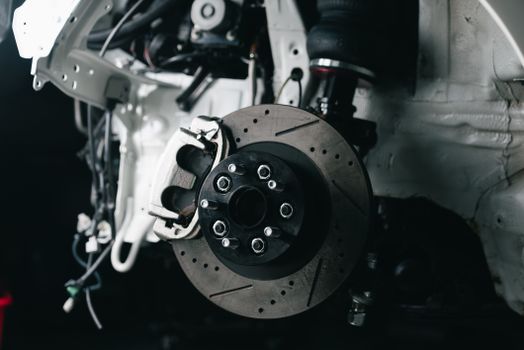 Photo: Erik Mclean / Pexels
When you think about the safety and performance of your Toyota Camry, few components are as critical as the brake rotors. These flat, rotating discs are what your brake pads clamp down on to create the friction necessary to slow and stop your vehicle. They are subjected to immense heat and pressure every time you hit the brake pedal, making their quality, material, and design paramount. Ignoring the condition of your brake rotors is not just a performance issue; it's a significant safety concern. Worn, warped, or cracked rotors can lead to extended stopping distances, vibrations during braking, and even complete brake failure in extreme cases. For a vehicle as reliable and widely used as the Toyota Camry, ensuring its braking system is in top-notch condition is non-negotiable.
But what exactly constitutes a 'quality' brake rotor? It's more than just a piece of metal. Quality in brake rotors refers to the materials used, the manufacturing process, and the design features that enhance heat dissipation, resist warping, and prolong lifespan. Standard rotors are typically made from cast iron, which offers a good balance of durability and cost-effectiveness. However, advancements in automotive technology have introduced a variety of options, including drilled, slotted, and ceramic-coated rotors, each offering distinct advantages. Drilled rotors, for instance, feature holes that help dissipate heat and gases, reducing brake fade. Slotted rotors have grooves that sweep away debris and maintain consistent pad contact. Ceramic-coated rotors, often found in performance applications, offer superior heat resistance and reduced brake dust. Understanding these differences is the first step in making an informed decision when you need to
upgrade your car's brakes or replace existing components.
The market for Toyota Camry brake rotors is vast, with options ranging from original equipment manufacturer (OEM) parts to a plethora of aftermarket brands. While OEM rotors are designed to meet the exact specifications of your Camry as it rolled off the assembly line, aftermarket options can often provide enhanced performance, better durability, or more budget-friendly alternatives. The key is to distinguish between reputable aftermarket brands that invest in research and development and those that cut corners. A high-quality rotor will not only fit perfectly but also perform consistently under various driving conditions, from daily commuting to emergency stops. It will resist premature wear and warping, ensuring a smooth, confident braking experience for thousands of miles. Ultimately, investing in quality brake rotors for your Toyota Camry is an investment in your safety and the longevity of your vehicle's braking system.
Types of Brake Rotors for Your Toyota Camry: Choosing the Right Fit
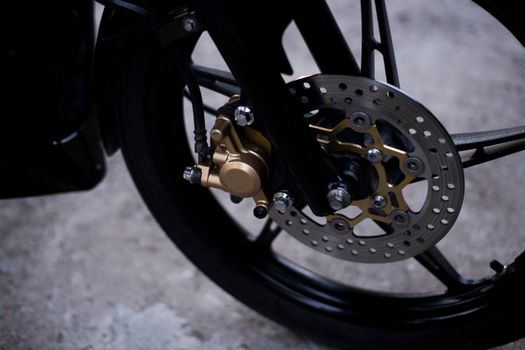 Photo: Nguyễn Bin Exciter / Pexels
When it comes time to buy Toyota Camry brake rotors, you'll quickly discover that there isn't a one-size-fits-all solution. The market offers a diverse range of rotor types, each designed with specific performance characteristics and price points in mind. Making the right choice depends heavily on your driving style, local climate, and performance expectations. Let's explore the most common types available for your Camry:
**1. Standard/OEM Rotors:** These are the most common type, typically made from solid or vented cast iron. They are designed to meet or exceed the original specifications of your Camry. OEM rotors offer reliable performance for everyday driving, a good balance of cost and durability, and are generally quiet. If you're looking for a direct replacement that performs just like the factory-installed parts, OEM or equivalent standard aftermarket rotors are an excellent choice. They are perfect for drivers who prioritize comfort and consistent performance without needing extreme braking capabilities.
**2. Drilled Rotors:** Characterized by small holes drilled through the rotor surface, these are engineered to improve heat dissipation and reduce brake fade, especially during aggressive driving or extended braking periods. The holes also help to vent gasses that can build up between the pad and rotor, maintaining a more consistent braking surface. While offering enhanced performance, drilled rotors can sometimes be more prone to cracking under extreme thermal stress due to the interruption of the metal's integrity. However, for a spirited daily driver or someone who experiences frequent heavy braking, they can provide a noticeable improvement.
**3. Slotted Rotors:** These rotors feature grooves or slots machined into the surface. Their primary function is to sweep away brake dust, water, and gasses that can accumulate between the brake pad and rotor. This action helps to maintain consistent contact and improve initial bite, especially in wet conditions. Slotted rotors are less prone to cracking than drilled rotors because they don't remove as much material, making them a durable performance upgrade. They are a great choice for drivers seeking improved wet weather performance and a slight edge in braking response without the potential durability concerns of drilled rotors.
**4. Drilled and Slotted Rotors:** Combining the benefits of both designs, these rotors aim to maximize heat dissipation, gas venting, and debris removal. They offer a significant performance upgrade over standard rotors, making them popular among enthusiasts and those who demand the best possible braking performance from their Camry. While they offer superior performance, they can also be the most expensive option and may produce slightly more brake pad wear due to the aggressive surface.
**5. Ceramic-Coated Rotors:** Often found in high-performance or luxury vehicles, ceramic-coated rotors are designed for extreme durability, reduced brake dust, and exceptional heat resistance. While a full ceramic rotor might be overkill and cost-prohibitive for most Camry owners, ceramic-coated versions offer many of these benefits at a more accessible price point. They are excellent for drivers who prioritize longevity, quiet operation, and a clean wheel appearance. However, they may require specific ceramic brake pads to achieve optimal performance.
Choosing the right type involves balancing cost, performance, and your specific driving needs. Researching reputable brands that specialize in each type is crucial to ensure you get a high-quality product that will perform reliably on your Toyota Camry.
Where to Buy Toyota Camry Brake Rotors: Top Sources & Considerations
 Photo: Sergey Meshkov / Pexels
Once you've decided on the type of brake rotors that best suit your Toyota Camry, the next crucial step is finding a reliable place to purchase them. The market offers a multitude of options, each with its own advantages and disadvantages. Navigating these choices wisely will ensure you get genuine, high-quality parts at a fair price. Here's a breakdown of the top sources and key considerations when you're ready to buy Toyota Camry brake rotors:
**1. Dealerships (OEM Parts):** Your local Toyota dealership is a guaranteed source for Original Equipment Manufacturer (OEM) brake rotors. These parts are identical to what came with your Camry from the factory, ensuring perfect fitment and performance. The primary advantage is peace of mind, knowing you're getting a part specifically designed and tested by Toyota. The downside is often the cost, as dealership parts tend to be the most expensive option. However, they typically come with a robust warranty. This is an excellent choice if you prioritize original quality and are willing to pay a premium.
**2. Online Auto Parts Retailers:** Websites like RockAuto, AutoZone (online), O'Reilly Auto Parts (online), PartsGeek, and Amazon offer an extensive selection of aftermarket brake rotors for the Toyota Camry. These platforms typically feature competitive pricing, a vast array of brands (from budget-friendly to premium performance), and often detailed product descriptions and customer reviews. The convenience of shopping from home and having parts delivered directly to your door is a major plus. When shopping online, always verify the year, make, and model compatibility using their vehicle fitment tools. Look for detailed specifications, customer ratings, and return policies. Some reputable aftermarket brands frequently found here include Akebono, Brembo, Raybestos, StopTech, and Power Stop. Many of these brands offer direct-fit replacements that often exceed OEM performance or durability, presenting a great value proposition. For instance, you might find a performance-oriented drilled and slotted set for a similar price to OEM plain rotors.
**3. Local Auto Parts Stores:** Physical stores like AutoZone, O'Reilly Auto Parts, Advance Auto Parts, and NAPA Auto Parts are convenient options, especially if you need the parts immediately. You can speak with staff, who can help you identify the correct rotors for your Camry, and you can often inspect the product before purchasing. While their selection might not be as vast as online retailers, they usually stock popular OEM-equivalent and some performance aftermarket options. They also offer the benefit of easy returns if there's a fitment issue. Price-matching might be available, so it's worth asking.
**4. Specialty Performance Shops:** If you're looking for high-performance brake rotors (e.g., track-oriented or specific big brake kits), specialty performance shops, both online and brick-and-mortar, are your best bet. These shops often carry premium brands like Brembo, StopTech, and EBC, which might not be readily available at general auto parts stores. They can also offer expert advice on performance upgrades and compatibility with other braking components like
high-performance brake pads. Be prepared for higher prices, as these components are designed for demanding applications.
**Key Considerations When Buying:**
* **Compatibility:** Always double-check fitment with your Camry's year, make, model, and engine size. Some models may have different brake sizes based on trim level or factory options.
* **Warranty:** Understand the warranty offered by the manufacturer and the seller. A good warranty indicates confidence in the product's quality.
* **Return Policy:** Ensure the seller has a clear and reasonable return policy in case of incorrect parts or defects.
* **Reviews:** Read customer reviews, but take them with a grain of salt. Look for patterns in feedback regarding durability, noise, and performance.
* **Shipping Costs/Time:** Factor in shipping costs and delivery time, especially if you need the parts urgently.
By carefully considering these sources and factors, you can confidently buy Toyota Camry brake rotors that meet your needs and budget, ensuring your vehicle remains safe and performs optimally.
Installation Tips & Common Mistakes When Replacing Camry Brake Rotors
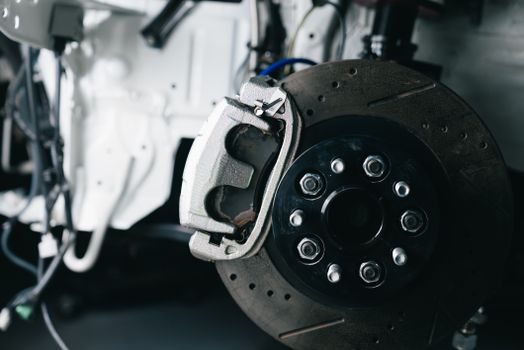 Photo: Erik Mclean / Pexels
Replacing your Toyota Camry brake rotors can be a rewarding DIY project for the mechanically inclined, or a straightforward job for a professional mechanic. However, regardless of who performs the installation, understanding the process and knowing common pitfalls can save time, money, and ensure your new rotors perform optimally. Proper installation is just as critical as selecting the right parts when you buy Toyota Camry brake rotors.
**Essential Installation Tips:**
1. **Safety First:** Always use jack stands to support your Camry after lifting it. Never rely solely on a jack. Wear appropriate safety gear, including gloves and eye protection.
2. **Clean Everything Thoroughly:** Before installing new rotors, meticulously clean the hub assembly where the rotor mounts. Rust, dirt, or old anti-seize can cause the new rotor to sit unevenly, leading to runout (wobble) and premature warping or pulsation. Use a wire brush and brake cleaner for this step.
3. **Use Anti-Seize:** Apply a thin, even coat of anti-seize compound to the hub face before mounting the new rotor. This prevents the rotor from seizing to the hub in the future, making removal much easier.
4. **Install New Hardware:** Many rotor kits come with new clips and bolts. Always use them. Old, corroded hardware can compromise the integrity of the braking system.
5. **Bleed the Brakes (if lines were opened):** If you open the brake lines for any reason (e.g., replacing calipers), you MUST bleed the brake system to remove air, which can cause a spongy pedal and reduce braking effectiveness.
6. **Torque Specifications:** Tighten all bolts (caliper bolts, wheel nuts) to the manufacturer's specified torque settings using a torque wrench. Overtightening can strip threads or stress components, while undertightening can lead to loose parts and dangerous situations. Consult your Camry's service manual.
7. **Break-In Procedure (Bedding-In):** This is perhaps the most overlooked but crucial step. New rotors and pads need to be properly bedded-in to transfer a thin, even layer of friction material from the pads to the rotors. This process optimizes braking performance, reduces noise, and prevents glazing. Follow the manufacturer's recommended break-in procedure, which typically involves a series of moderate stops from varying speeds, allowing the brakes to cool between cycles.
**Common Mistakes to Avoid:**
* **Not Cleaning the Hub:** As mentioned, this is a leading cause of brake pulsation shortly after installation. Even a tiny speck of rust can cause problems.
* **Reusing Old Hardware:** Old caliper bolts can be stretched or corroded, increasing the risk of failure.
* **Forgetting to Torque:** Incorrect torque can lead to dangerous situations, from wheels falling off to brake components failing.
* **Skipping the Bedding-In Process:** Failing to properly bed-in new rotors and pads can lead to reduced braking performance, increased noise, and premature wear or warping.
* **Touching Rotor Surface with Bare Hands:** Oils from your skin can create hot spots on the rotor, leading to uneven pad deposits and pulsation. Always handle rotors by the edges or wear clean gloves.
* **Mixing Pad and Rotor Types:** While sometimes possible, generally, using pads and rotors from the same manufacturer or designed to work together will yield the best results.
* **Ignoring Other Brake Components:** While replacing rotors, it's an ideal time to inspect brake pads, calipers, brake lines, and fluid. Replace pads if they are worn, and address any other issues to ensure a complete and safe braking system. A seized caliper piston, for example, will quickly ruin new pads and rotors.
By paying close attention to these details, you can ensure that your new Toyota Camry brake rotors provide reliable, safe, and long-lasting performance.