✓ A failing catalytic converter can significantly reduce engine performance and fuel efficiency.
✓ Ignoring symptoms can lead to more expensive repairs and potential vehicle breakdown.
✓ The 'Check Engine' light is often the first, most obvious indicator of a problem.
✓ A bad catalytic converter can cause your vehicle to fail emissions tests.
How It Works
1
Exhaust Gas Entry
Hot exhaust gases from the engine enter the catalytic converter. These gases contain harmful pollutants like carbon monoxide, nitrogen oxides, and unburnt hydrocarbons.
2
Chemical Reaction
Inside the converter, a ceramic honeycomb structure coated with precious metals (platinum, palladium, rhodium) acts as a catalyst. These metals facilitate chemical reactions that convert harmful gases into less toxic ones.
3
Pollutant Transformation
Carbon monoxide is oxidized into carbon dioxide, unburnt hydrocarbons are converted into carbon dioxide and water, and nitrogen oxides are reduced into nitrogen and oxygen. This process significantly cleans the exhaust.
4
Cleaned Gas Exit
The now less harmful exhaust gases exit the catalytic converter and continue through the exhaust system, eventually being released into the atmosphere. This entire process is crucial for environmental protection.
Understanding the Role of Your Catalytic Converter
Photo: Rahul Soni / Pexels
The catalytic converter is a vital component of your vehicle's exhaust system, designed to reduce harmful emissions. Located between the engine and the muffler, this unassuming device plays a critical role in environmental protection by converting toxic pollutants in exhaust gases into less harmful substances before they are released into the atmosphere. Functioning as a chemical reactor, it uses precious metals—typically platinum, palladium, and rhodium—as catalysts to facilitate chemical reactions. These reactions transform carbon monoxide, nitrogen oxides, and unburnt hydrocarbons into carbon dioxide, nitrogen, and water vapor. Without a properly functioning catalytic converter, your vehicle would be a far greater contributor to air pollution, failing emissions standards and potentially facing significant legal repercussions depending on your state's regulations.
Over time, due to various factors such as engine misfires, oil contamination, or simply old age, catalytic converters can become clogged, melted, or otherwise damaged. When this happens, its efficiency dramatically decreases, leading to a cascade of problems for your vehicle. Recognizing the early signs of auto trouble is crucial, not just for the environment, but for your vehicle's overall health and your wallet. A failing converter can restrict exhaust flow, effectively choking your engine and forcing it to work harder. This increased strain can lead to reduced fuel economy, diminished power, and even damage to other engine components if left unaddressed. Because it's such an integral part of the exhaust system, any malfunction in the catalytic converter can have widespread implications throughout your vehicle's performance. It’s not just about passing an emissions test; it’s about maintaining the intricate balance of your car's operational systems. Understanding its function is the first step towards appreciating the importance of identifying and addressing the symptoms of a bad catalytic converter. This knowledge empowers you to make informed decisions about your vehicle's maintenance and repair, ensuring longevity and optimal performance. Neglecting these symptoms can escalate a relatively straightforward repair into a much more complex and costly issue, impacting everything from your daily commute to your long-term financial planning for vehicle ownership. Therefore, staying vigilant and proactive in monitoring your car's behavior is paramount.
Moreover, the catalytic converter's operation is monitored by your vehicle's onboard diagnostic (OBD-II) system, which uses oxygen sensors before and after the converter to assess its efficiency. A significant drop in efficiency, often detected by these sensors, will trigger your 'Check Engine' light, providing an early warning signal that something is amiss. This sophisticated monitoring system is designed to alert drivers to potential problems before they become critical, underscoring the importance of not ignoring dashboard warnings. The environmental impact of a failing catalytic converter is substantial, as it directly contributes to smog, acid rain, and other forms of air pollution. For this reason, regulatory bodies enforce strict emissions standards, making a functional catalytic converter a legal requirement in many areas. Thus, recognizing the key indicators of a malfunctioning part extends beyond personal vehicle care to broader ecological responsibility. It's a component that bridges vehicle performance with environmental stewardship, making its proper function indispensable.
Common Symptoms of a Failing Catalytic Converter
Photo: Fatih Erden / Pexels
Identifying the symptoms of a bad catalytic converter early can save you from more extensive damage and costly repairs down the line. One of the most common and often first indicators is the illumination of your 'Check Engine' light on the dashboard. This light is triggered by your vehicle's onboard diagnostic (OBD-II) system when it detects an issue with the catalytic converter's efficiency, usually through the readings of the oxygen sensors. While a 'Check Engine' light can indicate numerous problems, a P0420 or P0430 diagnostic trouble code specifically points to a catalytic converter efficiency issue, meaning it's not converting exhaust gases as effectively as it should. If you notice this light, it's crucial to have your vehicle scanned by a professional to pinpoint the exact cause.
Another prominent symptom is a noticeable decrease in engine performance. A failing catalytic converter can become clogged with carbon deposits or even melt internally due to excessive heat, restricting the flow of exhaust gases. This restriction creates back pressure in the exhaust system, effectively choking the engine. You might experience sluggish acceleration, a loss of power, or difficulty reaching higher speeds, especially when climbing hills or accelerating from a stop. The engine may feel like it's struggling, and its overall responsiveness will be significantly diminished. This loss of power can be subtle at first but will become more pronounced as the converter's condition deteriorates.
Strange odors emanating from your exhaust are also a strong indicator. A common smell associated with a failing catalytic converter is that of rotten eggs, which is caused by the sulfur in the fuel not being properly converted. When the converter is working correctly, it processes hydrogen sulfide into odorless sulfur dioxide. If it's malfunctioning, hydrogen sulfide can escape through the exhaust, leading to this distinct, unpleasant odor. This smell is particularly noticeable when the engine is under load or when idling. Beyond the rotten egg smell, you might also detect a general exhaust odor that is stronger or different than usual, indicating that harmful gases are not being properly neutralized.
In addition to performance issues and odors, unusual noises can signal a problem. A rattling sound coming from underneath your vehicle, particularly when starting the engine, accelerating, or shifting gears, can be a symptom of a failing catalytic converter. This rattling often occurs when the internal ceramic honeycomb structure, which is designed to facilitate the chemical reactions, breaks apart. These broken pieces can then move around inside the converter housing, creating a metallic rattling or clunking noise. This internal damage not only reduces the converter's efficiency but can also lead to further blockages if the pieces accumulate, exacerbating exhaust flow restrictions.
Lastly, a significant reduction in fuel economy is another common sign. Because a failing catalytic converter forces your engine to work harder to overcome exhaust back pressure, it consumes more fuel to generate the same amount of power. You may notice that you're filling up your tank more frequently or that your vehicle's miles per gallon (MPG) have dropped considerably without any other obvious changes in your driving habits or vehicle condition. This decreased fuel efficiency is a direct consequence of the engine's increased workload and compromised combustion, making it a critical symptom to monitor for economic reasons as well as for vehicle health. Paying attention to these various signs can help you diagnose a catalytic converter problem before it leads to more severe complications for your vehicle.
The Dangers of Ignoring Catalytic Converter Issues
Photo: K / Pexels
Ignoring the symptoms of a bad catalytic converter can lead to a cascade of problems, ranging from minor inconveniences to severe and costly engine damage. One of the immediate dangers is the significant environmental impact. A malfunctioning converter fails to properly neutralize toxic exhaust gases, meaning your vehicle will be spewing out higher levels of carbon monoxide, nitrogen oxides, and unburnt hydrocarbons directly into the atmosphere. This not only contributes to air pollution and smog but can also result in your vehicle failing mandatory emissions tests, making it illegal to drive in many regions. Failing an emissions test means you won't be able to renew your vehicle's registration, leading to potential fines and the inability to legally operate your car until the issue is resolved. This environmental non-compliance is a serious concern that goes beyond just personal vehicle maintenance.
Beyond environmental concerns, a failing catalytic converter can cause substantial damage to your engine. When the converter becomes clogged or melted, it creates a severe restriction in the exhaust system, causing excessive back pressure. This back pressure can force hot exhaust gases back into the engine's combustion chambers, leading to overheating of critical engine components. Prolonged exposure to these extreme temperatures can damage valves, pistons, and even the cylinder head. In severe cases, this can result in catastrophic engine failure, turning a repair that might have been several hundred dollars into a rebuild or replacement costing thousands. The engine is designed to operate with a specific amount of exhaust flow, and disrupting this balance can have devastating consequences on its longevity and performance.
Another significant risk is a substantial decrease in fuel efficiency. As the engine struggles against the increased back pressure, it has to work harder to produce power. This increased effort translates directly into higher fuel consumption. What might start as a slight drop in MPG can quickly escalate into a noticeable and expensive increase in your fuel bill. Over time, the cumulative cost of this wasted fuel can easily exceed the cost of replacing the catalytic converter itself. This economic drain is a continuous penalty for ignoring the problem, affecting your budget with every drive. Furthermore, the reduced power and sluggish acceleration can make driving unsafe, particularly when merging onto highways or attempting to pass other vehicles.
Ignoring the symptoms can also lead to other components of your vehicle's exhaust system failing prematurely. The increased heat and pressure caused by a clogged converter can put additional strain on oxygen sensors, exhaust manifolds, and mufflers, potentially causing them to fail earlier than expected. This means that what started as a problem with one component can quickly spread, requiring multiple repairs instead of just one. For instance, the oxygen sensors, which are crucial for monitoring the converter's efficiency, can themselves be damaged by the extreme heat or by faulty exhaust gas composition, further complicating diagnosis and repair. Thus, addressing the issue promptly can prevent a domino effect of failures throughout your vehicle's exhaust system. Ultimately, while replacing a catalytic converter can be an investment, the cost of neglecting the problem far outweighs the price of timely repair, both in terms of financial outlay and potential safety hazards. Being proactive is always the best strategy for vehicle health and your peace of mind.
Preventative Measures and When to Seek Professional Help
Photo: Jose Ricardo Barraza Morachis / Pexels
Preventing catalytic converter issues largely revolves around maintaining the overall health of your engine and exhaust system. Regular and timely vehicle maintenance is your first line of defense. This includes adhering to your manufacturer's recommended service schedule for oil changes, spark plug replacements, and air filter checks. Engine misfires, which can introduce unburnt fuel into the exhaust system, are a primary cause of catalytic converter damage. Unburnt fuel combusts inside the converter, leading to excessive heat that can melt the internal ceramic substrate. Therefore, ensuring your ignition system, including spark plugs and ignition coils, is in top condition is paramount. Similarly, addressing any issues with fuel injectors or oxygen sensors promptly can prevent rich or lean fuel mixtures that also contribute to converter damage. A well-tuned engine operates efficiently, producing cleaner exhaust gases and minimizing the strain on your catalytic converter.
Avoiding certain driving habits can also extend the life of your catalytic converter. Frequent short trips, for example, do not allow the converter to reach its optimal operating temperature, which is essential for its chemical reactions. This can lead to carbon buildup over time. While not always avoidable, try to incorporate longer drives occasionally to allow the converter to heat up sufficiently and burn off deposits. Additionally, driving with a partially filled fuel tank can sometimes cause condensation to form in the fuel system, which can introduce water into the combustion process and potentially affect exhaust gas composition. Always try to keep your fuel tank at a reasonable level. Furthermore, using the correct type and grade of fuel and oil specified by your vehicle manufacturer helps maintain engine health and prevents contaminants from reaching the converter. Contaminants like antifreeze or excessive oil can poison the precious metals within the converter, rendering it ineffective.
Knowing when to seek professional help is critical. As soon as you notice any of the aforementioned symptoms—a lit 'Check Engine' light (especially with codes P0420 or P0430), a significant drop in engine performance, a rotten egg smell from the exhaust, or rattling noises from underneath your vehicle—it's imperative to consult a qualified mechanic. Do not delay, as continuing to drive with a failing catalytic converter can exacerbate the problem and lead to much more expensive repairs, including engine damage. A professional can use diagnostic tools to accurately identify the problem, checking for specific trouble codes and performing tests to assess the converter's efficiency and integrity. They can also inspect other components of your exhaust and engine system to rule out related issues. While some minor issues might be fixable, a truly damaged or clogged catalytic converter often requires replacement. Attempting to bypass or remove the catalytic converter is illegal in the U.S. and carries severe penalties, in addition to being detrimental to the environment. Trusting certified technicians ensures that the repair is done correctly, using quality parts, and adhering to all environmental regulations. Early intervention is key to mitigating costs and ensuring your vehicle remains safe and roadworthy.
Comparison
Symptom
Likely Cause
Severity
Action Needed
Check Engine Light
Catalyst efficiency below threshold
Medium
Diagnostic Scan
Reduced Engine Power
Clogged converter, exhaust backpressure
High
Immediate Inspection
Rotten Egg Smell
Sulphur not converted
Medium
Professional Check
Rattling Noise
Broken internal substrate
High
Urgent Repair
What Readers Say
★★★★★
"My car started smelling like rotten eggs, and I remembered reading about symptoms of bad catalytic converter. Took it in, and sure enough, that was the problem. So glad I caught it early!"
Sarah J. · Austin, TX
★★★★★
"The 'Check Engine' light came on, and my car felt sluggish. This guide helped me understand it could be the catalytic converter. Professional diagnosis confirmed it, and now my car runs great."
Mark D. · Orlando, FL
★★★★★
"I heard a weird rattling sound from under my car. After reading this, I knew it wasn't just a loose part. Getting the catalytic converter replaced saved me from bigger engine problems."
Jessica L. · Denver, CO
★★★★★
"My gas mileage suddenly dropped, and the car felt a bit weaker. While it wasn't an obvious 'Check Engine' light, the symptoms listed here made me suspect the converter. It was indeed failing, but not completely shot yet."
Tom P. · Seattle, WA
★★★★★
"This article was incredibly helpful. I was experiencing all the classic symptoms of bad catalytic converter, and it gave me the confidence to explain the issue to my mechanic. Great resource for any car owner!"
Emily R. · Boston, MA
Frequently Asked Questions
What is the most common symptom of a bad catalytic converter?
The most common symptom is the illumination of the 'Check Engine' light on your dashboard, often accompanied by specific diagnostic trouble codes (P0420 or P0430) indicating a catalytic converter efficiency issue. Other frequent signs include reduced engine performance and a rotten egg smell from the exhaust.
Can I drive with a bad catalytic converter?
While you might be able to drive for a short period, it is strongly advised against. Driving with a bad catalytic converter can lead to severe engine damage, increased emissions, reduced fuel economy, and potential failure of emissions tests. It's best to address the issue as soon as symptoms appear.
How can I test my catalytic converter at home?
While a definitive diagnosis typically requires professional tools, you can perform some basic checks. Listen for rattling sounds, check for a rotten egg smell, and note any significant loss of power or fuel economy. However, for an accurate assessment, an OBD-II scanner to check for specific error codes and a professional inspection are necessary.
How much does it cost to replace a catalytic converter?
The cost to replace a catalytic converter can vary widely depending on your vehicle's make, model, and year, as well as labor rates in your area. Generally, it can range from a few hundred dollars to over two thousand dollars, making it one of the more expensive exhaust system repairs. Aftermarket converters are often less expensive than OEM parts.
Is a bad catalytic converter dangerous?
Yes, a bad catalytic converter can be dangerous both for your vehicle and the environment. It can cause your engine to overheat, leading to costly damage or even complete engine failure. Environmentally, it releases harmful pollutants into the air, contributing to smog and air quality issues.
Who should replace a bad catalytic converter?
A bad catalytic converter should be replaced by a certified automotive technician or a reputable auto repair shop. They have the specialized tools, knowledge, and experience to correctly diagnose the problem, ensure proper installation, and adhere to all environmental and safety regulations.
Will a bad catalytic converter fail an emissions test?
Almost certainly. A primary function of the catalytic converter is to reduce harmful emissions. If it's not functioning correctly, your vehicle will emit higher levels of pollutants than allowed, leading to an automatic failure of any required emissions inspection.
What is the lifespan of a catalytic converter?
A catalytic converter is designed to last the lifetime of the vehicle, often exceeding 100,000 to 150,000 miles. However, factors like engine misfires, oil contamination, poor maintenance, or physical damage can significantly shorten its lifespan, leading to premature failure.
Don't let a failing catalytic converter compromise your vehicle's performance or your peace of mind. By recognizing the symptoms of a bad catalytic converter early, you can take proactive steps to address the issue, preventing more extensive damage and costly repairs. Consult a trusted mechanic today to ensure your vehicle remains efficient, environmentally friendly, and safe on the road.

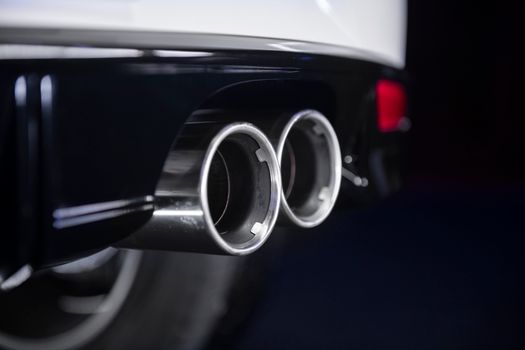 Photo: Rahul Soni / Pexels
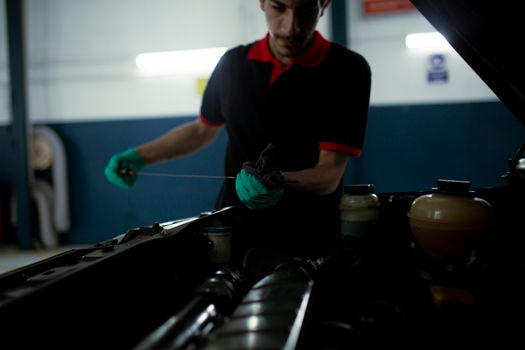 Photo: Fatih Erden / Pexels
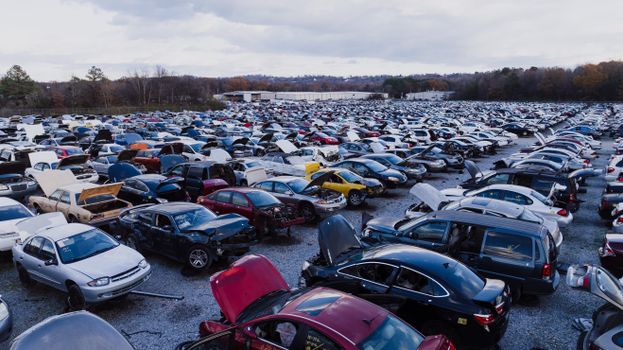 Photo: K / Pexels
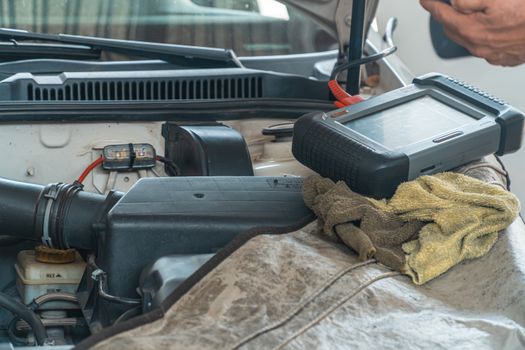 Photo: Jose Ricardo Barraza Morachis / Pexels