✓ The water pump circulates coolant, preventing engine overheating.
✓ Ignoring water pump issues can lead to severe engine damage, including head gasket failure.
✓ Common symptoms include leaks, noises, and an overheating engine.
✓ Regular maintenance and visual checks can help detect problems early.
How It Works
1
Coolant Circulation
The water pump uses impellers to draw coolant from the radiator and push it through the engine block and cylinder head passages. This process absorbs heat generated during combustion, preventing overheating.
2
Heat Dissipation
Once heated, the coolant returns to the radiator. Here, air flowing through the radiator fins cools the liquid, preparing it to re-enter the engine and continue the cooling cycle.
3
System Integration
The water pump is a critical component of the entire cooling system, working in conjunction with the thermostat, radiator, hoses, and cooling fan. Each part must function correctly for optimal engine temperature regulation.
4
Engine Protection
By maintaining a consistent operating temperature, the water pump ensures engine components don't warp or seize due to excessive heat. This is vital for engine longevity and performance.
Understanding Your Vehicle's Cooling System and Common Water Pump Problems
Photo: Sergey Meshkov / Pexels
Your vehicle's engine is a marvel of engineering, constantly generating immense heat through internal combustion. Without an efficient cooling system, this heat would quickly lead to catastrophic engine failure. At the heart of this system lies the water pump, a deceptively simple yet critically important component responsible for circulating coolant throughout the engine block and cylinder heads. It draws heat away from vital engine parts and directs it to the radiator, where it's dissipated into the atmosphere. When the water pump begins to falter, this intricate balance is disrupted, leading to a cascade of problems that can quickly escalate from minor annoyances to major repairs.
One of the most noticeable and alarming signs of a failing water pump is an overheating engine. This often manifests as the temperature gauge climbing into the red zone, steam billowing from under the hood, or a distinct burning smell. An overheating engine is not just an inconvenience; it's a critical warning sign that demands immediate attention. Prolonged overheating can warp cylinder heads, crack engine blocks, and damage gaskets, turning a relatively inexpensive water pump replacement into a multi-thousand-dollar engine overhaul. The water pump's internal components, such as the impeller, bearings, and seals, are subject to constant wear and tear. Over time, these parts can degrade, reducing the pump's efficiency or causing it to fail entirely. Bearing failure, for instance, can lead to excessive play in the pump shaft, which in turn causes leaks and grinding noises. Seal failure, often due to age, chemical degradation from incorrect coolant, or abrasive particles in the system, is another common culprit behind coolant leaks.
The type of coolant used also plays a significant role in the longevity of your water pump. Using the wrong type of coolant, or neglecting to flush and replace it according to your manufacturer's recommendations, can accelerate corrosion and deposit buildup within the cooling system, including inside the water pump. These deposits can hinder the impeller's movement or even damage its vanes, reducing the pump's ability to circulate coolant effectively. Furthermore, air pockets within the cooling system, often introduced during maintenance or repair if not properly bled, can also stress the water pump and lead to localized overheating, further compromising its integrity. Understanding these fundamental aspects of your cooling system and the common failure modes of the water pump is the first step in diagnosing and addressing issues promptly, preventing more severe and costly damage down the line. Regular inspections and adherence to maintenance schedules are paramount for extending the life of your water pump and, by extension, your entire engine.
Visible Warning Signs: Leaks, Steam, and Coolant Levels
Photo: Sergey Meshkov / Pexels
Beyond the alarming sight of an overheating engine, several other visible cues can alert you to a potential water pump failure. One of the most common and easily identifiable signs is a coolant leak. The water pump is typically located at the front of the engine, often driven by the serpentine belt or timing belt. As the internal seals within the pump begin to wear out or crack, coolant can escape, dripping onto the ground or evaporating upon contact with hot engine components. You might notice puddles of brightly colored liquid (green, orange, pink, or blue, depending on your coolant type) under the front of your car when it's parked. Don't mistake these for harmless water condensation from the air conditioning; coolant has a distinct, often sweet smell and a slick, oily feel. A persistent leak, even if small, will gradually deplete your coolant reservoir, leading to insufficient cooling and eventually overheating.
Another visible sign directly related to coolant loss is a consistently low coolant level in your reservoir. While a slight drop over time is normal due to evaporation, a rapid or significant decrease without an obvious external leak might indicate an internal issue or a leak that's difficult to spot, such as one that only occurs under pressure when the engine is hot. Regularly checking your coolant level, ideally when the engine is cold, is a simple yet effective preventative measure. If you find yourself frequently topping off the reservoir, it's a strong indicator that there's a problem somewhere in the cooling system, and the water pump is a prime suspect.
Steam emanating from under the hood, particularly from the front of the vehicle, is a dramatic and unmistakable sign of a serious overheating problem. This usually occurs when coolant has leaked onto hot engine components and is rapidly boiling off, or when the coolant itself is boiling within the cooling system due to extreme temperatures. While steam can originate from other cooling system failures, such as a burst hose or a crack in the radiator, a failing water pump's inability to circulate coolant effectively is a frequent cause. If you see steam, pull over immediately and safely, as continuing to drive an overheating vehicle can cause irreversible engine damage. Ignoring these visible warning signs is akin to ignoring a smoke detector; the consequences can be severe. Being observant and proactive about these external indicators can save you significant time, money, and stress in the long run. It's always better to address a potential issue early rather than waiting for a complete breakdown.
Auditory and Performance Clues: Noises and Engine Behavior
Photo: Sergey Meshkov / Pexels
Beyond the visual indicators, a failing water pump often communicates its distress through distinct sounds and changes in your vehicle's performance. One of the most common auditory signs is a whining or grinding noise originating from the front of the engine. This sound typically indicates a problem with the water pump's internal bearings. As these bearings wear out, they lose their lubrication and can become loose, leading to metal-on-metal friction. The noise might vary in pitch or intensity with engine RPM, becoming more pronounced as you accelerate. It's a clear signal that the water pump is struggling and needs attention. If left unaddressed, worn bearings can seize completely, causing the serpentine belt to break or slip, which can affect other engine accessories like the alternator and power steering pump, potentially leading to a complete breakdown.
Another sound to listen for is a ticking or rattling noise, which could suggest a loose or damaged impeller inside the water pump. The impeller, responsible for pushing the coolant, can become corroded or break away from its shaft. When this happens, it can strike the pump housing, creating an audible clicking or rattling. While less common than bearing noise, it's equally indicative of a failing pump and can severely compromise cooling efficiency. Any unusual noise from your engine bay should prompt a professional inspection, especially if it's accompanied by other symptoms like coolant leaks or an elevated temperature gauge.
Changes in engine performance, specifically related to temperature regulation, are also strong indicators. While an overheating engine is the most obvious, you might also notice your car taking an unusually long time to warm up, or conversely, running slightly hotter than usual even if not fully overheating. A malfunctioning water pump might not completely fail at once; it can gradually lose its efficiency. This reduced circulation can lead to inconsistent engine temperatures, where some parts of the engine are hotter than others. This can be particularly noticeable during stop-and-go traffic or at lower speeds when airflow over the radiator is minimal and the water pump's effectiveness becomes even more critical. If your heater isn't blowing as hot as it used to, or if it takes longer to get warm, this could also be a subtle sign, as the heater core relies on the engine's hot coolant. Don't dismiss these changes as minor quirks; they are your car's way of telling you that its vital cooling system is compromised and requires immediate professional diagnosis and repair to prevent costly damage. For more information on engine components, explore our resources on understanding engine parts.
Preventative Measures and What to Do When You Suspect a Fault
Photo: Jose Ricardo Barraza Morachis / Pexels
Being proactive about your vehicle's maintenance is the best defense against unexpected water pump failures and the costly repairs they entail. Regular cooling system checks should be a standard part of your routine. This includes visually inspecting the water pump's housing for any signs of leaks or corrosion, as well as checking the serpentine belt (or timing belt, depending on your vehicle) for cracks, fraying, or excessive looseness. A worn belt can reduce the efficiency of the water pump, even if the pump itself is in good condition. Furthermore, regularly checking your coolant level and condition is crucial. The coolant should be clean and within the recommended fill lines. If it appears murky, rusty, or has debris floating in it, it might be time for a coolant flush and refill, as contaminated coolant can accelerate wear on the water pump and other cooling system components.
Adhering to your vehicle manufacturer's recommended service schedule for coolant flushes and water pump inspections is also vital. While water pumps aren't typically replaced as a routine maintenance item unless they are driven by the timing belt (in which case they are often replaced concurrently with the timing belt), regular checks can identify issues before they become critical. If your vehicle uses a timing belt to drive the water pump, replacing both simultaneously during the timing belt service interval is a highly recommended preventative measure, as accessing the water pump often requires significant labor that overlaps with timing belt replacement. This combined service can save you money in the long run by avoiding duplicate labor costs.
If you suspect your water pump is failing, the most important step is to act quickly and responsibly. Do not ignore the warning signs, especially an overheating engine. If your temperature gauge starts to climb, pull over to a safe location as soon as possible and shut off the engine. Continuing to drive an overheating vehicle can lead to severe and irreversible engine damage, such as a blown head gasket, warped cylinder heads, or a cracked engine block, which are far more expensive to repair than a water pump replacement. Once safely stopped, allow the engine to cool down before attempting to check coolant levels or inspect for leaks. It's generally best to call for a tow to your trusted mechanic. While a DIY water pump replacement is possible for experienced mechanics, it often requires specialized tools and knowledge, and incorrect installation can lead to further problems. A professional can accurately diagnose the issue, replace the faulty pump with a high-quality part, and ensure the cooling system is properly bled and refilled, giving you peace of mind and protecting your engine.
Comparison
Feature
OEM Water Pump
Aftermarket Premium
Aftermarket Economy
Quality & Durability
Highest, matches original specs
High, often meets or exceeds OEM
Varies, can be lower quality
Warranty
Typically 1-2 years
Often better, 2-5 years
Shorter, 6 months - 1 year
Price
Highest
Mid-range
Lowest
Fitment
Perfect, guaranteed
Excellent, usually perfect
Can require minor adjustments
What Readers Say
★★★★★
"My truck started making a distinct whining noise from the front of the engine, especially when accelerating. This article helped me realize it was likely the water pump bearings failing, and sure enough, the mechanic confirmed it. Caught it before it overheated!"
David R. · Phoenix, AZ
★★★★★
"I noticed a small puddle of green liquid under my car every morning. After reading this, I knew it was coolant. Got my water pump replaced, and now there are no more leaks or worries about overheating in Florida's heat."
Sarah J. · Orlando, FL
★★★★★
"My car's temperature gauge kept creeping up, and the heater wasn't working well. This guide was spot on; the water pump impeller was corroded. Replaced it, and now my car runs at the perfect temperature again, even in the mountains."
Mark T. · Denver, CO
★★★★★
"While I didn't have all the symptoms, the article's emphasis on checking coolant levels frequently saved me. Mine was consistently low, leading me to investigate further and find a tiny leak from the water pump's weep hole. Good advice!"
Emily S. · Seattle, WA
★★★★★
"Working as a delivery driver, my car's engine is always running. This article's detailed explanation of unusual engine noises helped me identify a subtle grinding sound from my water pump before it caused a major breakdown. Proactive maintenance is key!"
Carlos M. · Dallas, TX
Frequently Asked Questions
What is the most common sign of a failing water pump?
The most common and critical sign of a failing water pump is an overheating engine, indicated by the temperature gauge rising into the red zone or steam coming from under the hood. Other frequent signs include coolant leaks, a whining or grinding noise from the engine, and a consistently low coolant level.
Can I drive my car with a failing water pump?
It is strongly advised not to drive your car if you suspect a failing water pump, especially if the engine is overheating. Driving with a faulty water pump can quickly lead to severe and irreparable engine damage, such as a blown head gasket, warped cylinder heads, or a cracked engine block, which are far more costly to repair.
How can I check my water pump for leaks?
To check for leaks, inspect the area around the water pump for puddles of coolant on the ground or residue on the pump housing itself. Look for colored liquid (green, orange, pink) or white/rusty stains, particularly near the weep hole (a small hole designed to indicate seal failure). Do this when the engine is cold and then again after the engine has reached operating temperature, as some leaks only appear under pressure.
How much does it cost to replace a water pump?
The cost to replace a water pump varies significantly depending on the vehicle's make and model, the type of water pump (e.g., driven by serpentine belt vs. timing belt), and labor rates. Generally, parts can range from $50-$200, while labor can be $200-$600 or more, especially if the timing belt also needs to be removed or replaced. The total cost typically falls between $300 and $900.
Is a water pump replacement a DIY job?
Replacing a water pump can be a challenging DIY job, depending on its location and the vehicle's design. Some water pumps are easily accessible, while others require extensive disassembly, such as removing the timing belt or other engine components. It often requires specialized tools, proper torque specifications, and careful bleeding of the cooling system. For most vehicle owners, professional installation is recommended to ensure proper function and prevent further damage.
Who should be most vigilant about water pump issues?
Anyone who owns a vehicle, especially older models, high-mileage vehicles, or those used for heavy-duty purposes (towing, frequent stop-and-go traffic) should be vigilant. Also, drivers who notice any unusual sounds, smells, or dashboard warning lights related to engine temperature should pay close attention.
Are there any safety risks associated with a failing water pump?
Yes, a failing water pump poses significant safety risks. An overheating engine can cause the vehicle to break down unexpectedly, potentially stranding you in an unsafe location. In severe cases, extreme engine heat can lead to a fire, though this is rare. The primary risk is extensive engine damage, which can lead to costly repairs or even render the vehicle inoperable.
Will electric vehicles (EVs) have water pump issues in the future?
Electric vehicles (EVs) still utilize cooling systems, but they are typically for managing battery temperature and electric motor temperature, not for an internal combustion engine. While the traditional engine-driven water pump won't exist, EVs use electric coolant pumps. These electric pumps can still experience failures, such as leaks or electrical issues, so while the component is different, the need for a functioning cooling pump remains.
Don't let a failing water pump leave you stranded or facing expensive engine repairs. By recognizing the critical signs of a failing water pump early and taking prompt action, you can protect your vehicle's engine and ensure reliable performance. Stay informed, stay safe, and keep your car running smoothly.
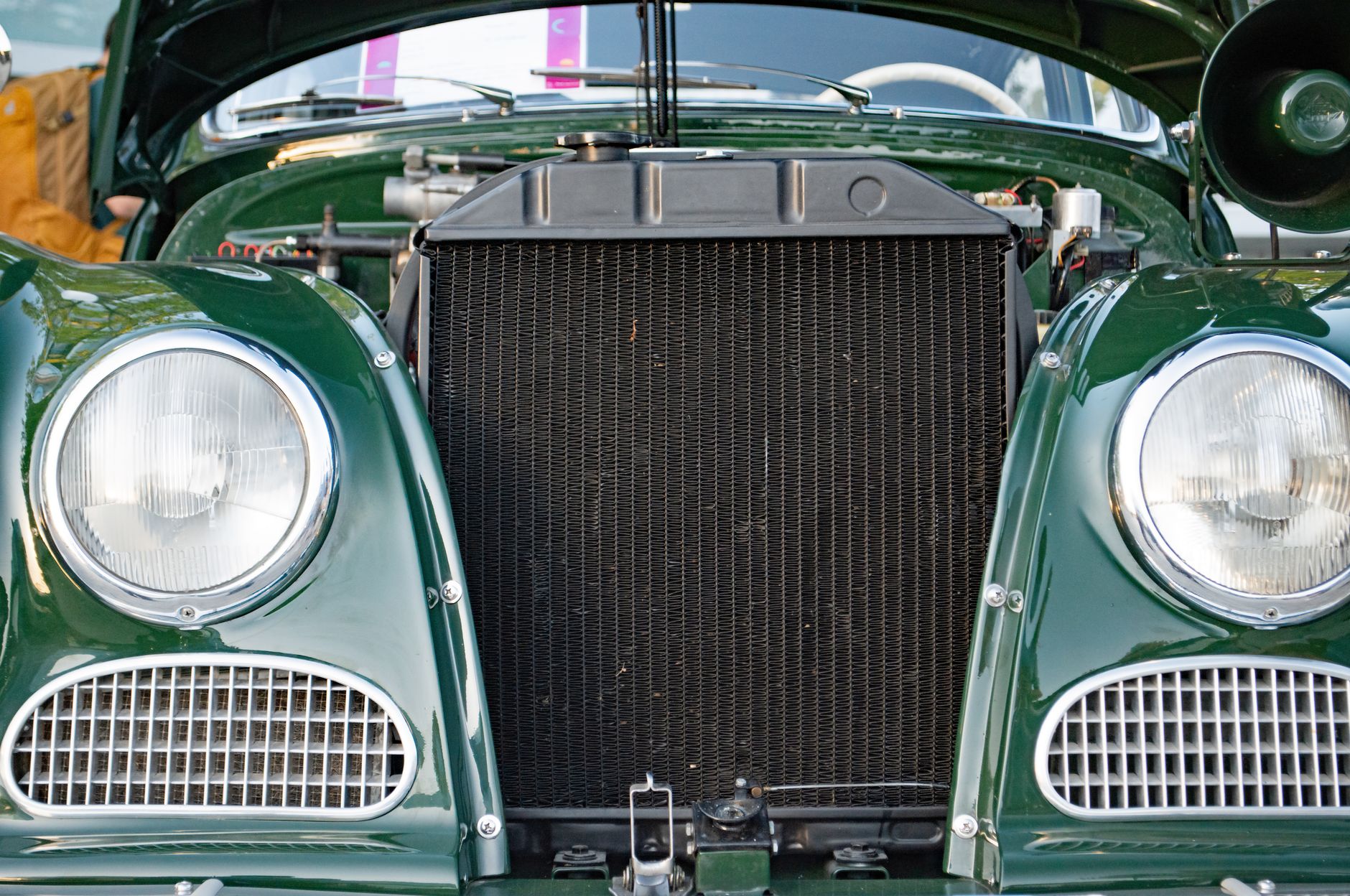
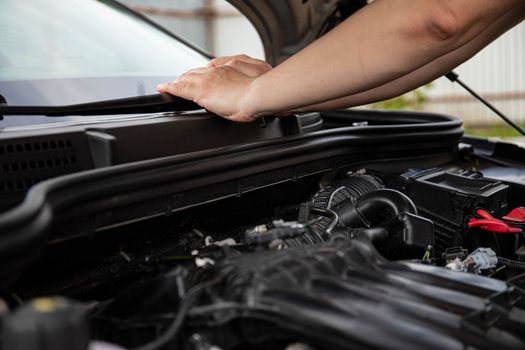 Photo: Sergey Meshkov / Pexels
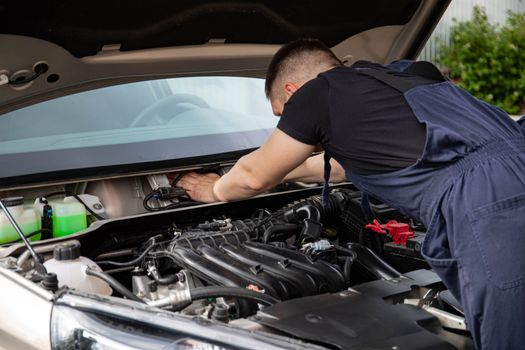 Photo: Sergey Meshkov / Pexels
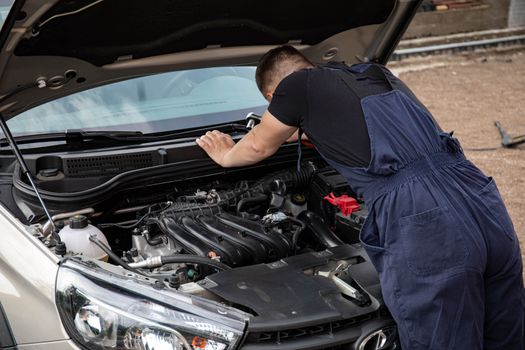 Photo: Sergey Meshkov / Pexels
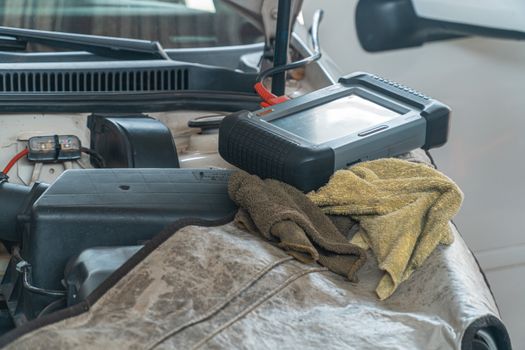 Photo: Jose Ricardo Barraza Morachis / Pexels