✓ Performance exhausts can increase horsepower and torque by 5-15%.
✓ They improve exhaust gas flow, reducing back pressure on the engine.
✓ Many systems offer improved fuel efficiency, especially under load.
✓ Available in various materials like stainless steel and aluminized steel for durability.
How It Works
1
Optimized Gas Flow
Stock exhaust systems are often restrictive, designed for quiet operation and cost-effectiveness. Performance systems feature wider, smoother pipes, allowing exhaust gases to exit the engine more rapidly and efficiently.
2
Reduced Back Pressure
By improving gas flow, performance exhausts significantly reduce back pressure on the engine. Less back pressure means the engine expends less energy pushing out spent gases, freeing up power that can be used to move the vehicle.
3
Enhanced Scavenging Effect
The design of performance systems creates a 'scavenging' effect, where the exiting exhaust gases help pull the next pulse of exhaust from the cylinders. This more effectively clears the combustion chamber for the incoming fresh air/fuel mixture, leading to more complete combustion and increased power.
4
Improved Sound & Efficiency
Beyond power, these systems produce a more aggressive, deep exhaust note, characteristic of a powerful truck. The overall efficiency gains can also translate into better fuel economy, particularly during towing or heavy-duty use.
Understanding the Fundamentals of Truck Exhaust Performance
Photo: Richard Harris / Pexels
The exhaust system in your truck is far more than just a pipe that vents fumes; it's a critical component of engine performance, fuel efficiency, and even the driving experience. While factory exhaust systems are designed to meet a broad range of requirements, including noise regulations and cost efficiency, they often compromise on optimal engine breathing. This is where performance exhaust systems for trucks come into play. These aftermarket upgrades are engineered to liberate your engine's true potential by addressing the inherent restrictions of stock setups. The primary goal is to improve exhaust gas flow, which directly impacts several key performance metrics.
At the heart of a performance exhaust system's effectiveness is the principle of reduced back pressure. Your engine operates by drawing in an air-fuel mixture, igniting it, and then expelling the spent gases. If these gases encounter resistance as they exit (back pressure), the engine has to work harder to push them out. This parasitic loss saps horsepower and torque. Performance systems achieve lower back pressure through several design modifications: larger diameter piping, mandrel bends (which maintain a consistent pipe diameter through curves, unlike crush bends that restrict flow), and more efficient mufflers or resonators. These components work in harmony to create a smoother, less turbulent path for exhaust gases, allowing them to escape more quickly and freely. The result is an engine that breathes easier, leading to a noticeable increase in horsepower and torque, often ranging from 5-15% depending on the vehicle and specific system. This isn't just about raw power; it translates to better throttle response, improved towing capability, and a more robust feel under acceleration. Upgrading your exhaust can be one of the most impactful modifications you make to your truck.
Furthermore, the design of a performance exhaust system also influences the 'scavenging effect.' This phenomenon occurs when the outgoing pulse of exhaust gas helps to pull the subsequent exhaust pulse from the cylinder, effectively vacuuming out the combustion chamber. A well-designed performance exhaust system optimizes this scavenging, ensuring that the cylinders are more completely cleared of spent gases before the next intake stroke. This allows for a fresher, denser air-fuel charge, leading to more efficient combustion and, consequently, more power. This intricate dance of gas dynamics is what differentiates a truly performance-oriented system from a standard one. Beyond the measurable performance gains, many truck owners also seek a performance exhaust for the auditory experience. Stock exhausts are often quiet, sometimes even muted. Aftermarket systems are tuned to produce a deeper, more aggressive, and often louder exhaust note that many enthusiasts find highly desirable, enhancing the overall driving pleasure and giving their truck a more commanding presence. It's a holistic upgrade that touches on power, efficiency, and the sensory experience of driving a powerful truck.
Choosing the Right Performance Exhaust System for Your Truck
Photo: Tim Diercks / Pexels
Selecting the ideal performance exhaust system for your truck involves navigating a variety of options, each with its own benefits and considerations. The right choice depends on your specific goals, truck model, budget, and even local noise regulations. One of the first decisions you'll face is the type of exhaust system. Cat-back systems are the most common and popular choice. They replace everything from the catalytic converter(s) back to the tailpipe, including the muffler. These systems are relatively easy to install and offer significant improvements in sound and moderate gains in horsepower and torque. Axle-back systems, on the other hand, replace only the muffler and tailpipe. While they primarily focus on enhancing the exhaust note, they offer minimal performance gains compared to cat-back options. For those seeking maximum performance, particularly in off-road or race applications (where legal), header-back or turbo-back systems (for diesel trucks) replace the entire exhaust from the engine manifold or turbocharger, respectively. These systems offer the most substantial improvements but are generally more complex to install and may require additional tuning.
Material is another critical factor. The most common materials are aluminized steel and stainless steel. Aluminized steel is a cost-effective option that offers good corrosion resistance, making it suitable for many climates. However, for maximum durability and resistance to rust, especially in regions with harsh winters or coastal environments, stainless steel is the superior choice. Stainless steel systems, particularly those made from 304-grade stainless steel, can last the lifetime of the vehicle and withstand extreme temperatures and corrosive elements. While more expensive upfront, their longevity often justifies the investment. Beyond the material, consider the diameter of the piping. Larger diameter pipes generally offer better flow, but there's a point of diminishing returns. Too large a pipe can actually decrease exhaust velocity, negatively impacting the scavenging effect and potentially reducing low-end torque. Reputable manufacturers engineer their systems with optimal pipe diameters for specific truck applications.
Finally, the muffler design plays a huge role in both sound and performance. Different muffler types—chambered, straight-through, or turbo-style—produce varying levels of sound and flow characteristics. Straight-through designs offer the least restriction and most aggressive sound, while chambered mufflers use internal baffles to tune the sound and reduce decibels, often with a slight increase in restriction. Many systems also include resonators to further fine-tune the exhaust note and eliminate unwanted drone. When making your selection, research manufacturers known for quality and performance, read reviews specific to your truck model, and consider any local regulations regarding exhaust noise levels. A well-chosen performance exhaust system will not only boost your truck's capabilities but also enhance your driving pleasure for years to come.
Installation, Maintenance, and Maximizing Your Exhaust Investment
Photo: Chris F / Pexels
Once you've chosen the perfect performance exhaust system for your truck, the next step is proper installation. While many cat-back and axle-back systems are designed for a relatively straightforward bolt-on installation, often requiring only basic hand tools, professional installation is always recommended, especially for more complex header-back or turbo-back systems. A professional mechanic can ensure proper alignment, secure connections, and correct hanger placement to prevent rattles, leaks, and premature wear. Incorrect installation can lead to exhaust leaks, which not only reduce performance but can also be dangerous due to carbon monoxide fumes. Furthermore, improper hanger placement can cause stress on the system, leading to cracks or breaks over time. For diesel trucks, some performance exhaust systems may require modifications to the exhaust gas recirculation (EGR) system or diesel particulate filter (DPF), which can have legal and warranty implications. Always consult with a professional and be aware of emissions regulations in your state.
Maintaining your performance exhaust system is crucial for its longevity and continued optimal performance. Regular inspections for rust, cracks, and loose connections are vital. While stainless steel systems are highly corrosion-resistant, they are not entirely immune to damage from road debris or harsh chemicals. Periodically cleaning the exhaust tips can prevent buildup and maintain their aesthetic appeal. If you live in an area with salted roads, rinsing the underside of your truck, including the exhaust system, can help mitigate corrosion. Pay attention to any changes in exhaust sound; an unusually loud or rattling sound can indicate a leak or a loose component. Addressing these issues promptly can prevent more significant problems and costly repairs down the line. Investing in quality auto parts and their proper upkeep ensures they deliver on their promise.
To truly maximize your investment in a performance exhaust system, consider complementary upgrades. While an exhaust system alone provides significant benefits, pairing it with other performance modifications can amplify the results. For instance, an aftermarket cold air intake system can further improve engine breathing by supplying a denser, cooler air charge, complementing the improved exhaust flow. For more advanced users, custom engine tuning (ECU remapping) can optimize fuel delivery and ignition timing to take full advantage of the increased airflow from both intake and exhaust upgrades. This synergistic approach ensures that your engine is operating at its peak efficiency and power. Additionally, using high-quality fuel and adhering to your truck's regular maintenance schedule, such as oil changes and filter replacements, will help ensure your engine can fully utilize the benefits of your performance exhaust system. By understanding installation best practices, committing to routine maintenance, and exploring complementary upgrades, you can unlock the full potential and enjoy the lasting benefits of your performance exhaust system for trucks.
Common Mistakes and Smart Tips for Truck Exhaust Upgrades
Photo: Dylan Wenke / Pexels
Upgrading your truck's exhaust system is an exciting prospect, but avoiding common pitfalls can save you time, money, and frustration. Here are some mistakes to steer clear of and smart tips to ensure a successful upgrade:
**Common Mistakes to Avoid:**
* **Ignoring Local Regulations:** Exhaust noise and emissions laws vary by state and even county. Installing a system that doesn't comply can lead to fines or the need to replace it. Always check your local laws before purchasing.
* **Choosing Based Solely on Price:** While budget is a factor, opting for the cheapest system often means sacrificing material quality, fitment, and long-term durability. Cheap systems can rust quickly, rattle, or even break.
* **Oversizing the Piping:** Bigger isn't always better. An exhaust pipe that's too large can reduce exhaust gas velocity, leading to a loss of low-end torque. Manufacturers spend significant R&D to determine optimal pipe diameters for specific engines.
* **DIY Installation Without Experience:** While some systems are bolt-on, proper alignment and sealing are crucial. Incorrect installation can cause leaks, rattles, or damage to hangers and other components. If in doubt, hire a professional.
* **Expecting Miraculous MPG Gains:** While some performance exhausts can improve fuel efficiency, especially under load, significant, dramatic increases in MPG are rare. Focus on performance and sound as primary benefits.
**Smart Tips for a Successful Upgrade:**
* **Research Specific to Your Truck:** What works well on a Ford F-150 might not be ideal for a Ram 2500. Look for reviews and recommendations for your exact year, make, model, and engine.
* **Consider Your Driving Style:** If you tow heavy loads, a system designed to improve low-end torque might be more beneficial than one focused purely on high-RPM horsepower. If you're an off-roader, consider ground clearance.
* **Listen to Sound Clips (But Be Wary):** YouTube videos can give you an idea of an exhaust's sound, but remember that microphone quality and playback speakers can alter the perception. Try to hear a similar system in person if possible.
* **Plan for Complementary Upgrades:** If you're serious about performance, consider pairing your exhaust with a cold air intake and potentially an ECU tune for the most impactful results.
* **Check Warranty Implications:** Some aftermarket modifications can void parts of your factory warranty. Understand the potential implications before making a purchase.
* **Invest in Quality Materials:** Stainless steel, especially 304-grade, offers superior durability and corrosion resistance, ensuring your investment lasts as long as your truck.
By keeping these tips and warnings in mind, you can make an informed decision and enjoy a performance exhaust system that perfectly suits your truck and your needs.
Comparison
Feature
Cat-Back System (Best Overall)
Axle-Back System (Budget/Sound)
Turbo-Back/Header-Back (Max Performance)
Performance Gain (HP/TQ)
Moderate (5-15%)
Minimal (1-3%)
Significant (10-20%+, with tuning)
Sound Enhancement
Significant, deeper tone
Noticeable, louder
Most aggressive, raw sound
Installation Difficulty
Moderate (DIY possible)
Easy (DIY friendly)
Advanced (Professional recommended)
Cost Range
$$$
$
$$$$+
Fuel Efficiency Improvement
✓ (Under certain conditions)
✗
✓✓ (With tuning)
Emissions Compliance
Generally compliant
Generally compliant
May require tuning/modifications (check local laws)
What Readers Say
★★★★★
"Installed a new performance exhaust system for my Ford F-250 and the difference is night and day. The truck breathes better, sounds incredible, and I can actually feel the extra grunt when towing my trailer. Highly recommend for any serious truck owner."
Mark J. · Dallas, TX
★★★★★
"I was skeptical about the fuel economy claims, but after putting a performance exhaust system on my Silverado, I'm seeing a consistent 1-2 MPG improvement on highway drives. Plus, the deep rumble is just fantastic. Best upgrade yet!"
Sarah P. · Boise, ID
★★★★★
"My Ram 1500 feels like a completely different truck. The throttle response is crisper, and passing power is significantly improved. The specific performance exhaust system I chose really woke up the Hemi engine. Zero regrets on this investment."
David L. · Phoenix, AZ
★★★★★
"The performance exhaust on my Tacoma definitely gives it a more aggressive sound, which I love. I haven't noticed a huge power bump, but it certainly feels more lively. The quality of the stainless steel system is top-notch, though it was a bit louder than I initially expected."
Jessica R. · Atlanta, GA
★★★★★
"As a contractor, my truck works hard. The performance exhaust system for my diesel GMC Sierra has made a noticeable difference in pulling power up steep grades. It's less strained, and the exhaust temps seem a bit lower too. Essential for heavy-duty use."
Carlos M. · Denver, CO
Frequently Asked Questions
What are the primary benefits of installing performance exhaust systems for trucks?
The primary benefits include increased horsepower and torque, improved engine efficiency, a more aggressive and desirable exhaust sound, and potentially better fuel economy, especially under heavy load. These systems reduce back pressure, allowing the engine to breathe easier and perform more optimally.
Will a performance exhaust system void my truck's warranty?
This is a common concern. Generally, a cat-back exhaust system that does not interfere with emissions control devices will not void your entire vehicle warranty. However, specific components directly affected by the modification might not be covered. It's always best to check with your dealership or the manufacturer's warranty policy before making significant changes.
How difficult is it to install a performance exhaust system myself?
The difficulty varies significantly by system type and your mechanical experience. Axle-back and most cat-back systems are designed for bolt-on installation and can often be done with basic hand tools. However, systems requiring cutting, welding, or complex routing, like header-back or turbo-back, are best left to professional installers to ensure proper fitment and leak-free operation.
Are performance exhaust systems for trucks worth the cost?
For many truck owners, the investment is absolutely worth it. The combination of tangible performance gains, improved fuel efficiency (in some cases), enhanced sound, and the sheer driving enjoyment makes it a valuable upgrade. The cost varies widely based on materials and complexity, but a quality stainless steel system offers long-term durability and satisfaction.
How do performance exhaust systems compare to simply removing the muffler?
Simply removing the muffler (a 'muffler delete') will make your truck louder, but it often leads to an unrefined, raspy, or droning sound, and may not provide optimal performance gains. Performance exhaust systems are engineered with specific pipe diameters, mandrel bends, and tuned mufflers/resonators to optimize flow, enhance the sound quality, and maximize power efficiently, avoiding the negative aspects of a simple delete.
Who should consider upgrading to performance exhaust systems for trucks?
Anyone looking to enhance their truck's power, improve its sound, or gain better fuel efficiency should consider an upgrade. This includes truck enthusiasts, individuals who frequently tow or haul heavy loads, and those who simply want a more engaging and responsive driving experience from their vehicle.
Are there any safety concerns with installing a performance exhaust?
When properly installed, performance exhaust systems pose no inherent safety concerns. However, improper installation can lead to exhaust leaks, which can allow dangerous carbon monoxide fumes into the cabin. Always ensure professional installation or follow detailed instructions carefully, especially ensuring all connections are secure and leak-free.
What are the future trends for performance exhaust systems in trucks, especially with EVs?
As electric vehicles (EVs) become more prevalent, the traditional role of exhaust systems will diminish for those platforms. However, for internal combustion engine (ICE) trucks, trends include more advanced materials for weight reduction and heat management, electronically controlled valves for adjustable sound levels, and integration with engine tuning for even more optimized performance and emissions compliance.
Ready to unlock the full potential of your truck? Explore the world of performance exhaust systems for trucks and experience the thrill of enhanced power, a commanding sound, and improved efficiency. Your truck deserves this upgrade – find the perfect system today and transform your driving experience.

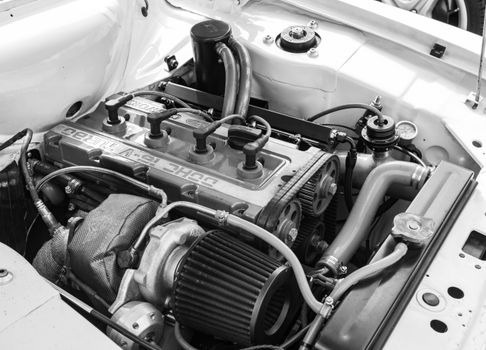 Photo: Richard Harris / Pexels
 Photo: Tim Diercks / Pexels
 Photo: Chris F / Pexels
 Photo: Dylan Wenke / Pexels