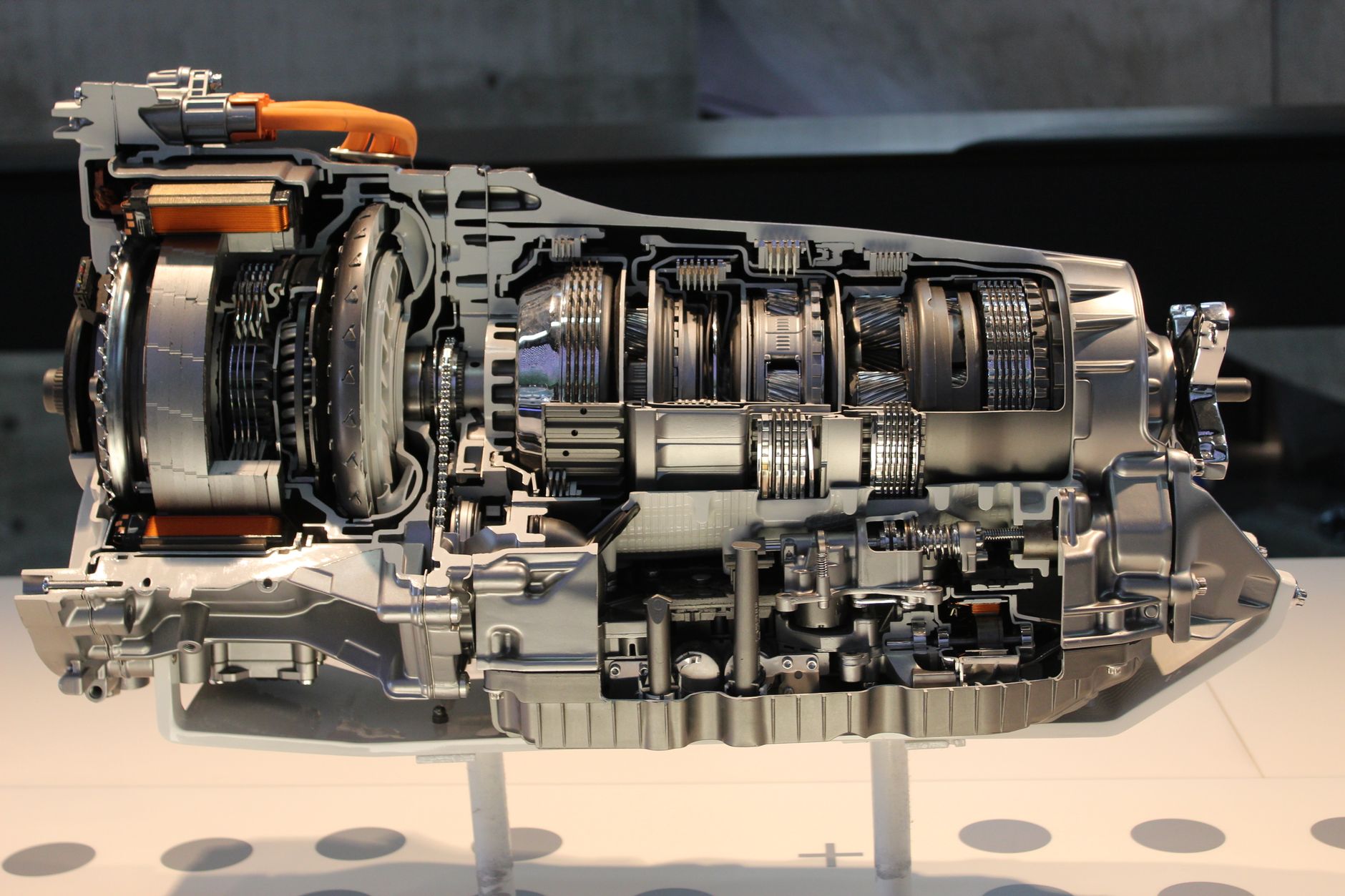
Optimal Transmission Fluid Change Interval for Your Car
August 19, 2026 16 min read 3,157 words
Unlock peak performance and longevity for your vehicle by understanding the critical timing for transmission fluid maintenance.
Learn More Now
Understanding the Importance of Transmission Fluid Maintenance
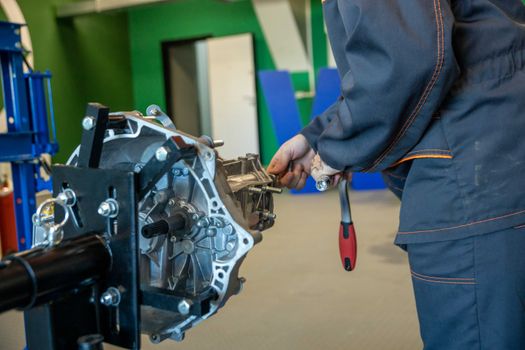 Photo: Sergei Starostin / Pexels
Your vehicle's transmission is a marvel of engineering, a complex system of gears, clutches, and bands working in harmony to transfer power from the engine to the wheels. At the heart of its operation is the transmission fluid, an unsung hero that performs multiple critical roles. Far from being just a lubricant, transmission fluid acts as a hydraulic fluid, enabling the shifting of gears in automatic transmissions. It also serves as a coolant, dissipating the immense heat generated by friction within the transmission's moving parts. Furthermore, it cleans, conditioning seals and preventing the build-up of varnish and sludge that can impede proper function. Over time, and under the stress of daily driving, this vital fluid degrades. It breaks down chemically, losing its lubricating properties, and becomes contaminated with microscopic metallic particles worn from the transmission's internal components. Heat, the primary enemy of transmission fluid, accelerates this degradation, turning the once vibrant red fluid into a dark, murky, and often burnt-smelling concoction. When the fluid loses its effectiveness, the transmission struggles. Gears may slip, shifts can become harsh or delayed, and the internal components begin to experience increased wear. This accelerated wear can lead to costly repairs or, in severe cases, complete transmission failure. Think of it like the oil in your engine; you wouldn't neglect an oil change, and the transmission fluid is equally, if not more, critical for the longevity and performance of your drivetrain. A proactive approach to transmission fluid maintenance, adhering to the recommended
service schedule, is paramount. It ensures smooth operation, extends the life of your transmission, and helps you avoid the significant financial burden of a transmission rebuild or replacement. Neglecting this simple, yet crucial, maintenance item is one of the most common reasons for premature transmission failure, a repair that can easily run into thousands of dollars. Understanding the 'why' behind the transmission fluid change interval empowers you to make informed decisions about your vehicle's care. It's not just about replacing old fluid; it's about preserving the intricate mechanics of your transmission and safeguarding your investment. This foundational understanding sets the stage for delving into the specifics of when and how to approach this essential automotive service, ensuring your vehicle remains reliable and efficient for years to come. The type of fluid also matters, as different transmissions require specific formulations, such as Dexron, Mercon, or specialized CVT fluids. Using the wrong fluid can cause damage just as quickly as old, degraded fluid. Always refer to your owner's manual for the correct fluid specification and never substitute it with an unapproved alternative. The chemical composition of these fluids is designed to work precisely with the materials and tolerances of your specific transmission. Modern transmissions, especially continuously variable transmissions (CVTs) and those with many gears (8-speed, 10-speed automatics), are particularly sensitive to fluid quality and type due to their complex designs and tighter tolerances. This sensitivity further underscores the importance of not just changing the fluid, but changing it with the correct OEM-specified fluid or an approved equivalent.
Decoding Manufacturer Recommendations and Real-World Scenarios
 Photo: Erik Mclean / Pexels
The first, and arguably most important, source of information regarding your transmission fluid change interval is your vehicle's owner's manual. Manufacturers invest millions in R&D to determine optimal maintenance schedules for their specific models, taking into account the transmission design, fluid type, and anticipated operating conditions. For many modern automatic transmissions, you'll often see recommendations ranging from 60,000 to 100,000 miles, or even 'lifetime fluid' claims. However, it's crucial to understand that 'lifetime' often refers to the expected life of the vehicle under ideal conditions, which rarely reflects real-world driving. For manual transmissions, intervals might be similar or slightly longer, as they typically don't generate as much heat or hydraulic pressure. But these figures are typically based on 'normal' driving conditions. What constitutes 'normal' can be misleading. Normal driving usually means highway cruising, moderate temperatures, and light loads. Most drivers, however, experience a mix of conditions that often fall under the 'severe' category. This includes frequent stop-and-go city driving, heavy traffic, towing, hauling heavy loads, driving in mountainous or hilly terrain, operating in extreme hot or cold climates, or using your vehicle for commercial purposes like taxi or delivery services. Each of these factors significantly increases the stress on your transmission and accelerates the degradation of the fluid. In severe driving conditions, manufacturers often recommend cutting the normal service interval in half. So, if your manual suggests a 100,000-mile interval for normal use, severe conditions might warrant a change at 50,000 miles or even sooner. It's a common mistake for vehicle owners to strictly adhere to the 'normal' schedule when their driving habits clearly fall into the 'severe' category, leading to premature wear. Beyond mileage, time is also a factor. Even if a vehicle isn't driven extensively, transmission fluid can degrade over several years due to oxidation and contamination from condensation. Therefore, some manufacturers also provide time-based recommendations, such as every 5 years, regardless of mileage. It's a delicate balance of mileage, time, and driving conditions that ultimately dictates the true optimal transmission fluid change interval for your specific vehicle. Regularly checking your fluid's condition, as detailed in the next section, combined with these guidelines, will provide the clearest picture. Always err on the side of caution when it comes to transmission maintenance, as the cost of preventative service is a fraction of the cost of a major repair. Ignoring these nuances can lead to significant issues down the road, manifesting as rough shifts, delayed engagement, or even complete transmission failure. Consulting with a trusted mechanic who understands your driving habits and vehicle type can provide invaluable personalized advice, helping you navigate the complexities of maintenance schedules. They can also perform a diagnostic check to assess the current health of your transmission and fluid, offering an expert opinion on the most appropriate time for service. This proactive approach ensures that your transmission remains in optimal working order, providing reliable performance and maximizing its lifespan. Remember, an ounce of prevention is truly worth a pound of cure when it comes to your vehicle's most complex and expensive components.
Drain & Fill vs. Fluid Flush: Which is Right for Your Transmission?
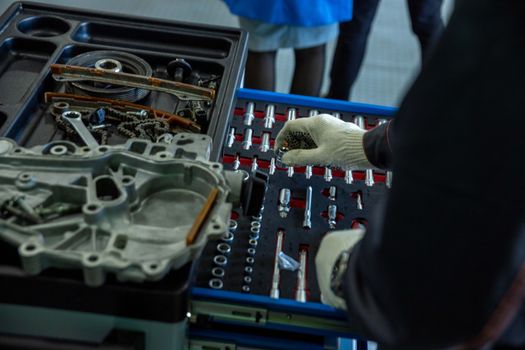 Photo: Sergei Starostin / Pexels
When it comes to replacing your transmission fluid, you'll typically encounter two main methods: a 'drain and fill' and a 'fluid flush' (or fluid exchange). Understanding the difference and when each is appropriate is crucial for proper transmission maintenance. A 'drain and fill' is the simpler and less invasive method. It involves draining the transmission fluid from the pan, similar to how an engine oil change is performed. Once the old fluid is drained, the transmission pan is usually removed to clean or replace the filter, and then new fluid is added. This method typically replaces only about 30-50% of the total transmission fluid, as a significant amount remains in the torque converter, valve body, and cooler lines. While it doesn't replace all the fluid, it does remove a substantial portion of the degraded fluid and contaminants, introducing fresh fluid with its full lubricating and cooling properties. This is often recommended for regular maintenance intervals, especially if the fluid is not severely degraded, or for older transmissions that have not been serviced regularly. The main advantage is that it's less likely to dislodge large deposits that could cause blockages in an already compromised system. On the other hand, a 'fluid flush' or 'fluid exchange' aims to replace nearly 100% of the old fluid. This process uses a specialized machine that connects to the transmission cooler lines. The machine pumps new fluid into the transmission while simultaneously extracting the old fluid, effectively pushing out the old fluid and its contaminants. This ensures a complete replacement of the fluid, including what's in the torque converter and cooler lines. A flush is generally recommended when the fluid is significantly degraded, or as part of a comprehensive service for newer vehicles with higher mileage. The primary benefit is that it provides the cleanest possible transmission fluid environment, maximizing the fluid's protective qualities. However, there's a long-standing debate and some controversy surrounding flushes, particularly for older, high-mileage transmissions that have never been serviced. Some mechanics caution that a flush can dislodge accumulated sludge and debris, potentially causing blockages in critical passages and leading to transmission failure. This risk is primarily associated with transmissions that have been neglected for extended periods, where the old fluid might be the only thing holding certain components together. For a well-maintained transmission that has received regular fluid changes, a flush is generally safe and often beneficial. The key is to assess the current condition of your transmission and its fluid. If your fluid is extremely dark, burnt-smelling, or if your transmission is exhibiting significant issues, a drain and fill might be the safer initial approach, possibly followed by another drain and fill after a short driving period to further dilute the old fluid. Always consult with a reputable transmission specialist or mechanic to determine the best course of action for your specific vehicle. They can inspect the fluid, assess the transmission's health, and recommend the most appropriate service to ensure its longevity and performance. Choosing the right method is just as important as adhering to the correct
transmission fluid change interval. It's a decision that should be made with expert guidance, considering the specific characteristics and history of your vehicle. Ignoring this decision can lead to either an incomplete service or, in rare cases, exacerbate existing issues within the transmission. Ultimately, the goal is to maintain the internal cleanliness and lubrication of your transmission, regardless of the method chosen, to prevent costly breakdowns. This proactive approach not only saves money in the long run but also ensures a smoother, more reliable driving experience. It's an investment in your vehicle's future that pays dividends in performance and peace of mind.
Signs of Degrading Fluid and Common Mistakes to Avoid
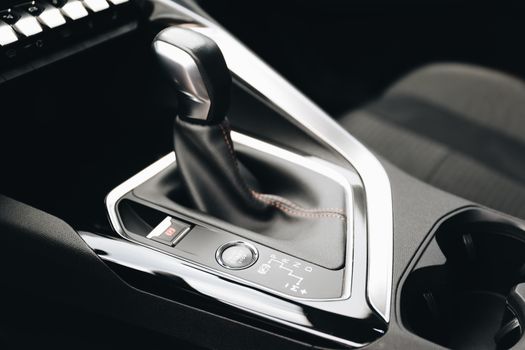 Photo: Melike B / Pexels
Recognizing the signs of degrading transmission fluid is critical for proactive maintenance, even if you're meticulously following a schedule. Your vehicle often communicates its needs through subtle cues. One of the most common indicators is a change in shifting behavior. You might notice delayed engagement when shifting into Drive or Reverse, harsh or clunky shifts between gears, or the transmission slipping out of gear unexpectedly. These symptoms often point to fluid that has lost its hydraulic properties or is contaminated with wear particles, impairing its ability to properly actuate the clutch packs and bands. Another tell-tale sign is the color and smell of the fluid itself. Healthy transmission fluid is typically a bright, translucent red. As it degrades, it darkens, often turning brown or even black. A burnt smell is an unmistakable indicator of overheating and severe degradation, signaling an urgent need for service. This burnt smell often comes from clutch material breaking down and contaminating the fluid. If you have a dipstick for your transmission fluid (many newer vehicles, especially sealed units, do not), checking it regularly can provide valuable insights. Beyond performance issues and fluid characteristics, keep an eye (or ear) out for unusual noises. Whining, grinding, or humming sounds coming from the transmission area, especially during shifts or while idling, can indicate internal wear exacerbated by poor lubrication from old fluid. Furthermore, if your vehicle’s transmission temperature warning light illuminates, it’s a clear sign of overheating, which rapidly destroys transmission fluid and components. Ignoring these warning signs is one of the most common and costly mistakes vehicle owners make. Another critical mistake is assuming 'lifetime fluid' means no maintenance is ever needed. As discussed, 'lifetime' is often conditional and does not account for severe driving conditions. Skipping fluid changes entirely is a surefire way to shorten your transmission's lifespan. Using the wrong type of transmission fluid is another grave error. Transmissions are highly sensitive to the specific chemical composition and viscosity of the fluid. Using an unapproved fluid, even if it's for a different transmission type, can lead to immediate and severe damage. Always refer to your owner's manual or consult a certified mechanic for the correct fluid specification. Finally, attempting a DIY fluid change without proper knowledge, tools, or understanding of your specific transmission can also lead to issues. Over-tightening drain plugs, failing to replace gaskets, or improper refilling techniques can result in leaks or insufficient fluid levels, both of which are detrimental. While some enthusiasts successfully perform DIY changes, for most, professional service is the safest and most reliable option. Being vigilant about these signs and avoiding common pitfalls will significantly contribute to the longevity and smooth operation of your vehicle's transmission. Regular inspections and adherence to appropriate service intervals, factoring in your specific driving conditions, are the cornerstones of effective transmission maintenance. This proactive approach minimizes the risk of unexpected breakdowns and the associated high repair costs, ensuring your vehicle remains a reliable mode of transportation.