✓ Always ensure vehicles are in Park/Neutral and turned off before connecting cables.
✓ Connect positive (+) to positive (+), then negative (-) of donor to a metal ground point on the dead car.
✓ Never allow jumper cable clamps to touch each other once connected to a battery.
✓ A dead battery can often be revived, but persistent issues may indicate a deeper problem.
How It Works
1
Prepare Both Vehicles
Position the assisting vehicle close enough for jumper cables to reach, ensuring both cars are off and in park or neutral. Gather your safety gear, including gloves and eye protection.
2
Connect Positive Cables
Attach one red (positive) clamp to the positive terminal of the dead battery, then the other red clamp to the positive terminal of the working battery. Ensure a secure connection on both ends.
3
Connect Negative Cables
Attach one black (negative) clamp to the negative terminal of the working battery. Then, connect the other black clamp to a clean, unpainted metal surface on the engine block or chassis of the dead car, away from the battery.
4
Start the Donor Vehicle & Wait
Start the assisting vehicle and let it run for 5-10 minutes to charge the dead battery. After waiting, attempt to start the vehicle with the dead battery.
Understanding Your Car Battery and Why It Dies
Photo: Sergey Meshkov / Pexels
A dead car battery is a common and frustrating occurrence that can leave you stranded. Before diving into how to jump start a dead car battery, it's crucial to understand what a car battery does and why it might fail. Your car battery is essentially a rechargeable power source, typically a 12-volt lead-acid battery, responsible for providing the initial jolt of electricity needed to crank your engine. Once the engine starts, the alternator takes over, powering the vehicle's electrical systems and recharging the battery. When your battery dies, it means it no longer holds sufficient charge to perform its primary function.
Several factors can lead to a dead battery. One of the most common culprits is leaving headlights on, interior lights, or other accessories plugged in when the engine is off. Even a small parasitic drain, like a faulty relay or a poorly installed aftermarket accessory, can slowly deplete the battery over time. Extreme weather conditions also play a significant role. Cold weather reduces the battery's chemical efficiency, making it harder for it to deliver power, while hot weather can accelerate the internal chemical reactions, leading to faster degradation and fluid evaporation. Age is another undeniable factor; most car batteries have a lifespan of 3-5 years. Over time, the internal components degrade, and the battery's ability to hold a charge diminishes. Frequent short trips, where the alternator doesn't have enough time to fully recharge the battery, can also contribute to its premature demise. Understanding these reasons can help you prevent future battery issues and prompt you to consider car battery replacement if the problem is chronic. Recognizing the signs of a failing battery, such as slow engine cranking, dimming headlights, or the battery warning light on your dashboard, can give you a heads-up before you're left with a completely dead car. Knowing these foundational elements empowers you to approach the jump-starting process with greater awareness and safety.
Essential Tools and Safety Precautions for Jump Starting
Photo: Vladimir Srajber / Pexels
Before you even think about connecting those cables, ensuring you have the right tools and are aware of critical safety precautions is paramount. Attempting to jump start a dead car battery without proper preparation can be dangerous, potentially causing injury to yourself or damage to the vehicles involved. The most crucial tool you'll need is a set of high-quality jumper cables. Look for cables that are at least 10-20 feet long and have a thick gauge wire (e.g., 6-gauge or 4-gauge) to ensure efficient power transfer. Thicker cables mean less resistance and a more effective jump. Cheap, thin cables can overheat and be ineffective, especially with larger vehicles.
Beyond the cables, several safety items are highly recommended. Eye protection, such as safety glasses or goggles, is a must. Batteries contain sulfuric acid, which can cause severe burns if it comes into contact with your eyes. Gloves are also advisable to protect your hands from acid splashes or dirt. A small flashlight can be incredibly helpful if you're attempting a jump start in low-light conditions. It's also wise to have a basic toolkit, including a wrench, in case you need to clean battery terminals or tighten loose connections. Always carry a first-aid kit in your vehicle for any unforeseen minor accidents.
Safety precautions extend beyond just gear. Always ensure both vehicles are turned off and in Park (automatic) or Neutral (manual) with the parking brakes engaged. This prevents accidental movement. Never smoke or use open flames near a car battery, as batteries produce hydrogen gas, which is highly flammable. Make sure the area is well-ventilated. Before connecting any cables, inspect both batteries for any signs of damage, such as cracks, leaks, or corrosion. If a battery appears severely damaged or is leaking, do not attempt to jump start it. It could explode. Finally, read your car's owner's manual for specific instructions or warnings related to jump-starting, as some modern vehicles have particular procedures or designated jump points. Adhering to these safety guidelines is not just a recommendation; it's a necessity to ensure a safe and successful jump start.
Step-by-Step Guide: How to Jump Start a Dead Car Battery
Photo: Daniel @ bestjumpstarterreview.com / Pexels
Successfully jump-starting a dead car battery requires a precise sequence of steps. Deviating from these steps can lead to sparks, damage to electrical systems, or even personal injury. Follow this detailed guide to safely and effectively get your vehicle running again. First, park the assisting vehicle with the working battery as close as possible to the vehicle with the dead battery, ensuring the jumper cables can reach both batteries without being stretched taut. Crucially, make sure neither vehicle is touching the other. Both cars must be turned off, in Park (automatic) or Neutral (manual), with their parking brakes firmly engaged. This prevents any accidental movement during the process.
Now, it's time to connect the jumper cables. Take the red (positive, +) clamp and attach it securely to the positive terminal of the dead battery. This terminal is usually larger and marked with a plus (+) sign. Next, take the other end of the red cable and attach its clamp to the positive terminal of the working battery. Ensure both connections are firm and not wobbly. For the black (negative, -) cable, attach one clamp to the negative terminal of the working battery. The negative terminal is typically smaller and marked with a minus (-) sign. Do NOT attach the other black clamp to the negative terminal of the dead battery. Instead, find a clean, unpainted metal surface on the engine block or chassis of the dead car, away from the battery and moving parts. This provides a ground connection and helps prevent sparks near the battery, which can ignite hydrogen gas. Once all four clamps are securely connected, double-check that no cables are dangling near moving engine parts and that the clamps are not touching each other.
With the cables connected, start the engine of the assisting vehicle. Let it run for at least 5 to 10 minutes. This allows the working battery to transfer a sufficient charge to the dead battery. After this waiting period, try to start the vehicle with the dead battery. If it starts, great! Let it run for at least 15-20 minutes to allow the alternator to recharge the battery. If it doesn't start, wait a few more minutes with the assisting vehicle running, then try again. If after several attempts, the car still won't start, there might be a deeper issue, such as a completely failed battery, a faulty starter, or an alternator problem. For ongoing issues, consider consulting a professional or exploring options for automotive battery chargers to maintain your battery's health. Once the dead car starts, carefully disconnect the jumper cables in the reverse order: first the negative from the jumped car's ground, then the negative from the assisting car, then the positive from the assisting car, and finally the positive from the jumped car. Drive the car for at least 20-30 minutes to ensure the battery gets a good charge.
Common Mistakes to Avoid and Advanced Tips for Battery Longevity
Photo: Sergey Meshkov / Pexels
Even with the best intentions, mistakes can happen when you jump start a dead car battery, leading to frustration or even damage. One of the most common and dangerous errors is connecting the jumper cables incorrectly, particularly reversing the polarity. Connecting positive to negative can cause severe damage to the vehicles' electrical systems, blow fuses, or even lead to battery explosion. Always double-check your connections before starting the process. Another frequent mistake is allowing the clamps to touch each other once they are connected to a battery; this can create a short circuit and spark. Forgetting to turn off both vehicles before connecting or disconnecting cables is another oversight that can cause electrical surges. Furthermore, not allowing enough time for the donor vehicle to charge the dead battery often results in a failed jump start, leading to repeated, unnecessary attempts.
Here are some common mistakes to avoid:
* **Incorrect Polarity:** Always connect positive (+) to positive (+) and negative (-) to a ground point, not the dead battery's negative terminal.
* **Touching Clamps:** Never let the metal parts of the jumper cable clamps touch each other, especially once connected to a battery.
* **Vehicles On:** Ensure both vehicles are completely off before connecting or disconnecting cables.
* **Insufficient Charging Time:** Give the donor vehicle at least 5-10 minutes to charge the dead battery before attempting to start.
* **Ignoring Damage:** Do not attempt to jump a cracked, leaking, or visibly damaged battery.
To extend your car battery's life and minimize the chances of needing a jump start, consider these advanced tips. Regularly clean your battery terminals to remove corrosion, which can impede electrical flow. A mixture of baking soda and water can be used for this. Ensure your battery terminals are always tight and secure. Periodically check your battery's voltage with a multimeter; a healthy car battery should read around 12.6 volts or higher when the engine is off. If you frequently take short trips, consider investing in a trickle charger or battery maintainer, especially if your car sits for extended periods. These devices keep the battery topped up without overcharging. Finally, have your battery and charging system (alternator) tested annually by a professional, especially as your battery approaches its typical lifespan. Proactive maintenance can save you from inconvenient breakdowns and the need to jump start a dead car battery at the least opportune moment.
Comparison
Feature
Traditional Jumper Cables
Portable Jump Starter
Roadside Assistance
Cost
$20-$50
$60-$200
Varies (membership/per-service)
Requires Another Car
✓
✗
✗
Portability
Easy
Very Easy
N/A
Ease of Use
Moderate
Easy
None (professional does it)
Safety Concerns
Moderate
Low
Low
Speed
Fast (if another car is present)
Fast
Can be slow (wait time)
Additional Tools Needed
None
None
None
What Readers Say
★★★★★
"This guide on how to jump start a dead car battery was incredibly clear and easy to follow. My car died in a parking lot, and with these instructions, I had it running again in under 15 minutes. Saved me a tow!"
David R. · Dallas, TX
★★★★★
"I've always been nervous about jump-starting, but the safety tips in this article made me feel confident. The step-by-step process was spot-on, and my car started right up. Highly recommend reading this."
Sarah J. · Orlando, FL
★★★★★
"After my car wouldn't start this morning, I found this guide. It walked me through every connection, and my car fired up on the first try. The detailed explanation of why batteries die was also really insightful."
Mark T. · Seattle, WA
★★★★★
"The instructions were mostly excellent, though I wish there was a bit more emphasis on what to do if the car doesn't start after the first few attempts. Still, it got my car going, which is what matters."
Emily C. · Boston, MA
★★★★★
"As a new driver, understanding how to jump start a dead car battery was intimidating. This article broke it down perfectly. I feel much more prepared for roadside emergencies now."
Robert L. · Denver, CO
Frequently Asked Questions
What is the correct order to connect jumper cables?
Connect the red (+) clamp to the positive terminal of the dead battery, then the other red (+) clamp to the positive terminal of the working battery. Next, attach one black (-) clamp to the negative terminal of the working battery. Finally, connect the other black (-) clamp to a clean, unpainted metal ground point on the engine block or chassis of the dead car, away from the battery.
Is it safe to jump start a car with a completely dead battery?
Yes, it is generally safe to jump start a car with a completely dead battery, provided there are no signs of physical damage (cracks, leaks) to the battery itself. Always follow safety precautions and proper connection order to avoid risks.
How long should I let the donor car run after connecting cables?
After connecting the cables, let the donor vehicle run for at least 5 to 10 minutes. This allows sufficient time for the working battery to transfer a charge to the dead battery before you attempt to start the disabled vehicle.
How much does it cost to replace a car battery?
The cost to replace a car battery can vary widely, typically ranging from $100 to $300, depending on the car's make and model, the battery type (e.g., standard lead-acid, AGM, EFB), and labor costs if installed by a mechanic. DIY replacement can save on labor.
Should I use jumper cables or a portable jump starter?
Both are effective. Jumper cables require another working vehicle, while a portable jump starter is a standalone device that provides power. Portable jump starters are often considered safer and more convenient as they eliminate the need for a second vehicle and reduce the risk of incorrect connections.
Who should learn how to jump start a dead car battery?
Every driver should learn how to jump start a dead car battery. It's a fundamental skill for roadside emergencies that can save time, money, and stress, whether you're helping yourself or assisting someone else in need.
Can jump starting damage my car's electronics?
Improper jump-starting, especially incorrect polarity connections, can potentially damage a car's sensitive electronic components, such as the alternator, ECU, or stereo system. Always follow the correct procedure and safety guidelines to prevent such damage.
What are future trends in car battery technology?
Future trends in car battery technology include advancements in lithium-ion batteries for electric vehicles, which offer higher energy density and longer lifespans. For conventional vehicles, innovations focus on more efficient lead-acid batteries, enhanced cold-weather performance, and smart battery management systems to prolong battery life and improve reliability.
Don't let a dead battery leave you stranded. By understanding how to jump start a dead car battery, you equip yourself with a vital skill for safe and swift roadside recovery. Always prioritize safety, follow the correct steps, and consider regular battery maintenance to ensure your vehicle is always ready for the road ahead.

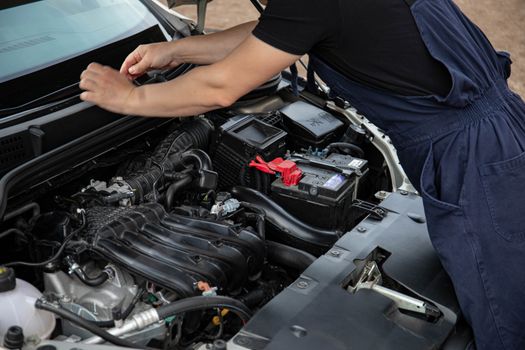 Photo: Sergey Meshkov / Pexels
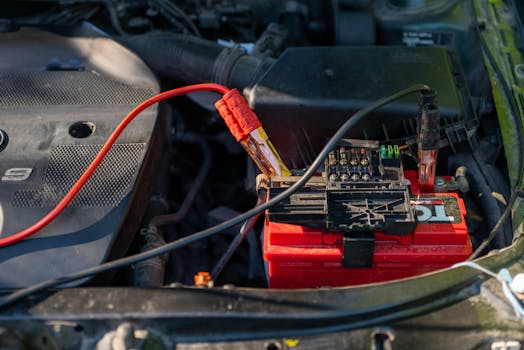 Photo: Vladimir Srajber / Pexels
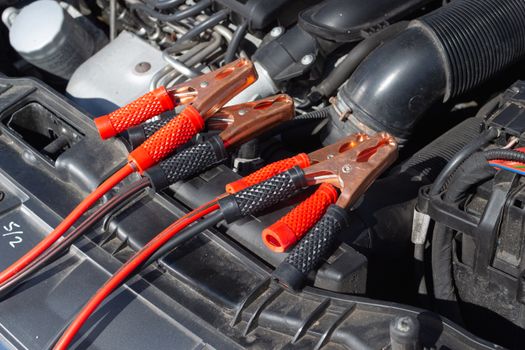 Photo: Daniel @ bestjumpstarterreview.com / Pexels
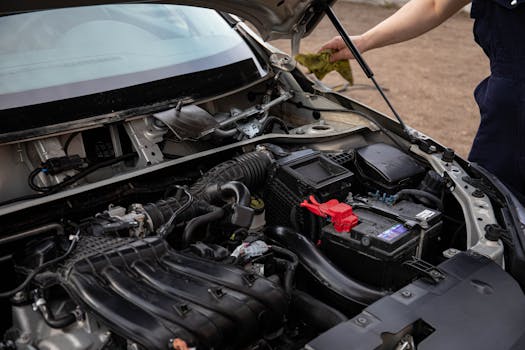 Photo: Sergey Meshkov / Pexels