
What Does a Catalytic Converter Do? Your Car's Emissions Hero
what does a catalytic converter do

What Does a Catalytic Converter Do? Your Car's Emissions Hero

This unsung hero transforms harmful pollutants into less toxic gases, making your car cleaner and the air safer.

Learn More Now

Key Takeaways

  • ✓ Invented in the 1970s to combat air pollution from vehicles.
  • ✓ Contains precious metals like platinum, palladium, and rhodium.
  • ✓ Converts up to 90% of harmful exhaust gases into safer compounds.
  • ✓ Mandatory on all gasoline-powered vehicles in the US since 1975.

How It Works

1
Exhaust Gas Entry

Hot, untreated exhaust gases containing carbon monoxide, hydrocarbons, and nitrogen oxides enter the catalytic converter from the engine. These gases are highly toxic to humans and the environment.

2
First Catalyst (Reduction)

The gases pass over a platinum and rhodium catalyst. This section primarily targets nitrogen oxides (NOx), converting them into nitrogen gas (N2) and oxygen (O2) through a chemical reduction reaction.

3
Second Catalyst (Oxidation)

Next, the gases encounter a platinum and palladium catalyst. Here, carbon monoxide (CO) is oxidized into carbon dioxide (CO2), and unburnt hydrocarbons (HC) are oxidized into water (H2O) and carbon dioxide (CO2).

4
Cleaned Gas Exit

After passing through both catalytic stages, the significantly less harmful gases exit the converter and continue through the exhaust system, eventually being released into the atmosphere.

The Crucial Role of Automotive Emission Control
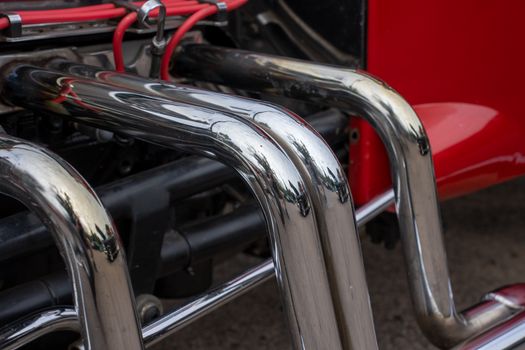
Detailed view of shiny chrome exhaust pipes on a classic hot rod in Nelson, WI. Photo: Tom Fisk / Pexels
In an era where environmental consciousness is paramount, understanding the intricate mechanisms that make our vehicles greener is more important than ever. At the heart of a car's emission control system lies a device that, while often unseen and unheard, performs an indispensable function: the catalytic converter. So, what does a catalytic converter do? Simply put, it's a sophisticated chemical reactor designed to reduce the toxicity of pollutants in exhaust gas from an internal combustion engine. Without this vital component, the air we breathe would be significantly more polluted, leading to widespread health issues and accelerating environmental degradation. Before the widespread adoption of catalytic converters in the mid-1970s, vehicles were significant contributors to smog and acid rain. The exhaust fumes contained high concentrations of three major harmful pollutants: carbon monoxide (CO), unburnt hydrocarbons (HC), and nitrogen oxides (NOx). Carbon monoxide is a colorless, odorless, and highly poisonous gas that can be fatal even in small concentrations. Hydrocarbons, essentially unburnt fuel, contribute to smog formation and are known carcinogens. Nitrogen oxides are responsible for acid rain, ground-level ozone, and respiratory problems. The invention and mandatory implementation of the catalytic converter marked a monumental shift in automotive engineering and public health policy. This device works by facilitating chemical reactions that convert these hazardous gases into less harmful substances. It doesn't 'filter' pollutants in the traditional sense; instead, it chemically transforms them. The process relies on precious metals as catalysts, which accelerate reactions without being consumed themselves. These catalysts are typically coated onto a ceramic honeycomb structure or ceramic beads, which provide a large surface area for the exhaust gases to interact with the catalytic materials. The converter is strategically placed in the exhaust system, usually between the engine and the muffler, where exhaust gases are still hot enough for the catalytic reactions to occur efficiently. Its placement is critical, as optimal operating temperatures (around 400-800°C or 750-1470°F) are necessary for the chemical transformations to take place effectively. Understanding the fundamental components of an exhaust system is key to appreciating the catalytic converter's role. Without it, your vehicle would not only fail emissions tests but also contribute significantly more to air pollution, directly impacting public health and environmental quality.

The Science Behind the Conversion: How Catalysts Work

Elegant white Mercedes-Benz convertible parked outdoors, showcasing luxury and style. Photo: Mike Bird / Pexels
Delving deeper into the question, "what does a catalytic converter do?" requires an understanding of the fascinating chemical processes it orchestrates. The core of its functionality lies in its internal structure and the catalytic materials used. Most modern catalytic converters are 'three-way' converters, meaning they address all three primary pollutants: nitrogen oxides (NOx), carbon monoxide (CO), and hydrocarbons (HC). This is achieved through two distinct types of catalytic reactions: reduction and oxidation. Upon entering the converter, exhaust gases first encounter the reduction catalyst, typically composed of platinum and rhodium. Here, nitrogen oxides (NOx) are targeted. Nitrogen oxides are compounds formed when nitrogen and oxygen react at high temperatures within the engine cylinders. The reduction catalyst facilitates the removal of oxygen from the nitrogen oxide molecules, releasing oxygen gas (O2) and nitrogen gas (N2), both of which are harmless constituents of the air we breathe. For example, 2NOx → xO2 + N2. Rhodium is particularly effective at this reduction reaction, playing a critical role in mitigating smog-forming emissions. Following the reduction stage, the gases move to the oxidation catalyst, which is usually made of platinum and palladium. This section focuses on converting carbon monoxide (CO) and unburnt hydrocarbons (HC). Carbon monoxide is the result of incomplete combustion, where there isn't enough oxygen to form carbon dioxide. The oxidation catalyst adds oxygen to CO, transforming it into carbon dioxide (CO2), a naturally occurring gas, though a greenhouse gas. The reaction is 2CO + O2 → 2CO2. Similarly, unburnt hydrocarbons, which are essentially fuel molecules that didn't combust in the engine, are oxidized into carbon dioxide and water vapor (H2O). For instance, CnHm + (n+m/4)O2 → nCO2 + (m/2)H2O. Palladium is highly efficient in these oxidation processes. The ceramic honeycomb structure, known as a monolith, provides an enormous surface area – often several football fields worth – within a small volume, allowing maximum interaction between the exhaust gases and the catalytic coatings. This ingenious design ensures that the chemical reactions are highly efficient, even at high flow rates of exhaust gas. The precise mixture of these precious metals and the intricate internal design are what enable the catalytic converter to perform its critical environmental function so effectively.

Maintenance, Malfunctions, and the Lifespan of Your Converter

Mechanic checking a car engine in a garage, ensuring quality maintenance and repair. Photo: Andrea Piacquadio / Pexels
Understanding what does a catalytic converter do also involves recognizing its vulnerabilities and how to maintain its optimal performance. While designed for durability, catalytic converters are not indestructible and can experience various issues that impair their function or lead to failure. A properly functioning catalytic converter is crucial for passing emissions tests, maintaining fuel efficiency, and, most importantly, protecting the environment. Its lifespan is typically around 100,000 miles or more, but certain factors can significantly shorten this. Regular vehicle maintenance, including timely oil changes and engine tune-ups, plays a direct role in preserving the converter's health. One of the most common causes of catalytic converter failure is contamination. If the engine burns oil or coolant, these substances can reach the converter and coat the precious metal catalysts, rendering them ineffective. Similarly, excessive amounts of unburnt fuel entering the converter, often due to a misfiring spark plug or a faulty oxygen sensor, can lead to overheating. When raw fuel ignites inside the converter, temperatures can soar to extreme levels, melting the ceramic substrate and causing a blockage. This blockage restricts exhaust flow, leading to reduced engine power, poor fuel economy, and potentially even engine damage. A common symptom of a failing or clogged converter is a noticeable loss of power, especially when accelerating, and a strong sulfur-like smell (rotten eggs) from the exhaust, indicating the converter is no longer processing hydrogen sulfide effectively. Another sign can be your check engine light illuminating, often triggered by oxygen sensors reporting incorrect readings due to the converter's inefficiency. Physical damage, such as hitting road debris, can also harm the converter, leading to cracks or internal dislodgement of the ceramic substrate. Theft is another unfortunate reality, as the precious metals within converters make them a target for thieves. If your catalytic converter is stolen, you'll immediately notice an extremely loud exhaust noise, as the converter's shell also acts as a muffler. Replacing a catalytic converter can be a significant expense due to the cost of the precious metals. Therefore, proactive maintenance and addressing engine issues promptly are key to extending its life and avoiding costly repairs. Ignoring converter problems can not only harm your engine but also lead to failing emissions inspections, rendering your vehicle illegal to drive in many states.

Protecting Your Converter and Ensuring Emission Compliance
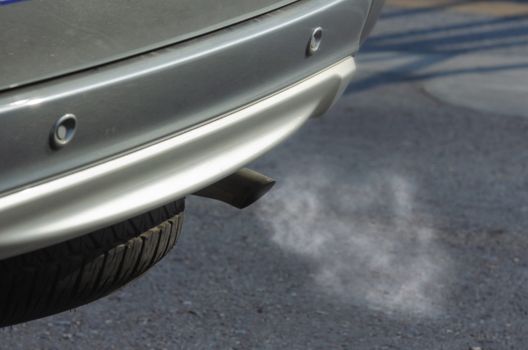
Close-up of a silver car exhaust pipe emitting smoke on asphalt road. Photo: Khunkorn Laowisit / Pexels
Understanding what does a catalytic converter do is the first step; protecting it and ensuring your vehicle remains emissions compliant is the next. Given its critical role and the expense associated with replacement, taking preventative measures is paramount. The primary way to safeguard your catalytic converter is by maintaining your engine in optimal condition. A well-tuned engine ensures complete combustion, minimizing the amount of unburnt fuel and harmful byproducts entering the exhaust system. This includes regularly checking and replacing spark plugs, ensuring proper air-fuel mixture through functional oxygen sensors, and addressing any engine misfires immediately. Avoid using fuel additives or leaded gasoline, as lead can irreversibly 'poison' the catalysts, coating them and preventing them from reacting with pollutants. While leaded gasoline is largely phased out in the US, being mindful of any aftermarket fuel treatments is wise. If your vehicle exhibits symptoms such as a lack of power, reduced fuel economy, or the illumination of the check engine light, don't delay diagnosis. These could be early warning signs of catalytic converter issues or underlying engine problems that will eventually damage the converter. Early intervention can often save you from a complete converter replacement. Regular vehicle inspections, including emissions tests where applicable, are also crucial. These tests verify that your catalytic converter is functioning effectively and that your vehicle meets environmental standards. Failing an emissions test often points directly to a compromised catalytic converter or other components in the emission control system. In regions prone to catalytic converter theft, consider installing anti-theft devices such as catalytic converter shields or cages. These physical barriers make it significantly harder and more time-consuming for thieves to remove the component. Additionally, parking in well-lit areas or secure garages can deter opportunistic theft. While the cost of a new catalytic converter can be daunting, investing in proper engine maintenance and preventative measures is a far more cost-effective approach to ensuring your vehicle remains environmentally friendly and compliant for years to come. Remember, a healthy engine equals a healthy catalytic converter, and a healthy catalytic converter means cleaner air for everyone.

Comparison

FeatureModern 3-Way Catalytic ConverterOlder 2-Way Catalytic ConverterNo Catalytic Converter
Pollutants ReducedCO, HC, NOxCO, HCNone (high levels)
Precious Metals UsedPlatinum, Palladium, RhodiumPlatinum, PalladiumNone
Emissions ComplianceExcellent (meets modern standards)Fair (meets older standards)None (fails modern standards)
Impact on Air QualitySignificantly improvedModerately improvedSeverely detrimental
Engine Performance ImpactMinimalMinimalSlight increase (illegal)

What Readers Say

"My mechanic explained what does a catalytic converter do when my check engine light came on. Learning how it cleans the air really made me appreciate its role. Got mine fixed, and my car runs so much cleaner now!"

Sarah J. · Austin, TX

"Had no idea how important this part was until mine failed. The article perfectly describes what does a catalytic converter do. It's truly an unsung hero for cleaner emissions."

Mark D. · Seattle, WA

"After reading this, I understand why my car passed its last emissions test so easily. My catalytic converter is clearly doing its job perfectly, converting those nasty gases into safer ones. Great explanation!"

Emily R. · Miami, FL

"While I appreciate what does a catalytic converter do for the environment, the cost of replacing one is quite high. Still, it's a necessary component for clean air, and this article clarified its function well."

David L. · Denver, CO

"As someone who cares about climate change, understanding what does a catalytic converter do for our planet is empowering. It's amazing how this single component can make such a huge difference in reducing vehicle pollution."

Jessica M. · Chicago, IL

Frequently Asked Questions

What are the main pollutants a catalytic converter reduces?

A modern three-way catalytic converter primarily reduces three harmful pollutants: carbon monoxide (CO), unburnt hydrocarbons (HC), and nitrogen oxides (NOx). It converts these into less toxic substances like carbon dioxide (CO2), nitrogen (N2), and water (H2O) through chemical reactions.

Will my car run without a catalytic converter?

Your car might run without a catalytic converter, but it's illegal in the US and most developed countries. Removing it will cause your check engine light to come on, fail emissions tests, and significantly increase your vehicle's harmful emissions, contributing to air pollution.

How do I know if my catalytic converter is going bad?

Common symptoms of a failing catalytic converter include a noticeable decrease in engine performance (especially acceleration), reduced fuel economy, a sulfur-like (rotten egg) smell from the exhaust, and the illumination of your check engine light. A rattling sound from underneath the car can also indicate internal damage.

How much does it cost to replace a catalytic converter?

The cost to replace a catalytic converter can vary widely, typically ranging from $500 to $2,500 or more, depending on the vehicle make and model, labor costs, and whether you use an OEM or aftermarket part. The high cost is largely due to the precious metals contained within the device.

Is a catalytic converter the same as a muffler?

No, a catalytic converter is not the same as a muffler. While both are part of the exhaust system, a catalytic converter's primary function is to chemically convert harmful exhaust gases into less toxic ones. A muffler's main purpose is to reduce the noise produced by the engine's exhaust.

Who should be concerned about their catalytic converter?

Every vehicle owner should be concerned about their catalytic converter. It's essential for environmental protection, passing vehicle inspections, and maintaining optimal engine performance. Those living in areas with strict emissions laws or high rates of catalytic converter theft should be particularly vigilant.

Are catalytic converters dangerous?

No, catalytic converters themselves are not dangerous. They are a safety device designed to reduce harmful emissions. However, if a converter fails and becomes clogged, it can cause excessive heat in the exhaust system, posing a potential fire risk if flammable materials are underneath the vehicle.

What is the future of catalytic converters with electric vehicles?

With the rise of electric vehicles (EVs), the need for catalytic converters will gradually diminish for new cars, as EVs produce no tailpipe emissions. However, for the vast fleet of gasoline and hybrid vehicles currently on the road, catalytic converters will remain a vital component for many decades to come.

Now that you understand what does a catalytic converter do, you're better equipped to maintain your vehicle and contribute to cleaner air. Keep your engine healthy, address warning signs promptly, and ensure your catalytic converter continues its vital work for years to come.

Topics: what does a catalytic converter docatalytic converter functioncar emissions reductionauto exhaust systempollution control device
Leo List
Brampton weed
Adultwork EstrelaBet Vai de Bet R7 Bet Betão Galera Bet Rainbet Bet9ja Shop SportyBet BetKing Sisal Loto Foot Hollywoodbets YesPlay Odibets RushBet Jugabet BetWarrior BetCity MSport betPawa Fortebet