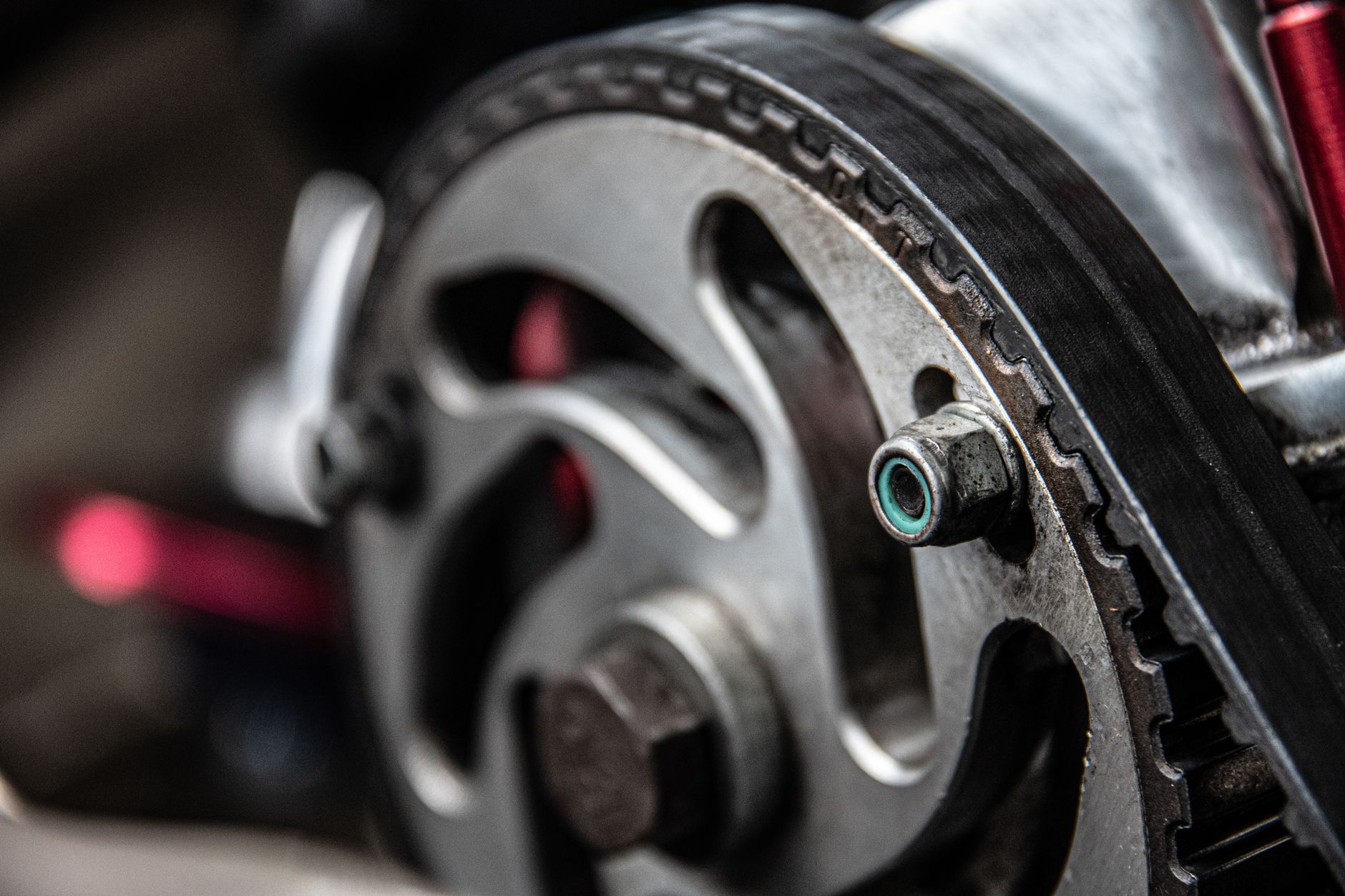
When to Replace Serpentine Belt: Your Ultimate Guide
when to replace serpentine belt

When to Replace Serpentine Belt: Your Ultimate Guide

Master the timing and signs for serpentine belt replacement to prevent costly breakdowns and ensure vehicle reliability.

Get Started Now

Key Takeaways

  • ✓ Most serpentine belts last 50,000 to 100,000 miles.
  • ✓ Cracks, fraying, and glazing are key visual indicators of wear.
  • ✓ Squealing noises are a common symptom of a failing belt.
  • ✓ A broken serpentine belt can cause immediate vehicle shutdown.

How It Works

1
Understand Its Function

The serpentine belt powers critical engine accessories like the alternator, power steering pump, and AC compressor. Its continuous operation is vital for your vehicle's functionality.

2
Recognize Warning Signs

Pay attention to unusual noises (squealing, chirping), visible damage (cracks, fraying), and issues with accessory performance. These are early indicators of a failing belt.

3
Inspect Regularly

Periodically check your serpentine belt for wear and tear, especially during oil changes or routine maintenance. Early detection can prevent unexpected failures and expensive repairs.

4
Adhere to Manufacturer's Schedule

Consult your vehicle's owner's manual for recommended replacement intervals. This proactive approach ensures you replace the belt before it becomes a problem, maintaining optimal performance.

The Critical Role of Your Serpentine Belt in Vehicle Performance
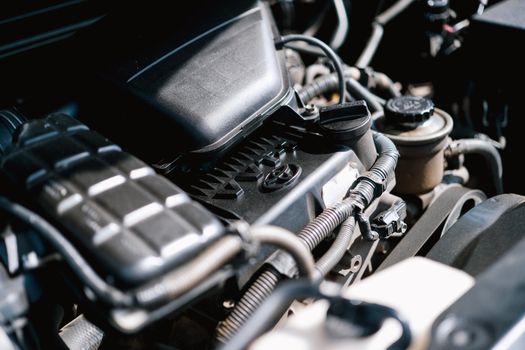
Detailed view of car engine parts, showcasing cables and components with bright lighting. Photo: Ayyeee Ayyeee / Pexels
The serpentine belt, often referred to as the drive belt, is a single, continuous belt that drives multiple peripheral devices in an automotive engine. Unlike older vehicles that used several V-belts, modern cars typically rely on one serpentine belt to power essential components such as the alternator, power steering pump, air conditioning compressor, and sometimes the water pump. Without a properly functioning serpentine belt, these crucial systems would cease to operate, leading to a cascade of problems that can quickly immobilize your vehicle. Imagine driving down the highway and suddenly losing power steering, having your battery drain because the alternator isn't charging, or your engine overheating due to a non-functional water pump. All these scenarios can stem from a single point of failure: a worn-out or broken serpentine belt. Understanding its indispensable role is the first step in appreciating why timely maintenance and replacement are paramount. This belt is under constant tension and exposed to varying temperatures and environmental conditions, making it susceptible to wear over time. Its design allows it to snake around multiple pulleys, transferring power efficiently from the engine's crankshaft to the various accessories. The material composition, typically a blend of rubber and synthetic fibers, is engineered for durability, but even the strongest materials have a lifespan. Neglecting this vital component can lead to not only inconvenience but also potentially dangerous driving conditions and significant repair costs. Proactive inspection and adherence to recommended service intervals are key to preventing these issues. A healthy serpentine belt ensures that all your car's critical accessories receive the power they need to function correctly, contributing to a smooth, safe, and reliable driving experience. When considering car maintenance schedules, the serpentine belt should always be a priority item for inspection.

Recognizing the Warning Signs: When to Replace Your Serpentine Belt

Identifying the early warning signs of a failing serpentine belt is crucial for preventing unexpected breakdowns. The most common and often first symptom drivers notice is a loud squealing or chirping noise coming from under the hood. This sound typically occurs when the engine is first started, especially in cold or damp weather, or during hard acceleration. The noise is usually caused by the belt slipping on one or more pulleys, which can be due to excessive wear, improper tension, or contamination (like oil or coolant). While a temporary squeal might not always indicate immediate failure, persistent or worsening noise is a strong indicator that the belt needs attention. Beyond auditory cues, visual inspection is paramount. Look for visible signs of wear and tear on the belt's surface. Cracks, especially those running perpendicular to the belt's length, are a clear sign of degradation. Fraying along the edges of the belt, missing chunks of rubber, or a glazed (shiny) appearance on the ribbed side are also critical indicators. A glazed belt suggests that the rubber has hardened and lost its flexibility, reducing its grip on the pulleys and increasing the likelihood of slipping. Another less obvious but equally important sign is a loss of performance in the accessories powered by the belt. For instance, if your power steering feels heavier than usual, your air conditioning isn't blowing as cold, or your headlights seem dim, it could be a sign that the serpentine belt is slipping and not providing adequate power to these components. In severe cases, a completely failed or broken serpentine belt will result in an immediate loss of power to all connected accessories. This means no power steering, no air conditioning, and your battery warning light will illuminate as the alternator stops charging. If the water pump is also driven by the serpentine belt, your engine will quickly overheat. Recognizing these symptoms and acting promptly can save you from being stranded on the side of the road and incurring more extensive, costly repairs. Regular visual checks, ideally every time you open your hood for other maintenance, can help you catch these issues before they escalate. Pay particular attention to the belt's condition around the pulleys, as this is where stress and wear are often most evident. Don't ignore any unusual sounds or visual cues; they are your vehicle's way of telling you it's time for a professional inspection.

Mileage, Age, and Environmental Factors: Determining Serpentine Belt Lifespan

The lifespan of a serpentine belt isn't solely determined by a single factor; rather, it's a combination of mileage, age, and the environmental conditions it operates under. Most vehicle manufacturers recommend replacing the serpentine belt every 50,000 to 100,000 miles, or every 5 to 7 years, whichever comes first. However, these are general guidelines, and your specific driving habits and conditions can significantly impact the belt's longevity. For instance, vehicles primarily driven in stop-and-go city traffic experience more frequent acceleration and deceleration cycles, which can put additional stress on the belt compared to vehicles driven mostly on highways. Extreme temperatures, both hot and cold, can accelerate the degradation of the belt's rubber compounds. High heat can cause the rubber to harden and crack prematurely, while extreme cold can make it brittle and susceptible to breakage. Exposure to contaminants like oil, coolant, or power steering fluid can also severely compromise the belt's integrity. These fluids can break down the rubber, causing it to soften, swell, or delaminate, leading to rapid failure. Therefore, it's crucial to address any fluid leaks under the hood promptly, not only for the sake of the belt but for overall engine health. Beyond these factors, the quality of the belt itself plays a role. OEM (Original Equipment Manufacturer) belts are designed to meet specific vehicle requirements and often offer superior durability. Aftermarket belts can vary in quality, so choosing a reputable brand is important if you're not using an OEM part. When you're considering essential car parts for replacement, the serpentine belt's age is as critical as its mileage. Even if a vehicle has low mileage, a belt that is several years old may still need replacement due to the natural aging process of rubber. Over time, rubber loses its elasticity and becomes more prone to cracking and breaking, regardless of how many miles it has covered. Regular inspections by a qualified mechanic can help assess the belt's condition accurately, taking into account all these variables. They can identify subtle signs of wear that might be missed during a casual visual check, ensuring that you replace the belt before it fails and leaves you stranded. Adhering to a proactive maintenance schedule, rather than waiting for a failure, is always the most cost-effective and safest approach to serpentine belt replacement.

Proactive Maintenance and Common Mistakes to Avoid

Proactive maintenance is key to extending the life of your serpentine belt and preventing unexpected failures. One of the most common mistakes drivers make is neglecting regular visual inspections. A quick check of the belt's surface for cracks, fraying, or glazing during routine oil changes can save you a lot of trouble down the road. Don't just glance at it; run your hand along the belt (when the engine is off and cool!) to feel for any irregularities or excessive play. Another mistake is ignoring the squealing noise. While it might seem minor, a persistent squeal indicates a problem that won't go away on its own. It could be a sign of a worn belt, a misaligned pulley, or a failing tensioner. Addressing the noise promptly can prevent a complete belt failure. Here are some tips for proactive maintenance and common mistakes to avoid: * **Don't ignore fluid leaks:** Oil, coolant, or power steering fluid leaks can severely damage the belt's rubber. Address any leaks immediately to protect your belt and other engine components. * **Check the tensioner:** The automatic belt tensioner maintains proper tension on the serpentine belt. A failing tensioner can lead to belt slippage and premature wear. Ensure it's functioning correctly during inspections. * **Inspect pulleys:** Worn or damaged pulleys can cause the belt to wear unevenly or even jump off. Check for any signs of rust, cracks, or excessive play in the pulleys. * **Choose quality replacements:** When it's time to replace the belt, opt for a high-quality, reputable brand or an OEM part. Cheap, low-quality belts may not last as long and could lead to earlier failure. * **Follow manufacturer recommendations:** Always consult your vehicle's owner's manual for specific replacement intervals and maintenance guidelines. These are tailored to your car's design and operating conditions. * **Consider related components:** Often, when replacing the serpentine belt, it's a good idea to inspect or even replace the belt tensioner and idler pulleys. These components wear out at similar rates and replacing them together can save on labor costs down the line and ensure optimal belt performance. Avoiding these common pitfalls and adopting a proactive approach to serpentine belt maintenance will significantly improve your vehicle's reliability and help you avoid costly roadside emergencies.

Comparison

FeatureNew Serpentine BeltWorn Serpentine BeltBroken Serpentine Belt
AppearanceSmooth, flexible, no cracksCracks, fraying, glazedSnapped, missing pieces
NoiseSilent operationSquealing, chirpingLoud thud then silence
Accessory FunctionOptimal power deliveryReduced, intermittent powerComplete loss of power
Vehicle StatusReliable, safeRisk of breakdownImmobilized, unsafe

What Readers Say

"My car started making a weird chirping sound, especially in the mornings. This guide helped me realize it was time to replace my serpentine belt. Got it done, and the noise is gone!"

David L. · Austin, TX

"I was approaching 80,000 miles and decided to check my belt after reading this article. Found some minor cracks. Replaced it proactively and feel much safer on long drives."

Sarah P. · Denver, CO

"My AC wasn't blowing cold, and I thought it was the compressor. Turns out, the serpentine belt was slipping! Replacing it fixed the issue and saved me from a more expensive repair."

Mark T. · Miami, FL

"Very informative article. While my belt wasn't critically damaged, the visual inspection tips helped me identify some glazing. It's good to know what to look for before it becomes a real problem."

Jessica R. · Seattle, WA

"As a DIY enthusiast, this guide provided excellent detail on when to replace the serpentine belt and what other components to check. It's a comprehensive resource for anyone maintaining their vehicle."

Robert K. · Chicago, IL

Frequently Asked Questions

What is the average lifespan of a serpentine belt?

The average lifespan of a serpentine belt is typically between 50,000 to 100,000 miles, or 5 to 7 years, whichever comes first. However, this can vary based on your vehicle's make and model, driving conditions, and environmental factors. Regular inspections are recommended to assess its actual condition.

Can I drive with a squealing serpentine belt?

While you might be able to drive a short distance with a squealing serpentine belt, it's not recommended for long periods. A squealing belt indicates slippage or wear, which can lead to reduced performance of accessories and eventual failure. It's best to have it inspected and replaced as soon as possible to prevent a complete breakdown.

How can I visually inspect my serpentine belt?

To visually inspect your serpentine belt, ensure your engine is off and cool. Look for cracks (especially perpendicular to the belt's length), fraying along the edges, missing chunks of rubber, or a glazed (shiny) appearance on the ribbed side. Also, check for any oil or fluid contamination that could degrade the rubber.

Is replacing a serpentine belt an expensive repair?

Replacing a serpentine belt is generally considered a relatively inexpensive repair compared to many other automotive services. The cost typically includes the belt itself, which is usually affordable, and labor. However, if related components like the tensioner or idler pulleys also need replacement, the overall cost will increase. Proactive replacement is often more cost-effective than waiting for a breakdown.

What's the difference between a serpentine belt and a timing belt?

The serpentine belt (or drive belt) powers external accessories like the alternator and AC compressor. The timing belt, on the other hand, is an internal engine component that synchronizes the rotation of the crankshaft and camshafts, ensuring proper engine valve timing. A broken timing belt can cause catastrophic engine damage, while a broken serpentine belt will typically only cause a loss of accessories.

Who should replace a serpentine belt?

While some mechanically inclined individuals might attempt to replace a serpentine belt themselves, it's generally recommended to have it replaced by a certified mechanic. Proper tensioning and routing are crucial for correct operation, and incorrect installation can lead to premature belt failure or damage to other components. A professional can also inspect related parts like tensioners and pulleys.

What happens if my serpentine belt breaks while driving?

If your serpentine belt breaks while driving, you will immediately lose power to all accessories it drives. This typically includes power steering (making steering very difficult), the alternator (causing your battery to drain and eventually die), and the air conditioning. If your water pump is also driven by the serpentine belt, your engine will quickly overheat, potentially leading to severe engine damage. You should pull over safely as soon as possible.

Are there any advancements in serpentine belt technology?

Yes, advancements in materials and design continue to improve serpentine belt technology. Modern belts often feature EPDM (Ethylene Propylene Diene Monomer) rubber, which offers enhanced durability and resistance to heat, cracking, and wear compared to older neoprene belts. Some belts also incorporate advanced rib profiles for better grip and reduced noise, contributing to longer lifespans and improved performance.

Don't wait for a breakdown to address your serpentine belt. Use this comprehensive guide to understand when to replace your serpentine belt, recognize the crucial warning signs, and ensure your vehicle remains reliable and safe on the road. Proactive maintenance is your best defense against unexpected repairs.

Topics: when to replace serpentine beltserpentine belt replacement intervalserpentine belt symptomsdrive belt lifespancar belt maintenance
Leo List
Brampton weed
Adultwork