
What is a Catalytic Converter? Your Emissions Guide
what is a catalytic converter

What is a Catalytic Converter? Your Emissions Guide

Discover the vital role this component plays in purifying your vehicle's exhaust and protecting our air quality.

Learn More Now

Key Takeaways

  • ✓ A catalytic converter transforms toxic pollutants in exhaust gas into less harmful substances.
  • ✓ It uses precious metals like platinum, palladium, and rhodium as catalysts.
  • ✓ Mandatory on most gasoline-powered vehicles since the mid-1970s.
  • ✓ Its efficiency is crucial for passing vehicle emissions tests.

How It Works

1
Exhaust Gas Entry

Hot, untreated exhaust gases containing hydrocarbons (HC), carbon monoxide (CO), and nitrogen oxides (NOx) enter the catalytic converter from the engine.

2
Oxidation Catalyst

In the first stage, often a platinum and palladium coated ceramic honeycomb, CO and HC react with oxygen, converting them into carbon dioxide (CO2) and water (H2O).

3
Reduction Catalyst

The second stage, typically rhodium-coated, targets NOx. Nitrogen oxides are stripped of their oxygen atoms, converting them into harmless nitrogen gas (N2) and oxygen (O2).

4
Clean Gas Exit

After passing through both catalytic stages, the now significantly less harmful gases exit the converter and continue through the exhaust system, eventually released into the atmosphere.

The Science Behind Emission Control: Understanding Catalysis
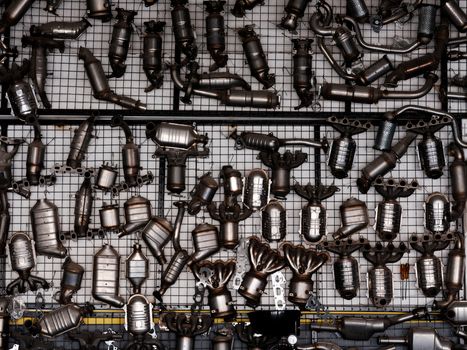
An array of automotive exhaust parts displayed on a grid wall in an industrial garage setting. Photo: Engin Akyurt / Pexels
To truly grasp what is a catalytic converter, it's essential to delve into the fundamental science of catalysis. At its core, a catalytic converter is a sophisticated chemical reactor designed to accelerate specific chemical reactions without being consumed in the process. The 'catalyst' in its name refers to the precious metals it contains: platinum, palladium, and rhodium. These metals are not merely present; they are meticulously coated onto a ceramic honeycomb structure, providing a massive surface area for reactions to occur. When hot exhaust gases, laden with harmful pollutants, flow over these surfaces, the metals initiate and speed up chemical transformations. Consider the primary pollutants emitted by internal combustion engines: carbon monoxide (CO), unburnt hydrocarbons (HC), and nitrogen oxides (NOx). Carbon monoxide is a colorless, odorless, and highly toxic gas that can reduce the blood's ability to carry oxygen. Hydrocarbons are unburnt fuel particles that contribute to smog formation and respiratory issues. Nitrogen oxides are a family of gases that also contribute to smog, acid rain, and can cause respiratory problems. Before the advent of catalytic converters, these pollutants were simply expelled into the atmosphere, leading to significant air quality degradation, particularly in urban areas. The catalytic converter employs a 'three-way' process, meaning it simultaneously reduces three main types of pollutants. The first two reactions are oxidation reactions: carbon monoxide is oxidized to carbon dioxide, and unburnt hydrocarbons are oxidized to carbon dioxide and water. The third reaction is a reduction reaction: nitrogen oxides are reduced to nitrogen gas and oxygen. This intricate dance of chemical reactions occurs at high temperatures, typically between 400°C and 800°C (752°F and 1472°F), which is why the converter is positioned close to the engine, where exhaust gases are hottest. Without these precious metal catalysts, these reactions would either not occur at all or would proceed too slowly to be effective within the short time the exhaust gas spends inside the converter. The efficiency of this process is truly remarkable, converting over 90% of these harmful pollutants into less toxic substances. Understanding this chemical marvel helps appreciate the engineering ingenuity packed into this vital automotive component. For more on how your car's systems work, explore our guide on understanding your vehicle's engine.

The Evolution and Legal Mandates of Catalytic Converters
Low-angle view of a vintage red car under an overcast sky highlighting classic design. Photo: Mike van Schoonderwalt / Pexels
The introduction of the catalytic converter marked a monumental shift in automotive engineering and environmental protection. Prior to its widespread adoption in the mid-1970s, vehicle emissions were a primary contributor to urban air pollution, leading to smog, acid rain, and various health issues. The Clean Air Act of 1970 in the United States was a landmark piece of legislation that mandated significant reductions in vehicle emissions, paving the way for the development and implementation of the catalytic converter. Automakers were faced with the challenge of meeting stringent new standards, and the catalytic converter emerged as the most effective solution. The first catalytic converters were primarily 'two-way' converters, designed to oxidize carbon monoxide and hydrocarbons. However, as environmental science advanced and the full scope of nitrogen oxides' impact became clear, the 'three-way' catalytic converter was developed and became standard. This innovation allowed for the simultaneous reduction of all three major pollutants, a significant leap forward. The initial designs often struggled with leaded gasoline, as lead would 'poison' the catalysts, rendering them ineffective. This directly led to the widespread phase-out of leaded gasoline, another crucial environmental victory linked to the catalytic converter's success. Today, catalytic converters are legally mandated on virtually all new gasoline-powered vehicles sold in the United States and many other countries worldwide. These mandates are enforced through regular vehicle emissions inspections, which are a requirement in many states for vehicle registration renewal. A failing catalytic converter can result in a vehicle failing an emissions test, leading to costly repairs and potential fines. The legal framework surrounding these devices has continuously evolved, with stricter standards being introduced over time to further reduce vehicle pollution. This ongoing commitment to cleaner air underscores the importance of understanding what is a catalytic converter and its integral role in modern environmental regulations. Its presence is not just a technological choice but a legal necessity, ensuring that vehicles operate as cleanly as possible for the benefit of public health and the environment.

Identifying Catalytic Converter Issues and Maintaining Performance

An array of automotive exhaust parts displayed on a grid wall in an industrial garage setting. Photo: Engin Akyurt / Pexels
While designed for durability, catalytic converters are not immune to problems. Recognizing the signs of a failing converter is crucial for both your vehicle's performance and compliance with emissions regulations. One of the most common indicators is a 'Check Engine' light illumination on your dashboard. Modern vehicles use oxygen sensors before and after the catalytic converter to monitor its efficiency. If the downstream sensor detects similar oxygen levels to the upstream sensor, it indicates the converter isn't performing its job effectively, triggering the light. Other symptoms of a failing catalytic converter include reduced engine performance, such as sluggish acceleration or a noticeable decrease in power. This can occur if the ceramic honeycomb structure inside the converter melts or becomes clogged, creating a blockage in the exhaust system. A strong, rotten egg smell (sulfur) from the exhaust is another telling sign, as it indicates that the converter is no longer effectively processing sulfur compounds in the fuel. Additionally, a rattling noise from underneath your vehicle, particularly when starting or accelerating, could suggest that the internal ceramic substrate has broken apart. Maintaining your catalytic converter's performance largely involves maintaining your engine's health. Misfires, excessive oil consumption, or coolant leaks can all introduce unburnt fuel or contaminants into the exhaust system, which can overheat or 'poison' the catalyst. Regular engine tune-ups, prompt attention to warning lights, and using the correct fuel type are all proactive measures to extend the life of your converter. Avoid short trips where the converter doesn't have enough time to reach its optimal operating temperature, as this can lead to carbon buildup. While a catalytic converter is a robust component, it's not invincible, and proper vehicle maintenance is key to its longevity. For further tips on extending the life of your car's components, check out our insights on essential car maintenance practices.

Common Catalytic Converter Problems and Prevention Tips
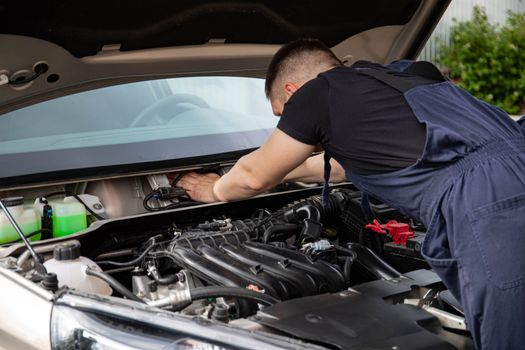
Auto mechanic performs engine maintenance on a car. Focus on hands and engine components. Photo: Sergey Meshkov / Pexels
Understanding the common issues associated with catalytic converters can help vehicle owners prevent premature failure and avoid costly repairs. The most prevalent problems typically stem from either physical damage, poisoning, or overheating. Each scenario impacts the converter's ability to perform its crucial function of reducing harmful emissions. **Common Problems:** * **Catalyst Poisoning:** This occurs when certain substances coat the catalytic surfaces, preventing them from reacting with pollutants. Lead from leaded gasoline (though rare now), phosphorus from excessive oil consumption, and sulfur from fuel can all contribute to poisoning. Even silicone from certain additives can be detrimental. * **Melting or Overheating:** If excessive amounts of unburnt fuel enter the converter (due to misfires, faulty spark plugs, or incorrect fuel mixture), it can ignite inside the converter. The resulting extreme temperatures can melt the ceramic substrate, creating a blockage that restricts exhaust flow and severely impacts engine performance. * **Physical Damage:** Road debris or impacts can damage the external casing, and severe vibrations can cause the internal ceramic monolith to crack or break apart, leading to rattling noises and reduced efficiency. * **Clogging:** Soot and carbon buildup, especially from engines that run rich (too much fuel) or have excessive oil burning, can clog the fine passages of the ceramic honeycomb, restricting exhaust flow. **Prevention Tips:** * **Address Engine Misfires Immediately:** A misfiring cylinder sends raw fuel into the exhaust, which then burns in the converter, causing extreme heat and potential melting. * **Monitor Oil Consumption:** Excessive oil burning can introduce phosphorus and other contaminants that poison the catalysts. Address oil leaks or consumption issues promptly. * **Use High-Quality Fuel:** While modern fuels are generally clean, using reputable brands can help minimize contaminants that might affect the converter. * **Regular Engine Maintenance:** Keep your engine tuned up with clean spark plugs, proper air-fuel mixture, and functional oxygen sensors. A well-running engine is the best defense for your catalytic converter. * **Avoid Short Trips:** If possible, allow your vehicle to reach operating temperature regularly. Short trips can lead to carbon buildup and prevent the converter from reaching its optimal working temperature. * **Drive Responsibly:** Avoid aggressive driving that can put undue stress on the exhaust system and engine, which indirectly affects the converter. By being proactive and addressing engine issues promptly, you can significantly extend the life of your catalytic converter and ensure your vehicle remains environmentally compliant and performs optimally.

Comparison

FeatureOEM Catalytic ConverterAftermarket Universal ConverterAftermarket Direct-Fit Converter
Fit & InstallationExact, bolt-onRequires cutting/weldingExact, bolt-on
CostHighestLowestMedium
DurabilityExcellentVaries, often lowerGood
Emissions PerformanceMeets/Exceeds OEMVaries, may not meet all standardsMeets most standards
WarrantyLongestShortestMedium
Precious Metal ContentHighestLowestMedium

What Readers Say

"My 'Check Engine' light came on, and after reading this, I realized it might be the catalytic converter. The description of the rotten egg smell was spot on! Very informative."

Sarah J. · Austin, TX

"As an automotive enthusiast, I thought I knew a lot, but this article really broke down what is a catalytic converter in an incredibly detailed way. The scientific explanation was fantastic."

Mark D. · Chicago, IL

"My car failed its emissions test last year. After replacing the converter, it passed easily. This article explains why it's so critical for passing inspections and keeping our air clean."

Emily R. · Denver, CO

"Good overview, though I wish there was a bit more on how to choose a replacement part. Still, the explanation of how it works and common issues was very helpful for diagnosing my car's problem."

David L. · Miami, FL

"This article is a must-read for anyone new to car ownership. Understanding what is a catalytic converter and its importance prevents a lot of confusion and potential repair costs down the line."

Jessica M. · Seattle, WA

Frequently Asked Questions

What is the primary function of a catalytic converter?

The primary function of a catalytic converter is to convert harmful pollutants in your vehicle's exhaust gases – specifically carbon monoxide (CO), unburnt hydrocarbons (HC), and nitrogen oxides (NOx) – into less toxic substances like carbon dioxide (CO2), water (H2O), and nitrogen (N2) before they are released into the atmosphere.

Is it legal to drive without a catalytic converter?

No, it is illegal to drive without a catalytic converter in the United States and many other countries. Federal law mandates that all vehicles manufactured after 1975 must have a functioning catalytic converter to meet emissions standards. Removing or tampering with this device is a federal offense and can result in significant fines and failure of vehicle inspections.

How can I tell if my catalytic converter is going bad?

Common signs of a failing catalytic converter include a 'Check Engine' light illuminated on your dashboard, reduced engine performance (sluggish acceleration, loss of power), a strong rotten egg smell from the exhaust, and rattling noises coming from underneath your vehicle. These symptoms often indicate the converter is either clogged, poisoned, or physically damaged.

How much does it cost to replace a catalytic converter?

The cost to replace a catalytic converter can vary widely, typically ranging from $500 to $2,500 or more, depending on your vehicle's make and model, whether you choose an OEM or aftermarket part, and labor costs. The precious metals inside the converter contribute significantly to its high cost. Theft of these parts is also a growing concern due to their value.

What is the difference between a 2-way and a 3-way catalytic converter?

A 2-way catalytic converter (older design) primarily converts carbon monoxide and hydrocarbons into carbon dioxide and water through oxidation. A 3-way catalytic converter (standard in modern vehicles) performs these same oxidation reactions but also includes a reduction catalyst to convert nitrogen oxides into nitrogen and oxygen, addressing all three major pollutants simultaneously.

Who should be concerned about their catalytic converter?

Every vehicle owner should be concerned about their catalytic converter. It's essential for environmental compliance, passing emissions tests, and ensuring optimal engine performance. Those with older vehicles, vehicles experiencing engine issues, or those living in areas with strict emissions regulations should pay particular attention to its condition.

Are there any safety risks associated with a failing catalytic converter?

While not directly an immediate safety risk in terms of explosion, a failing catalytic converter can lead to serious engine performance issues, including stalling, and can cause your vehicle to emit dangerously high levels of toxic pollutants. A clogged converter can also cause extreme heat buildup, potentially leading to exhaust system damage or even vehicle fires in rare, extreme cases.

What are the future trends for catalytic converter technology?

Future trends for catalytic converter technology include developing more efficient catalysts that use fewer precious metals, improving cold-start performance (when most emissions occur), and integrating advanced materials for even greater durability and pollutant reduction. Research is also ongoing into alternative propulsion systems that may reduce or eliminate the need for catalytic converters entirely.

Understanding what is a catalytic converter is more than just knowing a car part; it's about appreciating a vital technology that protects our environment and ensures your vehicle runs cleanly. Stay informed, maintain your vehicle, and contribute to cleaner air for everyone.

Topics: what is a catalytic convertercar emissionsexhaust systemauto exhaustemissions control
Leo List

IE Escorts NO Escorts US Escorts NZ Escorts AU Escorts
Brampton weed
Adultwork EstrelaBet Vai de Bet R7 Bet Betão Galera Bet Rainbet Bet9ja Shop SportyBet BetKing Sisal Loto Foot Hollywoodbets YesPlay Odibets RushBet Jugabet BetWarrior BetCity MSport betPawa Fortebet