✓ Different types of spark plugs (copper, platinum, iridium) offer varying lifespans and performance benefits.
✓ Regular inspection and replacement of spark plugs are crucial for engine health and longevity.
How It Works
1
Identify Your Vehicle's Needs
Determine your car's make, model, year, and engine type. This information is crucial for selecting compatible spark plugs.
2
Choose the Right Spark Plug Type
Select between copper, platinum, or iridium plugs based on your driving habits, budget, and manufacturer recommendations for optimal performance.
3
Purchase from a Reputable Source
Ensure you buy genuine spark plugs from trusted auto parts retailers. Avoid counterfeit parts that can damage your engine.
4
Professional Installation or DIY
You can install spark plugs yourself with the right tools and knowledge, or have a certified mechanic do it for guaranteed proper installation.
Understanding Spark Plug Types and Their Performance Benefits
Photo: Aliaksei Semirski / Pexels
When you're searching for spark plugs for sale, understanding the different types available is paramount to making an informed decision that benefits your vehicle's performance and longevity. Not all spark plugs are created equal, and their construction materials significantly impact their lifespan, ignition capabilities, and overall efficiency. The three primary types you'll encounter are copper, platinum, and iridium. Each has distinct characteristics tailored to different engine designs and performance expectations. Copper spark plugs are the traditional choice and often the most affordable. They feature a large copper core electrode, which is an excellent electrical conductor. This conductivity allows for a strong spark, making them ideal for older vehicles and high-performance engines that require frequent ignition. However, copper is a softer metal and erodes more quickly, meaning copper plugs typically need to be replaced every 20,000 to 30,000 miles. While their shorter lifespan might seem like a drawback, their superior conductivity can be a significant advantage in specific applications, especially for engines with lower voltage ignition systems. Next up are platinum spark plugs. These were developed as an upgrade to copper plugs, primarily to extend service intervals. Platinum is a harder, more durable metal than copper, allowing for a finer electrode tip. This finer tip concentrates the electrical charge, leading to a more consistent and efficient spark. Platinum plugs typically last twice as long as copper plugs, often reaching 60,000 to 100,000 miles before needing replacement. They are a popular choice for many modern vehicles as they offer a good balance between performance and durability. There are also double platinum plugs, which have platinum on both the center and ground electrodes, further enhancing their lifespan and efficiency, particularly in 'waste spark' ignition systems where the spark jumps in both directions. Finally, we have iridium spark plugs, which are considered the pinnacle of spark plug technology. Iridium is even harder and more durable than platinum, allowing for the smallest and finest electrode tip. This ultra-fine tip requires less voltage to generate a spark, resulting in an incredibly efficient and powerful ignition. Iridium plugs offer the longest lifespan, often exceeding 100,000 miles, and sometimes even up to 120,000 miles. They are the go-to choice for most new vehicles and are highly recommended for those seeking maximum performance, fuel economy, and reduced emissions. While they are the most expensive option upfront, their extended life and superior performance often justify the investment over time. When browsing spark plugs for sale, always consider your vehicle's manufacturer recommendations. Some engines are specifically designed to work optimally with certain types of plugs. Using the wrong type can lead to suboptimal performance, reduced fuel efficiency, and even engine damage. For instance, a vehicle designed for iridium plugs might not perform as well with copper plugs due to differences in ignition system voltage requirements. Conversely, using iridium plugs in an older engine designed for copper might not yield significant benefits proportional to the cost. The best approach is to consult your vehicle's owner's manual or use an online parts finder that specifies the correct spark plug type for your exact make and model. This ensures compatibility and optimal engine function, guaranteeing you get the most out of your purchase. Choosing the right spark plug type is not just about finding spark plugs for sale; it's about investing in your engine's future and ensuring it runs smoothly and efficiently for years to come.
The Critical Role of Spark Plugs in Engine Performance and Fuel Economy
Photo: Engin Akyurt / Pexels
Beyond merely igniting fuel, spark plugs play a foundational role in your engine's overall performance, directly impacting everything from horsepower and torque to fuel efficiency and exhaust emissions. Many drivers, when looking for spark plugs for sale, often overlook the profound effect these small components have on their vehicle's daily operation. Understanding this impact can underscore the importance of choosing quality plugs and maintaining them properly. At its core, a spark plug's job is to deliver an electrical spark that ignites the compressed air-fuel mixture within the combustion chamber. This ignition is the very first step in the power stroke of an internal combustion engine. If this spark is weak, inconsistent, or mistimed, the combustion process will be incomplete or inefficient. This inefficiency manifests in several ways, all detrimental to your driving experience. Firstly, a strong, consistent spark ensures complete combustion. When the fuel burns thoroughly, it releases its maximum energy, translating into optimal engine power. Conversely, weak or misfiring spark plugs lead to incomplete combustion, which means less power is generated from the same amount of fuel. This can result in noticeable symptoms like sluggish acceleration, reduced horsepower, and a general lack of responsiveness from the engine. You might find your vehicle struggling to climb hills or accelerate onto highways, indicating that your engine isn't delivering its full potential. Secondly, the efficiency of combustion directly correlates with fuel economy. When fuel burns completely, more energy is extracted, requiring less fuel to achieve the desired power output. If spark plugs are failing, causing misfires or incomplete combustion, your engine will demand more fuel to compensate for the lost power. This is why one of the most common signs of worn-out spark plugs is a noticeable drop in fuel mileage. You'll find yourself visiting the gas station more frequently, and your operating costs will increase unnecessarily. Investing in quality spark plugs for sale and replacing them at recommended intervals can actually save you money in the long run by improving your vehicle's fuel efficiency. Furthermore, spark plugs are critical for managing exhaust emissions. Incomplete combustion not only wastes fuel and reduces power but also produces higher levels of harmful pollutants. Unburnt fuel and other byproducts of inefficient combustion are released into the atmosphere through the exhaust system. Modern vehicles are equipped with sophisticated emissions control systems, but these systems rely on the engine running optimally to function effectively. Worn spark plugs can overwhelm catalytic converters and other emission devices, potentially leading to failed emissions tests and contributing to environmental pollution. By ensuring your spark plugs are in good working order, you contribute to cleaner air and ensure your vehicle complies with emissions regulations. Lastly, properly functioning spark plugs contribute to smoother engine operation and reduced wear and tear on other engine components. Consistent ignition prevents engine knocking or pinging, which occurs when the air-fuel mixture ignites prematurely or unevenly. This knocking can put excessive stress on pistons, connecting rods, and crankshafts, potentially leading to costly engine damage over time. A healthy spark ensures smooth engine idle, consistent power delivery, and a quieter, more refined driving experience. When considering spark plugs for sale, think beyond just the initial purchase. Consider the long-term benefits of enhanced performance, improved fuel economy, and reduced environmental impact. Choosing the right spark plugs is a small investment that yields significant returns in your vehicle's overall health and your driving satisfaction.
Signs of Worn Spark Plugs and When to Consider New Spark Plugs for Sale
Photo: Artem Podrez / Pexels
Recognizing the signs of worn spark plugs is crucial for maintaining your vehicle's health and preventing more significant, costly engine problems. Many drivers often wait until their vehicle exhibits severe symptoms before investigating, but knowing what to look for can help you address issues proactively. When you start noticing any of these indicators, it's a strong signal that it's time to start looking for new spark plugs for sale. One of the most common and noticeable signs of failing spark plugs is a rough engine idle. If your car feels shaky or vibrates excessively when idling, especially at a stoplight, it could be due to one or more cylinders misfiring because of a weak or absent spark. This rough idle can progress to more pronounced vibrations and even stalling if left unaddressed. Another significant indicator is difficulty starting your vehicle. While a weak battery is often the first suspect, if your engine cranks but struggles to turn over, especially in cold weather, worn spark plugs could be the culprit. A weak spark might not be strong enough to ignite the air-fuel mixture reliably, making the starting process prolonged and arduous. Reduced fuel economy is another tell-tale sign. As discussed, inefficient combustion due to worn spark plugs means your engine has to work harder and consume more fuel to produce the same amount of power. If you find yourself filling up at the gas station more frequently without a change in your driving habits, your spark plugs are a prime suspect. Keep an eye on your average miles per gallon; a sudden drop often points to an underlying issue. A noticeable decrease in acceleration or overall engine power is also a strong indicator. If your car feels sluggish, struggles to accelerate, or lacks its usual responsiveness, worn spark plugs could be preventing your engine from delivering its full potential. You might experience hesitation or sputtering during acceleration, particularly when trying to merge onto a highway or pass another vehicle. Furthermore, engine misfires are a direct symptom of faulty spark plugs. A misfire occurs when a cylinder fails to ignite the air-fuel mixture properly. This can cause a sudden jolt or shudder in the vehicle and may illuminate your check engine light. Modern vehicles often have diagnostic systems that can pinpoint which cylinder is misfiring, making diagnosis easier. If your check engine light comes on and a scan reveals a misfire code (e.g., P0301 for cylinder 1 misfire), spark plugs are often the first component to check. Finally, an increase in exhaust emissions can also signal spark plug issues, though this is harder for the average driver to detect without specialized equipment. However, if you notice unusually dark or smoky exhaust, or a strong smell of unburnt fuel, it could be related to incomplete combustion caused by faulty plugs. Most vehicle manufacturers recommend replacing spark plugs every 30,000 to 100,000 miles, depending on the type of plug and the engine design. Copper plugs typically have a shorter lifespan, while platinum and iridium plugs can last much longer. Always refer to your vehicle's owner's manual for the specific recommended replacement interval. Don't wait until these symptoms become severe. Proactive replacement of spark plugs is a simple, relatively inexpensive maintenance task that can prevent more serious and costly engine repairs down the line. When you identify any of these signs, it's time to start browsing for quality automotive parts and consider new spark plugs for sale to restore your engine's optimal performance and efficiency.
Tips for Buying Spark Plugs for Sale and Avoiding Common Mistakes
Photo: cottonbro studio / Pexels
Purchasing spark plugs might seem straightforward, but there are several crucial tips to ensure you get the right product and avoid common pitfalls. When you're searching for spark plugs for sale, a little preparation and awareness can save you time, money, and potential engine headaches. Here's a comprehensive guide to help you make the best choice:
**1. Always Verify Vehicle Compatibility:** This is the golden rule. Never assume. Even if two vehicles look similar or are from the same manufacturer, their engines can have different spark plug requirements. Use your vehicle's exact make, model, year, and engine size (e.g., 2.0L, V6) to find the correct part number. Most reputable online retailers and auto parts stores have a compatibility checker. Your owner's manual is the definitive source for this information.
**2. Stick to Manufacturer Recommended Type:** While aftermarket options are abundant, your vehicle's manufacturer specifies a particular type of spark plug (copper, platinum, or iridium) because the ignition system is designed to work optimally with it. Deviating from this recommendation can lead to suboptimal performance, reduced fuel efficiency, or even damage to the ignition system or engine.
**3. Buy from Reputable Sources:** The market, especially online, is unfortunately rife with counterfeit auto parts, including spark plugs. These fake plugs might look identical but are made from inferior materials, leading to premature failure, poor performance, and potential engine damage. Purchase only from authorized dealers, well-known auto parts chains, or trusted online vendors known for selling genuine products.
**4. Consider Your Driving Habits:** If you have a high-performance vehicle or engage in aggressive driving, you might consider premium iridium plugs for their superior and consistent spark. For daily commuters or older vehicles, platinum or even high-quality copper plugs might suffice, provided they meet manufacturer specifications.
**5. Don't Forget the Gap:** Spark plugs come pre-gapped for most applications, but it's always a good practice to double-check and adjust the gap if necessary, using a spark plug gapping tool. An incorrect gap can lead to misfires or a weak spark. Consult your owner's manual for the precise gap specification.
**Common Mistakes to Avoid When Buying Spark Plugs for Sale:**
* **Buying Based on Price Alone:** While affordability is a factor, choosing the cheapest option without considering quality or compatibility is a recipe for disaster. A few dollars saved upfront can lead to significant repair costs later.
* **Ignoring the Check Engine Light:** If your check engine light is on and a diagnostic scan points to spark plug issues, don't just clear the code and hope for the best. Address the problem promptly.
* **Mixing and Matching Plug Types:** All spark plugs in your engine should be of the same type and brand. Mixing different types can lead to inconsistent performance across cylinders.
* **Over-tightening or Under-tightening During Installation:** If you're doing a DIY installation, improper torque can damage the spark plug, cylinder head threads, or lead to leaks. Always use a torque wrench to tighten to manufacturer specifications.
* **Not Replacing Ignition Coils (When Necessary):** Sometimes, a misfire isn't just the spark plug; it could be a failing ignition coil. If you're replacing plugs due to persistent misfires, consider inspecting or replacing the coils too, especially if they are high mileage. This integrated approach ensures optimal ignition system health.
By following these tips and avoiding these common mistakes, you can confidently navigate the selection of spark plugs for sale and ensure your vehicle receives the best components for reliable and efficient operation.
Comparison
Feature
Iridium Spark Plugs
Platinum Spark Plugs
Copper Spark Plugs
Lifespan
100,000+ miles
60,000-100,000 miles
20,000-30,000 miles
Cost
Highest
Mid-range
Lowest
Performance
Excellent, ultra-fine tip, strong spark
Good, fine tip, consistent spark
Very good conductivity, larger tip
Fuel Efficiency
Best
Better
Good
Compatibility
Most modern vehicles
Many modern vehicles
Older vehicles, some performance applications
Durability
Highest
High
Lowest
What Readers Say
★★★★★
"I found exactly the spark plugs for sale I needed for my F-150. Installation was a breeze, and my truck has never run smoother. Noticeable improvement in acceleration and gas mileage!"
David R. · Austin, TX
★★★★★
"After my mechanic recommended new plugs, I searched for spark plugs for sale online. This site had the best price for genuine iridium plugs, and my car's rough idle is completely gone."
Sarah L. · Orlando, FL
★★★★★
"My Subaru was getting terrible mileage. Replaced the old spark plugs with a set I bought here, and I'm seeing an extra 3 MPG on my commute. Highly recommend checking them out!"
Mark K. · Denver, CO
★★★★★
"The spark plugs I ordered arrived quickly and were exactly as described. While the installation was a bit tricky for me, the quality of the parts themselves is top-notch, and my car feels more responsive now."
Jessica M. · Seattle, WA
★★★★★
"As a DIY enthusiast, I'm always looking for reliable parts. The spark plugs for sale here were competitively priced and performed perfectly in my classic Mustang. Great quality for the price."
Chris P. · Phoenix, AZ
Frequently Asked Questions
What are the key factors to consider when buying spark plugs for sale?
When purchasing spark plugs, prioritize compatibility with your vehicle's make, model, year, and engine size. Also, consider the spark plug material (copper, platinum, or iridium) based on manufacturer recommendations, your driving style, and desired lifespan. Always buy from reputable sellers to avoid counterfeit products.
Can using the wrong spark plugs damage my engine?
Yes, using the wrong type of spark plug can lead to issues. Incorrect heat range plugs can cause pre-ignition or fouling, while incompatible materials might not work efficiently with your ignition system, leading to misfires, reduced performance, poor fuel economy, and potential long-term engine damage.
How often should spark plugs be replaced?
Replacement intervals vary significantly by spark plug type and vehicle manufacturer. Copper plugs typically need replacement every 20,000-30,000 miles, platinum every 60,000-100,000 miles, and iridium often exceed 100,000 miles. Always consult your vehicle's owner's manual for the precise recommended schedule.
Are more expensive spark plugs always better?
Not necessarily. While iridium plugs (the most expensive) offer the longest lifespan and often superior performance for modern engines, they may not provide significant additional benefits in older vehicles designed for copper or platinum. The 'best' plug is the one that matches your vehicle's specifications and your driving needs, offering the best value.
What's the difference between single and double platinum spark plugs?
Single platinum plugs have platinum on the center electrode, while double platinum plugs have platinum on both the center and ground electrodes. Double platinum plugs are designed for 'waste spark' ignition systems where the spark jumps in both directions, offering extended life and consistent performance in those specific applications.
Who should consider professional installation for spark plugs?
While changing spark plugs can be a DIY task, professional installation is recommended if you lack mechanical experience, don't have the proper tools (like a torque wrench), or if your vehicle's spark plugs are difficult to access. Improper installation can lead to stripped threads, broken plugs, or other costly engine damage.
Is it safe to drive with a misfiring spark plug?
Driving with a misfiring spark plug is not recommended. It can lead to reduced engine power, poor fuel economy, increased emissions, and potentially damage your catalytic converter due to unburnt fuel entering the exhaust system. Address misfires promptly to prevent more expensive repairs.
Will new spark plugs improve my car's horsepower?
While new spark plugs won't add horsepower to your engine beyond its factory specifications, they will restore any lost horsepower and torque due to worn-out plugs. By ensuring optimal combustion, new spark plugs help your engine deliver its maximum designed power and efficiency.
Ready to revitalize your vehicle's performance and efficiency? Explore our extensive selection of high-quality spark plugs for sale today. Find the perfect match for your car and experience the difference a strong, consistent spark can make in your driving experience.

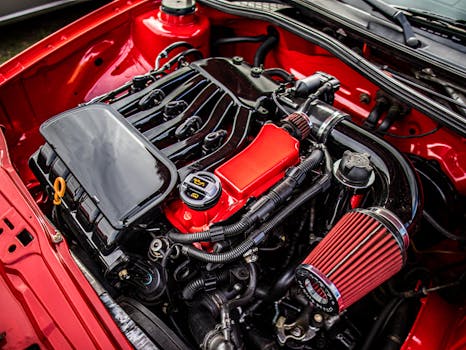 Photo: Aliaksei Semirski / Pexels
 Photo: Engin Akyurt / Pexels
 Photo: Artem Podrez / Pexels
 Photo: cottonbro studio / Pexels