What Does a Catalytic Converter Do? Your Car's Clean Air Secret
what does a catalytic converter do

What Does a Catalytic Converter Do? Your Car's Clean Air Secret

This essential automotive component transforms toxic exhaust gases into less harmful substances, safeguarding our air quality.

Learn More About Emissions

Key Takeaways

  • ✓ Reduces over 90% of harmful exhaust emissions.
  • ✓ Contains precious metals like platinum, palladium, and rhodium.
  • ✓ Required by law on all gasoline-powered vehicles in the US since 1975.
  • ✓ Operates at extremely high temperatures (1,200-1,600°F).

How It Works

1
Exhaust Enters Converter

Hot, toxic exhaust gases from the engine enter the catalytic converter's ceramic honeycomb structure. These gases include carbon monoxide, unburnt hydrocarbons, and nitrogen oxides.

2
Oxidation Catalyst (First Stage)

The exhaust gases first pass over a platinum and palladium coated substrate. Here, carbon monoxide and unburnt hydrocarbons are oxidized into less harmful carbon dioxide and water.

3
Reduction Catalyst (Second Stage)

Next, the gases encounter a rhodium-coated substrate. This stage focuses on reducing nitrogen oxides into harmless nitrogen and oxygen.

4
Cleaned Exhaust Exits

After passing through both catalytic stages, the now significantly less harmful gases exit the converter and are released into the atmosphere via the exhaust pipe. This process dramatically reduces air pollution.

The Crucial Role of Automotive Emission Control

Dynamic shot of a black Mercedes Benz with dramatic red smoke on an empty road. Photo: GODMODE INTRUST / Pexels
To truly understand what does a catalytic converter do, we must first appreciate the problem it was designed to solve: automotive emissions. Before the widespread adoption of catalytic converters, cars were significant contributors to air pollution, spewing out a cocktail of harmful gases that severely impacted public health and the environment. These pollutants included carbon monoxide (CO), a colorless, odorless, and highly toxic gas that reduces the blood's ability to carry oxygen; unburnt hydrocarbons (HC), which are volatile organic compounds (VOCs) that contribute to smog formation and respiratory problems; and nitrogen oxides (NOx), a group of gases that also contribute to smog, acid rain, and respiratory illnesses. The detrimental effects were undeniable: increased rates of asthma and other respiratory diseases, damage to plant life, and the visible haze of smog hanging over major cities. Public outcry and scientific evidence eventually led to legislative action, most notably the Clean Air Act in the United States, which mandated stricter emission standards for vehicles. This legislative push created an urgent need for technological innovation within the automotive industry to meet these new environmental regulations. Without an effective means to control these pollutants, the continued growth of vehicle ownership would have led to an unsustainable level of air contamination. The catalytic converter emerged as the primary solution, a sophisticated device engineered to chemically transform these noxious gases into benign substances before they are released into the atmosphere. Its invention marked a pivotal moment in environmental protection and automotive engineering. It’s not just about cleaner air today; it's about the very possibility of sustainable urban living with widespread personal transportation. The intricate design and chemical processes within this unassuming component represent a triumph of engineering aimed at reconciling human mobility with environmental responsibility. Understanding its role is therefore not just about a car part, but about the broader history of environmental regulation and technological advancement. This device effectively bridges the gap between raw engine combustion and clean air, acting as a crucial intermediary in the exhaust pathway. Its integration into virtually every modern gasoline-powered vehicle underscores its indispensability in the global effort to combat air pollution. For more on how vehicle components work together, explore our guide on understanding your car's exhaust system.

The Ingenious Chemistry Behind Catalytic Conversion

Detailed macro shot of a hexagonal honeycomb metal mesh texture, highlighting intricate patterns. Photo: Robert So / Pexels
At its core, what does a catalytic converter do is facilitate a series of complex chemical reactions that convert harmful exhaust gases into less dangerous forms. This process relies on a clever combination of materials and design. The converter itself is typically housed in a stainless steel shell, protecting a ceramic or metallic honeycomb structure. This honeycomb design is critical because it vastly increases the surface area over which the exhaust gases can interact with the catalytic materials. Imagine trying to filter water through a single hole versus a fine mesh; the mesh provides far more opportunities for interaction. The true magic, however, lies in the precious metals coated onto this honeycomb. These metals—platinum, palladium, and rhodium—act as catalysts. A catalyst is a substance that speeds up a chemical reaction without being consumed in the process. In the context of a catalytic converter, these metals lower the activation energy required for the harmful exhaust components to react and transform. The process unfolds in two main stages, often referred to as the 'three-way' conversion (because it tackles three main pollutants). The first stage is the reduction catalyst, usually involving rhodium. Here, nitrogen oxides (NOx) are stripped of their oxygen atoms. The oxygen atoms are then stored for later use, and the nitrogen atoms bond with each other to form harmless nitrogen gas (N2), which is the primary component of the air we breathe. The second stage is the oxidation catalyst, typically using platinum and palladium. In this section, carbon monoxide (CO) is oxidized, meaning it reacts with oxygen to form carbon dioxide (CO2). Simultaneously, unburnt hydrocarbons (HC) are also oxidized, converting into carbon dioxide and water (H2O). While CO2 is a greenhouse gas, it is far less toxic than CO, and water vapor is, of course, benign. The efficiency of these reactions is highly dependent on temperature. Catalytic converters need to operate at extremely high temperatures, typically between 1,200 and 1,600 degrees Fahrenheit (650-870 degrees Celsius), to function effectively. This is why they are positioned relatively close to the engine, where exhaust gases are hottest. Modern vehicles often incorporate oxygen sensors before and after the catalytic converter to monitor its efficiency and ensure the air-fuel mixture is optimal for the catalytic reactions. These sensors help the engine's computer (ECU) adjust fuel delivery to maintain the ideal conditions for the converter to do its job. This intricate dance of chemistry, engineering, and electronic control is precisely what allows the catalytic converter to be such an effective guardian of our air quality, making it an indispensable part of modern vehicle design.

The Lifespan and Maintenance of Your Catalytic Converter
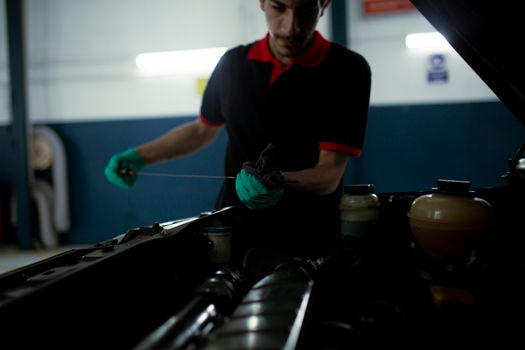
Mechanic examining a car engine's oil level using a dipstick in a garage setting. Photo: Fatih Erden / Pexels
Understanding what does a catalytic converter do also involves knowing how to maintain it and recognize when it might be failing. While designed to last the lifetime of the vehicle, catalytic converters can sometimes fail prematurely due to various factors. A properly functioning catalytic converter is incredibly durable, often lasting well over 100,000 miles. However, it's not immune to damage. One of the most common causes of catalytic converter failure is contamination. If your engine is burning oil or coolant due to an internal issue, these substances can coat the precious metals inside the converter, rendering them ineffective. Similarly, excessive unburnt fuel entering the converter, often caused by misfires, can superheat the unit and melt the ceramic substrate, leading to a blockage. This melting is known as a 'melt-down' and effectively destroys the converter's ability to clean exhaust gases. Symptoms of a failing catalytic converter can include a noticeable decrease in engine performance, such as sluggish acceleration, reduced fuel economy, and a general lack of power. You might also hear a rattling noise coming from underneath your vehicle, which indicates that the internal honeycomb structure has broken apart. Perhaps the most obvious sign is the illumination of your 'Check Engine' light on the dashboard. This light often triggers when the oxygen sensors detect that the converter is not operating within its efficiency parameters. To diagnose a failing catalytic converter, a mechanic will typically perform an exhaust backpressure test or use an OBD-II scanner to read fault codes related to converter efficiency. Replacement of a catalytic converter can be a significant expense, primarily due to the high cost of the precious metals it contains. Therefore, proper vehicle maintenance is crucial to prolong its life. Regular tune-ups, addressing engine misfires promptly, ensuring your engine isn't burning excessive oil or coolant, and using the correct fuel type can all contribute to the longevity of this vital component. Ignoring a failing catalytic converter not only harms the environment but can also lead to further damage to your engine due to increased backpressure. Moreover, in many states, a vehicle with a faulty catalytic converter will fail emissions testing, making it illegal to drive. For comprehensive information on maintaining various vehicle systems, consider reading about essential car maintenance tips.

Common Catalytic Converter Issues and Prevention Tips
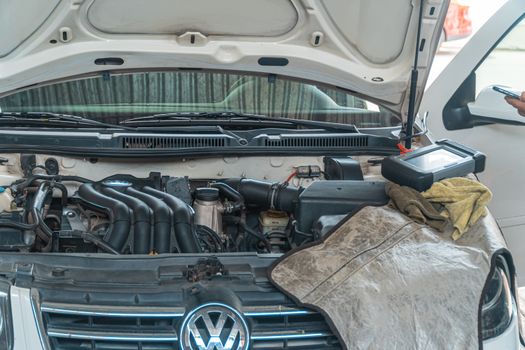
Close-up of a Volkswagen car engine undergoing repair in a garage, tools and diagnostic equipment in use. Photo: Jose Ricardo Barraza Morachis / Pexels
Beyond understanding what does a catalytic converter do, it's equally important to be aware of common issues and how to prevent them. Proactive maintenance can save you significant repair costs and ensure your vehicle remains environmentally compliant. One prevalent issue is catalytic converter theft. Due to the high value of the precious metals inside, converters are frequently targeted by thieves. While this isn't a mechanical failure, it's a significant problem for vehicle owners. Prevention tips include parking in well-lit areas, considering anti-theft devices specifically designed for catalytic converters, or having your vehicle's VIN etched onto the converter to deter resale. Another common problem is 'catalyst poisoning.' This occurs when substances like lead (from leaded gasoline, which is now rare in the US but can still be found in older vehicles or specialty fuels), zinc, or phosphorus (from certain engine oil additives) coat the catalyst surfaces, rendering them inert. Modern unleaded gasoline and specific engine oils are formulated to prevent this, but using incorrect fluids can be detrimental. Always adhere to your manufacturer's recommendations for fuel and oil. Overheating is another critical concern. As mentioned, misfires can send unburnt fuel into the converter, where it ignites and causes extreme temperatures that melt the internal substrate. Preventing misfires by regularly inspecting and replacing spark plugs, ignition coils, and fuel injectors is paramount. A rich fuel mixture (too much fuel, not enough air) can also lead to overheating. Ensure your oxygen sensors and mass airflow sensor are functioning correctly, as these components help the engine's computer maintain the optimal air-fuel ratio. Physical damage, such as hitting road debris, can also harm the converter. Because it's located underneath the vehicle, it's susceptible to impacts. While less common, this can cause cracks in the housing or damage the internal honeycomb structure, leading to rattling noises and reduced efficiency. Regular vehicle inspections can help identify potential issues before they become severe. Finally, sometimes a 'P0420' or 'P0430' diagnostic trouble code (DTC) indicates 'Catalyst System Efficiency Below Threshold.' This doesn't always mean the converter is bad. It can sometimes be triggered by faulty oxygen sensors that are providing inaccurate readings to the engine's computer. It's crucial to have a qualified mechanic diagnose the root cause before assuming the converter needs replacement. **Prevention Tips:** * **Regular Engine Tune-ups:** Ensures efficient combustion and prevents misfires. * **Use Correct Fuel & Oil:** Avoids catalyst poisoning from improper additives. * **Address Check Engine Light Promptly:** Prevents minor issues from escalating into converter damage. * **Monitor for Exhaust Leaks:** Can affect sensor readings and converter efficiency. * **Install Anti-Theft Devices:** Protects against theft of the valuable component. * **Avoid Short Trips:** Allows the converter to reach optimal operating temperature, preventing carbon buildup.

Comparison

FeatureOEM Catalytic ConverterAftermarket Catalytic ConverterCatalytic Converter Delete
Emissions ReductionExcellent (Meets all standards)Good (Meets most standards, may vary)None (Illegal in US)
DurabilityHigh (Designed for vehicle lifespan)Moderate (Varies by brand/quality)N/A
CostHigh (Due to precious metals)Lower (More affordable options)Low (But illegal/fines)
Legality (US)✓ (If EPA compliant)
Performance ImpactMinimal/NoneMinimal/NonePotential slight gain (at environmental cost)

What Readers Say

"My 'Check Engine' light came on, and I was worried about what it meant. After learning what does a catalytic converter do, I understood why fixing it was so important for both my car's performance and the environment. The repair was costly, but my car runs smoothly now and I passed emissions with flying colors."

Sarah J. · Austin, TX

"I used to think of a catalytic converter as just another part, but this article really clarified what does a catalytic converter do. It's amazing how much pollution it prevents. I had mine replaced recently, and the difference in exhaust smell and engine responsiveness is noticeable."

Mark D. · Seattle, WA

"After my car failed its emissions test, I had to get a new catalytic converter. It was an unexpected expense, but knowing what does a catalytic converter do helped me understand the necessity. Since the replacement, my car's CO emissions dropped by 95% according to the follow-up test."

Emily R. · Denver, CO

"This explanation of what does a catalytic converter do was very thorough. I appreciate learning about the chemistry involved. My only minor gripe is the cost of replacement, but I understand it's due to the rare metals. Still, a necessary component for clean air."

David L. · Miami, FL

"As someone who cares about the environment, understanding what does a catalytic converter do was really eye-opening. It's a critical piece of technology for reducing our carbon footprint from driving. I make sure to keep my car well-maintained to ensure it's always working efficiently."

Jessica M. · Chicago, IL

Frequently Asked Questions

What are the main functions of a catalytic converter?

The main functions of a catalytic converter are to convert three primary harmful pollutants found in vehicle exhaust—carbon monoxide (CO), unburnt hydrocarbons (HC), and nitrogen oxides (NOx)—into less harmful substances. It transforms CO into carbon dioxide, HCs into carbon dioxide and water, and NOx into nitrogen and oxygen, thereby significantly reducing air pollution.

Is it legal to drive without a catalytic converter?

No, in the United States, it is illegal to drive a vehicle on public roads without a properly functioning catalytic converter. Federal law mandates their presence on all gasoline-powered vehicles manufactured after 1975 to control emissions. Removing or tampering with a catalytic converter is a violation of the Clean Air Act and can result in significant fines.

How can I tell if my catalytic converter is failing?

Common signs of a failing catalytic converter include a lit 'Check Engine' light on your dashboard (often with codes P0420 or P0430), reduced engine performance such as sluggish acceleration or decreased fuel economy, a sulfur or rotten egg smell from the exhaust, or a rattling noise coming from underneath the vehicle, which indicates a broken internal catalyst.

Why are catalytic converters so expensive to replace?

Catalytic converters are expensive to replace primarily due to the precious metals they contain: platinum, palladium, and rhodium. These metals are rare, highly sought after for their catalytic properties, and their market prices are subject to global supply and demand. The labor involved in replacement also contributes to the overall cost.

How does a catalytic converter differ from a muffler?

A catalytic converter and a muffler serve very different purposes. A catalytic converter is an emissions control device that chemically transforms harmful exhaust gases into less toxic ones. A muffler, on the other hand, is designed to reduce the noise produced by the engine's exhaust system. While both are part of the exhaust system, they perform distinct functions.

Who should be concerned about their catalytic converter's health?

Every vehicle owner should be concerned about their catalytic converter's health, as it's vital for environmental compliance, vehicle performance, and avoiding costly repairs. Those living in areas with strict emissions testing, or owners of older vehicles prone to engine issues, should pay particular attention to its condition and maintenance.

Is there a safety risk associated with a failing catalytic converter?

Yes, a failing catalytic converter can pose safety risks. If the converter becomes clogged, it can create excessive backpressure, leading to engine overheating and potential damage. Furthermore, if the converter is leaking or damaged, harmful exhaust gases could potentially enter the vehicle cabin, leading to carbon monoxide poisoning, which is odorless and deadly.

What are the future trends for catalytic converter technology?

Future trends for catalytic converter technology are focused on improving efficiency, reducing the reliance on expensive precious metals, and adapting to new fuel types and engine designs. Researchers are exploring alternative catalyst materials, more durable substrates, and integrating advanced sensors and control systems to optimize performance and longevity, especially with the rise of hybrid and electric vehicles.

Now that you understand what does a catalytic converter do, you can appreciate its critical role in protecting our environment and ensuring your vehicle runs cleanly. Regularly maintaining your car is the best way to extend its life and ensure this vital component continues to function effectively, contributing to cleaner air for everyone.

Topics: what does a catalytic converter docatalytic converter functioncar emissions reductionauto exhaust systemvehicle pollution control
Leo List

DK Escorts LU Escorts AT Escorts SE Escorts FI Escorts CH Escorts DE Escorts HR Escorts IE Escorts GR Escorts CZ Escorts NO Escorts BE Escorts FR Escorts SI Escorts IL Escorts NL Escorts PL Escorts HU Escorts ES Escorts IT Escorts PT Escorts SK Escorts RO Escorts ZA Escorts UY Escorts US Escorts UK Escorts NZ Escorts AU Escorts
Brampton weed
Adultwork EstrelaBet Vai de Bet R7 Bet Betão Galera Bet Rainbet Bet9ja Shop SportyBet BetKing Sisal Loto Foot Hollywoodbets YesPlay Odibets RushBet Jugabet BetWarrior BetCity MSport betPawa Fortebet