What Are OEM Auto Parts? Your Guide to Quality & Value
August 25, 2026 15 min read 2,946 words
Unlock the secrets of Original Equipment Manufacturer parts and make informed decisions for your vehicle's longevity and performance.
Learn More Now
Understanding Original Equipment Manufacturer (OEM) Parts
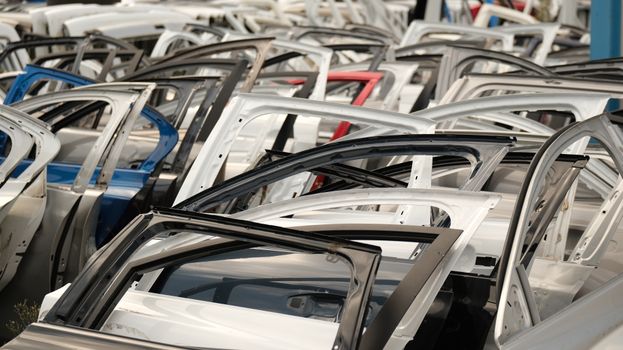 Photo: Aziz Er / Pexels
When it comes to maintaining or repairing your vehicle, the terminology surrounding auto parts can often be a confusing maze. Among the various options, the term 'OEM' stands out as a beacon of quality and reliability. So, what exactly are OEM auto parts? OEM stands for Original Equipment Manufacturer. In the simplest terms, these are the exact same parts that your vehicle was built with when it rolled off the assembly line. They are manufactured by the same companies that originally supplied the components to the car manufacturer, and they meet the precise specifications, quality standards, and materials used in the vehicle's initial construction. This means that if you're replacing a brake rotor, a headlight assembly, or an engine component with an OEM part, you are essentially installing an identical twin to the part that was originally in your car. This commitment to exact replication is what sets OEM parts apart and forms the foundation of their reputation. The process begins long before your car ever reaches the showroom. Vehicle manufacturers, like Ford, Toyota, or BMW, design their cars and then contract various specialized companies to produce specific components. For instance, one company might produce the braking system, another the electrical components, and yet another the suspension. These suppliers are the 'Original Equipment Manufacturers.' When you buy an OEM part, you're buying directly from that original supplier, or more commonly, through the car manufacturer's authorized dealership network, which serves as the distribution channel. The implications of this are significant. Because OEM parts are designed and produced to the exact specifications of the vehicle manufacturer, they offer an unparalleled level of fit, function, and performance. There's no guesswork involved in whether the part will align correctly, integrate seamlessly with other systems, or perform up to the vehicle's original standards. This precision is not just about convenience; it's about safety, reliability, and maintaining the integrity of your investment. Moreover, OEM parts often come with a warranty backed by the vehicle manufacturer, providing an additional layer of assurance. This warranty typically covers defects in materials or workmanship, giving consumers peace of mind that their repair or replacement is protected. While OEM parts might sometimes carry a higher price tag than aftermarket alternatives, the long-term benefits in terms of reliability, safety, and maintaining the vehicle's value often outweigh the initial cost difference. Understanding what OEM parts are is the first step in making informed decisions about your vehicle's care and ensuring it continues to perform as intended for years to come. For a deeper dive into part types, explore our guide on
understanding different types of auto parts.
The Unmatched Benefits of Choosing OEM Components
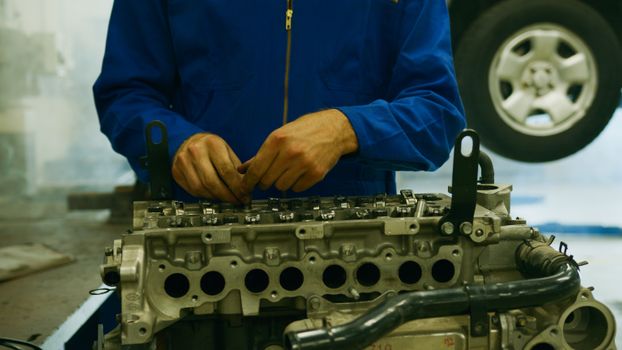 Photo: Artem Podrez / Pexels
Opting for OEM auto parts brings a multitude of advantages that directly impact your vehicle's performance, safety, and overall lifespan. The primary benefit lies in guaranteed fit and seamless integration. When you choose an OEM part, you eliminate the uncertainty often associated with aftermarket alternatives. These parts are engineered to precise specifications, meaning they will fit perfectly into your vehicle's existing systems without modification or adaptation. This perfect fit ensures that all components work together as a cohesive unit, maintaining the vehicle's original design integrity. This isn't just about aesthetics; it's crucial for the proper functioning of complex systems, from engine management to braking and suspension. Beyond fit, OEM parts deliver consistent and reliable performance. Since they are identical to the parts installed at the factory, they are designed to meet the same rigorous performance standards. This translates to optimal operation, whether it's a critical safety component like a brake pad or a comfort-enhancing part like an AC compressor. You can expect your vehicle to perform exactly as the manufacturer intended, preserving its driving dynamics and responsiveness. This consistency is particularly important for newer vehicles with advanced technological systems, where even slight deviations in part specifications can lead to compatibility issues or diminished performance. Safety is another paramount concern addressed by OEM parts. Vehicle manufacturers invest billions in research, development, and testing to ensure their cars meet stringent safety regulations. Every OEM component is a result of this meticulous engineering and testing. Using OEM parts ensures that your vehicle's safety systems, such as airbags, anti-lock brakes, and structural components, will function precisely as designed in the event of an accident or emergency. Aftermarket parts, while often cheaper, may not have undergone the same level of safety validation, potentially compromising your vehicle's protective capabilities. Furthermore, OEM parts help maintain your vehicle's resale value. When you service your car with genuine OEM components, you are preserving its authenticity and quality. Prospective buyers often view vehicles with a history of OEM repairs more favorably, as it indicates a commitment to proper maintenance and adherence to manufacturer standards. This can be a significant selling point, especially for luxury or specialty vehicles, and can lead to a higher resale price compared to vehicles repaired with generic or lower-quality aftermarket parts. Finally, most OEM parts come backed by a manufacturer's warranty. This provides an essential layer of protection and peace of mind. Should a defect occur with the OEM part within the warranty period, the manufacturer will typically cover the replacement cost. This warranty is often more comprehensive and reliable than those offered with aftermarket parts, underscoring the confidence the manufacturer has in its original components. In summary, while the initial cost might be higher, the long-term benefits of enhanced performance, guaranteed safety, preserved resale value, and robust warranties make OEM components a wise investment for any vehicle owner prioritizing quality and reliability.
OEM vs. Aftermarket: Making the Right Choice for Your Vehicle
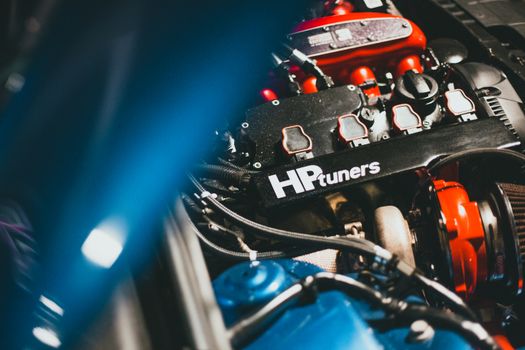 Photo: Erik Mclean / Pexels
The choice between OEM and aftermarket auto parts is one of the most common dilemmas faced by vehicle owners and mechanics alike. While we've thoroughly explored the advantages of OEM parts, understanding the landscape of aftermarket options is crucial for making an informed decision. Aftermarket parts are components not made by the original equipment manufacturer, but by independent companies. These parts are designed to function as replacements for OEM parts and are often marketed as more affordable alternatives. The aftermarket industry is vast and diverse, ranging from high-quality parts that meet or exceed OEM specifications to lower-quality, budget-friendly options.
The primary appeal of aftermarket parts is often their cost. They can be significantly cheaper than OEM parts, which can be a major factor for vehicle owners on a tight budget or for repairs on older vehicles where the cost of OEM parts might exceed the vehicle's value. This cost difference stems from various factors, including different manufacturing processes, material choices, and the absence of the research and development overhead that original manufacturers bear. Another advantage of the aftermarket is the sheer variety. For many common repairs, you might find dozens of aftermarket options from different brands, offering varying levels of quality, features, and price points. This can provide greater flexibility in choosing a part that best suits your specific needs and financial constraints. Some specialized aftermarket manufacturers even produce 'performance' parts that are designed to enhance certain aspects of a vehicle beyond its original factory specifications, appealing to enthusiasts seeking upgrades.
However, the aftermarket also presents several potential drawbacks. The most significant is the variability in quality. Unlike OEM parts, which adhere to a consistent standard set by the vehicle manufacturer, aftermarket quality can vary dramatically from one brand to another. A cheaper aftermarket part might be made from inferior materials, have less precise tolerances, or lack the rigorous testing that OEM parts undergo. This can lead to issues such as premature wear, improper fit, reduced performance, or even safety concerns. For critical components like brake systems, suspension, or engine internals, compromising on quality can have serious repercussions.
Compatibility can also be an issue with aftermarket parts. While most are designed to be direct replacements, some may require minor modifications during installation or may not integrate seamlessly with the vehicle's electronic systems. This can lead to unexpected complications, additional labor costs, or even diagnostic challenges down the line. Furthermore, using certain aftermarket parts, especially those that deviate significantly from OEM specifications, could potentially void portions of your vehicle's warranty. It’s always wise to consult your vehicle's warranty terms or an authorized dealership before installing non-OEM parts for covered repairs.
When should you consider aftermarket? For non-critical components like floor mats, wiper blades, or certain cosmetic parts, aftermarket options can be a cost-effective choice. For older vehicles where OEM parts might be scarce or prohibitively expensive, aftermarket parts can keep the vehicle on the road. However, for essential components that impact safety, performance, or longevity – such as engine components, transmission parts, braking systems, or complex electronic modules – OEM parts generally offer superior peace of mind and reliability. Ultimately, the decision hinges on balancing cost, quality, risk tolerance, and the specific application. For repairs that demand precision, reliability, and safety, OEM parts remain the gold standard. For other, less critical replacements, the aftermarket offers a broader and often more economical choice. To understand more about how these parts interact, read our article on
understanding your car's essential systems.
Tips for Sourcing and Identifying Genuine OEM Auto Parts
Photo: Aziz Er / Pexels
Ensuring you're getting genuine OEM auto parts is crucial for reaping all the benefits discussed. With a market saturated with various options, knowing how to confidently source and identify these components is a valuable skill for any vehicle owner. Here are some essential tips:
* **Purchase from Authorized Dealerships:** This is the most reliable method. Authorized dealerships are direct channels for the vehicle manufacturer's parts network. They exclusively sell genuine OEM parts, ensuring authenticity, proper fitment, and often, the manufacturer's warranty. While prices might be higher, the assurance of quality and correctness is unparalleled.
* **Check Manufacturer's Packaging and Branding:** OEM parts typically come in branded packaging from the vehicle manufacturer (e.g., Ford Motorcraft, Toyota Genuine Parts, BMW Original Parts). Look for logos, part numbers, and any security seals or holograms that indicate authenticity. Be wary of generic or unbranded packaging, or packaging that looks cheaply produced.
* **Verify Part Numbers:** Every OEM part has a unique part number assigned by the vehicle manufacturer. Before purchasing, cross-reference this part number with your vehicle's owner's manual, a dealership's parts department, or reliable online OEM parts catalogs specific to your make and model. A matching part number is a strong indicator of an OEM component.
* **Inspect the Part Itself:** Genuine OEM parts often have the vehicle manufacturer's logo or the original supplier's logo stamped or molded directly onto the component. For example, a headlight assembly might have the car brand's logo, or a specific sensor might have the brand of the original sensor manufacturer (e.g., Bosch, Denso) clearly visible. Check for consistent quality, finish, and materials that match your vehicle's existing parts.
* **Use Reputable Online OEM Parts Retailers:** Many online retailers specialize in selling genuine OEM parts. Look for sites that clearly state they sell 'Genuine OEM' or 'Original' parts and provide official part numbers. Read reviews and ensure they have a clear return policy. Be cautious of marketplaces where third-party sellers might offer counterfeit or mislabeled parts.
* **Consult with a Trusted Mechanic:** If you're having a mechanic perform the repair, specify that you want OEM parts used. A reputable mechanic will understand the difference and can help source genuine parts or explain why an aftermarket alternative might be suitable for a particular repair.
* **Understand 'OEM Equivalent' vs. 'Genuine OEM':** Some aftermarket parts are marketed as 'OEM equivalent' or 'OE quality.' While some of these can indeed be high-quality, they are still aftermarket. 'Genuine OEM' means it's the exact part from the original manufacturer, while 'OE quality' means an aftermarket company claims their part meets or exceeds original specifications, but it is not from the original supplier. Always clarify this distinction.
By following these guidelines, you can significantly reduce the risk of purchasing counterfeit or inferior parts, ensuring your vehicle receives the high-quality components it deserves and maintaining its performance, safety, and value.
