✓ An alternator recharges your car's battery and powers electrical components.
✓ The battery warning light is often the first and most obvious sign of an alternator problem.
✓ Dimming lights or flickering gauges can indicate insufficient power from the alternator.
✓ A failing alternator can lead to a dead battery and leave you stranded.
How It Works
1
Power Generation
The alternator is belt-driven by the engine, converting mechanical energy into electrical energy. This AC current is then converted to DC.
2
Battery Charging
The DC current produced by the alternator is sent to recharge your car's 12-volt battery. This keeps the battery topped up while the engine runs.
3
System Operation
Beyond charging the battery, the alternator directly powers all of your vehicle's electrical components. This includes headlights, radio, power windows, and ignition system.
4
Voltage Regulation
A voltage regulator, often integrated into the alternator, ensures a consistent voltage output. This protects electrical components from surges or insufficient power.
Understanding the Role of Your Vehicle's Alternator
Photo: Mike Bird / Pexels
Before diving into the critical symptoms of a bad alternator, it's essential to grasp what this vital component does for your vehicle. Often mistakenly confused with the battery, the alternator doesn't just start your car; it's the heart of your vehicle's electrical system once the engine is running. Think of your battery as the initial spark, providing the necessary jolt to get the engine cranking. Once the engine fires up, the alternator takes over. Its primary job is twofold: first, to continuously recharge your car's 12-volt battery, ensuring it has enough power for the next start. Second, and perhaps even more critically, the alternator powers all the electrical components in your vehicle while the engine is running. This includes everything from your headlights, radio, air conditioning, and power windows to more sophisticated systems like the engine control unit (ECU), fuel pump, and ignition system. Without a functioning alternator, your car would quickly drain its battery and eventually die, leaving you stranded.
The alternator works by converting mechanical energy from the engine into electrical energy. A serpentine belt connected to the engine's crankshaft spins a pulley on the alternator. Inside the alternator, this rotation drives a rotor, which spins within a stator, generating alternating current (AC). A component called a rectifier then converts this AC into direct current (DC), which is what your car's battery and electrical systems use. A crucial part of this assembly is the voltage regulator, often integrated within the alternator itself. This regulator ensures that the output voltage remains stable, typically between 13.5 and 14.5 volts. Without a proper voltage regulator, the alternator could either overcharge the battery and damage electrical components, or undercharge the battery, leading to premature failure. Recognizing the fundamental role of this component is the first step in understanding why paying attention to the signs of alternator trouble is so important. Ignoring these early warnings can lead to more significant issues and potentially leave you stranded at an inconvenient time. Familiarity with your car's electrical system, even at a basic level, empowers you to make informed decisions about maintenance and repairs.
The Battery Warning Light: Your First Clue to Alternator Failure
Photo: Ayyeee Ayyeee / Pexels
Among the most common and direct symptoms of a bad alternator is the illumination of your car's battery warning light on the dashboard. This light, often depicted as a battery icon with a plus and minus sign, is universally recognized but frequently misunderstood. Many drivers mistakenly believe it indicates a problem with the battery itself. While a bad battery can certainly cause issues, the battery light almost always signals that there's a problem with the charging system – and more often than not, that problem lies with the alternator. The charging system light illuminates when the voltage output from the alternator falls outside the normal operating range (typically below 13.5 volts or above 14.5 volts). This means the alternator isn't effectively charging the battery or powering the electrical systems as it should.
When this light comes on, it's a critical warning sign that your car is running solely on battery power. Depending on the condition of your battery and the electrical demands of your vehicle, you might have anywhere from a few minutes to an hour or so of driving time before the battery completely drains and the car shuts down. It's imperative not to ignore this light. If it illuminates, you should reduce electrical load as much as possible – turn off the radio, air conditioning, heated seats, and even unnecessary lights if safe to do so. Your immediate goal should be to drive directly to a trusted mechanic or your home, if it's a very short distance. The longer you drive with the battery light on, the higher the risk of your car dying unexpectedly, potentially in an unsafe location. Sometimes, the light might flicker or come on intermittently, especially when accelerating or using more electrical accessories. This flickering is still a strong indicator of an impending alternator issue, such as worn brushes or a failing voltage regulator, and warrants immediate attention. Don't wait for the light to stay on permanently; intermittent warnings are just as serious. Understanding that this light points to your charging system, rather than just the battery, is crucial for timely diagnosis and repair, preventing a roadside emergency.
Electrical System Malfunctions and Their Connection to a Failing Alternator
Photo: Erik Mclean / Pexels
Beyond the explicit warning light, a failing alternator often manifests through a series of noticeable electrical system malfunctions. These symptoms are a direct consequence of the alternator's inability to provide sufficient power to your vehicle's various components. One of the most common and easily observable signs is dim or flickering headlights. As the alternator struggles to maintain a consistent voltage, the power supplied to your headlights fluctuates, causing them to appear dimmer than usual or to flicker noticeably, especially at lower engine RPMs or when other electrical accessories are engaged. This isn't just an aesthetic issue; it can significantly impair visibility and safety, particularly during night driving.
Similarly, other electrical accessories may begin to underperform or behave erratically. Your dashboard lights might dim, the radio may cut out or lose power, power windows might operate slowly, and heated seats or air conditioning might not work as effectively. Even your power locks could become sluggish. In modern vehicles, a struggling alternator can also lead to issues with the infotainment system, navigation, and other sophisticated electronics, sometimes causing error messages to appear. The reason for these widespread issues is simple: all these components rely on the steady, consistent electrical supply from the alternator. When that supply becomes unstable or insufficient, they simply cannot function optimally.
Another critical, though sometimes less obvious, symptom is a car that frequently stalls or has difficulty starting. While a dead battery can cause starting problems, if your battery is relatively new and you're experiencing repeated starting failures, it's highly likely that the alternator isn't adequately recharging it. The engine might crank slowly or simply click, indicating a lack of sufficient power. In some cases, a severely failing alternator can even cause the engine to stall while driving because it can no longer power the ignition system or fuel pump. This is an extremely dangerous situation and underscores the importance of addressing these electrical anomalies promptly. Don't dismiss these seemingly minor electrical glitches; they are often the subtle but persistent harbingers of a looming alternator replacement. Paying close attention to how your car's electrical systems behave can provide invaluable clues to diagnosing and rectifying an alternator problem before it escalates into a complete breakdown.
Unusual Noises and Odors: Auditory and Olfactory Clues
Photo: Sergey Meshkov / Pexels
While many symptoms of a bad alternator relate to electrical performance, sometimes your vehicle will provide auditory and olfactory warnings long before a complete electrical failure. Paying attention to these often-overlooked cues can help you pinpoint an alternator problem early.
**Unusual Noises:**
* **Growling or Whining:** A common sound associated with a failing alternator is a growling or whining noise that emanates from under the hood. This sound often indicates worn-out bearings within the alternator. The bearings allow the internal components to spin smoothly. When they wear out, they create friction and noise. The sound may increase in pitch as the engine RPMs rise.
* **Squealing:** A persistent squealing sound, particularly upon startup or during acceleration, often points to a loose or worn serpentine belt that drives the alternator. While not directly an alternator failure, a slipping belt means the alternator isn't being driven properly, leading to insufficient charging. It can also indicate a misaligned pulley on the alternator itself, causing the belt to wear unevenly and squeal. Addressing belt issues promptly is crucial, as a broken belt will lead to immediate alternator failure and often disables other accessories like power steering and the water pump.
**Unusual Odors:**
* **Burning Rubber:** If you detect the smell of burning rubber, especially combined with a squealing noise, it's a strong indicator that the serpentine belt is slipping excessively on the alternator pulley. This friction generates intense heat, causing the rubber to burn. A slipping belt can be due to improper tension, a worn belt, or a seized alternator pulley that prevents the belt from moving freely.
* **Burning Wires or Electrical Smell:** A more concerning odor is that of burning wires or a distinct 'electrical' smell. This could indicate that the alternator is overheating or that its internal components, such as the windings or diodes, are failing. An alternator that is working too hard to charge a dying battery, or one with internal shorts, can generate excessive heat, melting plastic components or burning insulation. This smell is a serious warning sign and should prompt immediate investigation, as it can lead to more extensive electrical damage or even a fire risk.
These sensory clues, when combined with the electrical symptoms, provide a comprehensive picture of a struggling alternator. Ignoring these sounds and smells can lead to a complete breakdown and potentially more expensive repairs if other components are affected by an overheated or malfunctioning alternator.
Comparison
Symptom Category
Likely Alternator Issue
Possible Other Causes
Urgency
Battery Warning Light On
Failing alternator, voltage regulator
Loose wire, faulty battery sensor (rare)
High (immediate attention needed)
Dimming/Flickering Lights
Insufficient voltage output
Aging bulbs, poor ground connection
Medium-High (address soon)
Car Stalls/Hard Starts
Battery not charging, lack of power
Dead battery, faulty starter, fuel delivery issue
High (risk of breakdown)
Growling/Whining Noise
Worn alternator bearings
Power steering pump, idler pulley
Medium (indicates wear)
Burning Rubber Smell
Slipping serpentine belt, seized pulley
Other slipping belts, brake issues
Medium-High (can lead to belt breakage)
What Readers Say
★★★★★
"My car's battery light kept flickering, and then my headlights started dimming at night. This article helped me realize it wasn't just my battery, but probably my alternator. Got it checked, and sure enough, it was failing. Caught it before I got stranded!"
Sarah J. · Austin, TX
★★★★★
"I noticed a faint burning smell and a whining noise from under the hood for a few days, but didn't connect it to anything specific. After reading about the symptoms of a bad alternator here, I took my car in. They confirmed it was the alternator bearings going bad. Great info!"
Mark D. · Chicago, IL
★★★★★
"My power windows were getting really slow, and the radio would cut out occasionally. I thought it was just old age for my car. This guide pointed me towards the alternator, and after replacing it, everything electrical works perfectly again. Saved me a lot of guesswork!"
Jessica L. · Phoenix, AZ
★★★★★
"While most of the information was spot on, I wish there was a bit more detail on distinguishing alternator whine from other engine noises. Still, it definitely helped me understand the primary signs and led me to get my car inspected before a full breakdown."
David P. · Miami, FL
★★★★★
"I drive a lot for work, and the last thing I need is a breakdown. This article was incredibly helpful in teaching me what to look out for. Knowing the battery light means charging system, not just the battery, was a game-changer. I feel much more prepared now."
Emily R. · Seattle, WA
Frequently Asked Questions
What is the most definitive symptom of a bad alternator?
The most definitive symptom is typically the illumination of the battery warning light on your dashboard. This light specifically indicates an issue with the vehicle's charging system, signaling that the alternator is not adequately charging the battery or providing sufficient power to the electrical components.
Can a bad alternator drain my car battery?
Yes, absolutely. A bad alternator is one of the primary reasons a car battery drains. If the alternator isn't generating enough power to recharge the battery while the engine is running, the battery will gradually deplete as it tries to power all of the car's electrical systems on its own.
How can I test my alternator at home?
You can perform a basic test with a multimeter. With the engine running, attach the multimeter's red lead to the positive battery terminal and the black lead to the negative. A healthy alternator should show a reading between 13.5 and 14.5 volts. If it's significantly lower or higher, it indicates a problem.
How much does it cost to replace an alternator?
The cost to replace an alternator can vary widely depending on your vehicle's make and model, and whether you use new or remanufactured parts. Typically, parts can range from $150-$500, and labor can add another $100-$300, bringing the total to $250-$800 or more. Some luxury or complex vehicles may be even higher.
Is it safe to drive with a bad alternator?
No, it is generally not safe to drive with a bad alternator. Your car is running solely on battery power, and once the battery drains, your engine will shut off, potentially leaving you stranded in an unsafe location. It can also damage your battery and other electrical components due to inconsistent voltage.
Who should use symptoms of a bad alternator?
Anyone who drives a vehicle should be aware of the symptoms of a bad alternator. This knowledge is crucial for everyday drivers, long-distance commuters, and those who rely on their car for work, as it empowers them to identify problems early and prevent unexpected breakdowns.
Can a bad alternator cause other damage to my car?
Yes, it can. An undercharging alternator can repeatedly drain your battery, significantly shortening its lifespan. An overcharging alternator can damage the battery and fry sensitive electronic components like the ECU, lights, and radio due to excessive voltage, leading to more expensive repairs.
Are new alternators more reliable than remanufactured ones?
While new alternators offer factory freshness, high-quality remanufactured alternators can be just as reliable and often come with similar warranties. Reputable remanufacturers replace all wear components and thoroughly test the units, offering a cost-effective and environmentally friendly alternative.
Don't wait for a complete breakdown to address potential charging system issues. By understanding the common symptoms of a bad alternator, you can take proactive steps to diagnose and repair the problem, ensuring your vehicle remains reliable and safe on the road. Schedule an inspection at the first sign of trouble.

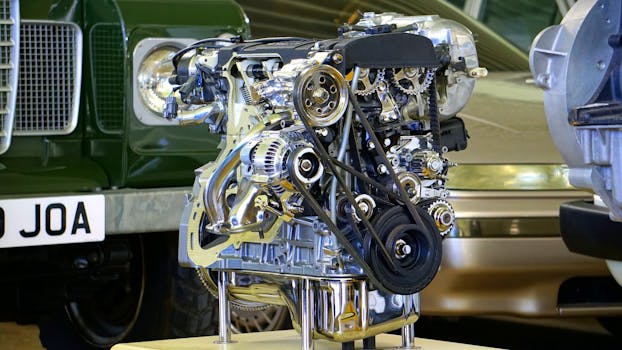 Photo: Mike Bird / Pexels
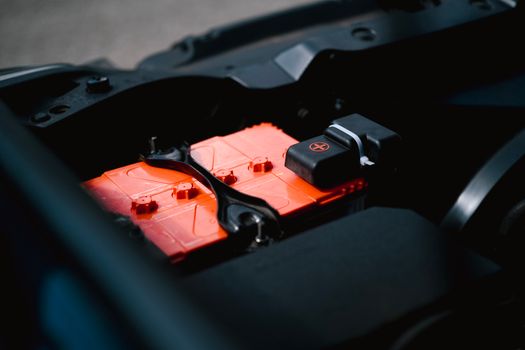 Photo: Ayyeee Ayyeee / Pexels
 Photo: Erik Mclean / Pexels
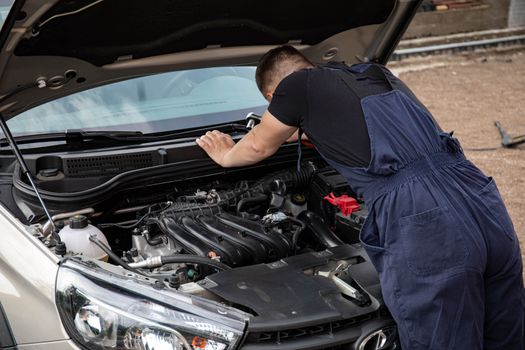 Photo: Sergey Meshkov / Pexels