
Unleash Power: Performance Exhaust Systems for Trucks
Transform your truck's performance, sound, and efficiency with a meticulously engineered exhaust upgrade.
Find Your System NowKey Takeaways
- ✓ Performance exhausts can increase horsepower by 10-20 HP.
- ✓ Improved exhaust flow reduces engine backpressure.
- ✓ Better fuel economy is a common benefit for many drivers.
- ✓ Materials like stainless steel offer superior durability and corrosion resistance.
How It Works
Stock exhaust systems are designed for quietness and cost-effectiveness, often restricting exhaust gas flow. Performance systems feature larger diameter, smoother tubing, and fewer bends to facilitate quicker gas evacuation.
By improving exhaust flow, performance systems significantly reduce backpressure on the engine. This allows the engine to 'breathe' more easily, expelling spent gases more efficiently and drawing in fresh air for combustion.
With reduced backpressure, the engine expends less energy pushing out exhaust gases, freeing up power that would otherwise be lost. This translates to noticeable gains in horsepower and torque, especially at higher RPMs.
Beyond performance, these systems are engineered to produce a deeper, more aggressive exhaust note. Muffler design, resonator choice, and tip style all contribute to the unique acoustic signature of a performance exhaust.
The Core Mechanics: How Performance Exhaust Systems Elevate Your Truck's Capability
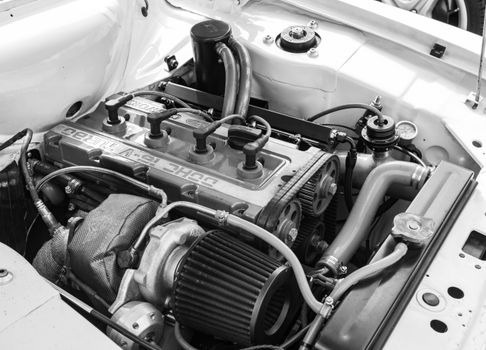 Photo: Richard Harris / Pexels
Performance exhaust systems address this by utilizing several key design improvements. Firstly, they often feature a larger diameter tubing, which immediately provides more volume for gases to flow through. Secondly, the tubing is typically mandrel-bent, meaning the bends are smooth and consistent, maintaining the pipe's full diameter throughout the curve. In contrast, factory exhausts often use crush bends, which deform the pipe at the bend points, creating constrictions that impede flow. These smoother, wider pathways allow exhaust gases to exit the engine more rapidly and with less effort.
The reduction in backpressure has a direct and profound impact on engine performance. When exhaust gases can escape quickly, the engine can draw in a fresh charge of air and fuel more effectively for the next combustion cycle. This improved 'breathing' leads to more complete combustion and, consequently, an increase in horsepower and torque. For truck owners, this translates to tangible benefits: faster acceleration, better towing capabilities, and improved responsiveness, particularly when carrying heavy loads or navigating challenging terrain. It's not just about raw power; it's about making your truck's engine operate more efficiently and effectively under all conditions. Understanding these core mechanics is the first step in appreciating the value a quality performance exhaust system brings to your vehicle. For more insights into optimizing your vehicle, check out our guide on engine tuning best practices. The materials used also play a crucial role, with stainless steel being a popular choice due to its excellent durability and resistance to corrosion, ensuring your investment lasts for years to come. Furthermore, the design of the muffler and resonators within a performance system is meticulously crafted not only to reduce sound to acceptable levels but also to fine-tune the exhaust note, producing that deep, aggressive rumble that many truck enthusiasts desire. This combination of engineering and acoustic design is what truly sets these systems apart from their OEM counterparts. The strategic placement and sizing of catalytic converters, if included, are also optimized to maintain emissions compliance while minimizing flow restriction, showcasing a blend of performance and environmental responsibility. Ultimately, investing in a performance exhaust system is about unlocking the true potential of your truck's engine, transforming it from a standard workhorse into a powerful, responsive machine that delivers an exhilarating driving experience every time you turn the key. It's a comprehensive upgrade that touches upon multiple facets of vehicle operation, from raw power output to the auditory feedback you receive while driving.
The benefits extend beyond just the immediate feel of increased power. Over time, an engine that breathes more easily experiences less strain, potentially contributing to its longevity. While not a direct component of routine maintenance, ensuring optimal exhaust flow helps the engine perform within its ideal parameters. This holistic improvement makes performance exhaust systems a highly sought-after upgrade for truck owners looking to maximize their vehicle's capabilities. The engineering behind each component, from the headers to the tailpipe, is focused on maximizing the scavenging effect, which pulls exhaust gases out of the combustion chamber more effectively, making way for a fresh air-fuel mixture. This 'scavenging' is a critical aspect of engine efficiency and power generation, highlighting the sophisticated design principles applied in these systems. The selection of tubing diameter, for instance, isn't arbitrary; it's carefully calculated to create the ideal gas velocity for a given engine's displacement and power band, ensuring maximum performance gains across the RPM range. This level of detail in design is what differentiates a truly effective performance exhaust from a mere aftermarket replacement, offering a significant upgrade in both function and form. The commitment to precision engineering ensures that every component works in harmony to deliver a superior driving experience, making it a worthwhile investment for any serious truck owner.
Choosing the Right Performance Exhaust System for Your Truck: Materials, Types, and Sound
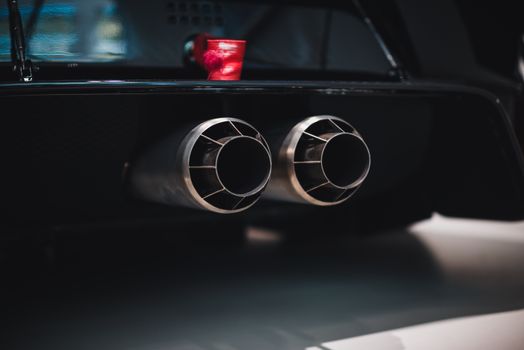 Photo: Tim Diercks / Pexels
When it comes to materials, three primary options dominate the market: aluminized steel, 409 stainless steel, and 304 stainless steel. Aluminized steel is the most budget-friendly option, offering decent corrosion resistance for a few years, but it's ultimately susceptible to rust, especially in regions with harsh winters or high humidity. It's a good choice for those on a tight budget who don't plan on keeping their truck for an extended period or live in very dry climates. 409 stainless steel strikes a balance between cost and durability. It offers significantly better corrosion resistance than aluminized steel and is a popular choice for many performance systems, providing a good lifespan without the premium price tag of 304 stainless. However, for the ultimate in durability and corrosion resistance, 304 stainless steel is the gold standard. It's highly resistant to rust and pitting, making it ideal for trucks exposed to saltwater, road salts, or extreme weather conditions. While it's the most expensive option, its longevity often justifies the initial investment, making it a 'set it and forget it' solution for many truck owners.
System types refer to how much of the original exhaust system is replaced. An 'axle-back' system replaces components from the rear axle back, primarily focusing on changing the muffler and tailpipe to alter the sound and aesthetics. This is typically the least expensive and easiest to install, offering more of a sound and appearance upgrade than significant performance gains. A 'cat-back' system replaces everything from the catalytic converter(s) back to the tailpipe. This is the most popular type of performance exhaust, as it allows for larger diameter piping, more efficient mufflers, and often provides a noticeable boost in horsepower and torque, along with a more aggressive sound. Finally, a 'header-back' system replaces the entire exhaust from the engine's headers all the way to the tailpipe. This is the most comprehensive upgrade, offering the maximum potential for performance gains by optimizing the entire exhaust path. It's also the most complex and expensive to install, often requiring professional help.
The sound of your exhaust is a deeply personal preference. Performance exhaust systems are engineered to produce a range of tones, from a deep, subtle rumble to an aggressive, roaring growl. This is achieved through the design of the muffler (or lack thereof, in some cases), the presence of resonators, and the diameter and shape of the exhaust tips. Some systems prioritize minimizing drone (an annoying humming sound at cruising speeds), while others aim for maximum loudness. Researching sound clips and reviews for specific systems on your truck model is highly recommended to ensure you find a sound profile that matches your taste and driving style. Understanding these choices will empower you to make an informed decision that best suits your truck's needs and your personal preferences, ensuring you get the most out of your performance upgrade. The specific design of the muffler plays a crucial role here, with straight-through designs offering the least restriction and loudest sound, while chambered designs provide more sound control and a mellower tone. Some systems even incorporate active exhaust valves, allowing drivers to switch between quiet and loud modes, offering the best of both worlds. This level of customization ensures that truck owners can truly tailor their exhaust experience to their exact desires, whether they prioritize a subtle enhancement or a bold, unmistakable declaration of power. The choice of exhaust tips, beyond aesthetics, can also subtly influence the final sound, with larger or dual tips sometimes amplifying the deep tones. Considering all these nuances will lead to a truly satisfying upgrade that not only performs exceptionally but also sounds exactly as you envision. The intricate balance between flow dynamics and acoustic engineering is what defines a premium performance exhaust system, delivering both exhilarating power and a captivating auditory experience. This detailed consideration ensures that every aspect of the exhaust system contributes to an optimal driving environment, making it a worthwhile investment for any discerning truck owner looking to enhance their vehicle's appeal and capability.
Installation and Maintenance: Maximizing the Lifespan and Performance of Your Truck's Exhaust
 Photo: Artem Podrez / Pexels
Once installed, regular maintenance is relatively straightforward but essential. Periodically inspect the entire system for any signs of damage, such as dents, cracks, or loose connections. Pay close attention to hangers and clamps, ensuring they are secure and free from excessive rust. Exhaust leaks, even small ones, can reduce performance and potentially allow harmful fumes into the cabin. Listen for any unusual noises, like rattling or hissing, which could indicate a problem. In regions where road salt is used, it's particularly important to rinse the underside of your truck regularly to prevent corrosion, even with stainless steel systems, as salt can accelerate wear on clamps and hangers.
The longevity of your performance exhaust system is also influenced by your driving habits. While these systems are built tough, extreme off-roading or frequent impacts with road debris can cause damage. Be mindful of ground clearance, especially if your truck is lowered or if the exhaust routing is particularly aggressive. Addressing any issues promptly, such as replacing worn hangers or tightening loose clamps, can prevent minor problems from escalating into costly repairs. For ongoing optimal performance, consider periodic checks by a trusted mechanic during your regular vehicle maintenance schedule. This proactive approach ensures your performance exhaust system continues to deliver its promised benefits – enhanced power, a great sound, and improved efficiency – for many years to come. Moreover, understanding the warranty terms of your specific exhaust system is important, as some manufacturers offer lifetime warranties on materials and craftsmanship, reinforcing the value of professional installation and proper care. Always use high-quality replacement parts, like stainless steel clamps, if any components need to be changed, to maintain the integrity and longevity of the entire system. This meticulous attention to detail during both installation and subsequent maintenance will safeguard your investment and ensure that your truck performs at its peak, providing that exhilarating driving experience consistently. The choice of muffler packing material, for systems that use it, can also influence sound over time; some fiberglass-packed mufflers may become louder as the packing breaks down, a factor to consider in long-term sound preference. Ultimately, treating your performance exhaust system with the same care you would any other critical engine component will ensure it remains a source of pride and power for your truck.
Common Pitfalls to Avoid When Upgrading Your Truck's Exhaust
 Photo: Chris F / Pexels
Here's a list of critical considerations:
- Ignoring Local Noise Regulations: While a loud, aggressive exhaust note is appealing to many, some areas have strict noise ordinances. Research your local laws before purchasing a system to avoid fines or needing to replace it. A system that's too loud can also cause 'drone' inside the cabin, leading to driver fatigue on long trips.
- Choosing the Wrong Material for Your Environment: As discussed, aluminized steel is cheaper but rusts faster. If you live in a region with heavy road salt use or high humidity, investing in 304 stainless steel, despite the higher cost, will save you money and frustration in the long run.
- Underestimating Installation Complexity: While some axle-back systems are straightforward, cat-back and header-back systems can be challenging. Don't attempt a DIY installation if you lack the proper tools, experience, or a lift. Incorrect installation can lead to leaks, rattles, poor performance, and even damage to the system or your truck.
- Neglecting Sound Research: Don't just buy a system based on brand or price. Listen to sound clips (preferably of the exact system on your truck model) and read reviews regarding the sound profile. Some systems are known for being excessively loud or having an annoying drone at certain RPMs, which can quickly become tiresome.
- Forgetting Emissions Compliance: In many states, modifying or removing catalytic converters is illegal and will cause your truck to fail emissions testing. Ensure any system you purchase is emissions-compliant for your specific region if you live in a state with strict inspection laws.
- Overlooking Compatibility: Always double-check that the exhaust system is specifically designed for your truck's year, make, model, engine size, and cab/bed configuration. A system for a crew cab might not fit a regular cab, for example.
- Expecting Miraculous Gains: While performance exhausts do provide tangible gains in horsepower and torque, they are not a magic bullet. Don't expect your truck to suddenly gain 100 HP from an exhaust alone. Realistic expectations, typically in the range of 10-20 HP for most cat-back systems, will prevent disappointment.
- Ignoring Warranty and Support: Choose reputable brands that offer good warranties and customer support. This provides peace of mind in case of manufacturing defects or issues down the road.
Comparison
| Feature | 304 Stainless Steel Cat-Back | 409 Stainless Steel Cat-Back | Aluminized Steel Axle-Back |
|---|---|---|---|
| Corrosion Resistance | Excellent | Good | Fair |
| Durability | Long-term | Medium-term | Short-term |
| Performance Gain | High | High | Low to Moderate |
| Cost | High | Medium | Low |
| Sound Options | Wide Variety | Wide Variety | Limited |
| Ideal Environment | All Climates | Moderate Climates | Dry Climates |
| Installation Difficulty | Moderate | Moderate | Easy |
What Readers Say
"Installed a cat-back performance exhaust system for trucks on my F-150 and the difference is incredible. The truck pulls much harder, especially when towing my boat, and the deep rumble is exactly what I was looking for. No drone at highway speeds either!"
Mark T. · Dallas, TX"My Ram 2500 with the new performance exhaust feels like a completely different truck. The throttle response is crisper, and I've even noticed a slight improvement in my MPG on long hauls. Worth every penny for the power and sound."
Sarah L. · Denver, CO"After upgrading to a 304 stainless steel performance exhaust system for trucks, I no longer worry about rust from the salty air. The sound is aggressive but refined, and my Silverado gained a solid 15 horsepower on the dyno. Very impressed!"
John D. · Miami, FL"The performance exhaust on my Tacoma definitely added some much-needed grunt. It's a bit louder than I expected at times, but the power increase is undeniable, especially when climbing hills. Overall, a great upgrade for my off-road adventures."
Emily R. · Seattle, WA"As a contractor, my truck works hard. The new performance exhaust system for trucks has made my Sierra 1500 feel much more capable, particularly with a full bed of tools. The improved torque helps immensely, and it sounds fantastic."
David P. · Phoenix, AZFrequently Asked Questions
What kind of horsepower gains can I expect from performance exhaust systems for trucks?
While results vary by truck model and system, most cat-back performance exhaust systems for trucks can deliver horsepower gains ranging from 10 to 20 HP. Header-back systems may offer slightly more, while axle-back systems typically provide minimal power gains, focusing more on sound and aesthetics. These gains are often accompanied by an increase in torque, which is particularly beneficial for trucks.
Will a performance exhaust system make my truck too loud or cause 'drone'?
The loudness and potential for drone depend heavily on the specific system's design, muffler type, and the truck model. Many reputable manufacturers engineer their performance exhaust systems for trucks to provide an aggressive sound under acceleration while minimizing drone at cruising speeds. Researching sound clips and reviews for your specific truck and system is crucial to find a balance you're comfortable with.
How difficult is it to install performance exhaust systems for trucks?
Installation difficulty varies. Axle-back systems are generally the easiest, often requiring basic tools and a few hours. Cat-back systems are more involved and may require cutting or specialized tools. Header-back systems are the most complex and are usually best left to professional installers. Always consult the manufacturer's instructions and consider your mechanical skill level before attempting a DIY installation.
Are performance exhaust systems for trucks worth the investment?
For many truck owners, the investment is well worth it. Beyond the aesthetic and auditory improvements, performance exhaust systems for trucks can provide tangible benefits such as increased horsepower and torque, improved throttle response, and potentially better fuel economy. The enhanced driving experience and increased capability for towing or hauling often justify the cost for enthusiasts and those who rely on their trucks for heavy-duty tasks.
How do performance exhaust systems compare to simply removing the muffler?
Removing the muffler (a 'muffler delete') is a cheap way to increase sound, but it's not a true performance upgrade. It can lead to excessive noise, drone, and potentially a loss of low-end torque due to insufficient backpressure. Performance exhaust systems for trucks are engineered to optimize flow, sound, and backpressure, providing genuine gains without the drawbacks of a simple muffler delete. They also typically maintain emissions compliance, unlike illegal muffler modifications.
Who should consider upgrading to performance exhaust systems for trucks?
Anyone looking to enhance their truck's power, torque, fuel efficiency, or simply improve its exhaust note should consider an upgrade. This includes truck enthusiasts, those who frequently tow or haul heavy loads, and drivers seeking a more engaging and responsive driving experience from their vehicle. It's a popular modification for both daily drivers and dedicated work trucks alike.
Are there any legal or emissions concerns with performance exhaust systems for trucks?
Yes, it's crucial to be aware of local and state laws regarding exhaust modifications. While most cat-back systems are designed to be 50-state legal and maintain emissions compliance (as they retain the catalytic converters), removing or modifying catalytic converters is illegal in the US and will cause your vehicle to fail emissions inspections. Always verify the legality and emissions compliance of any system before purchase, especially if you live in a state with strict regulations.
What are the future trends for performance exhaust systems for trucks?
Future trends include more advanced active exhaust systems that allow drivers to switch between quiet and aggressive sound modes, often controlled via an app or vehicle settings. We'll also see continued innovation in lightweight materials like titanium, further optimization for turbocharged and electric truck platforms, and systems designed to integrate seamlessly with evolving vehicle electronics for real-time performance adjustments and monitoring.
Ready to transform your truck's power, sound, and overall driving dynamics? Explore the wide range of performance exhaust systems for trucks available and find the perfect upgrade to unleash your vehicle's full potential. Elevate your ride today!