✓ Most car batteries last 3-5 years, but climate and usage can vary this.
✓ Always disconnect the negative terminal first and connect it last to prevent electrical shorts.
✓ Corrosion around terminals can indicate a failing battery or poor connection.
✓ Proper disposal of old car batteries is crucial due to hazardous materials.
How It Works
1
Gather Your Tools and Safety Gear
Before starting, ensure you have all necessary tools like wrenches, battery terminal cleaner, and safety equipment such as gloves and eye protection. Preparation is key to a smooth and safe replacement process.
2
Disconnect the Old Battery Safely
Carefully locate and disconnect the negative terminal first, followed by the positive terminal, to avoid accidental sparks. Remove any hold-down clamps or trays securing the battery in place.
3
Install the New Battery Correctly
Place the new battery into the tray, ensuring it's oriented correctly. Connect the positive terminal first, then the negative terminal, and secure all clamps firmly to prevent movement.
4
Test and Dispose Responsibly
Once installed, start your vehicle to confirm proper operation, checking for any warning lights. Remember to take your old battery to a certified recycling center for environmentally friendly disposal.
Understanding Your Car Battery: When and Why to Replace It
Photo: Abdulvahap Demir / Pexels
Your car battery is a vital component, providing the electrical jolt needed to start your engine and powering various electrical systems when the engine is off. Understanding its function and typical lifespan is the first step in knowing when to consider a replacement. Most car batteries are designed to last between three to five years, but this can vary significantly based on several factors. Climate plays a huge role; extreme heat can be more damaging to a battery than cold, accelerating the chemical processes that lead to its degradation. Frequent short trips, where the alternator doesn't have enough time to fully recharge the battery, can also shorten its life. Similarly, leaving accessories like lights or the radio on when the engine is off can drain the battery, leading to premature failure.
Recognizing the signs of a failing battery can save you from being stranded. Common indicators include slow engine cranking, dim headlights when the engine is off or idling, and the dreaded 'check battery' or 'battery light' illuminated on your dashboard. Corrosion around the battery terminals is another visual cue that suggests a problem, often indicating poor connections or off-gassing from the battery itself. If your car has difficulty starting in cold weather, it's often a sign that the battery's capacity to deliver a strong current is diminished. Regular testing with a multimeter or visiting an auto parts store for a free battery check can provide a more definitive diagnosis. Replacing your battery proactively, rather than reactively after it dies, offers peace of mind and prevents inconvenient breakdowns. This comprehensive guide will walk you through the process of how to replace car battery, ensuring you're prepared and confident in tackling this essential maintenance task.
Essential Tools and Safety Precautions for Battery Replacement
Photo: Andrey Matveev / Pexels
Before you even think about disconnecting terminals, preparing your workspace and gathering the right tools is paramount. Safety should always be your top priority when working with car batteries, as they contain corrosive acid and can produce explosive hydrogen gas. First, ensure your vehicle is turned off, the ignition key is removed, and the parking brake is engaged. It's also wise to work in a well-ventilated area to dissipate any gases. Essential safety gear includes heavy-duty work gloves to protect your hands from acid and sharp edges, and safety glasses or goggles to shield your eyes from splashes or flying debris. You might also consider an apron or old clothes to protect against acid spills.
Now for the tools: You'll typically need a wrench set, often a 10mm or 13mm, to loosen the battery terminal nuts and potentially the hold-down clamp. A battery terminal cleaner, which usually has a wire brush on one end, is indispensable for removing corrosion from the cables and battery posts, ensuring a good connection for the new battery. A battery terminal puller can be helpful if the terminals are seized. For stubborn hold-down clamps, a ratchet with an extension might be necessary. Some modern vehicles have complex battery trays or covers that require specific tools, so consult your vehicle's owner's manual if unsure. A battery post wire brush and dielectric grease are also good to have on hand for the new installation. Finally, having a memory saver or OBD-II power source can prevent your vehicle's electronic settings (like radio presets or engine computer data) from being lost during the battery swap. This small device connects to your car's OBD-II port or cigarette lighter and provides a continuous low-voltage power supply, ensuring your car's computer retains its memory. Neglecting this step might require reprogramming certain electronic components, which can be an added hassle. By having all these items ready, you’ll ensure a safe, smooth, and efficient battery replacement process, minimizing potential complications.
Step-by-Step Guide: How to Replace Car Battery
Photo: Towfiqu barbhuiya / Pexels
The process of how to replace car battery can be broken down into several manageable steps. First, locate your car battery. It's usually under the hood, but some vehicles, particularly luxury or performance models, might have it in the trunk or even under the rear seat for better weight distribution. Once located, visually inspect the battery for any cracks, leaks, or excessive corrosion. If you're using a memory saver, connect it to your vehicle's OBD-II port or auxiliary power outlet now, following its specific instructions.
Next, you'll begin the disconnection process. ALWAYS disconnect the negative terminal first. This is crucial for safety. The negative terminal is usually marked with a minus (-) sign and often has a black cable. Use your wrench to loosen the nut on the terminal clamp, then carefully wiggle and pull the cable off the battery post. Move the disconnected negative cable away from the battery to prevent accidental contact. Now, proceed to the positive terminal, marked with a plus (+) sign and typically connected to a red cable. Loosen its nut and remove the cable, again moving it clear of the battery. After disconnecting the cables, you'll need to remove any battery hold-down clamps or straps that secure the battery in its tray. These vary by vehicle and could be a simple top clamp, a bottom clamp, or a strap. Once freed, carefully lift the old battery out of its tray. Car batteries are heavy, so use proper lifting techniques to avoid injury. If the battery tray or surrounding area is corroded or dirty, take this opportunity to clean it thoroughly with a wire brush and a baking soda and water solution (neutralize acid with baking soda).
With the old battery out, place the new battery into the tray, ensuring it’s oriented in the same direction as the old one (positive to positive, negative to negative). Secure the hold-down clamp or strap firmly to prevent the battery from shifting during driving. Now, it’s time to connect the new battery. This time, ALWAYS connect the positive terminal first. Attach the red positive cable to the positive (+) post, tighten the nut, and ensure a snug connection. Then, attach the black negative cable to the negative (-) post and tighten its nut. Apply a thin layer of dielectric grease to both terminals to help prevent corrosion. Double-check all connections to ensure they are tight and secure. Remove your memory saver if you used one. Finally, start your car. It might crank a bit longer than usual initially, but it should start. Check your dashboard for any warning lights. If everything looks good, you've successfully learned how to replace car battery! Remember to take your old battery to an auto parts store or recycling center promptly, as they are hazardous waste.
Troubleshooting Common Issues and Maintenance Tips
Photo: Vladimir Srajber / Pexels
Even after successfully replacing your car battery, you might encounter a few common issues or want to ensure its longevity. If your car doesn't start after the replacement, recheck your terminal connections. Loose or corroded connections are the most frequent culprits for starting problems. Ensure the terminals are clean and tightly fastened. If the car still won't start, verify that the battery is fully charged; new batteries can sometimes be sold with less than a full charge. A simple jump start might get you going, but then test the battery and your alternator to ensure proper charging.
Another issue could be the loss of electronic settings. If you didn't use a memory saver, your radio presets, clock, and potentially some engine computer settings might have reset. Consult your car's owner's manual for instructions on how to reset these or visit a dealership if complex reprogramming is required. For ongoing maintenance, regularly inspect your battery terminals for corrosion. A mixture of baking soda and water can effectively clean away white or blue powdery corrosion. Apply dielectric grease to the terminals after cleaning to inhibit future corrosion. Keep the top of the battery clean and dry to prevent parasitic draws. Ensure your battery's hold-down clamp is always secure to prevent vibration damage, which can significantly shorten battery life. Lastly, if your car sits for extended periods, consider using a trickle charger or battery maintainer to keep it optimally charged. This prevents deep discharge, a leading cause of premature battery failure. By following these tips, you'll not only master how to replace car battery but also extend the life of your new one and avoid future headaches.
**Common Troubleshooting & Maintenance Checklist:**
* **Car won't start:** Check terminal connections, ensure battery is charged.
* **Electronic settings lost:** Consult manual for reset or use memory saver next time.
* **Corrosion on terminals:** Clean with baking soda/water, apply dielectric grease.
* **Battery not holding charge:** Test alternator for proper charging, check for parasitic drains.
* **Battery vibrations:** Ensure hold-down clamp is tight.
* **Infrequent driving:** Use a trickle charger or battery maintainer.
* **Dim lights/slow crank:** Re-evaluate battery health or charging system.
* **Warning lights:** Consult owner's manual or scan for codes.
Comparison
Feature
DIY Replacement
Dealership Service
Independent Shop
Cost
Battery cost only
Battery + Labor (High)
Battery + Labor (Moderate)
Convenience
At your schedule
Appointment needed
Appointment needed
Knowledge Gained
Extensive
Minimal
Minimal
Time Required
30-60 minutes
1-3 hours (wait time)
1-2 hours (wait time)
Control Over Parts
✓
✗
✓ (sometimes)
Warranty
Battery manufacturer
Parts & Labor
Parts & Labor
What Readers Say
★★★★★
"This guide made learning how to replace car battery incredibly simple. I saved over $100 in labor costs and felt really accomplished. The safety tips were especially helpful."
David R. · Austin, TX
★★★★★
"My car wouldn't start this morning, and I found this article. Followed the steps, and within an hour, my new battery was in, and the car started right up. Clear instructions, highly recommend!"
Sarah K. · Orlando, FL
★★★★★
"I used to dread battery changes, but after reading this, I felt confident enough to do it myself. No more struggling with corroded terminals or worrying about sparks. Fantastic resource!"
Mark T. · Denver, CO
★★★★★
"The guide was very thorough, though I wish there was a bit more detail on specific tools for different car models. Still, it got the job done, and my car is running perfectly now."
Jessica L. · Seattle, WA
★★★★★
"As someone who's always taken my car to the shop, this article opened my eyes to how easy some DIY tasks can be. Knowing how to replace car battery is a skill every car owner should have, and this guide teaches it perfectly."
Chris P. · Detroit, MI
Frequently Asked Questions
What are the most common signs that I need to replace my car battery?
The most common signs include slow engine cranking, dim headlights, a 'check battery' light on your dashboard, and corrosion around the battery terminals. If your car struggles to start, especially in cold weather, it's often a strong indicator.
Is it safe to replace a car battery by myself?
Yes, it is safe to replace a car battery yourself if you follow proper safety precautions. Always wear gloves and eye protection, ensure the car is off, and disconnect the negative terminal first to avoid electrical shorts or sparks.
How do I choose the right replacement car battery for my vehicle?
To choose the right battery, consult your car's owner's manual for specifications like battery group size (e.g., 24, 35, 65), Cold Cranking Amps (CCA), and Reserve Capacity (RC). You can also typically find this information on your existing battery or by using an auto parts store's online lookup tool.
How much does it cost to replace a car battery, DIY vs. professional?
A DIY replacement typically costs only the price of the battery, which ranges from $100-$300. Professional installation at a dealership or independent shop will add $50-$150 or more in labor fees, making DIY a significant cost-saver.
What's the difference between a standard lead-acid battery and an AGM battery?
Standard lead-acid batteries use liquid electrolyte, while AGM (Absorbed Glass Mat) batteries use fiberglass mats to absorb the electrolyte, making them spill-proof, more vibration resistant, and better suited for vehicles with high electrical demands (like start-stop systems). AGM batteries are generally more expensive but offer better performance and lifespan.
Who should consider learning how to replace car battery?
Anyone who wants to save money on vehicle maintenance, gain a better understanding of their car, or be prepared for roadside emergencies should learn how to replace a car battery. It's a fundamental skill that empowers car owners.
What are the risks if I connect the battery terminals incorrectly?
Connecting battery terminals incorrectly (reversing positive and negative) can cause severe damage to your vehicle's electrical system, including blowing fuses, damaging sensitive electronic components like the engine control unit (ECU), or even causing a battery explosion. Always double-check polarity before connecting.
Are car batteries becoming more complex to replace in newer vehicles?
Yes, in some newer vehicles, battery replacement can be more complex due to integrated electronics, specialized battery management systems, and batteries located in less accessible areas (e.g., under seats, in the trunk). Some may require a memory saver or even professional diagnostic tools for proper reset after replacement.
Empower yourself with the knowledge of how to replace car battery. This essential skill not only saves you money but also provides peace of mind, ensuring you're never stranded by a dead battery. Take control of your car's maintenance today!

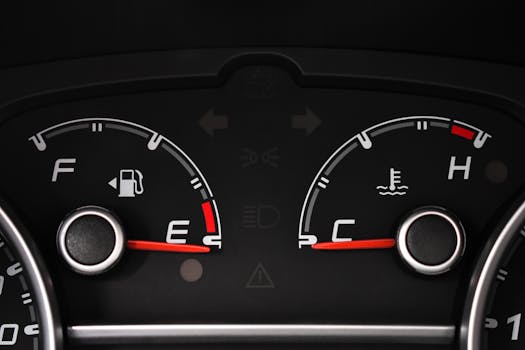 Photo: Abdulvahap Demir / Pexels
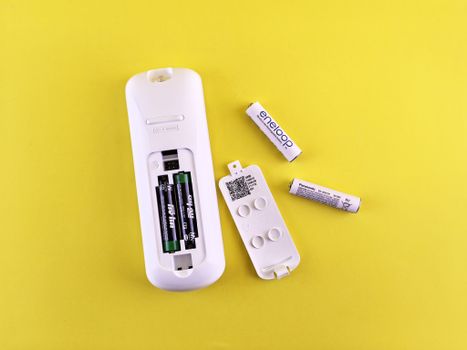 Photo: Andrey Matveev / Pexels
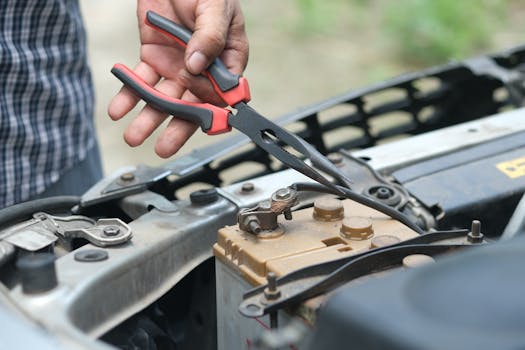 Photo: Towfiqu barbhuiya / Pexels
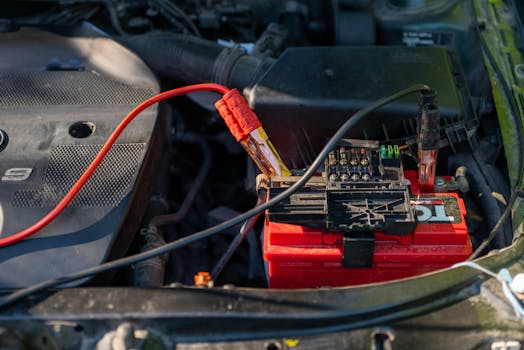 Photo: Vladimir Srajber / Pexels