✓ Minimum legal tread depth in the US is 2/32 of an inch.
✓ The 'penny test' is a quick and easy way to estimate tread depth.
✓ Tire wear indicators (tread bars) are molded into all modern tires.
✓ Regular tread depth checks prevent hydroplaning and improve braking.
✓ Uneven tire wear can indicate underlying mechanical issues.
How It Works
1
Locate Tread Wear Indicators
These are small, raised bars located in the main grooves of your tire. They become flush with the tread when your tires reach the minimum safe depth.
2
Perform the Penny Test
Insert a penny into a tire groove with Lincoln's head upside down and facing you. If you can see the top of Lincoln's head, your tread is too shallow.
3
Use a Tread Depth Gauge
A more precise method involves a specialized gauge. Insert the probe into a groove and press the base flat against the tread, then read the measurement.
4
Check Multiple Spots
Tires can wear unevenly. Check several locations around each tire, including both the inner and outer edges, to get an accurate overall assessment.
Understanding the Importance of Tire Tread Depth for Safety
Photo: Erik Mclean / Pexels
The seemingly minor detail of your tire's tread depth plays an enormous role in your vehicle's safety and overall performance. It's not just about compliance with legal standards; it's about maintaining critical traction, especially in adverse weather conditions. Tread depth directly impacts your tire's ability to grip the road, channel water away, and provide effective braking. When tread wears down, these vital functions diminish significantly, putting you and your passengers at increased risk. Imagine driving on a wet road with worn tires; the grooves, which are designed to disperse water, become too shallow to do their job, leading to hydroplaning. This loss of contact with the road can result in a complete loss of control, a terrifying and dangerous situation. Even in dry conditions, reduced tread depth can extend braking distances, making emergency stops less effective. Furthermore, adequate tread depth contributes to stable handling, allowing you to steer confidently and maintain control around corners and during sudden maneuvers. Neglecting this crucial aspect of tire maintenance can have severe consequences, ranging from minor skids to major accidents.
Beyond safety, proper tread depth also affects your vehicle's fuel efficiency. While often overlooked, tires with optimal tread can contribute to better rolling resistance, which, in turn, can subtly influence your gas mileage. As treads wear, the tire's contact patch with the road changes, sometimes leading to less efficient energy transfer. More critically, uneven or excessive wear can be an early indicator of underlying mechanical issues with your vehicle, such as improper wheel alignment, imbalanced tires, or worn suspension components. By regularly checking your tire tread depth, you're not just ensuring your immediate safety; you're also performing a proactive health check on your entire vehicle. This simple habit can help you identify potential problems before they escalate into more costly and dangerous repairs. Understanding the 'why' behind checking your tire tread depth transforms it from a chore into a fundamental part of responsible vehicle ownership, empowering you to make informed decisions about when to replace your tires and when to seek professional inspection for other vehicle issues. It's a small investment of time that yields significant returns in safety, performance, and peace of mind.
Step-by-Step Guide: Accurate Methods to Measure Tire Tread
Photo: Erik Mclean / Pexels
Measuring your tire tread depth doesn't require specialized tools or a trip to the mechanic every time. There are several reliable methods you can use right at home, ranging from quick estimates to more precise measurements. The most widely known and easiest method is the penny test. To perform this, take a U.S. penny and insert it into one of your tire's tread grooves with Lincoln's head upside down and facing you. If you can see the very top of Lincoln's head, your tread is likely at or below 2/32 of an inch, which is the legally mandated minimum tread depth in most U.S. states. At this point, your tires are considered unsafe and should be replaced immediately. This test provides a good quick check, but it's important to remember it's an estimation. For a slightly more precise, yet still very simple, visual check, you can look for the built-in tread wear indicators. These are small, raised bars that are molded into the main grooves of your tires at several points around the circumference. When your tire tread wears down to be flush with these bars, it means your tires have reached the 2/32 inch minimum depth and need replacement. These indicators are a universal safety feature, designed to give you a clear visual cue without any tools.
For the most accurate assessment, especially if you want to monitor wear over time, a dedicated tire tread depth gauge is invaluable. These gauges come in various forms – digital, dial, and stick gauges – and are relatively inexpensive and widely available at auto parts stores. To use a gauge, ensure your car is on a level surface and the tires are cool. Insert the probe of the gauge into one of the main circumferential grooves of the tire, making sure it's free of debris. Push the gauge down until the base rests firmly and flatly across the top of the tread blocks. Then, read the measurement indicated on the gauge. Repeat this process at several points around each tire, including both the inner, middle, and outer sections of the tread. This is crucial because tires can wear unevenly due to factors like improper inflation, misalignment, or suspension issues. For example, excessive wear on the outer edges might suggest underinflation, while wear on the inner edge could point to overinflation or alignment problems. It’s also wise to check all four tires, as front tires often wear differently than rear tires due to steering and braking forces. Consistent and accurate measurement allows you to track wear patterns, anticipate tire replacement, and even detect potential vehicle issues early on, contributing to overall vehicle longevity and safety.
Interpreting Your Results: When is it Time for New Tires?
Photo: Laker / Pexels
Once you've completed your tread depth checks using the penny test, tread wear indicators, or a dedicated gauge, the next critical step is interpreting those results to determine if and when new tires are needed. The universal benchmark for tire replacement in the United States is 2/32 of an inch. This measurement is not arbitrary; it's the point at which tire manufacturers and safety organizations agree that a tire's ability to provide adequate traction, especially in wet conditions, becomes significantly compromised. If any part of your tire's main tread grooves measures at or below 2/32 inch, it's time for immediate replacement. Driving on tires below this threshold is not only dangerous but also illegal in many states, and could lead to fines or invalidate insurance claims in the event of an accident. The tread wear indicators embedded in your tires are designed precisely for this purpose: when the tread is flush with these bars, you've hit the 2/32 inch mark and should schedule an appointment for new tires promptly.
However, proactively monitoring your tread depth and considering replacement before hitting the absolute minimum can offer enhanced safety and performance, particularly if you frequently drive in challenging weather or at high speeds. Many experts suggest considering new tires when tread depth reaches 4/32 of an inch, especially for those living in regions with heavy rainfall or snow. At 4/32 inch, tires still have a good capacity to channel water away, reducing the risk of hydroplaning. Between 4/32 and 2/32 inches, while legally permissible, your tire's performance, especially wet grip, will steadily decline. Beyond the raw numbers, it's also crucial to observe the consistency of wear across your tires. Uneven wear patterns—such as significant wear on one side of the tire, or cupping (scalloped wear)—can indicate problems like improper wheel alignment, tire imbalance, or worn suspension components. These issues not only accelerate tire wear but can also negatively impact handling, fuel efficiency, and overall vehicle safety. If you observe uneven wear, it's advisable to have your vehicle inspected by a professional mechanic, as addressing these underlying issues can extend the life of your new tires and improve your driving experience. Regular checks of your tire tread depth, combined with an understanding of these thresholds and visual cues, empower you to make timely and informed decisions about tire replacement, ensuring your vehicle remains safe and reliable on the road. Don't wait until it's too late; proactive tire management is key to preventing accidents and maintaining optimal vehicle health. For more insights on tire selection, explore our guide on choosing the right tires for your vehicle.
Common Mistakes and Expert Tips for Prolonging Tire Life
Photo: Jonathan Cooper / Pexels
While checking tire tread depth is straightforward, there are common mistakes drivers make that can lead to premature wear or inaccurate readings. One frequent error is only checking one spot on a tire. As discussed, tires can wear unevenly, so it's vital to check multiple points around the circumference and across the width of each tire. Another mistake is relying solely on the penny test without understanding its limitations; it's a good quick check, but a gauge offers precision. Neglecting to check tire pressure regularly is also a major contributor to uneven wear and reduced tire life. Under-inflated tires often show excessive wear on the outer edges, while over-inflated tires wear more in the center. Both scenarios compromise safety and shorten tire lifespan. Finally, ignoring the signs of uneven wear, such as feathering or cupping, is a missed opportunity to address underlying mechanical issues before they cause significant damage or safety hazards.
To prolong your tire life and ensure consistent tread depth, here are some expert tips:
* **Maintain Proper Tire Pressure:** Check your tire pressure at least once a month and before long trips, using the recommended pressure found on your vehicle's door jamb sticker, not the maximum pressure listed on the tire itself. Proper inflation minimizes rolling resistance and ensures even tread wear.
* **Regular Tire Rotations:** Rotate your tires every 5,000 to 8,000 miles, or as recommended by your vehicle manufacturer. This helps distribute wear evenly across all four tires, extending their overall lifespan.
* **Wheel Alignment:** Have your wheel alignment checked annually or whenever you notice steering issues, such as your vehicle pulling to one side. Proper alignment prevents uneven tire wear caused by misaligned wheels.
* **Tire Balancing:** Ensure your tires are balanced whenever new tires are installed or if you notice vibrations in the steering wheel or seat at certain speeds. Imbalanced tires can cause choppy or scalloped wear patterns.
* **Avoid Aggressive Driving:** Rapid acceleration, hard braking, and fast cornering put excessive stress on your tires, leading to faster and more uneven wear. Gentle driving habits significantly extend tire life.
* **Inspect for Damage:** Regularly check your tires for cuts, bulges, punctures, or embedded objects. Addressing small issues early can prevent them from becoming larger, more dangerous problems.
By incorporating these practices into your routine, you can maximize the life of your tires, maintain optimal safety, and potentially save money on early replacements. Remember, your tires are your vehicle's only contact with the road; taking good care of them is paramount.
Comparison
Feature
Tread Depth Gauge
Penny Test
Tread Wear Indicators
Accuracy
High
Low (Estimation)
Medium (Pass/Fail)
Cost
Low ($5-$20)
Free
Built-in
Ease of Use
Moderate
Very Easy
Easy (Visual)
Required Tools
Gauge
U.S. Penny
None
Best For
Precise Monitoring
Quick Spot Check
Legal Minimum Check
What Readers Say
★★★★★
"This guide made understanding how to check tire tread depth so simple! I used the penny test and then bought a gauge to confirm. It gave me peace of mind knowing my tires are safe."
Sarah J. · Austin, TX
★★★★★
"I always just waited for the mechanic to tell me, but now I can confidently check my own tire tread depth. The explanation of tread wear indicators was particularly helpful."
Mark D. · Chicago, IL
★★★★★
"Following these steps, I discovered one of my tires was almost at the legal limit. Replaced it just in time for hurricane season. Definitely prevented a dangerous situation!"
Emily R. · Orlando, FL
★★★★★
"The information on uneven wear was insightful. While I thought my tires were fine, I found some minor discrepancies. It prompted me to get an alignment check, which was slightly off."
David L. · Denver, CO
★★★★★
"Living in a rainy city, proper tread depth is non-negotiable. This article gave me the confidence to regularly check my tires and understand the importance beyond just the penny test."
Jessica M. · Seattle, WA
Frequently Asked Questions
What is the minimum legal tire tread depth in the U.S.?
The minimum legal tire tread depth in most U.S. states is 2/32 of an inch. At this depth, your tires are considered unsafe, especially in wet conditions, and should be replaced immediately to ensure optimal vehicle safety and compliance with traffic laws.
How often should I check my tire tread depth?
It is recommended to check your tire tread depth at least once a month, along with your tire pressure. Regular checks help you monitor wear patterns, anticipate replacement needs, and identify potential issues before they become critical.
Can I use something other than a penny for the penny test?
While a penny is commonly used because Lincoln's head is approximately 2/32 inch from the edge, you can use a quarter for a 4/32 inch check (Washington's head). However, for the most accurate and reliable measurement, a dedicated tire tread depth gauge is always recommended.
Are tire tread depth gauges expensive?
No, tire tread depth gauges are generally very affordable. Basic stick gauges can be found for a few dollars, while more advanced digital or dial gauges typically range from $10 to $20, making them an accessible tool for every car owner.
How does tread depth affect hydroplaning?
Adequate tread depth is crucial for preventing hydroplaning. The grooves in your tire tread are designed to channel water away from the tire's contact patch with the road. As tread wears down, these grooves become shallower, reducing their ability to displace water, which can cause the tire to ride on a film of water and lose traction.
Who should be most concerned about checking tire tread depth?
Every driver should be concerned about checking tire tread depth, regardless of their driving habits or vehicle type. However, it's particularly critical for those who frequently drive in wet or snowy conditions, carry heavy loads, or drive at high speeds, as these factors demand optimal tire performance for safety.
What are the risks of driving with worn-out tires?
Driving with worn-out tires significantly increases the risk of accidents. Risks include extended braking distances, especially on wet roads, increased likelihood of hydroplaning, reduced vehicle handling and stability, higher chances of tire blowouts, and potential legal penalties or insurance issues.
Will future tire technology eliminate the need to check tread depth?
While future tire technologies may include advanced sensors for real-time tread depth monitoring, the fundamental need to understand and act on tread wear will likely remain. These innovations will enhance convenience, but regular driver awareness and periodic physical checks will still be important for comprehensive tire care and safety.
Taking a few minutes to learn how to check tire tread depth is an investment in your safety and the longevity of your vehicle. Don't wait for an issue to arise; empower yourself with this simple, yet critical, maintenance skill today. Regular checks ensure peace of mind and safer journeys for everyone on the road.

 Photo: Erik Mclean / Pexels
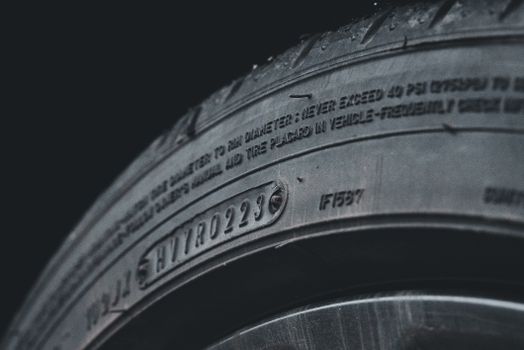 Photo: Erik Mclean / Pexels
 Photo: Laker / Pexels
 Photo: Jonathan Cooper / Pexels