Mastering Headlight Assembly Replacement for Clearer Vision
headlight assembly replacement

Mastering Headlight Assembly Replacement for Clearer Vision

Restore optimal nighttime visibility and enhance your vehicle's appearance with our expert guide to headlight assembly replacement.

Improve Visibility Now

Key Takeaways

  • ✓ A full headlight assembly replacement is often more cost-effective than repairing individual components.
  • ✓ Modern headlight assemblies integrate multiple lighting technologies, including LED, HID, and Halogen.
  • ✓ Proper headlight alignment after replacement is crucial for road safety and preventing glare for other drivers.
  • ✓ DIY replacement can save labor costs, but requires specific tools and a basic understanding of automotive mechanics.

How It Works

1
Diagnose the Issue

Determine if your headlight issue (e.g., dimness, crack, water intrusion) necessitates a full assembly replacement or if a simpler repair suffices. A thorough inspection helps avoid unnecessary expenses and ensures the correct solution is applied.

2
Select the Right Assembly

Choose an OEM, aftermarket, or performance headlight assembly that matches your vehicle's make, model, and year. Consider factors like bulb type, aesthetics, and any additional features like DRLs or adaptive lighting.

3
Remove the Old Assembly

Carefully disconnect the battery, unbolt mounting hardware, and detach electrical connectors and possibly the bumper fascia. This step often requires patience and the right tools to prevent damage to surrounding components.

4
Install and Align the New Assembly

Mount the new assembly, reconnect electrical components, and secure all fasteners. Crucially, perform a precise headlight alignment to ensure proper beam pattern and prevent blinding other drivers, often requiring a flat surface and measuring tape.

Understanding When a Headlight Assembly Replacement is Necessary

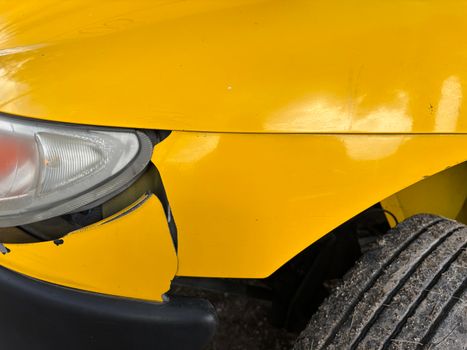
The headlights on your vehicle are more than just cosmetic features; they are critical safety components that illuminate the road ahead, making night driving possible and safe. Over time, various factors can degrade their performance, leading to a point where a complete headlight assembly replacement becomes not just advisable, but essential. Understanding when to make this crucial decision can save you from potential accidents, costly repairs, and even legal issues associated with inadequate lighting. One of the most common reasons for needing a full assembly replacement is significant physical damage. This could be from a minor fender bender, a collision with road debris, or even vandalism. A cracked or shattered lens not only looks bad but also compromises the integrity of the unit, allowing moisture and dirt to enter, which can damage internal components like reflectors and wiring. Once water gets inside, it can lead to condensation, corrosion, and ultimately, electrical failures, making individual component repair impractical or impossible. If you notice persistent moisture inside your headlight, even after drying, it's a strong indicator that the seal is compromised and a full replacement is due. Another frequent culprit is severe oxidation or hazing of the headlight lens. While many attempt to restore clarity with restoration kits, deeply pitted, scratched, or heavily oxidized lenses often resist these efforts. The UV coating on plastic lenses degrades over time, leading to a cloudy, yellowish appearance that drastically reduces light output. Even if the bulb is perfectly fine, a hazy lens can block a significant percentage of light, diminishing your visibility and making your vehicle less visible to others. In such cases, the internal reflector may also be compromised, making a full assembly swap the only viable long-term solution for restoring optimal performance. Choosing the right auto parts for this repair is paramount for safety and longevity. Internal component failure, such as issues with the reflector, aiming mechanisms, or integrated daytime running lights (DRLs), can also necessitate a full assembly replacement. While a single bulb can be easily swapped, problems with the internal circuitry or mounting points for the bulbs often mean the entire unit is faulty. For vehicles with complex lighting systems, like those featuring HID (High-Intensity Discharge) or LED (Light Emitting Diode) projectors, individual component replacement can be incredibly difficult, if not impossible, for the average mechanic or DIY enthusiast. These systems are often sealed units designed to be replaced as a whole. Furthermore, modern vehicles often integrate multiple functions into a single headlight assembly, such as turn signals, DRLs, and even adaptive lighting systems that swivel with steering input. If one of these integrated functions fails, and it's not a simple bulb issue, replacing the entire assembly is usually the most straightforward and reliable fix. Ignoring these issues can lead to compromised safety, reduced visibility, and potentially failing vehicle inspections. Therefore, recognizing these signs early can save you from more significant problems down the road.

Navigating Your Options: OEM, Aftermarket, and Performance Headlights

When faced with the need for a headlight assembly replacement, you'll quickly discover a range of options available, each with its own set of advantages and disadvantages. These typically fall into three main categories: Original Equipment Manufacturer (OEM), aftermarket, and performance/upgrade headlights. Understanding the distinctions between these choices is crucial for making an informed decision that balances quality, cost, and desired aesthetics. OEM headlight assemblies are identical to the parts originally installed on your vehicle when it rolled off the production line. They are manufactured by the same companies that supply the car manufacturers, ensuring a perfect fit, finish, and performance. The primary benefit of OEM parts is their guaranteed quality and compatibility. You can be confident that an OEM assembly will integrate seamlessly with your vehicle's electrical system and maintain the factory-specified light output and beam pattern. This means no surprises during installation and reliable performance for years to come. However, the premium quality of OEM parts comes at a price; they are typically the most expensive option. This higher cost is often justified by their superior durability and the peace of mind that comes with using a factory-approved component. Aftermarket headlight assemblies, on the other hand, are produced by third-party manufacturers. These parts are designed to be compatible with your vehicle, but they are not made by the original equipment supplier. The aftermarket segment is vast and varies widely in terms of quality and price. You can find very affordable options that mimic the look of OEM headlights, as well as higher-quality aftermarket units that offer comparable performance. The main advantage of aftermarket parts is their cost-effectiveness; they are generally significantly cheaper than OEM assemblies, making them an attractive option for budget-conscious consumers. However, quality can be inconsistent. Some aftermarket headlights may have minor fitment issues, use lower-quality materials that degrade faster, or have less precise beam patterns. It's essential to research specific brands and read reviews to avoid purchasing a subpar product that might require early replacement or compromise safety. Performance or upgrade headlight assemblies represent a specialized subset of aftermarket options. These units are designed not just to replace your existing headlights but to enhance them, often incorporating advanced lighting technologies like projector-style optics, brighter LEDs, or more intricate DRL designs. They can dramatically change the look of your vehicle and often provide superior light output compared to standard OEM halogen units. For drivers looking to customize their vehicle's appearance or achieve maximum visibility, performance headlights are an excellent choice. However, these often come with a higher price tag than standard aftermarket parts, and installation can sometimes be more complex, potentially requiring additional wiring or modifications. It's also important to ensure that any performance upgrade complies with local regulations regarding lighting intensity and color. Ultimately, the best choice depends on your priorities: strict adherence to factory specifications, budget constraints, or a desire for enhanced performance and aesthetics.

The DIY Approach: A Step-by-Step Guide to Headlight Assembly Replacement

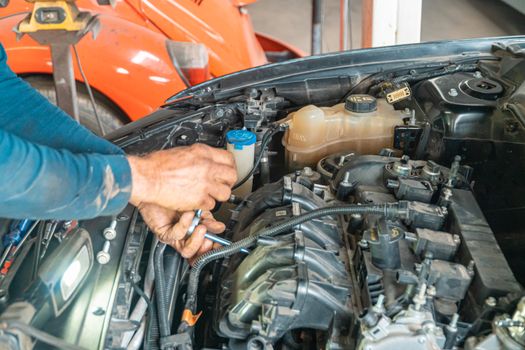
Undertaking a headlight assembly replacement yourself can be a rewarding project, saving you significant labor costs often charged by mechanics. However, it's a task that requires patience, the right tools, and a methodical approach. Before you begin, gather all necessary equipment, including your new headlight assembly, a socket set, screwdrivers, possibly a trim removal tool, and protective gloves. Always consult your vehicle's service manual for specific instructions, as procedures can vary greatly between makes and models. Having the right tools for your auto parts is half the battle. The first critical step is to ensure safety by disconnecting the negative terminal of your vehicle's battery. This prevents any accidental electrical shorts or shocks during the process. Next, you'll need to gain access to the headlight assembly. For many modern vehicles, this involves removing the front bumper fascia or at least partially detaching it. The bumper is typically held in place by a series of clips, screws, and sometimes bolts located in the wheel wells, under the bumper, and along the grille. Use your trim removal tool to carefully pry off plastic clips and a socket wrench for bolts, being mindful not to scratch painted surfaces. Once the bumper is loose enough, you can usually pivot it out of the way or support it temporarily. With the bumper fascia moved, the old headlight assembly will be fully exposed. It's usually secured by three to four mounting bolts, often accessible from the top, side, and sometimes the bottom. Locate and remove these bolts. After the bolts are out, carefully pull the headlight assembly forward. It might be snug, so a gentle wiggle can help. As you pull it out, you'll need to disconnect the electrical connectors for the bulbs and any integrated features like DRLs or turn signals. These connectors often have a tab that needs to be pressed or squeezed before they can be pulled apart. Once all connections are free, the old assembly can be completely removed. Now, prepare the new headlight assembly for installation. If the new assembly did not come with bulbs, transfer the bulbs from your old unit to the new one, or install new bulbs if you're upgrading. Be careful not to touch the glass part of halogen bulbs with your bare hands, as oils can cause hot spots and premature failure. Slide the new assembly into place, ensuring all mounting tabs align correctly. Reconnect all electrical connectors, making sure they click securely into place. Then, re-insert and tighten the mounting bolts. Before fully reattaching the bumper, it's wise to test the headlights (low beams, high beams, turn signals, DRLs) to ensure everything is working correctly. Finally, reattach the bumper fascia, securing all clips, screws, and bolts, and reconnect the battery's negative terminal. The final and crucial step is to perform a headlight alignment, which can be done manually against a wall or professionally using specialized equipment, to ensure proper beam aim and road safety.

Common Mistakes to Avoid and Tips for a Flawless Headlight Upgrade

While a headlight assembly replacement can significantly improve your driving experience and vehicle's aesthetics, there are several common pitfalls that can turn a straightforward project into a frustrating ordeal. Being aware of these mistakes and implementing best practices can ensure a smooth and successful upgrade. **Common Mistakes to Avoid:** * **Incorrect Part Selection:** One of the most frequent errors is purchasing an assembly that doesn't perfectly match your vehicle's year, make, and model, or one that doesn't account for specific trim levels (e.g., models with or without fog lights, or different lighting technologies). Always double-check part numbers and compatibility charts. * **Forgetting to Disconnect the Battery:** Neglecting this crucial safety step can lead to electrical shorts, damage to your vehicle's wiring, or even personal injury during the installation process. * **Damaging Bumper Clips/Tabs:** Modern bumpers are often held by delicate plastic clips and tabs. Forcing them can lead to breakage, making it difficult to properly reattach the bumper and potentially leaving gaps. * **Touching Halogen Bulbs:** The oils from your skin can create hot spots on halogen bulbs, leading to premature failure. Always handle them with gloves or a clean cloth. * **Skipping Headlight Alignment:** Installing a new assembly without proper alignment is a major safety hazard. Misaligned headlights can blind oncoming drivers or fail to illuminate the road effectively, negating the purpose of the replacement. * **Overtightening Bolts:** Headlight assemblies are typically made of plastic. Overtightening mounting bolts can crack the housing, compromising the seal and requiring another replacement. **Tips for a Flawless Upgrade:** * **Watch Tutorials:** Before starting, watch several video tutorials specific to your vehicle's model. Visual guides can reveal nuances not always clear in written instructions. * **Take Photos:** Document each step of the disassembly process with photos. This serves as a valuable reference when you're putting everything back together, especially for complex wiring or bumper reinstallation. * **Organize Fasteners:** Use small containers or magnetic trays to keep track of screws, bolts, and clips. Label them according to where they were removed from to avoid confusion during reassembly. * **Test Before Final Assembly:** After installing the new assembly but before completely reattaching the bumper, connect the battery and test all lighting functions (low beam, high beam, turn signal, DRLs). This allows you to easily troubleshoot any wiring issues. * **Invest in Quality Tools:** Having the right tools, such as a trim removal kit, a good socket set, and possibly a headlight aiming tool, can make the job much easier and prevent damage. * **Consider Professional Alignment:** While basic alignment can be done at home, a professional alignment service ensures precision and adherence to safety standards, especially important for vehicles with advanced lighting systems. * **Clean Surrounding Areas:** While the bumper is off, take the opportunity to clean any accumulated dirt or debris from behind the bumper and around the headlight area. This can prevent future issues and improve overall vehicle cleanliness. By following these tips and avoiding common mistakes, you can achieve a successful headlight assembly replacement that not only enhances your vehicle's appearance but also significantly improves your nighttime driving safety.

Comparison

FeatureOEM AssemblyAftermarket AssemblyPerformance Assembly
Fit & FinishPerfect, factory matchGood to excellent, may varyGood to excellent, custom look
CostHighestLowest to moderateModerate to high
DurabilityExcellent, long-lastingVaries, can be goodGood, often enhanced materials
Installation DifficultyStraightforwardStraightforward, minor adjustments possiblePotentially complex (wiring)
Light Output QualityFactory standardVaries, can be lower or comparableOften superior, brighter
WarrantyTypically robustVaries greatly by brandVaries, often shorter
AestheticsFactory lookFactory look or slight variationCustom, modern, aggressive

What Readers Say

"My old headlights were completely hazed over, and polishing wasn't doing anything. The new headlight assembly replacement I installed made a world of difference. Night driving is so much safer now, and the car looks years younger."

David L. · Austin, TX

"After a minor fender bender, I needed a full headlight assembly replacement. I opted for an aftermarket unit, and it fit perfectly. The installation was straightforward, and the light output is just as good as the original."

Sarah P. · Miami, FL

"I replaced both headlight assemblies on my truck, and it was a game-changer. The old ones had water inside, causing intermittent issues. Now, with the new assemblies, I have reliable, bright lights, and my visibility during snow is dramatically improved."

Mark R. · Denver, CO

"The headlight assembly replacement was mostly easy, though getting the bumper off was a bit tricky. The new lights look fantastic, but I did have to spend extra time aligning them perfectly to avoid blinding others. Still, a great upgrade for the price."

Jessica M. · Seattle, WA

"My classic car's headlights were dim and outdated. I found a performance headlight assembly replacement that completely modernized its look and improved the light output dramatically. It was a bit more involved to install, but the end result is stunning and much safer."

Chris T. · Phoenix, AZ

Frequently Asked Questions

How do I know if I need a full headlight assembly replacement versus just a bulb or lens repair?

A full assembly replacement is typically needed if your headlight lens is severely cracked, deeply pitted, or heavily oxidized beyond restoration. It's also necessary if there's persistent moisture inside the unit, damage to the internal reflectors, or if integrated components like DRLs or aiming mechanisms are malfunctioning and cannot be individually repaired. If only a bulb is out, a simple bulb swap usually suffices. Lens repairs are only effective for minor hazing or surface scratches.

Is headlight assembly replacement a difficult DIY job for an average car owner?

The difficulty varies significantly by vehicle make and model. For some cars, it's a relatively straightforward process involving a few bolts and electrical connectors. For others, it can require partial or full removal of the front bumper, which adds complexity and requires more tools and patience. It's advisable to watch specific video tutorials for your vehicle and assess your comfort level with automotive work before attempting it yourself. Safety and proper alignment are paramount.

What tools are typically required for a headlight assembly replacement?

Common tools include a socket set (with various sizes), screwdrivers (Phillips and flathead), a trim removal tool (for plastic clips), and possibly a ratchet wrench. You'll also need protective gloves and potentially a headlight aiming tool or a measuring tape for alignment. Always consult your vehicle's service manual for a precise list.

How much does a headlight assembly replacement cost?

The cost can vary widely. OEM (Original Equipment Manufacturer) assemblies are generally the most expensive, ranging from $200 to over $1000 per unit, depending on the vehicle and its lighting technology. Aftermarket assemblies are typically more affordable, from $70 to $400. Labor costs for professional installation can add another $100-$300 per headlight. DIY replacement saves on labor but requires purchasing the assembly and any necessary tools.

What's the difference between OEM and aftermarket headlight assemblies?

OEM assemblies are identical to the parts originally installed by the manufacturer, offering guaranteed fit, finish, and performance, but at a higher cost. Aftermarket assemblies are produced by third-party manufacturers, designed to be compatible but vary in quality and price. While often more affordable, aftermarket parts might have slight differences in fitment or material quality. Performance assemblies are a type of aftermarket part designed for enhanced aesthetics or light output.

Can I upgrade my headlight technology (e.g., from halogen to LED) during a replacement?

Yes, it's often possible to upgrade your headlight technology, but it's crucial to purchase a full assembly specifically designed for the new technology (e.g., an LED projector assembly). Simply swapping halogen bulbs for LED bulbs in a halogen housing is generally not recommended, as it can lead to poor beam patterns, excessive glare for other drivers, and may not be road legal. A proper upgrade involves a compatible assembly designed for the desired lighting type.

Is headlight alignment really that important after replacing the assembly?

Absolutely. Proper headlight alignment is critical for both your safety and the safety of other drivers. Misaligned headlights can drastically reduce your visibility of the road, especially at night, and can blind oncoming traffic or drivers in front of you. Incorrect alignment can also lead to failing vehicle inspections. Always align your headlights after replacement, either professionally or by following a reliable DIY method.

What are the future trends in headlight technology that might affect replacements?

Future trends include adaptive driving beam (ADB) headlights, which can dynamically adjust their pattern to avoid dazzling other drivers while maintaining high beam illumination. Micro-LED and laser-light technologies are also emerging, offering even greater precision and brightness. These advanced systems will likely make future headlight assemblies more complex, potentially increasing replacement costs and the need for specialized diagnostic tools for alignment and calibration.

Don't compromise on safety or visibility. Take control of your nighttime driving experience by addressing any headlight issues promptly. Whether you choose a DIY approach or professional installation, a proper headlight assembly replacement ensures clarity, safety, and renewed aesthetics for your vehicle.

Topics: headlight assembly replacementautomotive lighting repairheadlight upgradecar headlight maintenancevehicle visibility
Leo List
Brampton weed
Adultwork