OEM Auto Parts vs Aftermarket: Which is Best for Your Ride?
Understand the critical distinctions between OEM and aftermarket parts to optimize your vehicle's performance and longevity.
Make the Right ChoiceKey Takeaways
- ✓ OEM parts are identical to original factory components, ensuring perfect fit and function.
- ✓ Aftermarket parts offer a wider range of price points and performance modifications.
- ✓ Warranty implications can differ significantly between OEM and aftermarket parts.
- ✓ Choosing between them often involves balancing cost, quality, and specific vehicle needs.
How It Works
Determine which part of your vehicle needs replacement or upgrade. Consider its function and impact on safety or performance.
Look up both OEM and aftermarket alternatives for the specific part. Compare prices, warranties, and manufacturer reputations.
Weigh the advantages of OEM (guaranteed fit, quality) against aftermarket benefits (cost savings, performance variations). Consider your vehicle's age and value.
Based on your research and priorities, select the part that best fits your budget, vehicle requirements, and long-term expectations for performance and reliability.
Understanding OEM Auto Parts: Precision and Assurance
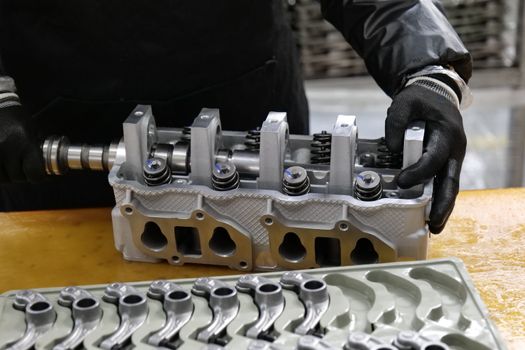 Photo: Auto Tech / Pexels
Exploring Aftermarket Auto Parts: Variety and Value
 Photo: cottonbro studio / Pexels
Key Differences: Performance, Warranty, and Resale Value
Making the Right Choice: Tips and Common Mistakes
Comparison
| Feature | OEM Parts | Aftermarket Parts | Remanufactured Parts |
|---|---|---|---|
| Quality & Fit | Exact match, factory quality | Varies (can be equal or inferior) | Refurbished to OEM specs |
| Cost | Higher | Lower (significant savings) | Moderate (between OEM & aftermarket) |
| Warranty | Manufacturer warranty (often 12 mos) | Varies by brand (can be limited) | Provider warranty (varies) |
| Availability | Direct from dealer or authorized sellers | Wide range of suppliers | Specialized suppliers |
| Resale Value Impact | Positive / Preserves value | Neutral to negative (depending on part) | Neutral |
| Performance | Restores original performance | Varies (can upgrade or degrade) | Restores original performance |
What Readers Say
"I always go OEM for critical engine components on my BMW. The peace of mind knowing it's an exact fit and the factory warranty is worth the extra cost. My car runs flawlessly."
David L. · Austin, TX"For my older Honda Civic, aftermarket brake pads and rotors have been a lifesaver. I found a reputable brand, saved a ton of money, and they perform just as well as the originals."
Sarah K. · Phoenix, AZ"After a fender bender, my mechanic recommended an OEM headlight assembly for my Subaru. It matched perfectly, and the fitment was seamless, resulting in a repair that looks factory new."
Mark R. · Chicago, IL"I've used a mix of both. For major repairs on my SUV, I lean towards OEM, but for things like filters or wiper blades, aftermarket is perfectly fine and saves me a few bucks. It really depends on the part."
Jessica M. · Miami, FL"I needed a new catalytic converter and the OEM price was astronomical. My mechanic found a high-quality aftermarket one that met emissions standards and saved me over a thousand dollars. No issues since installation."
Tom W. · Denver, COFrequently Asked Questions
What is the main difference between OEM and aftermarket auto parts?
OEM (Original Equipment Manufacturer) parts are made by the same company that supplied the original parts for your car when it was built, ensuring identical quality and fit. Aftermarket parts are made by independent companies and can vary widely in price, quality, and performance from the original.
Are aftermarket parts always inferior to OEM parts?
No, not always. While some aftermarket parts may be of lower quality, many independent manufacturers produce parts that meet or even exceed OEM specifications. It's crucial to research reputable aftermarket brands and read reviews to ensure quality.
How do I know if an aftermarket part is reliable?
To assess reliability, look for well-known aftermarket brands with positive reviews, check for industry certifications (like ISO 9001), and consult with a trusted mechanic who has experience with various brands and parts. Don't hesitate to ask about their recommended suppliers.
Is it worth paying more for OEM parts?
The 'worth' depends on the specific part, your vehicle's age, and your priorities. For critical components affecting safety or major systems, or for newer vehicles still under warranty, OEM parts often provide the best assurance of quality, fit, and compatibility, justifying the higher cost.
Can using aftermarket parts void my car's warranty?
Generally, simply using an aftermarket part won't void your entire car warranty. However, if an aftermarket part *causes* a failure or damage to another component, the manufacturer might deny a warranty claim for that specific damage. Always check your vehicle's warranty terms.
Who should choose OEM auto parts vs aftermarket?
OEM parts are generally recommended for newer vehicles, critical safety components (brakes, airbags), complex electronic systems, or if preserving the vehicle's original condition and resale value is a priority. Aftermarket parts are a great option for older vehicles, non-critical components, or when budget savings and performance customization are key considerations.
Are there safety concerns with using aftermarket parts?
There can be safety concerns if low-quality or incompatible aftermarket parts are used, especially for critical systems like brakes, steering, or suspension. Always prioritize quality and proper fitment, and choose reputable brands to mitigate safety risks. When in doubt, consult a professional mechanic.
What is the future trend for OEM vs aftermarket parts?
The trend points towards continued growth in both sectors. OEM parts will remain dominant for new vehicle repairs and complex EV components, while aftermarket will continue to innovate, offering more specialized, performance-oriented, and cost-effective solutions, especially as vehicles age and technology evolves. Connectivity and data will also play a larger role in part selection.
Choosing between OEM auto parts vs aftermarket is a critical decision for any vehicle owner. By understanding the distinctions in quality, cost, and long-term implications, you can make an informed choice that best suits your vehicle's needs and your budget. Drive confidently knowing you've selected the right parts for your ride.