✓ Synthetic oil is engineered for superior performance and protection.
✓ Conventional oil is refined from crude oil, offering basic lubrication.
✓ Synthetic oil typically offers longer drain intervals and better fuel economy.
✓ Conventional oil is generally more affordable upfront but may require more frequent changes.
How It Works
1
Understanding the Foundation
Conventional oil starts as crude oil, undergoing refining to remove impurities and create a basic lubricant. Synthetic oil begins with highly refined base oils, often chemically synthesized, for a more uniform molecular structure.
2
Performance at the Molecular Level
The uniform molecules in synthetic oil provide better film strength and reduced friction across a wider temperature range. Conventional oil's varied molecular sizes can lead to less stable lubrication and quicker breakdown under stress.
3
Additives and Enhancements
Both types of oil contain additive packages, but synthetic oils often leverage more advanced and robust additives due to their stable base. These additives enhance properties like detergency, anti-wear, and oxidation resistance, further boosting synthetic oil's performance.
4
Impact on Engine Longevity
The superior protection, reduced wear, and cleaner engine environment provided by synthetic oil contribute to extended engine life. Conventional oil, while effective, offers less advanced protection against the long-term stresses of engine operation.
The Fundamental Composition: Synthetic vs. Conventional Base Oils
Photo: ManojMk Brucelee / Pexels
At the heart of the difference between synthetic and conventional oil lies their fundamental composition, specifically the base oils from which they are formulated. This distinction is not merely academic; it dictates virtually every performance characteristic of the final product and profoundly impacts your vehicle's engine health and longevity. Conventional motor oil, often referred to as 'mineral oil,' is directly derived from crude oil. It undergoes a refining process that removes contaminants, waxes, and other undesirable elements. While this refining has become highly sophisticated over the years, the inherent nature of crude oil means that the resulting base oil still contains a wide range of molecular sizes and shapes, as well as various impurities that are difficult to eliminate entirely. These inconsistencies in molecular structure are a key limitation. Under high heat and stress, the smaller molecules can evaporate, leading to oil consumption and thickening, while the larger, more irregular molecules can break down, forming sludge and deposits. The performance envelope of conventional oil is thus somewhat constrained by the raw material it originates from. It provides adequate lubrication for many engines under normal operating conditions, but it struggles when pushed to extremes, such as very high or very low temperatures, or under heavy load conditions.
In stark contrast, synthetic oil is not directly derived from crude oil in the same way. Instead, its base oils are either chemically synthesized from simpler compounds or are highly refined and processed crude oil components that have been molecularly restructured. This allows for a much greater degree of control over the molecular structure. Synthetic base oils are engineered to be uniform in size and shape, leading to several significant advantages. This molecular consistency means synthetic oil maintains its viscosity more effectively across a broad temperature range. It resists thermal breakdown much better than conventional oil, preventing the formation of sludge and varnish that can clog critical engine passages. Furthermore, the uniform molecules create a stronger, more stable lubricating film, reducing friction and wear on engine components. This engineered precision is why synthetic oils are often described as 'tailor-made' for specific performance requirements, offering a level of protection and efficiency that conventional oils simply cannot match due to their natural, less controlled origins. Understanding this foundational difference in how they are made is crucial to appreciating the performance disparities and making an informed decision for your vehicle's needs. For more details on how engine oils are classified, you might find this guide to API oil standards helpful.
Performance Metrics: Viscosity, Thermal Stability, and Wear Protection
Photo: Gustavo Fring / Pexels
The fundamental differences in composition between synthetic and conventional oil translate directly into measurable performance metrics that impact your engine's operation daily. Three critical areas where this distinction is most apparent are viscosity stability, thermal stability, and wear protection. Viscosity refers to an oil's resistance to flow. An engine needs oil that is thin enough to flow quickly at cold start-up (when most engine wear occurs) and thick enough to maintain a protective film at high operating temperatures. Conventional oils, with their varied molecular structure, tend to thin out more significantly at high temperatures and thicken more at low temperatures. This means they are less effective at providing consistent lubrication across the engine's entire operating range. Synthetic oils, on the other with their uniform molecules, maintain a much more stable viscosity index. They flow more easily in cold weather, ensuring rapid lubrication to critical components immediately upon startup, and resist thinning out under extreme heat, maintaining a robust protective film even during strenuous driving conditions. This superior viscosity stability directly contributes to reduced engine wear and improved fuel efficiency.
Thermal stability is another battleground where synthetic oils shine. Engines generate immense heat, and oil is constantly exposed to these high temperatures. Conventional oils, due to their natural impurities and less stable molecular bonds, are more prone to oxidation and thermal breakdown. This breakdown leads to the formation of sludge, varnish, and acidic byproducts that can corrode engine parts and clog oil passages. Over time, this accelerates engine wear and reduces efficiency. Synthetic oils, however, are engineered to withstand much higher temperatures without breaking down. Their stronger, more uniform molecular bonds make them far more resistant to oxidation and thermal degradation. This means synthetic oils maintain their protective qualities for longer periods, keep engines cleaner, and prolong the life of critical components by preventing the buildup of harmful deposits. This enhanced thermal stability is a primary reason why synthetic oils often have longer recommended drain intervals compared to conventional oils.
Finally, wear protection is arguably the most crucial role of any motor oil. The constant metal-on-metal contact within an engine requires a robust lubricating film to prevent friction and abrasion. While both oil types contain anti-wear additives, the superior base oil of synthetics provides an inherent advantage. The uniform molecules in synthetic oil create a stronger, more consistent lubricating film that can withstand greater pressure and shear forces without breaking. This robust film significantly reduces friction, minimizing wear on vital engine parts like camshafts, bearings, and piston rings. In demanding conditions – such as heavy towing, stop-and-go city driving, or high-performance use – the difference in wear protection becomes even more pronounced. Conventional oils, while providing adequate protection under normal loads, may struggle to maintain sufficient film strength under extreme stress, leading to increased metal-to-metal contact and accelerated wear. The combined benefits of superior viscosity and thermal stability in synthetic oils directly translate into enhanced wear protection, contributing to a longer, healthier life for your engine. This comprehensive protection is why many modern, high-performance engines specifically mandate the use of synthetic lubricants.
Cost, Drain Intervals, and Environmental Considerations
Photo: Daniel Andraski / Pexels
When evaluating the difference between synthetic and conventional oil, the practical considerations of cost, drain intervals, and environmental impact are often pivotal for consumers. These factors influence not only your wallet but also your routine maintenance schedule and your ecological footprint. On the surface, conventional oil almost always has a lower upfront cost per quart or per oil change. This immediate savings can be appealing, especially for older vehicles or those with less demanding engine requirements. However, this lower price tag often comes with a trade-off: shorter recommended drain intervals. Most manufacturers suggest changing conventional oil every 3,000 to 5,000 miles, meaning more frequent trips to the service center and more labor costs over the long run. When calculating the total cost of ownership over a year or several years, the initial savings of conventional oil can quickly diminish, or even be surpassed, by the cumulative expenses of more frequent changes.
Synthetic oil, conversely, typically has a higher purchase price. This is due to the more complex manufacturing processes and the higher quality base oils and additive packages involved. However, the superior thermal stability and resistance to breakdown mean that synthetic oils can safely extend drain intervals significantly – often ranging from 7,500 to 15,000 miles, or even longer in some vehicles with advanced oil life monitoring systems. While the per-quart cost is higher, the reduced frequency of oil changes can often balance out, or even reduce, the overall annual cost of oil changes. Fewer oil changes also mean less time spent at the mechanic and less inconvenience for the vehicle owner. It's a classic case of paying more upfront for a product that delivers greater longevity and performance, potentially leading to long-term savings and convenience. For those interested in optimizing their vehicle's lifespan, understanding how to choose the right oil filter is also crucial.
Beyond cost and convenience, environmental considerations are increasingly important. Each oil change generates waste oil, which must be properly disposed of and recycled. Since synthetic oils allow for longer drain intervals, using them inherently means fewer oil changes over the life of the vehicle. This directly translates to less waste oil generated and a reduction in the consumption of new oil resources. While both conventional and synthetic oils are petroleum-based (even many synthetic oils start with highly processed crude), the more efficient and longer-lasting nature of synthetics contributes to a smaller environmental footprint per mile driven. Furthermore, the improved fuel efficiency often associated with synthetic oils – due to reduced engine friction – also contributes to lower greenhouse gas emissions. For environmentally conscious drivers, the choice of synthetic oil aligns with a broader commitment to sustainable vehicle operation, minimizing both resource consumption and waste generation over the vehicle's lifespan. Considering these multifaceted aspects, the decision between synthetic and conventional oil extends beyond just the initial price tag, encompassing a holistic view of performance, economy, and ecological responsibility.
Choosing the Right Oil: Tips and Common Misconceptions
Photo: Daniel Andraski / Pexels
Navigating the world of motor oil can be confusing, with numerous options and persistent myths. Making the right choice between synthetic and conventional oil depends on several factors, including your vehicle's manufacturer recommendations, your driving habits, and your budget. Here are some key tips and common misconceptions to help you decide:
**Tips for Choosing:**
* **Always Consult Your Owner's Manual:** This is the golden rule. Your car's manufacturer specifies the exact oil type, viscosity (e.g., 5W-30), and performance standards (e.g., API SN, ILSAC GF-6) required for your engine. Deviating from these recommendations can void your warranty and potentially harm your engine. Modern engines, especially those with turbochargers or direct injection, almost always require synthetic or synthetic blend oils.
* **Consider Your Driving Conditions:** If you frequently drive in extreme temperatures (very hot or very cold), engage in heavy towing, or do a lot of stop-and-go city driving, synthetic oil's superior protection against heat breakdown and wear is highly beneficial. For light, highway-only driving in moderate climates, conventional oil might be adequate if your manufacturer allows it.
* **Evaluate Long-Term Value:** While synthetic oil has a higher upfront cost, its longer drain intervals and enhanced engine protection can lead to long-term savings by reducing the frequency of oil changes and potentially extending engine life. Don't just look at the price per quart.
* **Mixing Oils:** It's generally safe to mix synthetic and conventional oils, though it's not ideal. A synthetic blend oil is specifically designed to be a mix. If you top off a conventional oil with synthetic, or vice versa, you'll simply dilute the benefits of the synthetic oil. It won't harm your engine, but you won't get the full performance of a pure synthetic.
**Common Misconceptions:**
* **"Once you go synthetic, you can't go back to conventional."** This is false. You can switch between synthetic and conventional oil without any issues, provided both meet your car's specifications. There's no magical barrier created by synthetic oil that prevents using conventional oil later.
* **"Synthetic oil causes leaks in older engines."** This myth originated decades ago when early synthetic oils had different additive packages that could sometimes affect older seal materials. Modern synthetic oils are formulated with seal conditioners that are compatible with all engine seals, old and new. If an older engine leaks after switching to synthetic, it's usually because the synthetic oil's superior cleaning properties have removed sludge that was previously plugging an existing leak.
* **"Synthetic oil is only for new or high-performance cars."** While modern and high-performance engines often require synthetic, older cars can also benefit significantly from synthetic oil, especially in terms of reduced wear, better cold start protection, and cleaner engines. It can breathe new life into an aging engine.
* **"All synthetic oils are the same."** Not true. There are different types of synthetic base oils (Group III, Group IV, Group V) and varying additive packages. Always look for oils that meet or exceed the specifications listed in your owner's manual, such as API, ILSAC, or specific OEM approvals (e.g., Dexos, BMW LL-01).
Comparison
Feature
Synthetic Oil
Conventional Oil
Synthetic Blend
Base Oil Source
Chemically engineered/highly refined crude
Refined Crude Oil
Mix of Conventional & Synthetic
Molecular Structure
Uniform, consistent
Varied, inconsistent
Partially uniform
Cold Start Performance
Excellent (flows quickly)
Good (thicker at cold temps)
Very Good
High Temperature Stability
Superior (resists breakdown)
Good (prone to breakdown)
Better than conventional
Wear Protection
Excellent (strong film)
Good (less stable film)
Enhanced
Sludge & Deposit Control
Superior (keeps engine clean)
Moderate (more prone to deposits)
Improved
Drain Interval (typical)
7,500 - 15,000+ miles
3,000 - 5,000 miles
5,000 - 7,500 miles
Cost (per quart)
Higher
Lower
Moderate
Fuel Economy Benefits
Potential Improvement
Minimal
Possible Slight Improvement
Environmental Impact (per mile)
Lower (fewer changes)
Higher (more changes)
Reduced
What Readers Say
★★★★★
"I switched my 2010 Honda Civic to full synthetic oil and the difference is noticeable. The engine runs smoother, especially on cold mornings, and I'm getting better gas mileage. Definitely worth the extra cost for the peace of mind."
David R. · Austin, TX
★★★★★
"Living in a cold climate, the difference between synthetic and conventional oil in winter is huge. My car starts up so much easier now with synthetic, and I don't worry about engine strain. Highly recommend for harsh weather."
Sarah K. · Denver, CO
★★★★★
"My mechanic explained the difference between synthetic and conventional oil in detail. I decided to go with synthetic for my SUV, and I've extended my oil change intervals significantly, saving me time and hassle. My engine feels more responsive too."
Mark T. · Miami, FL
★★★★★
"I've always used conventional oil, but after reading up on the benefits, I tried a synthetic blend. While it's a bit more expensive, I appreciate the added protection for my daily commute and plan to switch to full synthetic on my next change."
Emily P. · Seattle, WA
★★★★★
"In Arizona's extreme heat, the thermal stability of synthetic oil is a game-changer. My truck's engine temperature stays more consistent, and I trust it more for long hauls. The difference between synthetic and conventional oil for engine longevity is clear."
Juan L. · Phoenix, AZ
Frequently Asked Questions
What is the primary difference between synthetic and conventional oil?
The primary difference lies in their base oil composition. Conventional oil is refined directly from crude oil, resulting in varied molecular structures. Synthetic oil is either chemically synthesized or highly refined from crude, creating a more uniform and consistent molecular structure, leading to superior performance.
Is it safe to switch from conventional to synthetic oil?
Yes, it is perfectly safe to switch from conventional to synthetic oil at any time, provided the synthetic oil meets your vehicle manufacturer's specifications. Modern synthetic oils are fully compatible with all engine seals and components, and they will not cause leaks or damage.
How often should I change synthetic oil compared to conventional?
Synthetic oil typically allows for much longer drain intervals, often ranging from 7,500 to 15,000 miles, or even more, depending on the specific oil and vehicle. Conventional oil usually requires changes every 3,000 to 5,000 miles. Always refer to your car's owner's manual for precise recommendations.
Is synthetic oil worth the extra cost?
For most modern vehicles, especially those with turbochargers, direct injection, or driven in demanding conditions, synthetic oil is generally worth the extra cost. It offers superior engine protection, better fuel economy, extended drain intervals, and can contribute to a longer engine lifespan, often leading to long-term savings.
Can I mix synthetic and conventional oil?
While it's generally safe to mix synthetic and conventional oils without causing harm, doing so will dilute the superior performance properties of the synthetic oil. If you need to top off your oil, it's best to use the same type of oil that is already in your engine to maintain its intended performance characteristics.
Who should use synthetic oil?
Anyone whose vehicle manufacturer recommends or requires it should use synthetic oil. Additionally, drivers who experience extreme temperatures, engage in heavy towing, do a lot of stop-and-go driving, or simply want the best possible protection and longevity for their engine should opt for synthetic oil.
Does synthetic oil cause oil leaks in older engines?
This is a common misconception. Modern synthetic oils are formulated with seal conditioners that are compatible with all engine seals. If an older engine starts to leak after switching to synthetic, it's usually because the synthetic's cleaning agents have removed sludge that was previously blocking an existing leak, rather than causing a new one.
Are there different types of synthetic oil?
Yes, there are different types and formulations of synthetic oil, including full synthetics and synthetic blends. Full synthetics offer the highest level of performance, while synthetic blends combine synthetic and conventional base oils to offer improved performance over conventional at a lower cost than full synthetic. Always check for specific industry standards and OEM approvals.
Understanding the difference between synthetic and conventional oil is crucial for making an informed decision about your vehicle's maintenance. By choosing the right oil, you can enhance engine performance, extend its lifespan, and potentially save money in the long run. Make the smart choice for your engine's future today!

 Photo: ManojMk Brucelee / Pexels
 Photo: Gustavo Fring / Pexels
 Photo: Daniel Andraski / Pexels
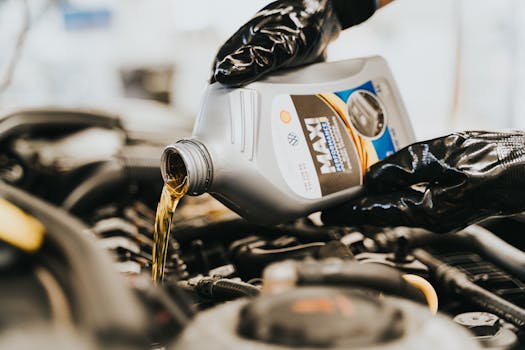 Photo: Daniel Andraski / Pexels