
The Ultimate Guide: Difference Between OEM and Aftermarket Parts
Understand the critical distinctions between OEM and aftermarket auto parts to make the best choice for your vehicle.
Choose Your Parts WiselyKey Takeaways
- ✓ OEM parts are manufactured by the original equipment manufacturer, ensuring an exact fit and function.
- ✓ Aftermarket parts are produced by third-party companies, often offering a wider range of options and price points.
- ✓ Warranty coverage can vary significantly between OEM and aftermarket parts, impacting long-term reliability.
- ✓ The choice between OEM and aftermarket often balances cost, quality, availability, and specific vehicle needs.
How It Works
Determine which part of your vehicle needs replacement or upgrade. This clarity helps in narrowing down part options.
Investigate both OEM and aftermarket options for the specific part. Look into their specifications, reviews, and compatibility.
Weigh factors like budget, desired longevity, warranty, and performance. This will guide your decision between OEM and aftermarket.
Based on your research and priorities, select the part that best suits your vehicle and driving needs. Ensure proper installation.
Understanding OEM Auto Parts: Precision and Assurance
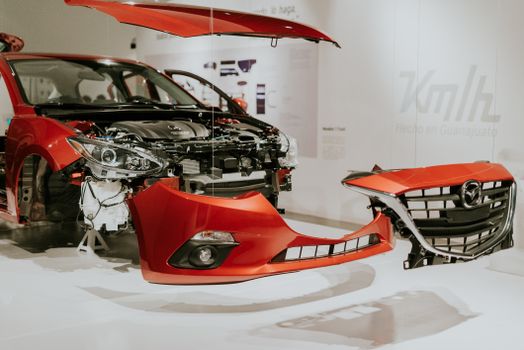 Photo: Amar Preciado / Pexels
Exploring Aftermarket Auto Parts: Variety and Value
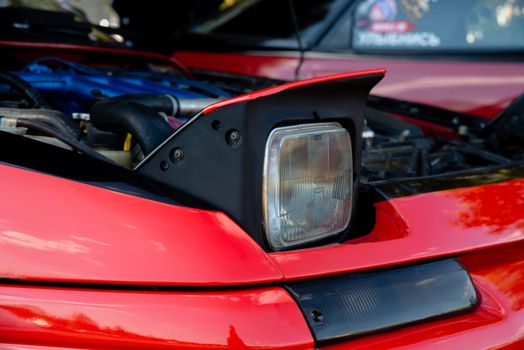 Photo: Александр Лич / Pexels
Key Distinctions: Quality, Cost, and Warranty Considerations
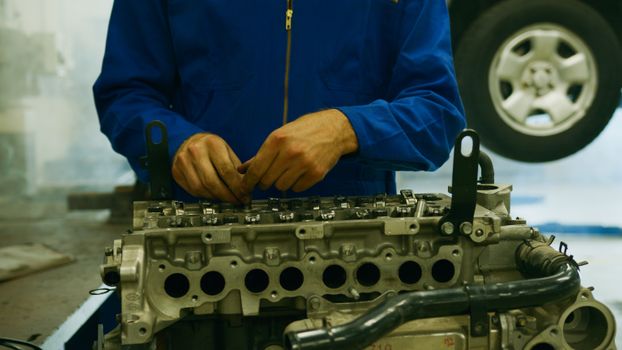 Photo: Artem Podrez / Pexels
Making the Right Choice: Tips and Common Mistakes
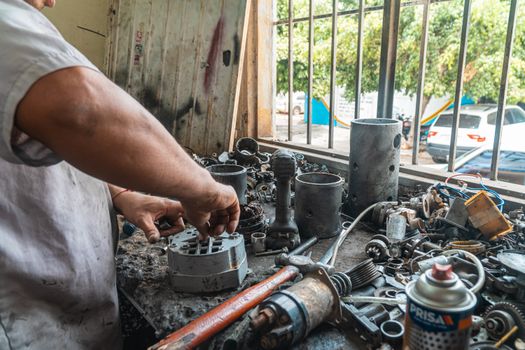 Photo: Jose Ricardo Barraza Morachis / Pexels
Comparison
| Feature | OEM Parts | Aftermarket Parts (Premium) | Aftermarket Parts (Economy) |
|---|---|---|---|
| Fit & Compatibility | Exact, guaranteed | Excellent, generally direct fit | Good, may require minor adjustments |
| Quality Standard | Factory-level, consistent | Often matches or exceeds OEM | Varies, can be lower than OEM |
| Price | Highest | Mid-range | Lowest |
| Warranty | Manufacturer's, often extensive | Good, varies by brand | Limited, varies by brand |
| Availability | Dealerships, some online | Wide, many retailers | Very wide, many retailers |
| Innovation/Enhancement | Rare, focuses on original spec | Common, performance upgrades | Rare, focuses on cost reduction |
| Impact on Resale Value | Positive, maintains originality | Neutral to positive | Neutral to negative |
What Readers Say
"Understanding the difference between OEM and aftermarket parts saved me a lot of money on my older sedan. I opted for a high-quality aftermarket exhaust system and it performs great without breaking the bank."
Sarah J. · Austin, TX"For my new luxury SUV, I always stick with OEM parts. The peace of mind knowing it's an exact factory match for critical components like brakes and suspension is worth the extra cost to me."
Mark T. · Seattle, WA"My mechanic clearly explained the pros and cons of OEM vs. aftermarket for my car's alternator. We went with a reputable aftermarket brand, and it's been working flawlessly for over a year, saving me hundreds."
Jessica L. · Miami, FL"I've used a mix of both. For engine sensors, I prefer OEM for reliability. But for body panels after a minor fender bender, a good aftermarket part was a perfect, more affordable fit."
David R. · Denver, CO"As someone who does my own basic maintenance, knowing the difference between OEM and aftermarket parts helps me choose the right oil filters and spark plugs. I often go for quality aftermarket for routine items."
Emily P. · Chicago, ILFrequently Asked Questions
What is the primary difference between OEM and aftermarket parts?
The primary difference lies in their origin: OEM (Original Equipment Manufacturer) parts are made by the same company that supplied the original components for your vehicle, ensuring an exact match. Aftermarket parts are produced by third-party companies, designed to function similarly but may vary in specifications, materials, and price.
Are aftermarket parts always lower quality than OEM parts?
Not necessarily. While some aftermarket parts can be of lower quality, many reputable aftermarket brands produce parts that meet or even exceed OEM standards. The quality of aftermarket parts varies significantly, so research and brand reputation are crucial.
How do I know if an aftermarket part is good quality?
To assess aftermarket quality, look for reputable brands with strong reviews, industry certifications, and good warranties. Consult with trusted mechanics for their recommendations, as they often have experience with various brands and their performance.
Is it always cheaper to buy aftermarket parts?
Generally, aftermarket parts are more affordable than OEM parts. However, the overall cost-effectiveness depends on the part's longevity and performance. A cheaper aftermarket part might need to be replaced sooner, potentially negating initial savings.
Can using aftermarket parts void my car's warranty?
It's possible. While the Magnuson-Moss Warranty Act protects consumers from blanket denials, a manufacturer can deny a warranty claim if they can prove that an aftermarket part caused the failure. Always check your vehicle's specific warranty terms or consult your dealership before installing aftermarket parts for critical repairs.
Who should consider using OEM parts?
OEM parts are ideal for owners of newer vehicles, luxury cars, or those who prioritize maintaining their vehicle's original performance, safety, and resale value. They are also recommended for critical components where precision and reliability are paramount.
Are there any safety risks associated with aftermarket parts?
While many aftermarket parts are safe, some lower-quality or uncertified options, especially for critical systems like brakes, steering, or suspension, could pose safety risks. Always ensure any aftermarket part you choose meets safety standards and comes from a reputable manufacturer.
What is the future trend in the OEM vs. aftermarket debate?
The trend points towards increasing sophistication in both sectors. OEM parts will continue to integrate advanced technologies, especially with EVs and autonomous features. The aftermarket will likely see more specialized, high-performance, and environmentally friendly options, with a growing emphasis on certified quality for consumer confidence.
Armed with a clear understanding of the difference between OEM and aftermarket parts, you're now ready to make the best decisions for your vehicle. Whether you prioritize precision, budget, or performance, choose wisely to ensure your car runs safely and efficiently for years to come. Start making smarter auto parts choices today!