✓ Battery failure is the most common cause of roadside assistance calls.
✓ Brakes, tires, and fluids are critical wear-and-tear items requiring regular inspection.
✓ Ignoring minor issues can lead to significantly more expensive repairs down the line.
✓ Preventative maintenance is key to extending the lifespan of your vehicle and its components.
How It Works
1
Understand the Basics
Familiarize yourself with the core systems of your vehicle and the components most prone to wear. This foundational knowledge will help you recognize early warning signs.
2
Regular Inspections & Maintenance
Adhere to your vehicle's service schedule for oil changes, fluid checks, and tire rotations. Proactive inspections can catch potential failures before they become critical.
3
Recognize Warning Signs
Pay attention to unusual noises, smells, dashboard warning lights, or changes in driving performance. These are often the first indicators of a failing part.
4
Timely Repairs & Replacements
Address identified issues promptly with quality parts and professional service. Delaying repairs can exacerbate problems and lead to cascading failures in other systems.
Understanding the Lifespan of Critical Engine Components
Photo: Bart Ratkiewicz / Pexels
The engine is the heart of your vehicle, a complex system where many common car parts that fail reside. Understanding these components and their typical failure points is crucial for preventative maintenance and avoiding costly breakdowns. One of the most frequently cited culprits is the **battery**. While often overlooked until it fails, a car battery typically lasts 3-5 years, depending on climate and driving habits. Extreme temperatures, frequent short trips, and leaving lights on can significantly shorten its life. Symptoms of a failing battery include slow cranking, dimming headlights, and dashboard warning lights. Regular testing, especially before winter or summer, can help you replace it proactively.
Another vital engine component is the **alternator**. This part is responsible for generating electricity to power your car's electrical systems and recharge the battery while the engine is running. When an alternator begins to fail, you might notice flickering headlights, a dead battery (even a new one), or a whining noise from under the hood. A failing alternator can leave you stranded, as the car will eventually run solely on battery power until it dies. Its lifespan can vary widely, from 5 to 10 years, but it's heavily influenced by electrical load and driving conditions.
The **starter motor** is another common failure point, especially in older vehicles. Its sole job is to turn the engine over to start it. Symptoms of a failing starter include a single click when you turn the key, no sound at all, or a grinding noise. Unlike the alternator, which might give you some warning, a starter often fails abruptly. While some starters can last the lifetime of the vehicle, others may fail after 100,000 miles or so.
Beyond these electrical components, the **spark plugs** and **ignition coils** are fundamental to engine combustion. Spark plugs ignite the air-fuel mixture, and ignition coils provide the high voltage needed for the spark. Worn spark plugs can lead to misfires, reduced fuel economy, rough idling, and a decrease in engine power. They typically need replacement every 30,000 to 100,000 miles, depending on the type. Ignition coils, while more durable, can also fail, causing similar symptoms. Replacing these components as part of scheduled maintenance can prevent more significant engine issues.
Finally, the **water pump** plays a critical role in cooling the engine by circulating coolant. A failing water pump can lead to engine overheating, which can cause severe and expensive damage. Leaks, a whining noise, or an engine temperature gauge reading high are all signs of a potential water pump issue. Their lifespan varies but often falls between 60,000 and 100,000 miles. Regular coolant flushes can help extend its life. Understanding these essential engine components and their failure signs is paramount for any car owner. Proactive checks and timely replacements are far less costly than dealing with a catastrophic engine failure.
Brakes, Suspension, and Steering: Your Safety Net's Weak Links
Photo: Tuesday Temptation / Pexels
The safety and handling of your vehicle are heavily reliant on its braking, suspension, and steering systems. These systems contain several common car parts that fail and require regular attention. Starting with **brakes**, the most frequently replaced components are the **brake pads** and **rotors**. Brake pads wear down over time due to friction, and rotors can warp or become too thin. Symptoms of worn brakes include squealing or grinding noises, a pulsating brake pedal, or increased stopping distances. Brake pads typically need replacement every 25,000 to 70,000 miles, while rotors might last twice as long, but both should be inspected regularly. Ignoring worn brakes is not only dangerous but can also lead to damage to other brake components like calipers.
Moving to the **suspension system**, components like **shocks and struts** are designed to absorb bumps and maintain tire contact with the road. Over time, these can wear out, leading to a bouncy ride, poor handling, uneven tire wear, and fluid leaks. While they don't typically fail catastrophically, their degradation significantly impacts comfort and safety. Most manufacturers recommend inspecting or replacing them every 50,000 to 100,000 miles. **Ball joints** and **tie rod ends** are also critical suspension and steering components that can wear out. These allow for steering and suspension movement. Symptoms of their failure include clunking noises over bumps, loose steering, or uneven tire wear. Their lifespan is highly dependent on driving conditions, especially rough roads.
The **power steering pump** or **electric power steering motor** is another common failure point. In hydraulic systems, the pump circulates fluid to assist steering. A failing pump can result in a whining noise, stiff steering, or fluid leaks. Electric power steering systems, increasingly common, use an electric motor, which can also fail, leading to a complete loss of power assist. While these systems are generally reliable, issues can arise, making steering difficult and potentially dangerous.
Finally, **tires** themselves are perhaps the most obvious wear item. Beyond punctures, tires wear out due to mileage, improper inflation, and misalignment. Uneven wear, cracks, bulges, or insufficient tread depth are all signs that your tires need replacement. Regular rotation, balancing, and alignment are crucial for maximizing tire life and ensuring safe handling. These components are directly responsible for your vehicle's ability to stop, turn, and ride comfortably, making their proper functioning non-negotiable for safety.
Transmission, Exhaust, and Electrical Glitches: Hidden Costs
Photo: Engin Akyurt / Pexels
Beyond the engine and chassis, other systems in your vehicle contain common car parts that fail and can lead to significant repair bills if not addressed. The **transmission** is one of the most complex and expensive components to repair or replace. Both automatic and manual transmissions can develop issues. Symptoms of a failing transmission include slipping gears, delayed engagement, harsh shifting, unusual noises (whining, clunking), or a burning smell. Low or dirty transmission fluid is often a culprit, highlighting the importance of regular fluid checks and changes. While a transmission can last the life of the car with proper maintenance, factors like heavy towing, aggressive driving, and neglected fluid changes can drastically shorten its lifespan. A complete transmission rebuild or replacement can cost thousands, making preventative maintenance like fluid flushes a wise investment.
Another system prone to wear and tear is the **exhaust system**. Components like the **muffler**, **catalytic converter**, and various pipes can rust, crack, or become clogged. A failing muffler can lead to excessive noise, while a clogged catalytic converter can severely impact engine performance and fuel economy, and cause your check engine light to illuminate. Catalytic converters are particularly expensive to replace due to the precious metals they contain. Rust is a primary enemy of the exhaust system, especially in regions with road salt. Regular inspections for rust and leaks can help identify issues before they become severe.
Electrical glitches, while sometimes minor, can be incredibly frustrating and difficult to diagnose. Beyond the battery and alternator, other common electrical failures include **fuses**, **relays**, and **wiring harnesses**. A blown fuse can disable a single component, like a power window or radio. Relays, which act as electrical switches, can fail, causing intermittent problems with various systems. Wiring harnesses can suffer from wear, corrosion, or rodent damage, leading to complex electrical faults. While these individual components are often inexpensive, diagnosing the root cause of an electrical issue can be time-consuming and costly.
Lastly, the **fuel pump** is responsible for delivering fuel from the tank to the engine. A failing fuel pump can cause your car to stall, hesitate, or have difficulty starting. You might also hear a whining noise from the fuel tank area. Fuel pumps typically last over 100,000 miles, but running your tank consistently low can put extra strain on the pump and shorten its life. Understanding these often-overlooked systems and their potential failure points is crucial for comprehensive vehicle care. Proper maintenance, including checking all fluid levels and listening for unusual sounds, can prevent these hidden costs from becoming major financial burdens.
Preventative Measures and Common Mistakes to Avoid
Photo: Gustavo Fring / Pexels
Understanding the common car parts that fail is only half the battle; implementing preventative measures and avoiding common mistakes is key to extending your vehicle's life and saving money. Here are crucial tips and pitfalls to steer clear of:
**Preventative Measures:**
* **Adhere to the Maintenance Schedule:** Your owner's manual is your best friend. Follow the recommended intervals for oil changes, fluid flushes (transmission, coolant, brake), and filter replacements (air, fuel, cabin). This is the single most effective way to prevent premature wear.
* **Regular Fluid Checks:** Routinely check your engine oil, coolant, brake fluid, power steering fluid, and transmission fluid. Low or dirty fluids can quickly lead to component failure. Learn how to check these yourself or have a trusted mechanic do it.
* **Tire Care:** Maintain proper tire pressure, rotate your tires every 5,000-8,000 miles, and get them balanced and aligned as needed. This prevents uneven wear and extends tire life, while also improving fuel economy and safety.
* **Listen and Feel:** Pay attention to your car. Unusual noises (squealing, grinding, clunking, whining), vibrations, or changes in how the car drives (stiffer steering, softer brakes, rough idling) are early warning signs. Don't ignore them.
* **Visual Inspections:** Periodically check under the hood for leaks, frayed belts, or loose hoses. Look under the car for drips. Inspect your tires for bulges or cracks. A quick visual check can catch problems early.
* **Address Warning Lights Promptly:** The 'Check Engine' light, battery light, or oil pressure light are not suggestions; they are urgent warnings. Get your car diagnosed by a professional as soon as possible.
**Common Mistakes to Avoid:**
* **Ignoring Warning Signs:** The most common and costly mistake. A small squeak from your brakes can turn into rotor damage if ignored. A slight fluid leak can lead to catastrophic component failure if left unaddressed.
* **Skipping Scheduled Maintenance:** Thinking you can save money by delaying an oil change or tire rotation often backfires. The cost of repairing damage from neglected maintenance far outweighs the cost of preventative service.
* **Using Incorrect Fluids:** Always use the type and grade of oil, coolant, and other fluids specified in your owner's manual. Using the wrong fluid can damage sensitive components.
* **Overlooking Tire Pressure:** Under-inflated tires wear out faster, reduce fuel efficiency, and increase the risk of blowouts. Over-inflated tires also wear unevenly and can reduce traction.
* **Aggressive Driving:** Hard acceleration, sudden braking, and fast cornering put excessive strain on your engine, transmission, brakes, and suspension components, significantly shortening their lifespan.
* **DIY Repairs Without Knowledge:** While some basic maintenance is DIY-friendly, attempting complex repairs without proper knowledge, tools, or safety precautions can lead to further damage or injury. Know your limits.
By being proactive and avoiding these common pitfalls, you can significantly reduce the likelihood of encountering major failures and ensure your vehicle remains reliable for years to come.
Comparison
Part
Typical Lifespan
Failure Symptoms
Prevention Tips
Battery
3-5 years
Slow crank, dim lights
Test regularly, clean terminals
Brake Pads
25k-70k miles
Squealing, grinding
Regular inspection, avoid hard braking
Alternator
5-10 years
Battery light, dead battery
Check belt tension, avoid excessive electrical load
Spark Plugs
30k-100k miles
Misfires, rough idle
Replace per schedule, use correct type
Shocks/Struts
50k-100k miles
Bouncy ride, leaks
Avoid potholes, regular inspection
Fuel Pump
100k+ miles
Stalling, hard start
Keep fuel tank above 1/4 full
What Readers Say
★★★★★
"This article was incredibly helpful! I've been wondering about the common car parts that fail, and now I feel much more informed about what to look out for. It's already helped me identify a potential issue with my brakes."
Sarah J. · Austin, TX
★★★★★
"As someone who's not very car-savvy, this guide broke down complex topics into easy-to-understand sections. I appreciate the clear explanations of symptoms and prevention for common car parts that fail."
Mark D. · Chicago, IL
★★★★★
"After reading this, I took my car in for a check-up and caught a failing water pump before it caused overheating. This article saved me hundreds, if not thousands, in potential engine damage from common car parts that fail."
Emily R. · Denver, CO
★★★★★
"Good overview, though I wish there was a bit more detail on specific costs for each repair. Still, the preventative tips for common car parts that fail are invaluable and well-explained."
David L. · Miami, FL
★★★★★
"Even as someone who does some DIY maintenance, this article provided excellent reminders and new insights into less obvious common car parts that fail. The section on electrical glitches was particularly useful."
Jessica M. · Seattle, WA
Frequently Asked Questions
What are the most common car parts that fail unexpectedly?
While many parts show warning signs, batteries, alternators, and starter motors are among the most common to fail suddenly, often leaving you stranded. Fuel pumps can also fail without much prior warning, though sometimes a whining noise precedes it. Regular testing and proactive replacement based on age can mitigate these unexpected failures.
Is it always cheaper to fix a failing part than to replace the whole system?
Not always. While fixing a specific failing part is often cheaper, sometimes the wear on surrounding components is so extensive, or the labor required to access the part is so high, that replacing a larger assembly (like a transmission or engine) becomes more cost-effective in the long run. A trusted mechanic can provide an honest assessment.
How can I tell if a strange noise from my car is serious?
Any new or unusual noise should be investigated. Squealing from brakes, grinding noises, clunking over bumps, or a high-pitched whine from the engine bay can all indicate serious issues. It's best to describe the noise to a qualified mechanic as soon as possible, noting when it occurs (e.g., braking, turning, accelerating).
How much does it typically cost to replace common car parts that fail?
Costs vary widely. A battery might be $100-$300, brake pads $150-$300 per axle, an alternator $400-$800, and a water pump $300-$700. More complex issues like a catalytic converter can be $1,000-$2,500, and a transmission rebuild or replacement can easily exceed $3,000. These figures include parts and labor, but regional differences apply.
How does preventative maintenance compare to waiting for parts to fail?
Preventative maintenance is almost always more cost-effective. It allows for planned repairs, often before a component causes collateral damage to other systems. Waiting for parts to fail can lead to breakdowns, towing costs, and more extensive, emergency repairs that are typically more expensive and inconvenient.
Who should be most concerned about common car parts that fail?
Everyone who owns a car should be concerned, but particularly those with older vehicles, high mileage vehicles, or those who rely heavily on their car for daily commuting. Drivers in extreme climates (very hot or very cold) also need to be extra vigilant, as these conditions accelerate wear on many components.
Are there any safety risks associated with ignoring failing car parts?
Absolutely. Ignoring failing brakes can lead to accidents. A failing suspension can compromise handling and control. A dying battery or alternator can leave you stranded in a dangerous location. Even seemingly minor issues can escalate into safety hazards, emphasizing the importance of timely repairs.
What's the future outlook for car part reliability with electric vehicles?
Electric vehicles (EVs) have fewer moving parts than internal combustion engine (ICE) cars, meaning many traditional failure points like spark plugs, oil changes, and complex exhaust systems are eliminated. However, new failure points emerge, such as battery degradation, electric motor issues, and specialized power electronics. While overall maintenance might be lower, EV-specific component failures will still require attention.
By understanding the common car parts that fail and committing to proactive maintenance, you're not just fixing problems – you're investing in the longevity, safety, and reliability of your vehicle. Don't wait for a breakdown; empower yourself with knowledge and keep your car running smoothly for years to come.

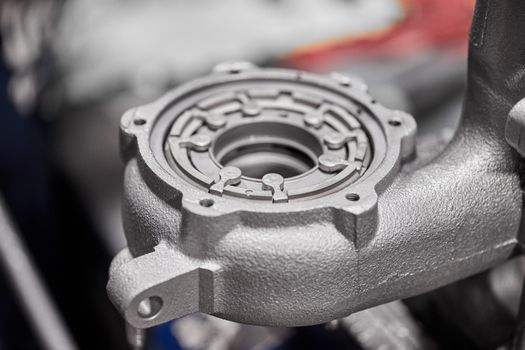 Photo: Bart Ratkiewicz / Pexels
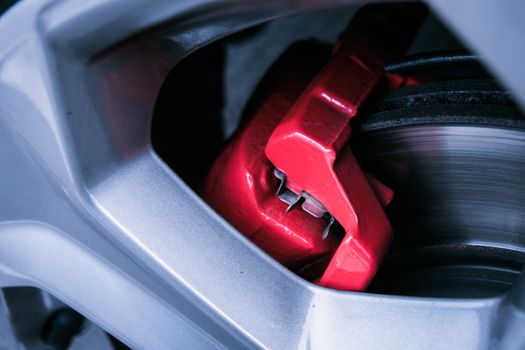 Photo: Tuesday Temptation / Pexels
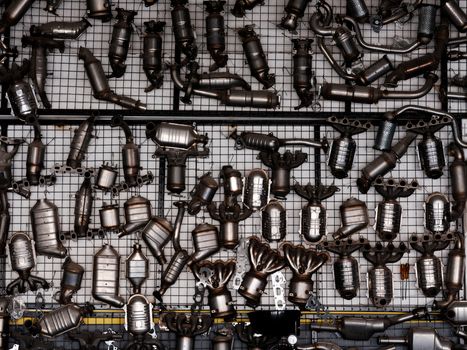 Photo: Engin Akyurt / Pexels
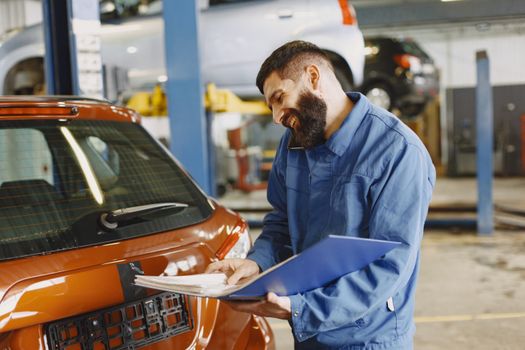 Photo: Gustavo Fring / Pexels