✓ A quality exhaust upgrade can boost horsepower and torque.
✓ It significantly alters your Silverado's exhaust note, from mild to aggressive.
✓ Improved exhaust flow enhances fuel efficiency in some cases.
✓ Choosing the right material impacts durability and sound characteristics.
How It Works
1
Research & Selection
Identify your goals (sound, performance, budget) and research brands and types of exhaust systems suitable for your Silverado model year. Consider sound clips and user reviews to narrow down your choices.
2
Purchase & Preparation
Acquire your chosen exhaust system. Gather necessary tools, including jacks, jack stands, wrenches, and penetrating oil, and ensure you have a safe, level workspace.
3
Removal of Stock System
Safely lift your Silverado and carefully unbolt and remove the factory exhaust system. This often involves disconnecting hangers, flanges, and O2 sensors.
4
Installation of New System
Install the new aftermarket exhaust components, working from front to back, ensuring proper alignment and tight connections. Reconnect O2 sensors if applicable and double-check for any leaks before lowering the vehicle.
Why Upgrade Your Chevy Silverado Exhaust System?
Photo: Artem Podrez / Pexels
The exhaust system on your Chevy Silverado isn't just about expelling spent gases; it's a critical component that influences everything from engine performance and fuel efficiency to the very character and sound of your truck. While factory exhaust systems are designed for mass appeal, quiet operation, and cost-effectiveness, they often leave a significant amount of untapped potential on the table. For Silverado owners, a chevy silverado exhaust system upgrade is one of the most impactful modifications you can make, delivering a tangible enhancement in several key areas.
Firstly, let's talk about performance. The stock exhaust system is typically restrictive, designed to muffle sound and meet stringent emissions standards. This restriction can hinder the engine's ability to 'breathe' efficiently, leading to a build-up of backpressure. By upgrading to a performance exhaust, you're essentially providing a less restrictive pathway for exhaust gases to exit the engine. This reduction in backpressure allows the engine to expel gases more quickly and efficiently, which in turn can lead to measurable increases in horsepower and torque. Imagine your engine as a powerful pump; if the outlet is partially blocked, it can't operate at full capacity. A free-flowing exhaust acts as a wide-open outlet, allowing your engine to perform closer to its peak potential. This isn't just about bragging rights; more usable power translates to better towing capabilities, improved acceleration, and a more responsive driving experience, particularly when navigating challenging terrain or hauling heavy loads.
Secondly, the sound. This is arguably one of the most compelling reasons many Silverado owners pursue an exhaust upgrade. The factory exhaust note is often subdued, almost apologetic. A performance exhaust, however, can transform your truck's auditory presence from a meek murmur to a commanding roar, a deep rumble, or a crisp, aggressive bark, depending on your preference and the system chosen. Exhaust manufacturers spend countless hours engineering chambers, baffles, and tubing diameters to sculpt specific sound profiles. Whether you desire a throaty growl that announces your presence or a refined, aggressive tone that hints at power, there's an exhaust system designed to deliver it. This aesthetic and acoustic enhancement dramatically elevates the driving experience, making every journey more engaging and enjoyable.
Beyond performance and sound, a well-designed aftermarket exhaust system can also contribute to improved fuel efficiency. While counterintuitive to some, a less restrictive exhaust system allows the engine to work less strenuously to expel gases. This reduced workload can, under certain driving conditions and with proper tuning, translate into a slight but noticeable improvement in miles per gallon. It’s not a primary driver for most, but it’s a welcome side benefit. Furthermore, many aftermarket exhaust systems are constructed from higher-quality materials like stainless steel, which offers superior corrosion resistance compared to the mild steel often used in OEM systems. This enhanced durability means your investment will last longer, resisting rust and degradation from road salt and harsh weather, making it a wise long-term choice for your truck accessories. In essence, upgrading your Silverado's exhaust system is about unlocking its full potential, both in terms of power and personality.
Types of Chevy Silverado Exhaust Systems: Finding Your Fit
Photo: Jae Park / Pexels
When considering a chevy silverado exhaust system upgrade, you'll quickly discover a diverse array of options, each offering distinct characteristics in terms of performance, sound, and cost. Understanding these types is crucial to making an informed decision that aligns with your specific needs and preferences. The primary categories include axle-back, cat-back, and header-back systems, along with considerations for material and muffler design.
**Axle-Back Exhaust Systems:** These are the simplest and often most affordable upgrades. An axle-back system replaces the muffler and tailpipe sections of your exhaust, typically from the rear axle backward. While they don't offer the extensive performance gains of more comprehensive systems, they are excellent for those primarily seeking a more aggressive or refined exhaust note. Installation is generally straightforward, making them a popular choice for DIY enthusiasts looking for a quick sound enhancement without significant mechanical work. You'll get a noticeable change in sound, often a deeper, more resonant tone, but horsepower increases will be minimal if any.
**Cat-Back Exhaust Systems:** This is arguably the most popular and balanced option for a chevy silverado exhaust system upgrade. A cat-back system replaces everything from the catalytic converter(s) backward, including the intermediate pipe, muffler, and tailpipes. By replacing more of the restrictive factory piping, cat-back systems offer a better balance of performance improvement and sound enhancement compared to axle-back systems. They provide a more significant reduction in backpressure, leading to tangible gains in horsepower and torque, along with a richer, more pronounced exhaust note. Cat-back systems come in various configurations, including single or dual exit, and can feature different muffler designs to achieve specific sound profiles, from aggressive to more moderate. This type of system is a sweet spot for many Silverado owners, delivering noticeable benefits without venturing into more complex and potentially emissions-impacting modifications.
**Header-Back Exhaust Systems:** For the ultimate in performance and a dramatic increase in exhaust flow, a header-back system is the most comprehensive upgrade. This system replaces everything from the engine's exhaust headers all the way to the tailpipes. By eliminating almost all factory restrictions, including the exhaust manifolds (replaced by headers) and often the catalytic converters (though this can impact emissions legality), header-back systems offer the maximum potential for horsepower and torque gains. However, they are also the most expensive and complex to install, often requiring professional expertise. Furthermore, removing catalytic converters can make your vehicle non-compliant with emissions regulations in many states, so careful consideration of local laws is essential before opting for this type of system. This option is typically reserved for serious performance enthusiasts or those building dedicated off-road vehicles where emissions are not a concern.
**Material Considerations:** The material of your exhaust system greatly influences its durability, weight, and even sound. Common materials include:
* **Aluminized Steel:** An affordable option, but less resistant to corrosion than stainless steel. Good for drier climates or budget-conscious buyers.
* **409 Stainless Steel:** A good balance of corrosion resistance and cost. Offers decent durability and is a popular choice for many aftermarket systems.
* **304 Stainless Steel:** The premium choice, offering superior corrosion resistance, high strength, and a polished appearance. It's more expensive but provides the best longevity, especially in harsh environments.
**Muffler Design:** The internal design of the muffler is what primarily sculpts the exhaust note. Common types include chambered mufflers (which use internal baffles to reflect sound waves, often creating a deep, aggressive tone) and straight-through or 'performance' mufflers (which offer minimal restriction for maximum flow and a louder, often higher-pitched sound). Some systems also incorporate resonators to fine-tune the sound and eliminate drone. Choosing the right combination of system type, material, and muffler design ensures your chevy silverado exhaust system upgrade perfectly matches your desired outcome.
Installation Process and Considerations for Your Silverado
Photo: Jonathan Cooper / Pexels
Embarking on a chevy silverado exhaust system upgrade can be a rewarding DIY project for those with moderate mechanical skills, or a straightforward task for a professional shop. Understanding the installation process and key considerations beforehand will ensure a smooth and successful upgrade. While specific steps may vary slightly depending on your Silverado's year and model, and the chosen exhaust system, the general procedure remains consistent.
**Preparation is Key:** Before you even think about unbolting anything, gather all necessary tools. This typically includes a socket wrench set, open-end wrenches, penetrating oil (essential for freeing rusted bolts), a torque wrench, safety glasses, gloves, and a sturdy jack with jack stands or a vehicle lift. Ensure you have ample space to work safely under your truck. It's also a good idea to lay down cardboard or a tarp to protect yourself and catch any debris. Having a friend assist can make the process significantly easier, especially when handling long, cumbersome sections of exhaust.
**Removing the Old System:** The first step involves safely elevating your Silverado. Once secured, locate the existing exhaust system. You'll typically start by disconnecting the exhaust from the catalytic converter(s) – this usually involves unbolting a flange. Next, you'll need to work your way backward, detaching the exhaust from various hangers and supports. These hangers are often rubber isolators that can be stubborn. A pry bar or even a specialized exhaust hanger removal tool can be invaluable here. Pay close attention to any oxygen sensors (O2 sensors) that might be threaded into your factory exhaust pipes; these will need to be carefully disconnected and often transferred to your new system or simply unplugged if your new system has provisions for them. Many factory bolts will be rusted and seized, so liberal application of penetrating oil and patience are your best friends. Sometimes, cutting the old exhaust pipes (especially the tailpipe section) may be necessary to remove them, particularly if you're working in a confined space.
**Installing the New System:** With the old system out of the way, it's time to install your new chevy silverado exhaust system upgrade. Most aftermarket systems are designed for a direct bolt-on fit, but minor adjustments may still be needed. Start from the front, attaching the new piping to the catalytic converter(s) or manifold, depending on your system type. Do not fully tighten any bolts yet; leave them loose enough for some wiggle room. This flexibility is crucial for proper alignment. Work your way back, connecting each section, ensuring that all pipes are properly seated in their hangers and that there's adequate clearance from the frame, suspension components, and heat shields. Misalignment can lead to rattling, excessive vibration, or even damage. Once all sections are in place and aligned, begin tightening all bolts, working from front to back, usually to manufacturer-specified torque settings. Reconnect any O2 sensors. After installation, it's highly recommended to start the truck and check for exhaust leaks. You can often hear leaks, or you can use a spray bottle with soapy water to look for bubbles around connections. Tighten any leaking connections as needed. For a comprehensive guide on common auto repair tips, including exhaust work, always consult your vehicle's service manual or reputable online resources.
**Post-Installation Considerations:** After installation, you might notice a slight 'burning' smell for the first few drives. This is normal and is usually just the protective coatings on the new pipes burning off. The exhaust note will also 'break in' over time, settling into its permanent sound after a few hundred miles. Regularly inspect your new exhaust for loose connections or developing rattles, especially after the first few weeks of driving. Proper installation ensures not only optimal performance and sound but also the longevity and reliability of your investment.
Maximizing Your Upgrade: Tips and Common Mistakes to Avoid
A chevy silverado exhaust system upgrade offers significant benefits, but to truly maximize your investment and avoid common pitfalls, it's essential to follow some expert tips and be aware of potential mistakes.
**Tips for Maximizing Your Upgrade:**
* **Pair with an Air Intake:** For optimal performance gains, consider pairing your exhaust upgrade with a cold air intake system. Improved airflow both in and out of the engine creates a more balanced and efficient system, allowing your engine to 'breathe' better on both ends. This synergistic effect often leads to greater horsepower and torque increases than either modification alone.
* **Consider a Tuner/Tune:** While many cat-back systems are designed to work without a custom tune, an engine tune specifically optimized for your exhaust (and intake, if applicable) can unlock even more power and efficiency. A tune can adjust fuel mapping and ignition timing to take full advantage of the reduced backpressure, ensuring your engine is running at its peak.
* **Listen to Sound Clips:** Don't just rely on written descriptions. Search for video and audio clips of the specific exhaust system installed on your Silverado model year. Sound is subjective, and what one person calls 'aggressive' another might call 'too loud.' Listen carefully to various systems to find the tone that resonates with you.
* **Research Drone:** 'Drone' is an undesirable low-frequency hum that can occur at certain RPMs, especially during highway cruising. Some exhaust systems are more prone to it than others. Read reviews specifically mentioning drone, and consider systems that incorporate resonators or anti-drone technology if you're sensitive to it.
* **Check Local Laws:** Before purchasing, especially for header-back systems or those that alter catalytic converters, verify local emissions regulations. Non-compliant systems can lead to inspection failures and fines.
* **Professional Installation for Complex Systems:** While axle-back and some cat-back systems are DIY-friendly, if you're not confident in your mechanical abilities or are installing a header-back system, professional installation is a wise investment to ensure proper fitment and avoid issues.
**Common Mistakes to Avoid:**
* **Ignoring Material Quality:** Opting for the cheapest system made from mild steel might save money upfront but will likely lead to premature rust and replacement, especially in areas with harsh winters or coastal environments. Invest in quality stainless steel for longevity.
* **Choosing Based Solely on Price:** The cheapest option isn't always the best value. A slightly more expensive system from a reputable brand often means better engineering, higher quality materials, a better fit, and a more refined sound.
* **Overlooking Resonator vs. Muffler:** Understanding the difference is crucial. Mufflers primarily reduce overall sound volume and shape the tone, while resonators are often used to eliminate specific unwanted frequencies (like drone). Some systems only have mufflers, others have both.
* **Not Checking for Proper Clearance:** During installation, failing to ensure adequate clearance between the exhaust pipes and other vehicle components (frame, driveshaft, suspension, fuel lines) can lead to annoying rattles, vibrations, or even damage from heat.
* **Overtightening Clamps/Bolts:** While connections need to be tight, over-tightening can strip threads, deform pipes, or damage gaskets. Use a torque wrench where specified, or tighten firmly but not excessively.
* **Neglecting Gaskets and Hangers:** Always use new gaskets if they come with your system, and inspect hangers for wear. Reusing worn or damaged components can lead to leaks or rattles.
By keeping these tips and warnings in mind, your chevy silverado exhaust system upgrade will not only meet but exceed your expectations, providing years of enhanced performance and a satisfying exhaust note.
Chevy Silverado Exhaust System Upgrade: Aftermarket Brands and Performance
When delving into a chevy silverado exhaust system upgrade, the landscape of aftermarket brands is rich and varied, each with its own philosophy on sound, performance, and construction. Choosing the right brand often comes down to balancing your desired acoustic profile, performance goals, budget, and brand reputation. Leading manufacturers have invested heavily in R&D to produce systems that not only fit perfectly but also deliver measurable improvements and distinctive sounds.
**Borla Exhaust:** Often considered a premium brand, Borla offers a range of exhaust systems for the Chevy Silverado, including their 'S-Type,' 'Atak,' and 'Touring' series. Borla is renowned for its patented 'straight-through' and 'multi-core' technology, which minimizes backpressure while maintaining a refined, aggressive, or mild sound depending on the series. Their systems are typically made from T-304 stainless steel, ensuring exceptional durability and corrosion resistance. Owners often praise Borla for its quality construction and a distinct, deep rumble that is aggressive under acceleration but often manages to mitigate drone at cruising speeds. If you're looking for a top-tier system with a sophisticated, performance-oriented sound, Borla is a strong contender.
**MagnaFlow Exhaust:** MagnaFlow is another heavyweight in the aftermarket exhaust world, known for its broad selection and a signature smooth, deep, and resonant exhaust note. Their systems primarily utilize a straight-through, wide-open muffler design, which provides excellent flow characteristics and noticeable performance gains. MagnaFlow's commitment to quality is evident in their T-409 or T-304 stainless steel construction. They offer various configurations, from single to dual exits, and are a popular choice for Silverado owners seeking a powerful, classic American V8 sound that is not overly harsh but still commands attention. MagnaFlow systems are often praised for their lack of interior drone, making them excellent for daily drivers and long hauls.
**Flowmaster Exhaust:** Flowmaster has a long-standing reputation for producing aggressive, muscle-car-like exhaust notes, making them a favorite among truck owners who want their Silverado to sound as powerful as it looks. Their patented 'Delta Flow' and 'Laminar Flow' technologies use internal baffles and chambers to create distinct sound profiles. While some designs can be more prone to interior drone than straight-through designs, many enthusiasts appreciate the raw, throaty sound they deliver. Flowmaster offers various series, such as the '40 Series' (aggressive), '50 Series' (moderate), and 'Outlaw' (most aggressive), allowing owners to tailor the sound to their exact preference. They primarily use aluminized or 409S stainless steel for construction.
**Corsa Exhaust:** Corsa Performance is famous for its 'Reflective Sound Cancellation' (RSC) technology, which aims to eliminate drone entirely while still delivering an aggressive exhaust note under acceleration. This makes Corsa systems particularly appealing to those who want the performance and sound benefits without the intrusive cabin noise during cruising. Corsa systems are typically made from T-304 stainless steel and are known for their precision fit and finish. Their sound is often described as crisp and clean, with a distinct V8 rumble that is present when you want it and absent when you don't. For a premium experience with minimal drone, Corsa is a leading choice for a chevy silverado exhaust system upgrade.
**MBRP Exhaust:** MBRP (Manufacturers of High Performance Exhausts) offers a wide range of exhaust systems for trucks, including the Silverado, focusing on performance, durability, and a robust sound. They provide options in aluminized steel, T-409 stainless steel, and T-304 stainless steel, catering to different budgets and environmental conditions. MBRP systems are known for their deep, aggressive tone and excellent flow characteristics, often leading to tangible horsepower and torque gains. They are a popular choice for truck enthusiasts who value a strong, noticeable exhaust note and a system built to withstand demanding use, including towing and off-roading. Their product line is extensive, allowing for significant customization of sound and exit style.
Each of these brands brings something unique to the table, and the best choice for your Silverado will depend on your personal priorities for sound, performance, budget, and durability. Researching specific models within these brands and listening to sound clips will be invaluable in making your final decision.
Comparison
Feature
Borla S-Type
MagnaFlow Cat-Back
Flowmaster 40 Series
Corsa Sport
Sound Profile
Aggressive, Refined
Deep, Smooth, Resonant
Raw, Aggressive, Classic Muscle
Aggressive, Drone-Free
Performance Gain
Excellent
Very Good
Good
Excellent
Material
T-304 Stainless
T-409/T-304 Stainless
Aluminized/409S Stainless
T-304 Stainless
Drone at Cruise
Minimal to None
Minimal to None
Moderate to High
Virtually None
Price Range
Premium
Mid-High
Mid
Premium
What Readers Say
★★★★★
"My 2018 Silverado 1500 sounds incredible now! The Borla S-Type exhaust system upgrade gave it the deep, authoritative rumble I always wanted without being obnoxious. Installation was straightforward, and the quality is top-notch."
David R. · Dallas, TX
★★★★★
"I chose a MagnaFlow cat-back for my 2015 Silverado, and I couldn't be happier. The sound is perfect – deep and throaty, but no drone on the highway, which was important to me. I even feel a noticeable improvement in throttle response."
Jessica L. · Phoenix, AZ
★★★★★
"The Flowmaster 40 Series on my 2010 Silverado completely transformed the truck. It now has that classic, aggressive V8 sound that turns heads. It's a bit louder, but that's exactly what I was looking for, and the power feels great."
Mark S. · Orlando, FL
★★★★★
"My Corsa Sport exhaust for the Silverado is fantastic. The drone cancellation technology really works, which is amazing for long drives. It's pricey, but the quality and the clean, aggressive sound without the headaches are worth it."
Ethan P. · Denver, CO
★★★★★
"Upgraded my 2019 Silverado Trail Boss with an MBRP system, and it's perfect for off-roading. The durable stainless steel construction gives me confidence, and the deep, aggressive tone makes it feel even more capable. Love the look of the black tips too!"
Sarah K. · Seattle, WA
Frequently Asked Questions
What are the main benefits of a chevy silverado exhaust system upgrade?
The primary benefits include increased horsepower and torque due to improved exhaust flow, a more aggressive and personalized exhaust note, enhanced aesthetic appeal, and potentially better fuel efficiency. A quality upgrade also often provides superior durability compared to stock systems.
Will an aftermarket exhaust void my Silverado's warranty?
Generally, no. The Magnuson-Moss Warranty Act protects consumers from manufacturers denying warranty service solely because of an aftermarket part. However, if the exhaust system directly causes a failure in another component, that specific repair might not be covered. It's always best to choose reputable brands and have professional installation.
How difficult is it to install a new exhaust system on a Silverado?
The difficulty varies. An axle-back system is often a straightforward DIY job requiring basic tools. Cat-back systems are more involved but still manageable for experienced DIYers. Header-back systems are complex and usually best left to professional installers due to their scope and potential impact on emissions components.
How much does a chevy silverado exhaust system upgrade cost?
Costs vary widely based on the type of system, material, and brand. Axle-back systems can range from $200-$600. Cat-back systems typically fall between $500-$1500. Header-back systems, being the most comprehensive, can range from $1500 to $3000+, excluding installation labor. Installation costs also vary by shop.
What's the difference between a chambered and a straight-through muffler?
Chambered mufflers use internal baffles to reflect sound waves, creating a specific, often aggressive, tone, but can be more restrictive. Straight-through mufflers offer a direct path for exhaust gases, providing maximum flow and a louder, often smoother sound, with less backpressure. The choice impacts both sound and performance.
Who should consider a chevy silverado exhaust system upgrade?
Anyone looking to enhance their Silverado's sound profile, improve engine performance, or upgrade to a more durable and aesthetically pleasing exhaust system should consider an upgrade. It's particularly popular among truck enthusiasts, those who tow or haul, and drivers who want a more engaging driving experience.
Are there any legal restrictions or emissions concerns with an exhaust upgrade?
Yes, especially if you modify or remove catalytic converters. Cat-back systems typically retain catalytic converters and are generally street legal. Header-back systems or those that eliminate catalytic converters may violate federal and state emissions laws, leading to inspection failures and fines. Always check your local regulations.
Will an exhaust upgrade affect my Silverado's resale value?
A tasteful, high-quality chevy silverado exhaust system upgrade from a reputable brand can sometimes enhance resale value, especially if it's a desirable performance modification. However, extremely loud or non-compliant systems might deter some buyers. Keep the original exhaust for potential re-installation if needed.
Ready to transform your truck? Explore the vast selection of chevy silverado exhaust system upgrade options today and unlock the true potential of your vehicle's power and sound. Your Silverado deserves to be heard and felt, and the right exhaust system is the key to that exhilarating experience.

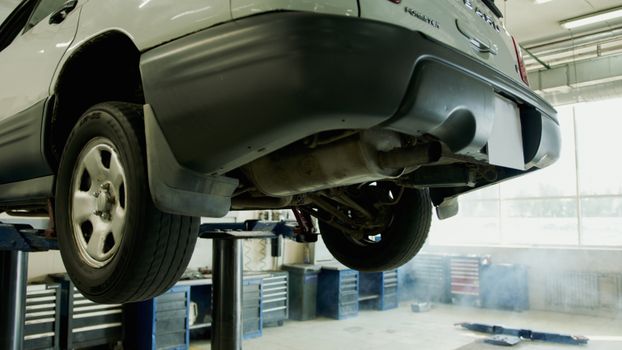 Photo: Artem Podrez / Pexels
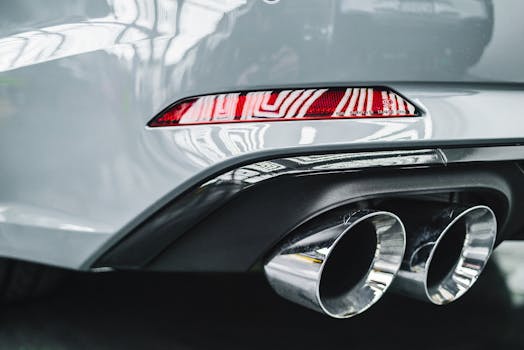 Photo: Jae Park / Pexels
 Photo: Jonathan Cooper / Pexels