Ultimate Guide: BMW 3 Series Brake Caliper Replacement
bmw 3 series brake caliper replacement

Ultimate Guide: BMW 3 Series Brake Caliper Replacement

Restore your BMW's legendary stopping performance and safety with our comprehensive, step-by-step caliper replacement guide.

Get Started Now

Key Takeaways

  • ✓ Brake calipers are crucial for your BMW's safety and performance.
  • ✓ Ignoring faulty calipers can lead to severe braking issues and accidents.
  • ✓ Replacement can be a DIY task for experienced mechanics, but professional help is often recommended.
  • ✓ Genuine BMW or high-quality aftermarket calipers are essential for reliability.

How It Works

1
Identify the Problem

Recognize symptoms like pulling, grinding, or fluid leaks indicating caliper failure. Early detection prevents further damage and ensures safety.

2
Gather Tools & Parts

Acquire the correct replacement calipers for your specific BMW 3 Series model, along with necessary tools like a jack, jack stands, and wrench sets. Quality parts are paramount.

3
Execute Replacement

Carefully remove the old caliper, install the new one, and bleed the brake system. Follow safety protocols diligently to prevent injury and ensure proper function.

4
Test & Verify

After installation, perform thorough road tests in a safe environment to confirm proper braking function and absence of leaks. This final check is critical for peace of mind.

Understanding Your BMW 3 Series Braking System
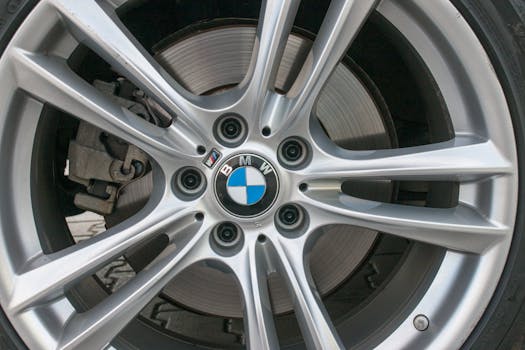
Detailed image of a BMW car wheel rim showcasing intricate design and luxury. Photo: Borys Zaitsev / Pexels
The braking system in your BMW 3 Series is a marvel of engineering, designed to deliver precise stopping power and maintain the vehicle's renowned driving dynamics. At its core, the system relies on a hydraulic circuit, converting the force from your foot on the brake pedal into immense pressure that acts upon the brake calipers. These calipers, often overlooked until a problem arises, are arguably the most critical component in translating that hydraulic pressure into friction. Each caliper houses one or more pistons that, when activated by brake fluid pressure, push the brake pads against the rotors. This action generates the friction necessary to slow or stop your vehicle. The design of BMW's calipers, whether fixed or floating, is meticulously engineered to provide consistent clamping force, heat dissipation, and responsiveness, contributing significantly to the car's overall safety profile. Understanding the intricate relationship between the master cylinder, brake lines, calipers, pads, and rotors is fundamental to appreciating the importance of each component's health. Neglecting any part of this system can compromise not only stopping distance but also vehicle stability during braking, especially in emergency situations. For instance, a sticky caliper can cause uneven pad wear, leading to reduced braking efficiency and a dangerous pull to one side. The advanced ABS (Anti-lock Braking System) and DSC (Dynamic Stability Control) systems in your BMW 3 Series further rely on the consistent and reliable operation of each individual caliper to function effectively. These electronic aids monitor wheel speed and apply individual brake pressure as needed to prevent wheel lock-up and maintain control during aggressive braking or slippery conditions. If a caliper is not performing optimally, it can send incorrect signals or respond sluggishly, undermining the sophisticated safety net your BMW provides. Therefore, maintaining the integrity of your BMW braking system is not just about replacing parts; it's about preserving the engineered performance and safety that defines the brand. Regular inspection, timely maintenance, and using appropriate replacement parts are paramount to ensuring your 3 Series continues to deliver the confident and controlled stopping power you expect. Ignoring minor issues can quickly escalate into significant and costly repairs, or worse, compromise your safety on the road. This foundational understanding sets the stage for comprehending why a BMW 3 Series brake caliper replacement is sometimes a necessary and critical service.

Signs You Need a BMW 3 Series Brake Caliper Replacement
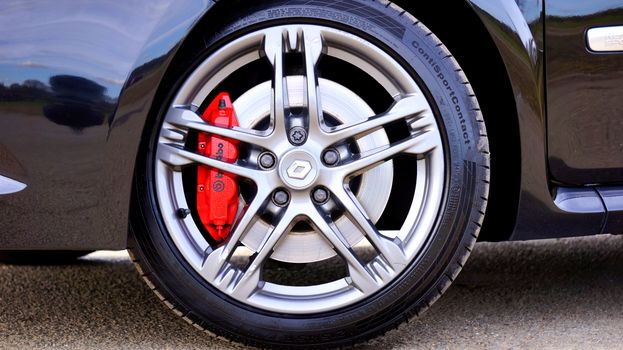
Detailed view of a Renault car wheel with a red brake caliper on display. Photo: Mike Bird / Pexels
Identifying the early warning signs of a failing brake caliper is crucial for preventing further damage and ensuring your safety. Your BMW 3 Series is designed to provide clear indicators when something isn't right with its braking system. One of the most common and noticeable symptoms is a vehicle pulling to one side when you apply the brakes. This often occurs because one caliper is seizing or not releasing properly, causing uneven braking force across the wheels. If the caliper is seizing, it might continuously apply pressure to the brake pad, leading to excessive heat, a burning smell, and rapid, uneven wear of the brake pad and rotor on that specific wheel. Conversely, if a caliper isn't engaging fully, you'll experience reduced braking efficiency and a spongy brake pedal feel. Another tell-tale sign is unusual noises emanating from the wheels during braking. While squealing often points to worn brake pads, a distinct grinding or clunking sound can indicate a caliper issue, especially if the pads are severely worn due to a faulty caliper, allowing metal-on-metal contact. You might also hear a persistent dragging sound even when not braking, which can be a seized caliper refusing to retract. Visual inspections are also vital. Look for brake fluid leaks around the caliper body or near the wheels. A leaking caliper seal means hydraulic pressure is being lost, which will severely impact braking performance and can lead to a complete brake failure. Additionally, uneven brake pad wear across the same axle is a strong indicator of a caliper problem. If one pad is significantly thinner than the other, it suggests the caliper isn't distributing pressure evenly. The brake pedal itself can offer clues; a soft or spongy pedal, or one that requires excessive force to stop the car, could point to air in the brake lines due to a leaky caliper or a failing master cylinder, but a caliper issue should be ruled out first. Finally, if your BMW's dashboard illuminates the brake warning light, it's an immediate signal to have your braking system inspected. While this light can indicate various issues, a malfunctioning caliper can certainly trigger it. Addressing these symptoms promptly with a professional diagnosis and a potential BMW 3 Series brake caliper replacement will safeguard your driving experience and prevent more extensive, costly repairs down the line. Ignoring these signs is not an option when it comes to your vehicle's most critical safety system.

Choosing the Right Replacement Calipers for Your BMW 3 Series
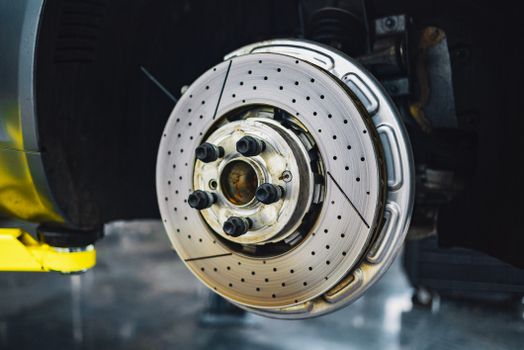
Metal disk brake fixed on car without wheel during repair service in workshop Photo: Jae Park / Pexels
When it comes to a BMW 3 Series brake caliper replacement, selecting the correct parts is paramount for maintaining your vehicle's performance, safety, and warranty. The market offers a range of options, from genuine OEM (Original Equipment Manufacturer) parts to various aftermarket alternatives, each with its own set of advantages and considerations. Genuine BMW calipers are designed and manufactured to the exact specifications of your vehicle, ensuring perfect fitment, optimal performance, and compatibility with all other components of your braking system. They are often the most expensive option but provide peace of mind regarding quality and longevity. For those seeking a balance between cost and performance, high-quality aftermarket calipers from reputable brands can be an excellent choice. Brands like Brembo, ATE, Akebono, or TRW are known for producing parts that meet or exceed OEM standards. When choosing aftermarket, it's crucial to verify that the calipers are specifically designed for your BMW 3 Series model and year. Generic or low-cost calipers might fit physically but could compromise braking efficiency, heat management, and overall system balance, potentially leading to premature wear or even dangerous situations. Rebuilt or remanufactured calipers are another option, typically more affordable than new ones. These calipers are original units that have been disassembled, cleaned, inspected, and had worn components (like seals and pistons) replaced. While they can be a cost-effective solution, it's essential to purchase them from a reputable supplier who offers a warranty and ensures thorough rebuilding processes. The quality of rebuilt calipers can vary significantly, so research and reviews are important. Beyond the brand, consider the type of caliper. Most BMW 3 Series models come with floating calipers, but some performance variants might feature fixed calipers. Ensure your replacement matches the original design. Also, think about the material; while most are cast iron, some performance upgrades might use aluminum for weight reduction. Don't forget to consider if the caliper comes with a bracket and hardware, as these are often integral to a proper installation. Finally, always cross-reference part numbers with your vehicle's VIN to guarantee compatibility. Investing in the right calipers is not just about stopping your car; it's about preserving the driving experience and safety engineering that makes your BMW a BMW. Consult with a trusted auto parts specialist or your mechanic to make an informed decision, especially when considering performance brake upgrades. A well-chosen caliper ensures consistent, reliable braking for thousands of miles.

DIY vs. Professional BMW 3 Series Brake Caliper Replacement: Tips and Mistakes to Avoid
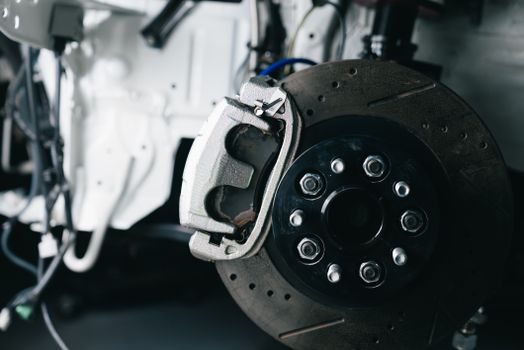
Detailed view of a car's brake caliper and disc in a workshop setting. Photo: Erik Mclean / Pexels
Deciding whether to tackle a BMW 3 Series brake caliper replacement yourself or entrust it to a professional mechanic is a significant decision that hinges on your mechanical aptitude, access to tools, and understanding of automotive safety. While a DIY approach can save on labor costs, it demands precision and a thorough understanding of the braking system. **Tips for DIY Enthusiasts:** * **Research Thoroughly:** Before starting, watch multiple tutorial videos and read detailed guides specific to your BMW 3 Series model. Understand every step, from jacking up the car safely to bleeding the brakes. * **Gather All Tools:** You'll need a comprehensive set of tools, including a torque wrench, flare nut wrenches for brake lines, a brake caliper piston compressor, a brake bleeder kit, and appropriate safety gear (gloves, eye protection). * **Use Quality Parts:** As discussed, invest in high-quality OEM or reputable aftermarket calipers, brake pads, and rotors if needed. Don't skimp on brake fluid; use the correct DOT rating specified by BMW. * **Bleed Brakes Correctly:** This is perhaps the most critical step. Improper bleeding can leave air in the lines, leading to a spongy pedal and dangerous loss of braking power. Follow the manufacturer's bleeding sequence (often starting with the wheel furthest from the master cylinder). * **Torque Specifications:** Always tighten bolts, especially caliper mounting bolts and wheel lug nuts, to the manufacturer's specified torque settings using a torque wrench. Over-tightening can strip threads, while under-tightening can lead to catastrophic failure. **Common Mistakes to Avoid:** * **Not Using Jack Stands:** Relying solely on a jack is extremely dangerous. Always use sturdy jack stands on a level surface. * **Damaging Brake Lines:** Be careful when disconnecting and reconnecting brake lines. Cross-threading or overtightening can cause leaks. Use a flare nut wrench to prevent rounding off the fittings. * **Contaminating Brake Fluid:** Brake fluid is hygroscopic, meaning it absorbs moisture from the air. Keep the fluid reservoir cap on as much as possible and use fresh, sealed brake fluid. Do not reuse old fluid. * **Forgetting to Lubricate:** Apply brake grease to caliper slide pins and the back of the brake pads (where they contact the caliper) to prevent squealing and ensure smooth operation. Avoid getting grease on the pad friction material or rotor. * **Improper Bedding-In:** After replacement, new pads and rotors (and sometimes calipers) need a proper bedding-in procedure to optimize performance and longevity. Follow the pad manufacturer's recommendations, which typically involve a series of moderate and firm stops without coming to a complete halt. For those uncomfortable with the complexity or safety implications, professional installation is always the safest bet. A certified BMW technician has the specialized tools, experience, and diagnostic equipment to perform the replacement correctly and efficiently, ensuring your vehicle's braking system operates flawlessly. Weigh your skills and comfort level carefully before proceeding with a DIY BMW 3 Series brake caliper replacement.

Comparison

FeatureGenuine BMW CaliperPremium AftermarketRemanufactured CaliperBudget Aftermarket
Price (Approx.)HighMedium-HighMediumLow
Quality AssuranceExcellent (OEM)Very GoodGood (Varies)Fair-Poor
Fitment PrecisionPerfectExcellentGoodCan Vary
WarrantyStrong (BMW)Good (Brand)Limited (Supplier)Minimal
PerformanceOptimalNear-OptimalGoodCompromised
LongevityExcellentVery GoodGoodPoor
Safety Rating

What Readers Say

"My 2011 BMW 3 Series was pulling hard to the left when braking. After a BMW 3 Series brake caliper replacement on the front left, it stops perfectly straight now. Huge difference in safety!"

Mark T. · Dallas, TX

"Had a seized rear caliper on my E90. The new BMW 3 Series brake caliper replacement made the car feel like new again. No more grinding or burning smell."

Sarah L. · Miami, FL

"My mechanic recommended a full BMW 3 Series brake caliper replacement for all four wheels due to age. The car's braking performance is now incredibly responsive and confidence-inspiring, just like it was off the lot."

David R. · Los Angeles, CA

"The BMW 3 Series brake caliper replacement fixed the spongy pedal feel I had. It was a bit pricey, but the improved safety and peace of mind are definitely worth it."

Jessica M. · Chicago, IL

"As a track enthusiast, consistent braking is key. Upgrading my calipers during a BMW 3 Series brake caliper replacement significantly reduced fade and improved my lap times. Highly recommend quality parts."

Kevin S. · Seattle, WA

Frequently Asked Questions

How much does a BMW 3 Series brake caliper replacement typically cost?

The cost for a BMW 3 Series brake caliper replacement can vary significantly depending on whether you choose OEM or aftermarket parts, and if you perform the repair yourself or hire a professional. Parts alone can range from $100-$400 per caliper. Professional labor can add another $100-$300 per caliper, making the total cost for one caliper replacement anywhere from $200 to $700 or more, not including associated parts like pads and rotors.

Can I replace just one brake caliper on my BMW 3 Series?

While technically possible to replace just one caliper, it's generally recommended to replace calipers in pairs on the same axle (both front or both rear). This ensures balanced braking force and prevents uneven wear or pulling. If one caliper has failed due to age or wear, its counterpart on the same axle is likely to follow suit soon.

What tools do I need for a DIY BMW 3 Series brake caliper replacement?

For a DIY BMW 3 Series brake caliper replacement, you'll need a jack, jack stands, wheel lug wrench, socket set, open-end wrenches, flare nut wrenches (for brake lines), a brake caliper piston compressor, a brake bleeder kit, torque wrench, brake cleaner, and fresh brake fluid. Safety glasses and gloves are also essential.

Is a BMW 3 Series brake caliper replacement a difficult DIY job?

A BMW 3 Series brake caliper replacement is considered an intermediate to advanced DIY task. It involves critical safety components, dealing with hydraulic systems, and requires precise torque settings and proper brake bleeding. If you're not experienced with automotive repairs, especially brake systems, it's safer to consult a professional.

Should I replace brake pads and rotors when doing a BMW 3 Series brake caliper replacement?

It is highly recommended to replace brake pads and inspect rotors whenever you perform a BMW 3 Series brake caliper replacement. A failing caliper often causes uneven pad wear or rotor damage. New pads ensure optimal friction with the new caliper, and new rotors (or resurfaced, if within spec) provide a fresh, even surface for proper bedding-in and maximum braking efficiency.

How long do BMW 3 Series brake calipers typically last?

BMW 3 Series brake calipers are designed for longevity, often lasting 75,000 to 100,000 miles or more under normal driving conditions. However, factors like harsh climates (road salt), aggressive driving, lack of maintenance, or contamination can significantly shorten their lifespan. Regular brake fluid flushes can help extend caliper life.

What are the safety risks of driving with a bad brake caliper?

Driving with a bad brake caliper poses significant safety risks. It can lead to reduced braking performance, increased stopping distances, vehicle pulling to one side during braking, uneven tire wear, and in severe cases, complete brake failure. Ignoring a faulty caliper jeopardizes your safety and the safety of others on the road.

Are there performance upgrade options for BMW 3 Series brake calipers?

Yes, there are numerous performance upgrade options for BMW 3 Series brake calipers. These often include larger multi-piston calipers, larger rotors, and high-performance pads from brands like Brembo, StopTech, or AP Racing. These upgrades provide improved heat dissipation, greater clamping force, and enhanced fade resistance, ideal for spirited driving or track use.

Don't compromise on safety or performance. If your BMW 3 Series is showing signs of brake caliper issues, take action. Whether you're planning a DIY BMW 3 Series brake caliper replacement or seeking professional help, ensure you're equipped with the right knowledge and quality parts to restore your vehicle's legendary stopping power.

Topics: bmw 3 series brake caliper replacementbmw brake repairbrake caliper costbmw braking systembrake fluid flush
Leo List
Brampton weed
Adultwork EstrelaBet Vai de Bet R7 Bet Betão Galera Bet Rainbet Bet9ja Shop SportyBet BetKing Sisal Loto Foot Hollywoodbets YesPlay Odibets RushBet Jugabet BetWarrior BetCity MSport betPawa Fortebet