Where to Buy Car Filters Online: Your Ultimate Guide
August 27, 2026 17 min read 3,448 words
Find the perfect filters for your vehicle from trusted online retailers, ensuring optimal performance and significant savings.
Find Your Filters Now
Understanding Your Car's Filter Needs: A Prerequisite to Online Shopping
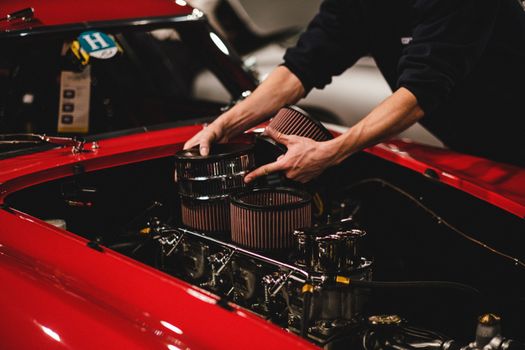 Photo: Mathias Reding / Pexels
Before you even begin to explore where to buy car filters online, it's paramount to understand *what* filters your vehicle needs and *why*. This foundational knowledge will empower you to make informed decisions, avoid costly mistakes, and ensure your car continues to operate at its peak. Your car isn't just a collection of parts; it's a sophisticated machine that relies on various filtration systems to protect its vital components from contaminants. There are primarily four types of filters that require regular attention: the oil filter, air filter, cabin air filter, and fuel filter.
Let's break down each one. The **oil filter** is arguably one of the most critical. Its job is to remove harmful particles, dirt, and metal shavings from your engine oil, preventing them from circulating and causing premature wear to engine components. A clogged or inefficient oil filter can lead to reduced engine lubrication, increased friction, and ultimately, engine damage. Most manufacturers recommend replacing your oil filter with every oil change, typically every 3,000 to 10,000 miles, depending on your vehicle and oil type. When you're searching for an oil filter online, pay close attention to the specific part number and whether it's an OEM (Original Equipment Manufacturer) or a high-quality aftermarket equivalent.
Next, the **air filter** protects your engine from airborne contaminants like dust, pollen, insects, and debris. Located in the engine's air intake system, it ensures that only clean air reaches the combustion chambers. A dirty air filter restricts airflow, leading to decreased engine performance, reduced fuel efficiency, and increased emissions. Replacing your air filter every 15,000 to 30,000 miles, or more frequently if you drive in dusty conditions, is a simple maintenance task that yields significant benefits. Online retailers make it easy to find air filters by simply inputting your vehicle's year, make, and model, offering various brands and filtration efficiencies.
The **cabin air filter**, often overlooked, is crucial for your health and comfort. It filters the air entering your vehicle's interior through the heating, ventilation, and air conditioning (HVAC) system, trapping dust, pollen, mold spores, and pollutants. A clogged cabin air filter can lead to reduced airflow from your vents, unpleasant odors, and exacerbated allergies for occupants. Most experts recommend replacing it every 12,000 to 15,000 miles. Finding the right cabin air filter online is straightforward, as most product listings include clear compatibility guides.
Finally, the **fuel filter** safeguards your engine's fuel system by removing impurities and contaminants from the fuel before it reaches the engine. These impurities, which can include rust, dirt, and sediment from the fuel tank or gas station, can clog fuel injectors and carburetors, leading to engine misfires, reduced performance, and even fuel pump failure. While some modern vehicles have lifetime fuel filters, many still require replacement every 30,000 to 60,000 miles. Given its critical role, choosing a high-quality fuel filter from a reputable online source is essential. For more detailed information on maintaining your vehicle, check out our guide on
essential auto maintenance tips. Understanding these filter types and their replacement intervals is the first step toward successfully navigating the vast online marketplace for car parts. Armed with this knowledge, you can confidently search for and purchase the correct filters, ensuring your vehicle runs smoothly and efficiently for years to come.
Top Online Retailers for Car Filters: Where to Find the Best Deals and Selection
 Photo: Sergey Meshkov / Pexels
Once you've identified your specific filter needs, the next logical step is to explore the multitude of online platforms that offer car filters. The digital landscape for auto parts is vast, providing consumers with an unparalleled selection, competitive pricing, and the convenience of shopping from home. However, not all online retailers are created equal. It's crucial to know where to look to ensure you're getting genuine parts, excellent customer service, and a seamless shopping experience. Let's delve into some of the top contenders when you're asking where to buy car filters online.
**Amazon** stands out as a giant in the e-commerce world, and its automotive section is no exception. You can find virtually any car filter imaginable, from popular brands like Fram, Bosch, K&N, and Wix, to more specialized or OEM options. Amazon's strength lies in its extensive inventory, competitive pricing, and often fast shipping, especially for Prime members. The customer review system is invaluable for assessing product quality and fitment. However, be diligent in checking the seller's reputation, as third-party sellers can sometimes offer counterfeit or incorrect parts. Always use Amazon's vehicle fitment tool to confirm compatibility.
**RockAuto** is a highly specialized online auto parts retailer known for its massive catalog and aggressive pricing. If you're looking for a specific, often hard-to-find, filter for an older or less common vehicle, RockAuto is often the go-to. Their website can be a bit overwhelming due to its sheer volume of options, but their intuitive parts catalog, organized by year, make, model, and engine, makes navigation manageable. They also provide detailed specifications and often multiple brand choices for each part. Shipping costs can vary depending on the number of warehouses your parts are shipped from, so always factor that into your total cost.
**Advance Auto Parts** and **AutoZone** are household names in the auto parts industry, with a strong online presence complementing their brick-and-mortar stores. Shopping on their websites offers the best of both worlds: the convenience of online browsing and purchase, with the option for in-store pickup, often within hours. This is particularly useful if you need a filter urgently. They frequently run online promotions and discounts, making their prices competitive. Their websites are user-friendly, with robust vehicle selectors and helpful customer support.
**O'Reilly Auto Parts** offers a similar experience to Advance Auto and AutoZone, providing a wide range of filters and the convenience of online ordering with in-store pickup. Their website also features helpful DIY resources and guides, which can be beneficial if you're planning to install the filters yourself. Like their competitors, they frequently have sales and loyalty programs that can lead to significant savings.
For those who prefer genuine parts, **dealership websites** or specialized OEM parts retailers (e.g., HondaPartsNow, ToyotaPartsDeal) are excellent options. While often more expensive than aftermarket alternatives, OEM filters guarantee perfect fitment and are designed to meet the manufacturer's exact specifications. These sites usually have highly accurate parts diagrams and vehicle identification number (VIN) lookup tools to ensure you get the precise part for your car.
Finally, don't overlook **eBay Motors**. While it can be a treasure trove for rare or vintage parts, it also offers new filters from various sellers. Exercise caution, as with Amazon, and always check seller ratings, return policies, and product descriptions carefully. Some reputable auto parts stores also maintain storefronts on eBay, offering good deals.
When comparing these platforms, consider not just the price of the filter, but also shipping costs, estimated delivery times, return policies, and the availability of customer support. Many sites also offer loyalty programs or email sign-up discounts that can further reduce your overall cost. By strategically utilizing these top online retailers, you can confidently find and purchase the exact car filters your vehicle needs, often at a fraction of the cost you'd pay at a local mechanic.
Choosing the Right Filter: OEM, Aftermarket, and Performance Options Online
 Photo: Robert So / Pexels
Navigating the world of car filters online isn't just about finding the cheapest option; it's about selecting the *right* option for your vehicle and driving habits. The online marketplace presents a plethora of choices, primarily categorized into Original Equipment Manufacturer (OEM), aftermarket, and performance filters. Understanding the distinctions between these categories is crucial for making an informed purchase when you're deciding where to buy car filters online. Each type offers different benefits, price points, and levels of filtration or performance.
**OEM (Original Equipment Manufacturer) filters** are identical to the filters that came installed in your car from the factory. They are designed by the vehicle manufacturer to meet precise specifications for fit, function, and filtration efficiency. When you buy an OEM filter, you're essentially getting the same quality and performance as the original part. The primary advantage of OEM filters is guaranteed compatibility and adherence to manufacturer standards, which can be particularly reassuring for newer vehicles or those still under warranty. The downside is often the price; OEM filters tend to be more expensive than their aftermarket counterparts. You can typically find OEM filters through dealership websites, specialized OEM parts retailers online, or sometimes through larger e-commerce platforms that carry genuine parts. For peace of mind and guaranteed fitment, OEM is often the safest bet.
**Aftermarket filters** are manufactured by companies other than your vehicle's original maker. This category is vast and varied, ranging from budget-friendly options to premium filters that often surpass OEM specifications. Aftermarket brands like Wix, Fram, Bosch, Purolator, Mann-Filter, and K&N are widely recognized and trusted. The main advantages of aftermarket filters are their lower cost and wider availability. Many aftermarket filters offer excellent quality and performance, sometimes even improving upon the original design. However, the quality can vary significantly between brands. It's essential to research reputable aftermarket brands and read customer reviews to ensure you're buying a reliable product. When searching online, filter by brand or read detailed product descriptions to understand the filter's construction and materials. Most general auto parts websites and e-commerce giants like Amazon and RockAuto offer a comprehensive selection of aftermarket filters. They also often provide different tiers of aftermarket filters, such as standard, premium, or extended-life versions, allowing you to tailor your choice to your budget and maintenance preferences.
**Performance filters** are a specialized subset of aftermarket filters designed to enhance specific aspects of your vehicle's operation, often catering to enthusiasts or those seeking marginal gains. For example, performance air filters (like those from K&N or AEM) are engineered for maximum airflow with minimal restriction, which can lead to a slight increase in horsepower and improved throttle response. These often feature reusable, washable cotton gauze elements, offering long-term cost savings despite a higher initial price. Similarly, high-performance oil filters might offer superior filtration capacity or flow rates for demanding engine conditions. While performance filters can offer tangible benefits, they are not always necessary for everyday driving and might come with trade-offs, such as potentially allowing slightly more fine particles through the air filter in exchange for airflow. If you're considering performance filters, ensure they are compatible with your vehicle and won't void any warranties. Dedicated performance auto parts websites or the brand's direct online store are often the best places to find these specialized filters. When integrating performance parts, it's always wise to consult resources like
performance tuning guides to ensure proper installation and compatibility.
Ultimately, the best choice depends on your priorities: budget, desire for OEM assurance, or a quest for enhanced performance. Online retailers provide the tools to compare these options side-by-side, allowing you to make an informed decision that aligns with your vehicle's needs and your personal preferences.
Smart Shopping Strategies: Tips and Common Mistakes When Buying Car Filters Online
 Photo: SiljeAO - / Pexels
Navigating the online marketplace for car filters can be incredibly rewarding, offering convenience and significant savings. However, like any online purchase, it comes with its own set of considerations. Employing smart shopping strategies and being aware of common pitfalls can greatly enhance your experience when deciding where to buy car filters online, ensuring you get the right part at the best price without unnecessary headaches.
**Tips for Smart Online Filter Shopping:**
* **Verify Compatibility Thoroughly:** This is arguably the most crucial step. Always use the vehicle fitment tools provided by online retailers (year, make, model, engine size). Go a step further and cross-reference the part number with your owner's manual or the existing filter in your car. Some sites even allow VIN lookup for ultimate accuracy.
* **Read Reviews and Ratings:** Customer reviews offer invaluable insights into product quality, fitment accuracy, and seller reliability. Look for reviews that mention specific vehicle models and installation experiences.
* **Compare Prices Across Multiple Retailers:** Don't settle for the first price you see. Use comparison shopping tools or manually check 2-3 different websites (e.g., Amazon, RockAuto, Advance Auto Parts) to find the best deal, including shipping costs.
* **Factor in Shipping Costs and Speed:** A cheaper filter might end up being more expensive if shipping is exorbitant or if you need it quickly and have to pay for expedited delivery. Look for free shipping offers or consider in-store pickup options if available.
* **Look for Bundles or Kits:** Some retailers offer filter kits (e.g., oil filter and air filter together) or even full maintenance kits that can provide better value than buying individual components separately.
* **Sign Up for Email Lists:** Many auto parts retailers offer discounts or coupons for new subscribers. These can often be applied to your filter purchase, leading to additional savings.
* **Understand Return Policies:** In case of a mistake, a clear and reasonable return policy is essential. Know the timeframe for returns, whether you'll pay for return shipping, and if there are any restocking fees.
* **Consider Filter Quality vs. Price:** While saving money is great, don't compromise on critical filter quality for essential components like oil or fuel filters. A slightly more expensive, reputable brand often provides better protection and longevity for your engine.
**Common Mistakes to Avoid:**
* **Assuming All Filters for a Model Year are Identical:** Manufacturers often make mid-year changes or offer different engine options, meaning multiple filter types can exist for the 'same' car. Always confirm your engine size and specific trim.
* **Ignoring Part Numbers:** Relying solely on the vehicle selector without cross-referencing part numbers can lead to errors. If you have the old filter, check its number.
* **Overlooking Shipping Costs:** A low list price can be deceptive if high shipping fees inflate the final cost, especially from international sellers or for heavy items.
* **Buying Counterfeit Filters:** Especially on large marketplaces, be wary of unusually low prices from unknown sellers. Stick to reputable brands and sellers to avoid cheap, ineffective, or even harmful counterfeit filters.
* **Not Checking for Promotions/Coupons:** Many sites have active coupon codes or seasonal sales. A quick search for '[retailer name] coupon code' can often yield instant savings.
* **Waiting Until the Last Minute:** If you need a filter for an upcoming maintenance task, order it with enough lead time to account for shipping delays or potential returns if the part is incorrect.
* **Forgetting Gaskets or O-Rings:** Some filters, particularly oil filters, require new gaskets or O-rings for a proper seal. Ensure these are included or purchased separately if needed.
By keeping these tips and warnings in mind, you can transform the potentially daunting task of buying car filters online into a smooth, cost-effective, and successful endeavor, keeping your vehicle running optimally and your wallet happier.
