✓ Wiper blades are rarely the same size on both sides of the windshield.
✓ Incorrect wiper size can lead to poor visibility and damage.
✓ Most auto parts stores offer look-up tools for wiper sizes.
✓ Consult your vehicle's owner's manual for definitive specifications.
How It Works
1
Identify Your Vehicle
Start by gathering your car's year, make, and model. This information is crucial for accurate sizing.
2
Consult Resources
Use your owner's manual, online look-up tools, or physically measure your existing blades. These resources provide precise dimensions.
3
Purchase Correct Blades
Once you have the sizes, select the appropriate wiper blades. Consider blade type (conventional, beam, hybrid) for optimal performance.
4
Install and Test
Install your new blades following the manufacturer's instructions. Test them to ensure proper function and clear visibility.
Understanding Windshield Wiper Blade Sizing
Photo: Sergey Meshkov / Pexels
The seemingly simple task of replacing windshield wipers can become a point of confusion if you're not sure about the correct sizing. Many drivers mistakenly believe that both wiper blades on their vehicle are the same length, or that a 'close enough' size will suffice. This is a common misconception that can lead to significant issues, from streaks and unwiped areas to potential damage to your windshield or wiper motor. The reality is that for the vast majority of vehicles, the driver's side wiper blade and the passenger's side wiper blade are different lengths. This design choice is not arbitrary; it's meticulously engineered by car manufacturers to optimize the sweep pattern and maximize visibility from the driver's perspective, while also clearing a sufficient area for the passenger and minimizing overlap or collision between the blades. An improperly sized blade, whether too long or too short, will compromise this engineered sweep. A blade that's too long might hit the windshield trim, the A-pillar, or even the other wiper blade, causing premature wear, noise, and potentially damaging the wiper arm mechanism or the windshield itself. Conversely, a blade that's too short will leave significant portions of your windshield uncleared, drastically reducing your field of vision, especially in heavy rain or snow. This can be a serious safety hazard. Furthermore, the curve of your windshield also plays a role in wiper blade design. Modern vehicles often feature highly curved windshields, which is why many newer wiper blades are designed as 'beam' blades – frameless designs that conform better to the glass's contour, ensuring consistent pressure across the entire length of the blade. Understanding these nuances is the first step in ensuring you select the correct wiper blades for your vehicle. It’s not just about getting 'a' wiper blade; it's about getting the 'right' wiper blade. This precision ensures that your wipers operate effectively, silently, and without causing any damage, providing you with the clear vision necessary for safe driving. Always prioritize accuracy when determining what size windshield wipers do I need for your car.
Methods for Determining Your Wiper Blade Size
Photo: Sergey Meshkov / Pexels
Finding the correct size for your windshield wiper blades doesn't have to be a guessing game. There are several reliable methods you can employ to ensure you get the perfect fit every time. The most straightforward and arguably the most accurate method is to consult your vehicle's owner's manual. This invaluable resource, often found in your glove compartment, contains a wealth of information about your specific car, including detailed specifications for consumable parts like wiper blades. Look for a section on maintenance, service, or specifications, and you'll typically find the exact lengths for both the driver's and passenger's side wipers, and sometimes even the rear wiper if your vehicle has one. This method eliminates any guesswork and provides the manufacturer's recommended sizes, ensuring optimal performance and fit. If your owner's manual is missing or you can't locate the information, the next best approach is to use online lookup tools. Most major auto parts retailers (e.g., AutoZone, Advance Auto Parts, O'Reilly Auto Parts) and wiper blade manufacturers (e.g., Bosch, Rain-X, Trico) offer comprehensive online databases. You simply input your vehicle's year, make, and model, and their system will automatically generate the correct wiper blade sizes for your specific car. These databases are regularly updated and are highly accurate, making them a very convenient option. They often also recommend specific blade types compatible with your vehicle's wiper arm attachment. A third practical method involves physically measuring your existing wiper blades. While this might seem obvious, it requires a bit of care. Extend your wiper arms away from the windshield and carefully remove the existing blades. Using a tape measure, measure the length of the metal spline that runs through the rubber blade, from end to end. Do this for both the driver's and passenger's side blades, as they are often different lengths. It's crucial to measure the actual blade, not just the rubber refill, and to be precise, as even an inch off can make a difference. Make sure to note down both measurements. This method is particularly useful if you're dealing with an older vehicle or a less common model that might not be in all online databases. Remember, when you ask yourself, "what size windshield wipers do I need?" these methods provide clear, dependable answers. Don't forget the rear wiper either, if applicable; it also has a specific size that can be found using the same techniques.
The Impact of Wiper Blade Types and Installation
Photo: NEOSiAM 2026+ / Pexels
Beyond just knowing what size windshield wipers do I need, understanding the different types of wiper blades and proper installation techniques is crucial for achieving peak performance and longevity. Modern vehicles can be fitted with several types of wiper blades, each with its own design and benefits. The most common types include conventional (or traditional) blades, beam blades, and hybrid blades. Conventional blades are the classic design, featuring a metal frame that supports multiple pressure points along the rubber blade. They are generally more affordable and effective in moderate conditions, though they can be prone to ice and snow buildup in colder climates, which hinders their flexibility and effectiveness. Beam blades, on the other hand, are frameless. They consist of a single piece of rubber with a tensioned steel spring inside that creates uniform pressure across the entire length of the blade. This design allows them to conform better to the curvature of modern windshields, provide superior wiping performance, and be less susceptible to ice and snow accumulation. They are often found as original equipment on newer vehicles and are a popular upgrade. Hybrid blades combine elements of both conventional and beam designs, offering an aerodynamic shell over a traditional frame, aiming for the best of both worlds – durability and consistent pressure with a sleek appearance. Choosing the right type can significantly impact your visibility and driving comfort, especially during adverse weather conditions. Once you have determined the correct size and chosen your preferred blade type, proper installation is the next critical step. While the specific attachment mechanism can vary slightly between manufacturers and blade types (e.g., hook, pin, bayonet, or side lock), the general process is straightforward. Always refer to the instructions provided with your new wiper blades, as they will detail the exact steps for your specific blade and adapter. Typically, you will need to lift the wiper arm away from the windshield until it locks into place. Then, carefully detach the old blade, often by pressing a tab or clip. Attach the new blade, ensuring it clicks securely into place. Gently lower the wiper arm back onto the windshield. It's vital to ensure the blade is firmly attached to prevent it from detaching during operation, which could scratch your windshield or pose a hazard. After installation, always test your new wipers with some washer fluid to ensure they operate smoothly, quietly, and clear the windshield effectively without streaking or chattering. This simple test confirms proper fit and function. Remember, even the best blades won't perform optimally if they're not installed correctly. Investing a few minutes in proper installation after figuring out the precise wiper blade dimensions will pay off with clear vision and enhanced safety.
Common Mistakes and Troubleshooting Wiper Issues
Photo: Maria Tyutina / Pexels
Even with the correct answer to "what size windshield wipers do I need," drivers can encounter issues if they make common mistakes or overlook critical maintenance. One of the most frequent errors is assuming both wiper blades are the same length. As discussed, this is rarely the case, and installing two blades of the same incorrect size can lead to poor performance, noise, and even damage. Always verify both driver and passenger side lengths. Another mistake is neglecting to replace wipers regularly. Wiper blades are wear-and-tear items; their rubber components degrade over time due to sun exposure, extreme temperatures, and friction. Ignoring worn-out blades results in streaking, chattering, and reduced visibility, which is a major safety concern. It's generally recommended to replace wiper blades every six to twelve months, or sooner if you notice a decline in performance. Choosing the wrong blade type for your climate or vehicle can also be an issue. For instance, conventional blades might struggle in heavy snow and ice, whereas beam blades are often more resilient. Ensure your choice aligns with your driving conditions. Lastly, improper installation is a significant cause of problems. If blades aren't securely attached, they can loosen, vibrate, or even fly off. If they're installed incorrectly, they might not make full contact with the windshield, leading to unwiped areas. Always double-check the attachment and test the wipers thoroughly after installation.
**Troubleshooting Wiper Issues:**
* **Streaking:** Often indicates worn-out rubber, dirt/grime on the blade, or a bent wiper arm. Clean the blade with a damp cloth or replace it.
* **Chattering/Skipping:** Can be due to a bent wiper arm, incorrect blade angle, or hardened rubber. Check the arm angle; if not easily fixable, new blades are often the solution.
* **Unwiped Areas:** Typically signals an incorrect blade size, a worn blade that no longer conforms to the windshield, or insufficient pressure from the wiper arm. Verify blade size and consider replacing if worn.
* **Noise (Squealing/Grinding):** Usually a sign of dry operation (use washer fluid!), a dirty windshield, or worn/hardened rubber. Clean windshield and blades, and ensure fluid is topped up.
Addressing these issues promptly ensures your wipers function optimally, providing clear visibility and contributing to safer driving. Proactive maintenance and correct part selection are key.
Comparison
Feature
Beam Blades (Recommended)
Hybrid Blades (Good Alternative)
Conventional Blades (Budget Option)
Design
Frameless, single rubber element with tensioned spring
Aerodynamic shell over traditional frame
Metal frame with multiple pressure points
Windshield Contact
Excellent, conforms to curved glass
Very good, adapts to moderate curves
Good, can struggle with extreme curves
Ice/Snow Performance
✓ (Less prone to buildup)
✓ (Better than conventional)
✗ (Prone to freezing)
Aerodynamics/Noise
Excellent, very quiet
Very good, reduced wind lift
Good, can be noisy at high speeds
Lifespan
Longer
Moderate to Longer
Moderate
Cost
Higher
Moderate to High
Lower
What Readers Say
★★★★★
"I always struggled with streaky wipers until I used this guide to figure out what size windshield wipers do I need. The owner's manual tip was a lifesaver, and my new beam blades are amazing. Visibility is crystal clear now, even in heavy rain."
Sarah J. · Austin, TX
★★★★★
"This article was incredibly helpful. I used the online lookup tool and got the exact sizes for my SUV. The installation tips made replacing them a breeze, and now I don't have those annoying unwiped spots anymore."
Mark D. · Seattle, WA
★★★★★
"Following the advice on checking both wiper lengths was crucial. I found out my passenger side was an inch shorter than I thought. My new wipers fit perfectly, clearing snow and rain with no issues, a definite improvement in safety."
Emily R. · Denver, CO
★★★★★
"The guide gave me confidence to replace my own wipers. While the measuring method was a bit tricky, the advice on choosing beam blades for better performance in heavy rain was spot on. My only wish is that my car's manual was easier to navigate."
Chris T. · Miami, FL
★★★★★
"As someone who drives a lot in varied weather, knowing what size windshield wipers do I need accurately is paramount. This guide clarified everything, from sizing to different blade types, ensuring I picked the best for my winter driving. Excellent resource!"
Jessica L. · Chicago, IL
Frequently Asked Questions
What happens if I use the wrong size windshield wipers?
Using the wrong size windshield wipers can lead to several problems. Blades that are too long may collide with each other, hit the windshield trim, or lift off the glass at high speeds, causing damage or poor wiping. Blades that are too short will leave large unwiped areas, significantly reducing your visibility and safety, especially in adverse weather conditions.
Are driver and passenger side wiper blades always different sizes?
For the vast majority of modern vehicles, the driver and passenger side wiper blades are indeed different lengths. This design choice optimizes the sweep pattern for maximum visibility from the driver's perspective and prevents the blades from colliding. Always verify both sizes separately.
How do I measure my existing wiper blades?
To measure your existing wiper blades, gently lift the wiper arm off the windshield. Carefully remove the old blade from the arm. Using a tape measure, measure the length of the metal spline (the part that holds the rubber) from end to end. Be precise and measure both the driver's and passenger's side blades.
Is it worth paying more for premium wiper blades?
Often, yes. Premium wiper blades, particularly beam or hybrid types, generally offer superior performance, durability, and quieter operation compared to conventional blades. They conform better to curved windshields, resist ice buildup, and provide clearer vision, which is a significant safety benefit, especially in challenging weather conditions.
Can I use an online lookup tool to find my wiper size?
Absolutely. Most major auto parts retailers and wiper blade manufacturers provide excellent online lookup tools. You simply enter your vehicle's year, make, and model, and the tool will accurately display the correct wiper blade sizes for both the driver's and passenger's sides, and often the rear wiper too.
Who should replace their own wiper blades?
Anyone comfortable with basic car maintenance can replace their own wiper blades. The process is typically straightforward and requires no special tools. Following the instructions provided with your new blades and ensuring a secure fit are the most important steps.
Is there a safety risk with old or incorrect wiper blades?
Yes, there is a significant safety risk. Old, worn, or incorrectly sized wiper blades cannot effectively clear your windshield of rain, snow, or debris. This severely impairs your visibility, increasing the risk of accidents, especially during nighttime driving or adverse weather conditions.
Will wiper blade technology change significantly in the future?
Wiper blade technology is continuously evolving. While the basic function remains, future trends may include smart wipers that adapt to weather conditions, integrated sensors for debris detection, or even completely frameless, aerodynamic designs that utilize advanced materials for enhanced durability and quieter operation.
Don't compromise on safety and visibility. Use this comprehensive guide to accurately determine what size windshield wipers do I need for your vehicle today. Ensure your drive is always clear, comfortable, and safe by installing the correct wiper blades.

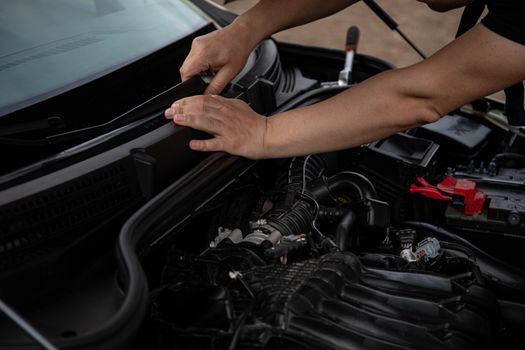 Photo: Sergey Meshkov / Pexels
 Photo: Sergey Meshkov / Pexels
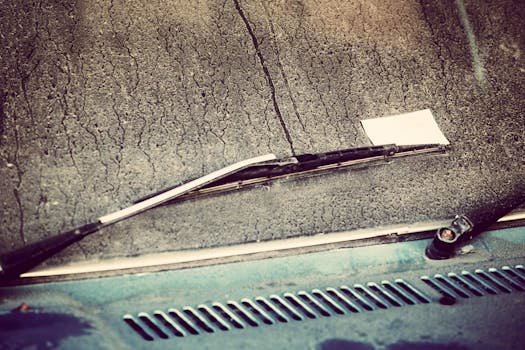 Photo: NEOSiAM 2026+ / Pexels
 Photo: Maria Tyutina / Pexels