✓ A catalytic converter transforms toxic pollutants into less harmful byproducts.
✓ It contains precious metals like platinum, palladium, and rhodium as catalysts.
✓ First introduced in mass-produced vehicles in the mid-1970s.
✓ Essential for meeting modern vehicle emission standards.
How It Works
1
Pre-Catalyst Emissions
Engine exhaust containing carbon monoxide (CO), unburnt hydrocarbons (HC), and nitrogen oxides (NOx) enters the converter from the engine's exhaust manifold.
2
Oxidation Catalyst (Two-Way)
In the first stage, platinum and palladium oxidize CO into carbon dioxide (CO2) and HCs into CO2 and water (H2O). This primarily addresses two of the three major pollutants.
3
Reduction Catalyst (Three-Way)
The second stage, using rhodium, reduces NOx. It breaks down nitrogen oxides into harmless nitrogen (N2) and oxygen (O2) molecules, completing the three-way conversion process.
4
Post-Catalyst Emissions
The now significantly cleaner exhaust gases, primarily composed of carbon dioxide, water vapor, and nitrogen, exit the catalytic converter and continue through the exhaust pipe.
Understanding the Core Function of a Catalytic Converter
Photo: Robert So / Pexels
At its heart, a catalytic converter is an exhaust emission control device that converts toxic byproducts of combustion in an internal combustion engine to less toxic substances by catalyzing redox reactions. This sophisticated component is a cornerstone of modern automotive engineering, playing an indispensable role in environmental protection. Without it, the air we breathe would be significantly more polluted by vehicle exhaust. The invention and widespread adoption of catalytic converters have been instrumental in drastically reducing smog and acid rain, showcasing a profound impact on public health and ecological balance.
To fully grasp what is a catalytic converter, it's crucial to understand the harmful substances it targets. Engine combustion, while powerful, is not perfectly clean. It produces several dangerous gases: Carbon Monoxide (CO), which is a colorless, odorless, and highly toxic gas that can be fatal; Hydrocarbons (HC), also known as unburnt fuel, which contribute to smog formation and are carcinogens; and Nitrogen Oxides (NOx), a group of gases that lead to smog, acid rain, and respiratory issues. The catalytic converter's job is to chemically transform these nasties into benign substances like carbon dioxide (CO2), water (H2O), and nitrogen (N2) before they are released into the atmosphere. This transformation doesn't happen by burning or filtering, but through a chemical reaction facilitated by precious metals acting as catalysts. These metals – platinum, palladium, and rhodium – are coated onto a ceramic honeycomb structure or ceramic beads, providing a vast surface area for the reactions to occur efficiently. The high surface area ensures that the exhaust gases come into maximum contact with the catalytic material, enabling rapid and thorough conversion. The operating temperature of a catalytic converter is also critical; it needs to reach several hundred degrees Fahrenheit to function effectively, which is why it's typically placed close to the engine in the exhaust system. This placement allows it to heat up quickly, minimizing cold-start emissions. The design of the converter, with its intricate internal structure, is a testament to the engineering effort aimed at maximizing efficiency and longevity under extreme conditions. Understanding the function of each part of your car's exhaust system is vital for optimal performance and emission control. Learn more about other critical components in our guide on exhaust system components.
The Science Behind the Three-Way Catalytic Converter
Photo: Tahamie Farooqui / Pexels
The most common type found in modern gasoline-powered vehicles is the 'three-way' catalytic converter. The 'three-way' designation refers to its ability to simultaneously reduce three main pollutants: nitrogen oxides (NOx), carbon monoxide (CO), and unburnt hydrocarbons (HC). This simultaneous action is a marvel of chemical engineering. The converter is essentially a stainless steel shell containing a ceramic monolith, which is a honeycomb-like structure. This structure is coated with a washcoat containing the precious metals. The honeycomb design maximizes the surface area exposed to the exhaust gases, allowing for efficient chemical reactions without impeding exhaust flow.
The process begins as hot exhaust gases from the engine enter the converter. The first section, often called the reduction catalyst, focuses on nitrogen oxides. Here, rhodium and platinum are the primary catalysts. When NOx gases (like NO and NO2) come into contact with these metals, they are 'reduced.' This means that oxygen atoms are removed from the nitrogen oxides, allowing the nitrogen atoms to bond with each other, forming harmless nitrogen gas (N2), and the freed oxygen atoms bond with other oxygen atoms to form oxygen gas (O2). This is a crucial step in preventing smog and acid rain.
Following the reduction catalyst, the gases move into the oxidation catalyst section. This section typically uses platinum and palladium to oxidize carbon monoxide and unburnt hydrocarbons. Carbon monoxide (CO), a highly toxic gas, reacts with oxygen in the presence of these catalysts to form carbon dioxide (CO2), a much less harmful gas. Similarly, unburnt hydrocarbons (HC), which are essentially fuel molecules that didn't combust completely in the engine, react with oxygen to form carbon dioxide (CO2) and water (H2O). While CO2 is a greenhouse gas, it is significantly less toxic than CO or HCs. The entire process relies on precise air-fuel mixture control by the engine's computer (ECU) and oxygen sensors, which continuously monitor the exhaust gas composition. This feedback loop ensures the converter operates at its peak efficiency, maintaining the delicate balance required for all three reactions to occur simultaneously and effectively. The temperature inside the converter can reach upwards of 1200 degrees Fahrenheit (650 degrees Celsius) during operation, which is critical for these catalytic reactions to proceed. Understanding this intricate balance helps appreciate the engineering behind emissions control.
Common Issues and Maintenance of Your Catalytic Converter
Photo: Tahamie Farooqui / Pexels
Despite their robust design, catalytic converters are not immune to problems. Several issues can lead to their failure, impacting both your vehicle's performance and its emissions compliance. One of the most common problems is clogging. This usually occurs when the engine is burning oil or coolant, or if there's excessive carbon buildup from rich fuel mixtures. The unburnt fuel, oil, or coolant can coat the ceramic substrate and the precious metals, preventing the catalytic reactions from taking place. Symptoms of a clogged converter often include reduced engine power, poor acceleration, a strong sulfur smell (rotten eggs), and illuminated check engine light. In severe cases, the engine might even stall.
Another significant issue is overheating. While converters operate at high temperatures, excessive heat can cause the ceramic substrate to melt down, effectively blocking the exhaust flow. Overheating is typically caused by an engine misfire, where unburnt fuel enters the converter and ignites, leading to dangerously high temperatures. This can completely destroy the internal structure, requiring immediate replacement. Physical damage, such as from hitting road debris, can also crack or break the ceramic matrix, rendering the converter ineffective. Lastly, the theft of catalytic converters has become a widespread problem due to the high value of the precious metals they contain. Thieves can remove them in minutes, leaving vehicle owners with expensive repair bills.
Maintaining your catalytic converter largely involves maintaining your engine. Regular engine tune-ups, ensuring proper spark plug function, and addressing engine misfires promptly are crucial. Fixing oil leaks and coolant leaks prevents these fluids from entering the exhaust system and damaging the converter. Using the correct fuel type and avoiding leaded gasoline (which poisons the catalysts) are also vital. While there aren't many direct maintenance tasks for the converter itself, a healthy engine is its best protection. If you notice any of the aforementioned symptoms, it's essential to have your vehicle inspected by a qualified mechanic. Early diagnosis can often prevent further damage and more costly repairs. Understanding the overall vehicle health is key to preventing catalytic converter issues, and you can learn more about general vehicle maintenance from our comprehensive guide on essential car care tips.
Identifying Catalytic Converter Problems: Symptoms and Solutions
Recognizing the signs of a failing catalytic converter is crucial for timely repair and preventing further damage to your vehicle. The symptoms can sometimes mimic other exhaust or engine problems, making accurate diagnosis important. Here are the most common indicators:
* **Reduced Engine Performance:** You might notice a significant drop in acceleration, reduced power, or your vehicle struggling to maintain speed, especially on inclines. This is often due to a clogged converter restricting exhaust flow, creating back pressure that chokes the engine.
* **Check Engine Light Illumination:** This is perhaps the most obvious sign. Modern vehicles use oxygen sensors before and after the catalytic converter to monitor its efficiency. If the downstream sensor detects similar oxygen levels to the upstream sensor, it indicates the converter isn't functioning correctly, triggering the light and storing a diagnostic trouble code (DTC) in the engine control unit (ECU). Common codes include P0420 (Catalyst System Efficiency Below Threshold – Bank 1) or P0430 (Catalyst System Efficiency Below Threshold – Bank 2).
* **Sulfur or "Rotten Egg" Smell:** This distinct odor indicates that the converter is failing to convert hydrogen sulfide (a byproduct of combustion) into odorless sulfur dioxide. Instead, it's passing through the exhaust system untreated.
* **Rattling Noises from Underneath the Vehicle:** This sound usually signifies that the internal ceramic honeycomb structure has broken apart. The pieces can then rattle around inside the converter housing, creating noise and potentially further blocking exhaust flow.
* **Failed Emissions Test:** If your state requires emissions testing, a failing catalytic converter will almost certainly result in a failed test, as it will be unable to meet the required pollutant reduction levels.
**Solutions and When to Act:**
If you suspect a catalytic converter problem, it's vital to have it diagnosed by a professional mechanic. While some minor clogs might be addressed with fuel system cleaners specifically designed for catalytic converters (though results vary and are often temporary), most significant failures require replacement. Ignoring the problem can lead to:
* **Further Engine Damage:** Excessive back pressure can stress engine components, leading to premature wear or failure of gaskets, seals, and even internal engine parts.
* **Increased Fuel Consumption:** A struggling engine due to a clogged converter will work harder, leading to poorer fuel economy.
* **Environmental Harm:** A non-functional converter means your vehicle is emitting harmful pollutants directly into the atmosphere, contributing to air pollution.
* **Legal Issues:** Driving a vehicle that fails emissions standards can result in fines and the inability to renew your vehicle registration in many regions.
While replacing a catalytic converter can be an expensive repair, it's a necessary one for the health of your vehicle and the environment. Always ensure that any replacement part meets or exceeds OEM specifications and local emissions regulations. Often, the root cause of the converter failure (like a misfire or oil burning) also needs to be addressed to prevent the new converter from failing prematurely.
Comparison
Feature
OEM Catalytic Converter
Aftermarket Catalytic Converter
Universal Catalytic Converter
Emissions Compliance
Meets strict federal/state standards
Varies, check local laws
May not meet all standards
Price
Highest
Moderate
Lowest
Fitment
Exact fit for specific vehicle
Generally good, vehicle-specific
Requires welding/modification
Durability
Excellent, long-lasting
Good, varies by brand
Varies widely
Performance
Optimized for vehicle
Good, can be restrictive
Can impact engine performance
What Readers Say
★★★★★
"My check engine light came on and I was worried. This article really helped me understand what is a catalytic converter and why mine might be failing. It made me feel much more informed before heading to the mechanic."
David M. · Austin, TX
★★★★★
"As someone new to car maintenance, the explanation of how a catalytic converter works was incredibly clear. I now appreciate this crucial component of my car much more!"
Sarah J. · Miami, FL
★★★★★
"After reading this, I diagnosed my car's rotten egg smell and lack of power as a failing catalytic converter. Got it replaced, and my car runs perfectly, passing emissions with flying colors!"
Mark T. · Denver, CO
★★★★★
"The article is very informative, though I wish there was a bit more detail on preventative measures beyond just general engine maintenance. Still, a fantastic resource for understanding what is a catalytic converter."
Emily R. · Seattle, WA
★★★★★
"Running a small fleet, understanding common failure points like the catalytic converter is key. This detailed guide helps me educate my drivers and prioritize preventative maintenance effectively."
John P. · Chicago, IL
Frequently Asked Questions
What is the primary purpose of a catalytic converter?
The primary purpose of a catalytic converter is to reduce harmful pollutants emitted from an internal combustion engine. It chemically transforms toxic gases like carbon monoxide, unburnt hydrocarbons, and nitrogen oxides into less harmful substances such as carbon dioxide, water vapor, and nitrogen gas, significantly cleaning the exhaust before it enters the atmosphere.
Is it legal to drive without a catalytic converter?
No, it is illegal to drive without a catalytic converter in the United States and most other developed countries. Federal law mandates that all vehicles manufactured after 1975 must have a functioning catalytic converter. Removing or tampering with it is a federal offense and can result in significant fines, as it leads to a dramatic increase in harmful emissions.
How can I tell if my catalytic converter is bad?
Common signs of a bad catalytic converter include a lit check engine light (often with codes like P0420 or P0430), reduced engine power or acceleration, a noticeable sulfur or 'rotten egg' smell from the exhaust, and rattling noises from underneath your vehicle. A failed emissions test is also a strong indicator.
How much does it cost to replace a catalytic converter?
The cost to replace a catalytic converter can vary significantly, ranging from $500 to over $2,500, depending on the vehicle's make and model, whether you choose an OEM or aftermarket part, and labor costs. The precious metals inside make it an expensive component, and installation often requires specialized tools.
Can I clean a catalytic converter instead of replacing it?
While some fuel system cleaners claim to clean catalytic converters, their effectiveness is often limited and temporary, especially for heavily clogged or physically damaged units. These cleaners might help with minor carbon buildup, but they cannot repair melted substrates or address issues caused by internal structural damage or catalyst poisoning.
Who invented the catalytic converter?
The modern catalytic converter was invented by French mechanical engineer Eugene Houdry in the early 1950s. He developed it to reduce air pollution from vehicle exhaust, receiving a patent for it in 1956. Its widespread adoption began in the mid-1970s following stricter emissions regulations.
Are catalytic converters dangerous?
A properly functioning catalytic converter is not dangerous. However, if it becomes extremely hot due to engine misfires or excess unburnt fuel, it can pose a fire risk, especially if parked over dry grass or flammable materials. A failing converter also means your vehicle is emitting more harmful, toxic gases into the environment.
What is the future of catalytic converters with electric vehicles?
As the automotive industry shifts towards electric vehicles (EVs), the need for catalytic converters will diminish for these vehicles, as EVs produce zero tailpipe emissions. However, for hybrid vehicles and traditional internal combustion engine vehicles, catalytic converters will continue to be a critical component for many years to come, with ongoing research focused on improving their efficiency and reducing reliance on rare precious metals.
Understanding what is a catalytic converter empowers you to make informed decisions about your vehicle's health and its environmental impact. Keep your converter in top shape to ensure cleaner air and optimal vehicle performance. If you suspect an issue, consult a professional to keep your car running efficiently and responsibly.

 Photo: Robert So / Pexels
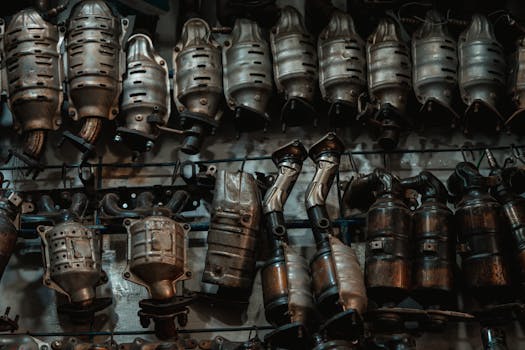 Photo: Tahamie Farooqui / Pexels
 Photo: Tahamie Farooqui / Pexels