✓ A catalytic converter is a device in the exhaust system that reduces harmful pollutants from engine emissions.
✓ It converts toxic gases like carbon monoxide (CO), nitrogen oxides (NOx), and unburnt hydrocarbons (HC) into less harmful substances.
✓ Precious metals like platinum, palladium, and rhodium are key components, acting as catalysts for chemical reactions.
✓ Mandated in the US since 1975, catalytic converters have significantly improved air quality.
How It Works
1
Exhaust Gas Entry
Hot, toxic exhaust gases from the engine enter the catalytic converter through the inlet pipe. These gases contain pollutants such as carbon monoxide, unburnt hydrocarbons, and nitrogen oxides.
2
Two-Way Conversion (Reduction Catalyst)
The gases first pass through the reduction catalyst, typically coated with platinum and rhodium. Here, nitrogen oxides (NOx) are stripped of their oxygen atoms, converting them into harmless nitrogen gas (N2) and oxygen gas (O2).
3
Three-Way Conversion (Oxidation Catalyst)
Next, the gases move to the oxidation catalyst, usually coated with platinum and palladium. This section converts carbon monoxide (CO) into less harmful carbon dioxide (CO2) and unburnt hydrocarbons (HC) into carbon dioxide (CO2) and water (H2O).
4
Clean Gas Exit
After undergoing these chemical transformations, the now significantly less harmful gases exit the catalytic converter. They then continue through the rest of the exhaust system and are released into the atmosphere.
The Indispensable Role of a Catalytic Converter in Your Vehicle's Exhaust System
Photo: Engin Akyurt / Pexels
At its core, a catalytic converter is an exhaust emission control device that converts toxic byproducts of internal combustion into less toxic substances by catalyzing redox reactions. It’s a marvel of chemical engineering, nestled within your vehicle's exhaust system, typically positioned between the engine and the muffler. Its primary mission is to protect the air we breathe from the harmful pollutants generated by gasoline and diesel engines. Without this crucial component, every vehicle would be a far greater source of environmental damage, contributing significantly to smog, acid rain, and respiratory issues.
The invention of the catalytic converter dates back to the mid-20th century, with significant adoption in the United States beginning in 1975, largely in response to the Clean Air Act. Before its widespread implementation, vehicle emissions were a major cause of air pollution in urban areas, leading to visible smog and serious public health concerns. The introduction of this device marked a pivotal moment in automotive history, fundamentally changing how vehicles interact with the environment. It enabled the automotive industry to meet increasingly stringent emission regulations while still delivering powerful and efficient engines. Its design is intricate, featuring a ceramic or metallic honeycomb structure coated with precious metals such as platinum, palladium, and rhodium. These metals are not consumed in the chemical reactions; instead, they act as catalysts, accelerating the conversion of harmful gases without being altered themselves. This ingenious design maximizes the surface area exposed to exhaust gases, ensuring efficient pollutant conversion. Understanding its function is not just about appreciating automotive technology, but also about recognizing our collective efforts towards a cleaner planet. To learn more about how your car manages emissions, consider exploring resources on automotive exhaust systems.
The types of pollutants it targets are primarily carbon monoxide (CO), nitrogen oxides (NOx), and unburnt hydrocarbons (HC). Carbon monoxide is a colorless, odorless, and highly toxic gas that can be fatal if inhaled in sufficient quantities. Nitrogen oxides contribute to smog and acid rain, and can cause respiratory problems. Unburnt hydrocarbons are also contributors to smog and are known carcinogens. The catalytic converter transforms these dangerous compounds into much less harmful substances: carbon dioxide (CO2), nitrogen (N2), and water vapor (H2O). While CO2 is a greenhouse gas, it is significantly less toxic than CO. Nitrogen and water vapor are naturally occurring components of the atmosphere. This transformation process is complex, involving both reduction and oxidation reactions, which we will delve into in further detail. The efficiency of this conversion is remarkable, often exceeding 90-95% when the converter is operating correctly. This high efficiency is why it remains an essential and legally mandated component in virtually all modern internal combustion engine vehicles globally.
The Science Behind the Clean: How Catalytic Converters Work
Photo: Mike Bird / Pexels
The intricate dance of chemical reactions within a catalytic converter is a testament to sophisticated engineering. The device typically employs two distinct types of catalysts: a reduction catalyst and an oxidation catalyst, often integrated into a single 'three-way' converter. The term 'three-way' refers to its ability to simultaneously reduce three main pollutants: nitrogen oxides, unburnt hydrocarbons, and carbon monoxide. As hot exhaust gases from the engine enter the converter, they first encounter the reduction catalyst, usually coated with platinum and rhodium. Here, the nitrogen oxides (NOx) are targeted. The rhodium, in particular, facilitates the removal of oxygen from the NOx molecules, converting them into harmless nitrogen gas (N2) and oxygen gas (O2). This is a critical step because NOx gases are major contributors to smog and acid rain.
Following the reduction phase, the gases move into the oxidation catalyst section, which is typically coated with platinum and palladium. In this stage, carbon monoxide (CO) and unburnt hydrocarbons (HC) are addressed. Platinum and palladium are highly effective in promoting oxidation reactions. Carbon monoxide is oxidized into carbon dioxide (CO2), a much less toxic gas. Similarly, unburnt hydrocarbons, which are essentially fuel molecules that didn't burn completely in the engine, are oxidized into carbon dioxide (CO2) and water vapor (H2O). The efficiency of these reactions is heavily dependent on the operating temperature of the catalytic converter, which typically needs to be between 400°C (750°F) and 800°C (1472°F) to function optimally. This is why it's usually placed relatively close to the engine, allowing it to heat up quickly.
The internal structure of the catalytic converter plays a vital role in its performance. It's not just a simple chamber; rather, it features a ceramic honeycomb or metallic foil monolith structure. This intricate design provides a massive surface area within a relatively compact space. This increased surface area allows maximum contact between the exhaust gases and the precious metal coatings, thus maximizing the efficiency of the catalytic reactions. The precious metals (platinum, palladium, rhodium) are applied in very thin layers, often measured in microns, to these surfaces. Despite the minuscule quantities, their catalytic properties are incredibly potent. The entire process is monitored by oxygen sensors located before and after the converter, which feed data to the vehicle's engine control unit (ECU). This feedback loop ensures that the air-fuel mixture supplied to the engine is precisely controlled, maintaining the optimal conditions for the catalytic converter to operate at peak efficiency. Understanding the precise workings of these components helps explain why a properly functioning catalytic converter is so crucial for both vehicle performance and environmental protection.
Maintaining Your Catalytic Converter: Longevity and Common Issues
Photo: Tahamie Farooqui / Pexels
While designed for durability, catalytic converters are not immune to issues. Their longevity typically mirrors that of the vehicle itself, often lasting 100,000 miles or more under ideal conditions. However, various factors can lead to premature failure, leading to costly repairs and increased emissions. One of the most common causes of catalytic converter failure is contamination. If your engine is burning oil or coolant due to underlying issues, these substances can reach the converter and coat the precious metal catalysts, rendering them ineffective. Similarly, excessive unburnt fuel entering the converter, often due to misfires or a rich fuel mixture, can cause the converter to overheat and melt its internal honeycomb structure. This melting creates blockages, restricting exhaust flow and severely impacting engine performance.
Another significant threat to catalytic converters is physical damage. Given their placement underneath the vehicle, they are susceptible to impacts from road debris or speed bumps, which can crack the ceramic substrate. While less common, some converters can also fail due to age, as the precious metal coatings can degrade over very long periods, reducing their catalytic efficiency. A common symptom of a failing catalytic converter is a noticeable decrease in engine performance, such as reduced acceleration or a struggling engine, especially when going uphill. You might also notice a rotten egg smell, which is hydrogen sulfide gas passing through unconverted. The most definitive sign is often the illumination of the check engine light on your dashboard, triggered by oxygen sensors detecting inefficient conversion. If you experience any of these symptoms, it's crucial to have your vehicle inspected by a qualified mechanic promptly. Ignoring these signs can not only exacerbate the problem but also lead to your vehicle failing emissions tests.
Preventative maintenance is key to extending the life of your catalytic converter. Regular engine tune-ups, ensuring your spark plugs are in good condition, and addressing any engine misfires immediately are paramount. Using the correct type of fuel and avoiding leaded gasoline (which is now largely phased out but was historically a major cause of converter damage) are also crucial. Keeping your engine running efficiently helps prevent excess unburnt fuel or contaminants from reaching the converter. Furthermore, regular oil changes and addressing any oil or coolant leaks prevent these fluids from entering the exhaust system. For those interested in understanding the broader context of vehicle maintenance, exploring resources on general automotive maintenance tips can provide valuable insights. A well-maintained engine directly translates to a healthy catalytic converter, ensuring your vehicle remains environmentally compliant and performs optimally for years to come.
Recognizing a Faulty Catalytic Converter and Its Environmental Impact
Identifying a faulty catalytic converter is critical not just for your vehicle's performance, but more importantly, for minimizing its environmental footprint. A failing converter can manifest several tell-tale signs. One of the most common is a noticeable decrease in engine power and acceleration. If your car feels sluggish, particularly when accelerating or driving uphill, it could be struggling to push exhaust gases through a restricted or clogged converter. Another frequent symptom is a strong, foul odor, often described as rotten eggs. This smell is caused by the converter's inability to process hydrogen sulfide in the exhaust, allowing it to pass through and into the atmosphere. You might also hear rattling noises coming from underneath your vehicle, especially when starting or accelerating. This sound indicates that the internal honeycomb structure has broken apart, and pieces are rattling around inside the converter housing.
The most definitive indicator, however, is the illumination of your check engine light. Modern vehicles are equipped with oxygen sensors before and after the catalytic converter. These sensors continuously monitor the oxygen levels in the exhaust gas. If the post-converter sensor detects oxygen levels that are too similar to the pre-converter sensor, it signals to the engine control unit (ECU) that the converter is not efficiently converting pollutants. The ECU then triggers the check engine light, often accompanied by a specific diagnostic trouble code (DTC) related to catalyst efficiency (e.g., P0420 or P0430). Ignoring this warning light can lead to more severe engine problems down the line, as well as failing mandated emissions tests.
The environmental impact of a faulty catalytic converter is significant. Without a properly functioning converter, your vehicle will emit substantially higher levels of toxic gases: carbon monoxide, nitrogen oxides, and unburnt hydrocarbons. These pollutants contribute directly to urban smog, respiratory illnesses, acid rain, and even global warming. For example, nitrogen oxides contribute to the formation of ground-level ozone, a primary component of smog, which can severely impact air quality and human health. Unburnt hydrocarbons are volatile organic compounds (VOCs) that are known carcinogens and also contribute to smog formation. Therefore, replacing or repairing a faulty catalytic converter isn't just about passing an inspection or improving your car's performance; it's a direct contribution to cleaner air and a healthier environment for everyone. Prompt attention to these issues is not only fiscally responsible but also environmentally conscious. Always consult with a certified technician for diagnosis and repair to ensure your vehicle is compliant and performs optimally.
Comparison
Feature
Optimal Converter
Damaged Converter
No Converter
Emissions Reduction
90-95%+
Significantly reduced
0%
Engine Performance
Excellent
Poor/Restricted
Good (but illegal)
Fuel Efficiency
Optimal
Reduced
Potentially slightly better (but illegal)
Check Engine Light
Off
On (P0420/P0430)
May be on (O2 sensor issues)
Legality
✓
✗ (in most regions)
✗
Environmental Impact
Minimal pollutants
High pollutants
Very high pollutants
What Readers Say
★★★★★
"My check engine light was on and the car felt sluggish. After learning what is a catalytic converter and getting mine replaced, the difference is night and day. No more rotten egg smell either!"
Sarah J. · Austin, TX
★★★★★
"I always wondered about that part of my exhaust. This article really clarified what is a catalytic converter and why it's so important for emissions. Makes me appreciate modern car tech more."
Mark D. · Seattle, WA
★★★★★
"My mechanic told me my converter was failing, and this explanation helped me understand the problem without feeling overwhelmed. It definitely saved me from a failed emissions test."
Emily R. · Denver, CO
★★★★★
"Good breakdown of the science. While it's a complex topic, the way what is a catalytic converter was explained made it understandable. Just wish it had a bit more on diesel converters."
David L. · Miami, FL
★★★★★
"As someone who cares about the environment, understanding what is a catalytic converter's role in reducing pollution is empowering. It's great to know my car is doing its part."
Jessica M. · Chicago, IL
Frequently Asked Questions
What is the primary purpose of a catalytic converter?
The primary purpose of a catalytic converter is to reduce the amount of harmful pollutants emitted from a vehicle's exhaust. It achieves this by converting toxic gases like carbon monoxide, nitrogen oxides, and unburnt hydrocarbons into less harmful substances such as carbon dioxide, nitrogen, and water vapor through chemical reactions.
Are catalytic converters legally required on all vehicles?
In the United States and many other countries, catalytic converters have been legally required on all gasoline-powered vehicles manufactured after 1975. This mandate was a key measure to combat air pollution and ensure vehicles meet strict emission standards. Removing or tampering with a catalytic converter is illegal and can result in significant fines.
How can I tell if my catalytic converter is going bad?
Common signs of a failing catalytic converter include a noticeable decrease in engine performance (sluggish acceleration), a strong rotten egg smell from the exhaust, rattling noises from underneath the vehicle, and most commonly, the illumination of the 'check engine' light on your dashboard, often with specific diagnostic trouble codes related to catalyst efficiency.
How much does it cost to replace a catalytic converter?
The cost to replace a catalytic converter can vary significantly based on your vehicle's make and model, the type of converter needed (OEM vs. aftermarket), and labor costs. Prices typically range from $500 to $2,500, or even higher for some luxury or high-performance vehicles. This is due to the precious metals contained within the device.
Is there an alternative to a catalytic converter for emissions control?
For most conventional gasoline vehicles, there is no legal or widely accepted alternative to a catalytic converter for emissions control that meets modern standards. While some aftermarket 'test pipes' exist, they are illegal for street use. Electric vehicles, of course, produce zero tailpipe emissions and thus do not require catalytic converters, representing a different approach to emission reduction.
Who should be concerned about their catalytic converter?
Every vehicle owner should be concerned about their catalytic converter. It's a critical component for both environmental compliance and vehicle performance. Owners of older vehicles or those experiencing any of the symptoms of a failing converter should be particularly vigilant, as a malfunctioning unit can lead to failed emissions tests and increased pollution.
Is it dangerous to drive with a bad catalytic converter?
Yes, driving with a bad catalytic converter can be dangerous. A clogged converter can restrict exhaust flow, leading to excessive back pressure that can damage the engine. It also significantly increases the emission of toxic gases, which is harmful to the environment and potentially to occupants if fumes enter the cabin. Additionally, an overheating converter can pose a fire risk.
What are the future trends for catalytic converter technology?
Future trends for catalytic converter technology focus on increasing efficiency, reducing the reliance on expensive precious metals, and developing converters that operate effectively at lower temperatures (for hybrid vehicles or stop-start systems). Research is also ongoing into alternative catalyst materials and improved substrate designs to further enhance their performance and durability.
Understanding what is a catalytic converter is key to responsible vehicle ownership and environmental stewardship. By recognizing its importance and knowing the signs of a problem, you can ensure your vehicle runs cleanly and efficiently, contributing to healthier air for everyone. Don't underestimate this small but mighty guardian of our atmosphere.
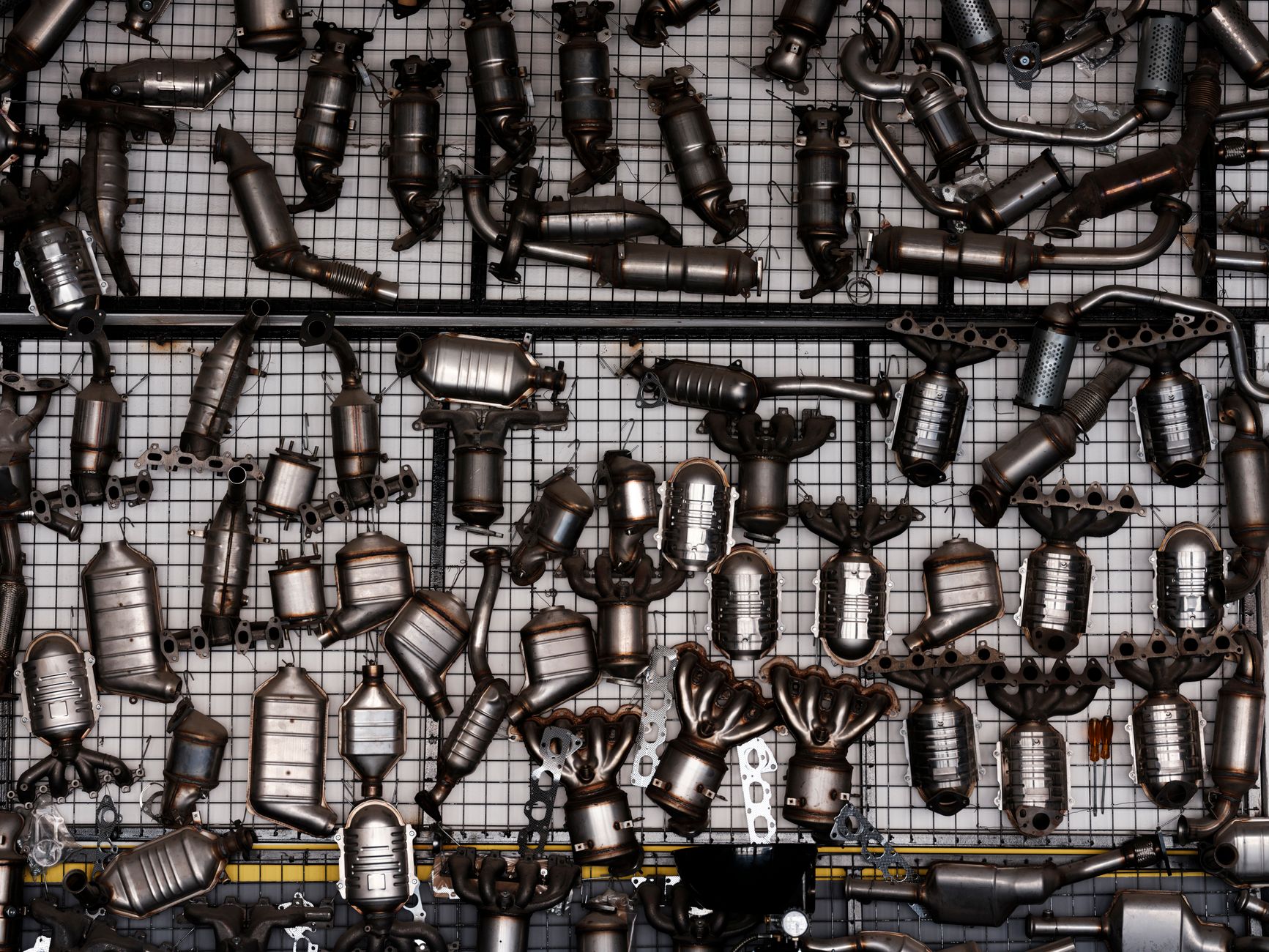
 Photo: Engin Akyurt / Pexels
 Photo: Mike Bird / Pexels
 Photo: Tahamie Farooqui / Pexels