
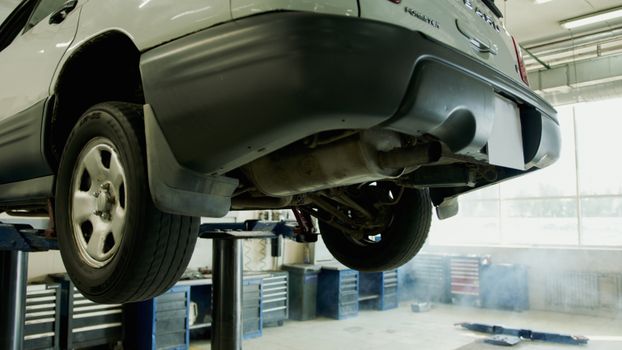
 Photo: Artem Podrez / Pexels
What is a Catalytic Converter? Your Car's Unsung Hero
Uncover the essential device that transforms toxic exhaust into safer gases, protecting our air and enhancing your vehicle's performance.
Learn More NowKey Takeaways
- ✓ A catalytic converter significantly reduces harmful pollutants from vehicle exhaust.
- ✓ It uses precious metals like platinum, palladium, and rhodium as catalysts.
- ✓ Required by law in most countries to meet emission standards.
- ✓ Malfunctions can lead to reduced fuel efficiency and engine damage.
How It Works
Hot exhaust gases from the engine enter the catalytic converter through the inlet pipe. These gases contain harmful pollutants like carbon monoxide, hydrocarbons, and nitrogen oxides.
The gases first encounter a reduction catalyst, typically rhodium or platinum, in the first chamber. This catalyst separates nitrogen oxides into nitrogen and oxygen, which are harmless.
Next, the gases move to the oxidation catalyst, usually platinum and palladium, in the second chamber. Here, carbon monoxide is converted into carbon dioxide, and unburnt hydrocarbons become carbon dioxide and water.
After passing through both catalytic stages, the now significantly less harmful gases exit the converter through the exhaust pipe. These treated gases are then released into the atmosphere.
Understanding the Vital Role of Your Catalytic Converter in Emission Control
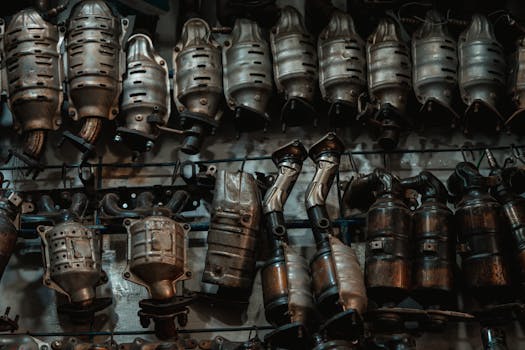 Photo: Tahamie Farooqui / Pexels
The Science Behind the Clean: How Catalytic Converters Transform Pollutants
Photo: Tahamie Farooqui / PexelsCommon Issues and Warning Signs of a Failing Catalytic Converter
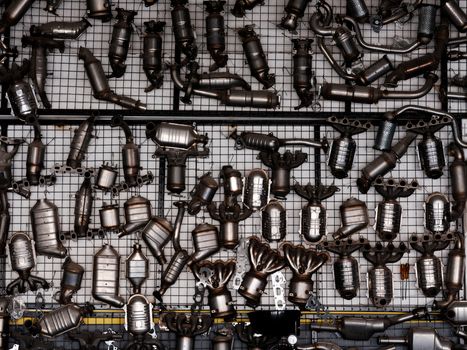 Photo: Engin Akyurt / Pexels
Maintaining Your Catalytic Converter: Tips and Common Mistakes to Avoid
Comparison
| Feature | OEM Catalytic Converter | Aftermarket Catalytic Converter | Performance Catalytic Converter |
|---|---|---|---|
| Emissions Reduction | Excellent (Meets or exceeds OEM standards) | Good (Meets EPA/CARB standards) | Excellent (Optimized for flow, may meet standards) |
| Durability | Very High | Moderate to High | High |
| Cost | Highest | Moderate | High |
| Fitment | Perfect OEM fit | Generally good, may require minor adjustments | Specific to performance applications |
| Warranty | Often longest | Varies, typically shorter than OEM | Varies, often shorter |
| Precious Metal Content | Highest | Lower than OEM | Optimized for performance, good content |
| Legal Compliance (US) | ✓ (Always) | ✓ (If EPA/CARB compliant) | ✓ (If EPA/CARB compliant) |
What Our Readers Say
"My 'Check Engine' light was on for weeks, and my car felt sluggish. After learning what is a catalytic converter and getting a replacement, my car runs like new, and the light is finally off. So relieved!"
Sarah J. Austin, TX"I noticed a terrible rotten egg smell coming from my exhaust. This article helped me understand it was likely my catalytic converter. Got it replaced, and the smell is completely gone. Great information!"
Mark D. Seattle, WA"My mechanic explained how a catalytic converter works after my car failed emissions. This article reinforced everything he said and helped me feel more informed about my repair. My car passed inspection after the replacement!"
Emily R. Denver, CO"I appreciate the detailed explanation of what is a catalytic converter and its environmental impact. While the replacement cost was high, knowing its importance makes it a worthwhile investment for cleaner air."
David L. Miami, FL"As someone who cares about reducing my carbon footprint, understanding what a catalytic converter does made me realize its critical role. This article was incredibly informative and well-written, confirming my commitment to maintaining my vehicle."
Jessica M. Chicago, ILFrequently Asked Questions
What is the primary function of a catalytic converter?
Is it illegal to drive without a catalytic converter?
How do I know if my catalytic converter is going bad?
How much does it cost to replace a catalytic converter?
Are there alternatives to catalytic converters for emission control?
Who should be concerned about their catalytic converter?
Can a bad catalytic converter damage my engine?
What are future trends for catalytic converter technology?
Understanding what is a catalytic converter is key to maintaining a healthy vehicle and contributing to a cleaner environment. By recognizing its importance and knowing the signs of potential failure, you can ensure your car runs efficiently while doing its part for the planet. Stay informed, stay safe, and drive clean.