OEM vs Aftermarket Auto Parts Explained: Your Ultimate Guide
August 17, 2026 15 min read 3,027 words
Unravel the complexities of auto parts to choose wisely for your vehicle's longevity and your budget.
Understand Your Options Now
Understanding OEM Auto Parts: Precision and Peace of Mind
 Photo: Yetkin Ağaç / Pexels
When it comes to maintaining your vehicle, the choice of parts can have significant implications for its performance, longevity, and even resale value. The debate between OEM (Original Equipment Manufacturer) and aftermarket parts is a perennial one for car owners, mechanics, and enthusiasts alike. Let's start by delving into what OEM parts truly represent. OEM parts are components that are identical to the parts originally installed in your vehicle during its assembly at the factory. They are manufactured by the same company that produced the original parts for your car's manufacturer, or by the car manufacturer itself. This means that an OEM part for a Honda Civic, for example, would be made by Honda or one of its approved suppliers to Honda's exact specifications and quality standards.
The primary advantage of choosing OEM parts lies in their guaranteed fit, function, and quality. Because they are the exact same parts used in the vehicle's initial construction, there's no guesswork involved. You can be confident that an OEM part will fit perfectly, perform precisely as intended, and integrate seamlessly with other vehicle systems. This eliminates concerns about compatibility issues, modifications, or potential performance degradation that can sometimes arise with non-OEM components. For many car owners, this peace of mind is invaluable, especially for critical components like engine parts, transmission components, or safety systems.
Another significant benefit of OEM parts is the warranty. Most car manufacturers offer a warranty on their OEM parts, often for a specific period or mileage. This warranty provides an added layer of protection, ensuring that if the part fails prematurely due to a manufacturing defect, it will be replaced at no additional cost. This can be a crucial factor for expensive repairs, as it mitigates the financial risk associated with part failure. Furthermore, using OEM parts can sometimes be a requirement for maintaining your vehicle's original warranty, particularly during its early years. While regulations like the Magnuson-Moss Warranty Act protect consumers from being forced to use OEM parts for routine maintenance, major repairs or modifications with non-OEM parts could, in some cases, be argued to void certain aspects of the manufacturer's warranty. Always check your vehicle's warranty terms to be sure.
For those who prioritize originality and maintaining their vehicle's factory specifications, OEM parts are the undisputed choice. This is particularly relevant for classic car owners, collectors, or anyone keen on preserving the integrity of their vehicle's design and engineering. Resale value can also be a consideration; a vehicle with a documented history of OEM part replacements might be perceived as having been better maintained, potentially commanding a higher price. While OEM parts generally come with a higher price tag compared to their aftermarket counterparts, the assurance of quality, perfect fit, and manufacturer backing often justifies the investment for many drivers. They represent a direct continuation of the vehicle's original design and engineering intent, ensuring that your car continues to operate as the manufacturer intended. Understanding the full scope of
auto parts options is crucial before making a decision.
Navigating Aftermarket Auto Parts: Value and Variety
 Photo: Artem Podrez / Pexels
In stark contrast to OEM parts, aftermarket auto parts are manufactured by companies other than the original car maker or its direct suppliers. This vast and diverse market offers a plethora of options for virtually every car part imaginable, ranging from simple air filters and brake pads to complex engine components and body panels. The aftermarket industry is driven by innovation, competition, and the desire to provide consumers with alternatives that often prioritize affordability and sometimes even enhanced performance.
The most compelling advantage of aftermarket parts is typically their price. Because aftermarket manufacturers don't bear the same research, development, and branding costs as car manufacturers, they can often produce and sell parts at a significantly lower cost. This can translate into substantial savings for consumers, especially for common repairs or for older vehicles where the cost of OEM parts might outweigh the vehicle's remaining value. The price difference can be a deciding factor for budget-conscious owners or for those undertaking extensive repairs.
Beyond price, the aftermarket offers an unparalleled variety. Unlike OEM, where you typically have one choice for a specific part (the one from the manufacturer), the aftermarket can present dozens of options. This variety extends to different quality levels, materials, and even performance enhancements. For instance, you might find aftermarket brake pads designed for heavy-duty towing, performance-oriented shocks for improved handling, or aesthetic accessories to customize your vehicle. This allows car owners to tailor their repairs or upgrades to their specific needs, driving style, and budget, offering a level of flexibility that OEM parts simply cannot match.
However, this variety also brings challenges. The quality of aftermarket parts can vary dramatically. While many reputable aftermarket brands produce parts that meet or even exceed OEM specifications, there are also lower-quality options that may not last as long, fit as well, or perform as effectively. This necessitates careful research and an understanding of different brands and their reputations. Relying on trusted suppliers, reading reviews, and consulting with experienced mechanics can help navigate this landscape and avoid subpar products.
Installation can also be a point of consideration. While many aftermarket parts are designed for direct fitment, some might require minor modifications or present slight differences in tolerances compared to OEM parts. This can sometimes lead to longer installation times or require more specialized knowledge from the installer. Warranties for aftermarket parts also vary widely; some reputable brands offer competitive warranties, while others may offer limited or no coverage. It's crucial to understand the warranty terms before purchasing. Ultimately, aftermarket parts empower consumers with choice and cost savings, but they demand a more informed approach to ensure quality and compatibility. They are an excellent option for those willing to do their homework and prioritize value.
Making the Right Choice: Factors to Consider for Your Vehicle
Photo: Artem Podrez / Pexels
Deciding between OEM and aftermarket auto parts isn't a one-size-fits-all situation; it's a nuanced decision that depends on several critical factors related to your vehicle, your budget, and your priorities. Understanding these factors will empower you to make an informed choice that best suits your individual circumstances.
**1. Type of Part and Its Criticality:** Not all parts are created equal in terms of their impact on your vehicle's safety and performance. For critical components like brake system parts (calipers, master cylinder), steering components, airbags, or engine internals, OEM parts often provide the highest assurance of reliability and safety. These parts are integral to the vehicle's core function and passenger safety, where an exact fit and proven performance are paramount. For less critical components, such as exterior trim pieces, windshield wiper blades, or non-essential interior parts, aftermarket options can be a perfectly viable and cost-effective choice.
**2. Your Budget and Cost Savings:** This is often the most significant driver of the decision. Aftermarket parts almost universally offer a lower price point than OEM parts. If you're working with a tight budget or if the vehicle's value doesn't justify the higher cost of OEM parts (e.g., an older car nearing the end of its life cycle), aftermarket options can provide substantial savings. However, always consider the potential long-term cost: a cheaper aftermarket part that fails prematurely might end up costing more in repeated repairs and labor.
**3. Vehicle Age and Warranty Status:** For newer vehicles still under manufacturer warranty, using OEM parts for repairs might be crucial to maintain the validity of that warranty. While the Magnuson-Moss Warranty Act generally prevents manufacturers from voiding warranties for using aftermarket parts, they can deny claims if they can prove the aftermarket part caused the failure. For older vehicles, where the manufacturer's warranty has long expired, this concern is largely moot, opening up more flexibility for aftermarket choices.
**4. Quality and Brand Reputation:** This is where careful research becomes essential for aftermarket parts. There are many highly reputable aftermarket manufacturers that produce parts of equivalent or even superior quality to OEM. Brands like Bosch, Denso, and Monroe, for example, often supply parts to car manufacturers (making them OEM suppliers for specific components) and also sell those same or similar parts under their own brand in the aftermarket. Conversely, there are lesser-known brands that may compromise on materials or manufacturing processes. Always look for established brands with positive reviews and industry certifications.
**5. Availability and Urgency:** Sometimes, an OEM part might be on backorder, causing significant delays. In such urgent situations, a readily available aftermarket part might be the only practical solution to get your vehicle back on the road quickly. Conversely, for very new or specialized vehicles, aftermarket options might be limited, making OEM the only choice.
**6. Performance Goals:** If you're looking to enhance your vehicle's performance beyond factory specifications (e.g., upgraded suspension, better braking, or engine tuning), the aftermarket is where you'll find a vast array of specialized performance parts. OEM parts are designed for standard operation, while aftermarket specialists cater to specific performance niches.
By carefully weighing these factors, you can navigate the OEM vs aftermarket auto parts explained dilemma with confidence, ensuring you select the best components for your specific needs and vehicle. Remember, a trusted mechanic can also provide invaluable advice based on their experience with various brands and part types. For more insights on choosing the right components, explore our guide on
finding quality auto parts.
Common Mistakes and Smart Strategies in Auto Parts Selection
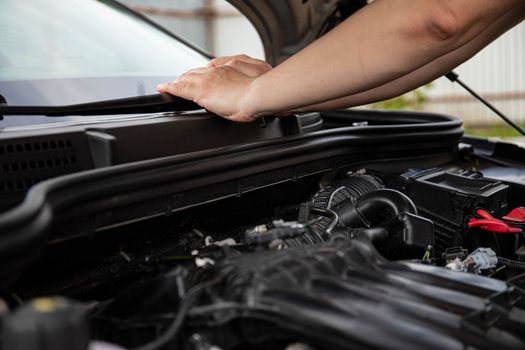 Photo: Sergey Meshkov / Pexels
Choosing between OEM and aftermarket parts can be fraught with potential pitfalls if not approached strategically. Avoiding common mistakes and employing smart strategies can save you money, time, and headaches in the long run.
**Common Mistakes to Avoid:**
* **Prioritizing Price Above All Else:** While cost is a major factor, opting for the absolute cheapest aftermarket part without investigating its quality or brand can lead to premature failure, repeated repairs, and ultimately, higher costs. A 'bargain' part that lasts only a quarter as long as an OEM equivalent isn't a bargain at all.
* **Ignoring Warranty Information:** Failing to understand the warranty coverage for both OEM and aftermarket parts can leave you unprotected if a part fails. Some aftermarket warranties are excellent, others are non-existent. Always clarify.
* **Assuming All Aftermarket Parts Are Equal:** The aftermarket is a vast landscape. Don't assume that because one aftermarket brand is good, all are. Quality varies wildly, from parts that meet or exceed OEM standards to those that are poorly made.
* **Not Consulting a Trusted Mechanic:** Your mechanic has hands-on experience with countless parts and brands. They can offer invaluable insights into which aftermarket brands perform well for specific applications and which to avoid.
* **Overlooking Installation Complexity:** Some aftermarket parts, while cheaper, might be harder to install or require modifications. This can increase labor costs, negating any initial savings.
* **Neglecting Vehicle-Specific Needs:** A high-performance aftermarket brake kit might be great for a sports car, but overkill and potentially ill-suited for a family sedan, where quiet operation and longevity are prioritized.
**Smart Strategies for Informed Decisions:**
* **Research Reputable Aftermarket Brands:** For common wear items like brake pads, filters, or spark plugs, many aftermarket brands offer excellent quality at a lower price. Look for names like Bosch, Mann, Mahle, NGK, or Monroe, which often supply parts to car manufacturers directly.
* **Read Reviews and Forums:** Online forums and product reviews from other car owners can provide real-world insights into the performance and longevity of specific aftermarket parts.
* **Compare Warranties Carefully:** Don't just look at the price; compare the warranty periods and terms. A longer, more comprehensive warranty can provide significant peace of mind.
* **Consider Certified Aftermarket Parts:** Some aftermarket parts are certified to meet specific industry standards (e.g., CAPA certified for collision repair parts). These certifications offer an extra layer of assurance regarding quality and fit.
* **Balance Cost with Criticality:** For non-critical components, feel more comfortable exploring cost-effective aftermarket options. For essential safety and performance parts, lean towards OEM or premium aftermarket brands known for reliability.
* **Ask for 'OEM Equivalent' or 'OE Supplier' Aftermarket Parts:** Many aftermarket companies are actually original equipment (OE) suppliers to car manufacturers, meaning they make the exact same part as OEM, but sell it under their own brand name at a lower cost.
* **Factor in Labor Costs:** Get quotes for both the part and the installation. A cheaper part with more complex installation might end up costing more overall.
By adopting these strategies, you can navigate the complex world of auto parts with confidence, ensuring you get the best value, quality, and performance for your vehicle, whether you choose OEM or aftermarket.