DIY: How to Replace Car Battery Safely & Easily
August 18, 2026 15 min read 3,034 words
Empower yourself to change your car battery with confidence, saving time and money with this expert guide.
Start Your Repair
Understanding Your Car Battery: When and Why to Replace It
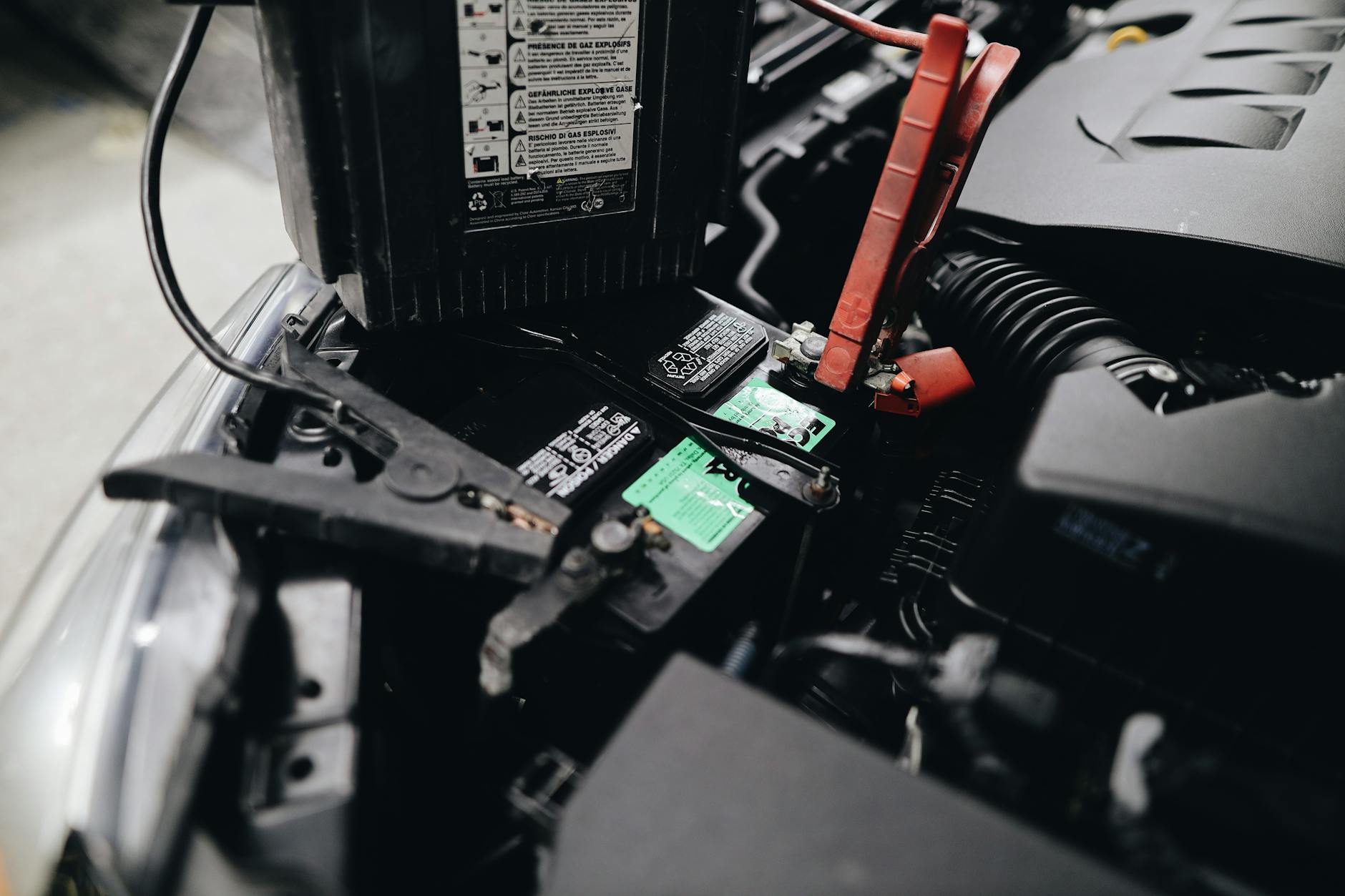
 Photo: Tom Fisk / Pexels
Your car battery is a vital component, acting as the heart of your vehicle's electrical system. It provides the initial surge of electricity needed to start the engine and powers various electronic accessories when the engine is off. Over time, all car batteries degrade due to continuous charge and discharge cycles, extreme temperatures, and internal chemical reactions. Recognizing the signs of a failing battery is the first step in knowing when it's time for a replacement, potentially saving you from being stranded. Common indicators include slow engine cranking, dimming headlights when the engine is off, the check engine light illuminating, or a visible corroded battery terminal. If your vehicle struggles to start, especially on cold mornings, or if your battery is more than 3-5 years old, it's likely nearing the end of its lifespan. Proactive replacement is always better than reactive, as a dead battery can occur unexpectedly. Many auto parts stores offer free battery testing, which can give you a clear picture of your battery's health. Understanding the 'why' behind battery failure helps in choosing the right replacement and extending its life. Factors like frequent short trips, which don't allow the battery to fully recharge, or leaving lights on can accelerate wear. The type of battery also plays a role; traditional lead-acid batteries have a different lifespan and maintenance requirement compared to newer AGM (Absorbed Glass Mat) or EFB (Enhanced Flooded Battery) types, often found in vehicles with start-stop technology. Before embarking on the replacement process, identify the correct battery type and size for your specific vehicle. This information is usually found in your owner's manual or by cross-referencing your car's make, model, and year at an auto parts store. Using the wrong battery can lead to performance issues or even damage your vehicle's electrical system. Furthermore, consider the Cold Cranking Amps (CCA) rating, which indicates the battery's ability to start an engine in cold temperatures, and the Reserve Capacity (RC), which measures how long the battery can power essential accessories if the alternator fails. Choosing a battery that meets or exceeds your vehicle’s manufacturer specifications is crucial for optimal performance and longevity. A well-maintained battery ensures reliable starts and smooth operation of your vehicle's electrical components. Don't wait until you're stranded; learn the signs, understand the types, and be prepared to replace your battery when the time comes. For more insights into essential car maintenance, check out our guide on
understanding car fluids.
Essential Tools and Safety Precautions for Battery Replacement
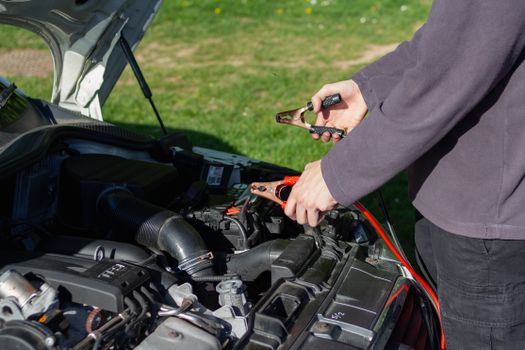 Photo: Daniel @ bestjumpstarterreview.com / Pexels
Before you even think about touching your car battery, gathering the right tools and understanding crucial safety precautions is paramount. Working with car batteries involves handling corrosive acid and potentially dangerous electrical currents, so preparation is key to a safe and successful replacement. First, let's talk about tools. You'll need a wrench or a socket set, specifically one with the correct size for your battery terminals (usually 10mm or 13mm) and the hold-down clamp. A battery terminal cleaner, often a wire brush designed for this purpose, is essential for removing corrosion from the cables. A battery terminal puller can be helpful if the terminals are stuck. You'll also want a wire brush for cleaning the battery tray and surrounding area. For safety, a pair of heavy-duty work gloves and eye protection (safety glasses or goggles) are non-negotiable. Battery acid can cause severe burns, and sparks from electrical shorts can injure your eyes. A battery terminal protector spray or grease can be applied after installation to prevent future corrosion. Some people also recommend a memory saver tool, which plugs into your car's OBD-II port or cigarette lighter and provides continuous power to the vehicle's computer while the battery is disconnected. This prevents the loss of radio presets, clock settings, and engine computer memory, which can sometimes lead to driveability issues or require a trip to the dealership for reprogramming. While not strictly necessary for all vehicles, it's a worthwhile consideration, especially for newer, more complex cars. Now, for the safety precautions. Always work in a well-ventilated area to avoid inhaling hydrogen gas, which batteries can emit and is highly flammable. Ensure your car is turned off, the ignition key is removed, and the parking brake is engaged. Avoid wearing metal jewelry like rings, watches, or bracelets, as these can accidentally short-circuit the battery and cause severe burns. Never smoke or use open flames near the battery. If you notice any cracks, leaks, or significant bulging on your old battery, handle it with extreme care, as it could be compromised. Keep a box of baking soda and water mixture nearby; this can neutralize battery acid spills if they occur. Familiarize yourself with your car's owner's manual, as some vehicles have specific instructions or considerations for battery replacement, such as specific grounding points or special reset procedures. By taking these precautions and having the right equipment, you create a safe environment for your DIY battery replacement, minimizing risks and ensuring a smooth process from start to finish.
Step-by-Step Guide: How to Replace Car Battery with Confidence
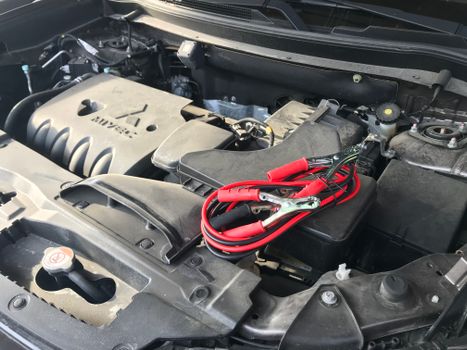 Photo: Max / Pexels
Replacing your car battery can seem daunting, but by following these detailed steps, you’ll tackle the task with confidence and ensure a safe installation. Let’s begin the process of how to replace car battery. First, park your car on a level surface, engage the parking brake, and turn off the engine. Remove the key from the ignition to prevent accidental activation of electrical systems. Locate your battery, usually under the hood, but sometimes in the trunk or even under the rear seat. Once located, visually inspect the battery and terminals for any signs of severe corrosion, cracks, or leaks.
**Step 1: Disconnect the Negative Terminal.** This is perhaps the most critical safety step. Using your wrench, loosen the nut on the negative (-) terminal clamp. The negative terminal is almost always black and often marked with a minus sign. Once loose, carefully twist and pull the negative cable off the battery post. Ensure the cable does not touch any metal parts of the car or the positive terminal once disconnected. You can secure it away from the battery with a bungee cord or by tucking it into a safe spot. This prevents accidental short-circuiting.
**Step 2: Disconnect the Positive Terminal.** Next, locate the positive (+) terminal, which is usually red and marked with a plus sign. Loosen the nut on its clamp and remove the positive cable, taking care not to let it touch any metal surfaces. Again, secure it away from the battery.
**Step 3: Remove the Battery Hold-Down Clamp.** Batteries are typically secured by a clamp at the base or a strap over the top. Loosen or remove the bolts/nuts holding this clamp in place. This might require a different size wrench or socket. Once the clamp is loose, remove it entirely, if possible, to allow for easy battery removal.
**Step 4: Remove the Old Battery.** Car batteries are heavy! Use proper lifting techniques to avoid injury. Grasp the battery firmly by its handles (if present) or by the sides and carefully lift it straight out of the battery tray. Place the old battery on a stable surface, preferably a plastic tray or cardboard, to prevent any residual acid from damaging your garage floor.
**Step 5: Clean the Battery Tray and Cables.** Inspect the battery tray for corrosion, dirt, or debris. Use a wire brush and a solution of baking soda and water to clean any corrosion. Rinse with clean water and dry thoroughly. Clean the inside of the battery cable clamps with a battery terminal cleaner to ensure good electrical contact with the new battery. This step is crucial for optimal performance and longevity of your new battery. For more detailed cleaning tips, see our guide on
maintaining vehicle aesthetics.
**Step 6: Install the New Battery.** Carefully place the new battery into the cleaned battery tray, ensuring it sits flat and is oriented correctly (positive and negative terminals in the same position as the old one). Secure the battery firmly with the hold-down clamp you removed earlier. It should be snug but not overtightened, which could crack the battery casing.
**Step 7: Connect the Positive Terminal.** Now, reverse the disconnection process. Connect the positive (+) cable to the positive terminal of the new battery. Tighten the nut securely with your wrench. It should be tight enough that the cable cannot be wiggled by hand, but again, avoid overtightening.
**Step 8: Connect the Negative Terminal.** Finally, connect the negative (-) cable to the negative terminal. Tighten this nut securely. Double-check both terminals to ensure they are firmly attached and that the battery is secure in its tray. Apply battery terminal protector spray or grease to both terminals to prevent future corrosion.
**Step 9: Test and Dispose.** Start your car. If it cranks normally, you’ve successfully replaced your battery! Check that all electrical components (radio, lights, clock) are working. You may need to reset your radio presets or clock. Most importantly, properly dispose of your old battery. Auto parts stores, recycling centers, and often the place where you bought your new battery will accept old batteries for recycling, as they contain hazardous materials. Never throw a car battery in the regular trash. Following these steps ensures a safe, efficient, and successful car battery replacement.
Common Mistakes to Avoid and Battery Maintenance Tips
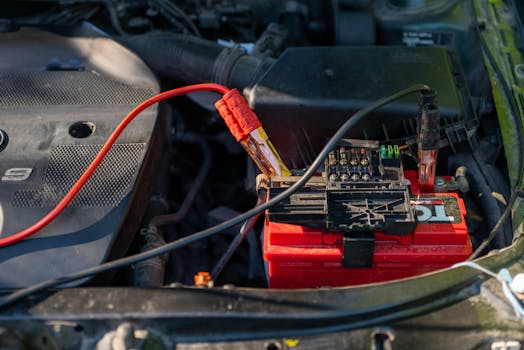 Photo: Vladimir Srajber / Pexels
Even with a detailed guide, it's easy to make small errors during battery replacement or neglect proper maintenance, leading to premature failure. Being aware of common pitfalls can save you time, money, and frustration. Here are some critical mistakes to avoid and essential tips for extending your new battery's life:
* **Incorrect Disconnection/Connection Order:** Always disconnect the negative terminal first and connect it last. Reversing this order can cause a short circuit, damage your vehicle's electrical system, or even result in severe injury from sparks. This is the golden rule of battery replacement.
* **Overtightening Terminals:** While terminals need to be snug, overtightening can strip the bolts or crack the battery casing, leading to poor connections or battery damage. Tighten until the cable clamps no longer wiggle, then stop.
* **Leaving Tools on the Battery:** Even momentarily placing a metal tool across the terminals can create a dangerous spark and short circuit. Always keep tools clear of the battery when not actively working on a terminal.
* **Ignoring Corrosion:** Failing to clean corrosion from the battery tray and cable clamps before installing a new battery is a common mistake. Corrosion hinders electrical flow, reduces battery performance, and can shorten its lifespan. Always clean these surfaces thoroughly.
* **Improper Battery Size/Type:** Installing a battery that doesn't meet your car's specifications (CCA, RC, physical size) can lead to poor performance, fitment issues, or even damage to your vehicle's charging system. Always consult your owner's manual or an auto parts professional.
* **Not Securing the Battery:** A loose battery can bounce around, causing internal damage and potentially shorting out if it comes into contact with metal components. Ensure the hold-down clamp is properly secured.
* **Neglecting Proper Disposal:** Disposing of old batteries in household trash is illegal and harmful to the environment due to lead and sulfuric acid content. Always take your old battery to an authorized recycling center or auto parts store.
Beyond avoiding these mistakes, practicing good battery maintenance will significantly extend the life of your new power source:
* **Regular Cleaning:** Periodically inspect your battery terminals for corrosion. Clean them with a wire brush and a baking soda/water solution as needed. A clean connection ensures maximum power transfer.
* **Check Fluid Levels (for serviceable batteries):** If your battery has removable caps, check the electrolyte levels every few months. If low, add distilled water (never tap water) to the marked level. Most modern batteries are sealed and maintenance-free, but it's good to know if yours isn't.
* **Keep it Charged:** Short trips prevent the alternator from fully recharging the battery. If you frequently make short drives or don't use your car often, consider using a trickle charger or battery maintainer to keep it topped off.
* **Insulate in Extreme Weather:** In extremely cold climates, a battery blanket can help maintain battery temperature and improve starting performance. In hot climates, ensuring good ventilation around the battery helps prevent overheating.
* **Limit Accessory Use with Engine Off:** Avoid using the radio, lights, or charging devices for extended periods when the engine isn't running. This drains the battery unnecessarily and can lead to a dead battery.
By being mindful of these common errors and adopting these simple maintenance habits, you can ensure your car battery provides reliable service for years to come.