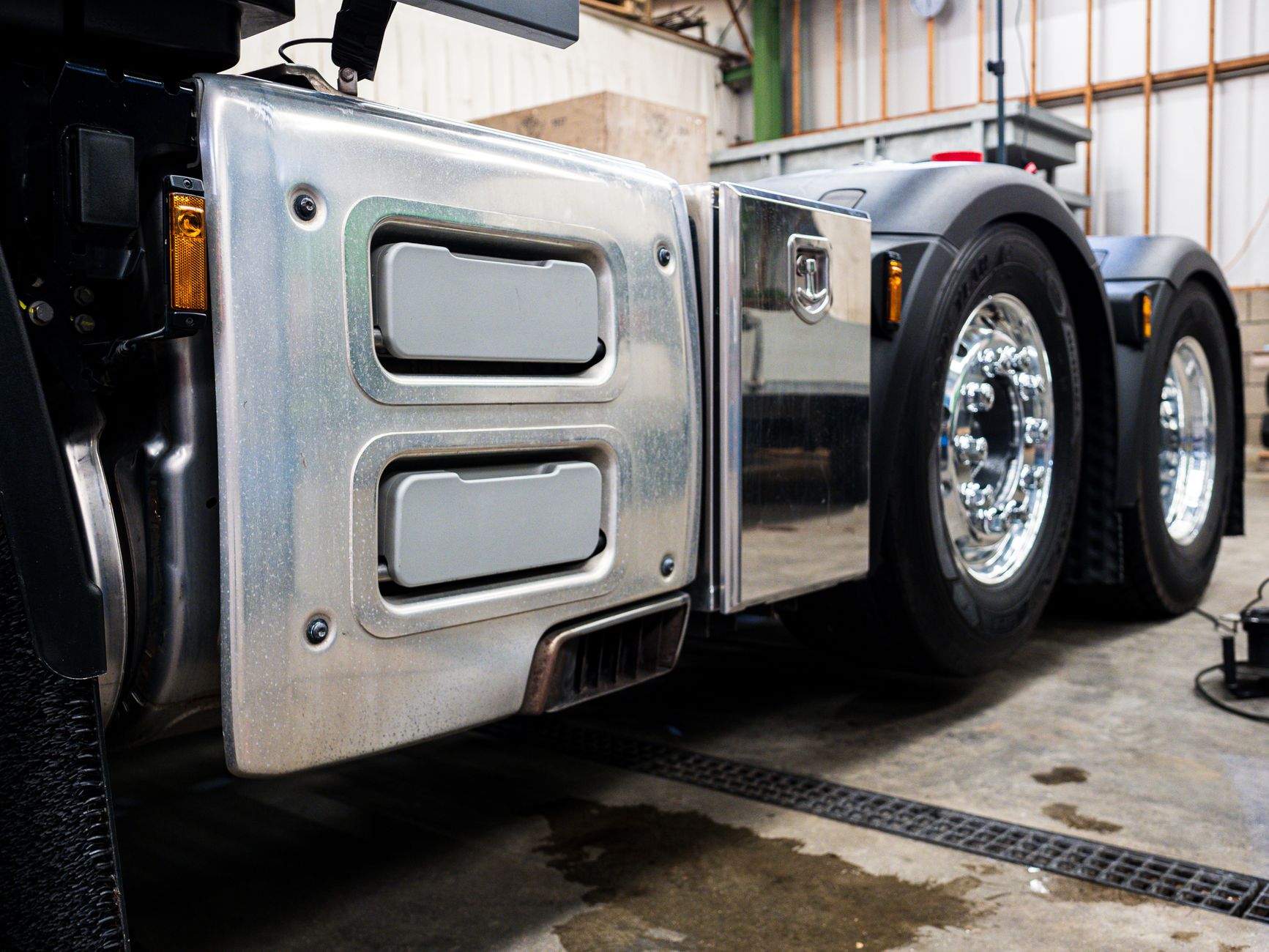
Mastering Heavy Duty Truck Parts US: Your Ultimate Guide
heavy duty truck parts US

Mastering Heavy Duty Truck Parts US: Your Ultimate Guide

Unlock unparalleled performance and longevity for your fleet by understanding the critical role of quality heavy duty truck parts.

Explore Parts Now

Key Takeaways

  • ✓ The US heavy duty truck parts market is projected to reach over $30 billion by 2027.
  • ✓ Brake systems, engine components, and suspension parts are among the most frequently replaced heavy duty truck parts.
  • ✓ Preventative maintenance using quality parts significantly reduces downtime and operational costs.
  • ✓ OEM (Original Equipment Manufacturer) and aftermarket parts offer distinct advantages depending on budget and specific needs.

How It Works

1
Identify the Specific Part Needed

Accurately diagnose the issue or planned maintenance requirement. Consult your truck's service manual or a certified mechanic to pinpoint the exact heavy duty truck part for replacement.

2
Source Reliable Suppliers

Research reputable dealers, distributors, or online platforms specializing in heavy duty truck parts in the US. Prioritize suppliers known for quality, warranty, and customer service.

3
Verify Part Compatibility and Quality

Ensure the chosen part matches your truck's make, model, and year using VIN or part numbers. Inquire about material quality, manufacturer certifications, and warranty details to guarantee performance.

4
Professional Installation & Testing

For complex components, rely on certified technicians for installation to ensure proper function and safety. Post-installation testing is crucial to confirm the new heavy duty truck part integrates seamlessly and performs optimally.

The Critical Role of Quality Heavy Duty Truck Parts in US Operations
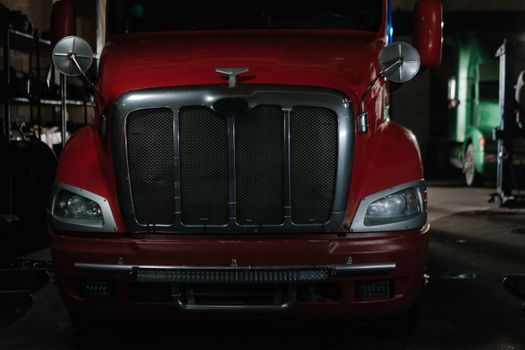
Close-up of a classic red semi truck in a dimly lit garage with chrome details. Photo: cottonbro studio / Pexels
The backbone of the American economy relies heavily on the efficient and continuous operation of heavy duty trucks. From long-haul freight to local deliveries, these powerful machines are constantly on the move, facing diverse terrains and demanding schedules. The integrity and performance of each truck are directly linked to the quality of its components. In the US, the market for heavy duty truck parts is vast and complex, encompassing everything from engine blocks and transmission assemblies to intricate braking systems and advanced electronic modules. Understanding this landscape is not just about finding a replacement; it's about ensuring the safety of drivers, the timely delivery of goods, and the overall profitability of a trucking operation. Inferior parts can lead to catastrophic failures, costly downtime, and even regulatory penalties. Conversely, investing in high-quality, reliable heavy duty truck parts can extend vehicle life, improve fuel efficiency, and enhance driver comfort and safety. This section delves into why the choice of parts is paramount for any fleet manager or owner-operator in the United States. We'll explore how component quality impacts everything from operational uptime to long-term maintenance costs, highlighting the tangible benefits of making informed decisions. The sheer scale of the US trucking industry, with millions of commercial vehicles traversing thousands of miles daily, underscores the immense importance of a robust and trustworthy supply chain for these critical components. When a truck breaks down, every minute of downtime translates into lost revenue and potential contractual penalties. Therefore, the ability to quickly source and install durable, high-performance heavy duty truck parts is a competitive advantage. This includes not only the major powertrain components but also smaller, often overlooked items like filters, hoses, and electrical connectors, which can all contribute to system failures if compromised. Moreover, environmental regulations and safety standards in the US are increasingly stringent, requiring parts that meet specific emissions and performance criteria. Choosing parts that comply with these regulations is not just good practice; it's a legal necessity. For fleet managers, navigating the array of OEM, aftermarket, and remanufactured options requires a keen understanding of their specific needs, budget constraints, and long-term operational goals. The pursuit of cost savings should never compromise safety or reliability, particularly when dealing with vehicles that weigh tens of thousands of pounds and carry valuable cargo. Ultimately, the performance of heavy duty truck parts directly dictates the success and sustainability of trucking businesses across the US. Learn more about general auto parts considerations to better understand foundational principles that apply to heavy duty vehicles.

Essential Categories of Heavy Duty Truck Parts and Their Functions

A large truck with an oversize load on a rainy highway, captured through a car window with dark, moody tones. Photo: Michael Solo / Pexels
Heavy duty trucks are intricate machines, each component playing a vital role in its overall operation. To effectively manage a fleet or maintain a single vehicle, it’s crucial to understand the primary categories of heavy duty truck parts and their specific functions. This knowledge empowers owners and technicians to diagnose issues more accurately, select appropriate replacement parts, and plan preventative maintenance schedules. **1. Engine Components:** At the heart of every heavy duty truck is its powerful diesel engine. Parts in this category include fuel injectors, turbochargers, cylinder heads, pistons, crankshafts, camshafts, and various sensors. These components work in unison to convert fuel into kinetic energy, propelling the massive vehicle forward. The reliability of engine parts is paramount for power, fuel efficiency, and emissions compliance. **2. Drivetrain & Transmission:** This system transmits power from the engine to the drive wheels. Key parts include the transmission (manual or automatic), clutch assemblies, drive shafts, differentials, and axles. A robust drivetrain ensures smooth power delivery and the ability to handle heavy loads and varied road conditions. **3. Braking Systems:** Given the immense weight and momentum of heavy duty trucks, their braking systems are incredibly sophisticated and crucial for safety. Components include air compressors, air tanks, brake valves, brake chambers, slack adjusters, brake shoes, drums, rotors, and ABS (Anti-lock Braking System) sensors. Regular inspection and replacement of these parts are non-negotiable for driver and public safety. **4. Suspension & Steering:** These systems are responsible for handling, stability, and ride comfort. Parts include leaf springs, air springs (air bags), shock absorbers, kingpins, tie rods, drag links, and power steering pumps. A well-maintained suspension system reduces driver fatigue and protects cargo from road vibrations. **5. Electrical & Lighting:** Modern heavy duty trucks are laden with electrical systems. This category includes batteries, alternators, starters, wiring harnesses, ECMs (Engine Control Modules), and a vast array of lights (headlights, tail lights, marker lights) and sensors. These components ensure everything from engine ignition to cabin comfort and road visibility. **6. HVAC & Cooling Systems:** Driver comfort is essential for long hauls, making a functional HVAC system important. Cooling systems, including radiators, water pumps, thermostats, and coolant hoses, are vital for preventing engine overheating. **7. Exhaust & Emissions:** With strict environmental regulations in the US, exhaust system components like DPFs (Diesel Particulate Filters), SCR (Selective Catalytic Reduction) systems, DEF (Diesel Exhaust Fluid) tanks, and catalytic converters are critical for reducing harmful emissions. **8. Body & Chassis Components:** This broad category covers everything from truck frames, bumpers, fenders, grilles, and mirrors to fuel tanks and fifth wheel assemblies. These parts protect the internal components and provide the structural integrity of the vehicle. Understanding these categories helps in proactive maintenance and efficient part procurement for heavy duty trucks, ensuring they remain operational and compliant on US roads.

Navigating the US Market: OEM vs. Aftermarket Heavy Duty Truck Parts

Top-down aerial image of truck trailers parked in a lot with distinct yellow markings. Photo: Giant Asparagus / Pexels
When sourcing heavy duty truck parts in the US, fleet managers and owner-operators often face a crucial decision: whether to opt for Original Equipment Manufacturer (OEM) parts or aftermarket alternatives. Both options present distinct advantages and disadvantages that can significantly impact a truck's performance, longevity, and overall operational costs. Making an informed choice requires a clear understanding of what each type offers. **Original Equipment Manufacturer (OEM) Parts:** These are components identical to the parts originally installed in your truck when it was manufactured. They are produced by the same companies that supply the truck manufacturer, ensuring a perfect fit, guaranteed compatibility, and adherence to the vehicle's original specifications. The primary advantages of OEM heavy duty truck parts include: * **Guaranteed Fit and Performance:** No guesswork involved; OEM parts are designed specifically for your truck model, ensuring optimal performance and seamless integration. * **Reliability and Quality Assurance:** OEM parts often come with robust warranties and are synonymous with the highest quality standards, reducing the risk of premature failure. * **Maintains Resale Value:** Using OEM parts can help preserve the truck's original condition and potentially its resale value. However, the main drawback of OEM parts is their cost, which is typically higher than aftermarket options. They are usually purchased directly from authorized dealerships or distributors. **Aftermarket Heavy Duty Truck Parts:** These parts are manufactured by companies other than the original equipment supplier. The aftermarket segment in the US is vast and competitive, offering a wide range of options for almost every heavy duty truck component. Advantages include: * **Cost-Effectiveness:** Aftermarket parts are generally more affordable than OEM parts, making them an attractive option for budget-conscious operations. * **Wider Availability:** The sheer number of aftermarket manufacturers means a greater selection of parts and often easier availability, especially for older truck models. * **Innovation and Performance Enhancements:** Some aftermarket manufacturers specialize in improving upon original designs, offering parts with enhanced durability or performance characteristics. On the flip side, the quality of aftermarket heavy duty truck parts can vary significantly. It's crucial to research manufacturers and suppliers thoroughly, as some may not meet the same rigorous standards as OEM parts. Poor quality aftermarket parts can lead to frequent replacements, additional labor costs, and potential safety issues. **Choosing Wisely:** The best approach often involves a strategic mix. For critical components like engine internals, braking system elements, or complex electronic modules, OEM heavy duty truck parts might be the safer bet. For less critical items, or when budget is a major concern, reputable aftermarket parts can offer excellent value. Always prioritize suppliers who provide clear specifications, strong warranties, and positive customer reviews. Understanding the difference between different types of auto parts can further guide your decision-making process, ensuring you select the right heavy duty truck parts for your specific needs and operational demands.

Tips for Sourcing and Maintaining Heavy Duty Truck Parts in the US

Two mechanics working together to repair a truck in a dimly lit garage setting. Photo: cottonbro studio / Pexels
Effectively sourcing and maintaining heavy duty truck parts in the US is crucial for minimizing downtime, controlling costs, and ensuring fleet longevity. Here are essential tips for success: * **Establish Relationships with Reputable Suppliers:** Don't just buy from the first vendor you find. Build long-term relationships with trusted distributors who specialize in heavy duty truck parts. These suppliers often offer better pricing, faster delivery, and expert advice. Look for those with a strong track record and comprehensive inventories. * **Leverage Technology for Inventory Management:** For large fleets, implementing an inventory management system for heavy duty truck parts can be a game-changer. This helps track stock levels, predict future needs, and identify slow-moving parts, preventing costly overstocking or critical shortages. Many systems integrate with maintenance software for a holistic approach. * **Prioritize Preventative Maintenance (PM):** The best way to manage parts is to reduce the need for emergency replacements. Adhere strictly to manufacturer-recommended PM schedules. Regular inspections and timely replacement of wear-and-tear items (filters, belts, hoses, fluids) can prevent minor issues from escalating into major, expensive failures that require extensive heavy duty truck parts. * **Understand Warranty Coverage:** Always be clear on the warranty for any heavy duty truck part purchased, whether OEM or aftermarket. A strong warranty can save significant costs if a part fails prematurely. Keep records of purchases and installation dates. * **Consider Remanufactured Parts for Certain Components:** For some heavy duty truck parts, such as alternators, starters, and even certain engine components, high-quality remanufactured options can offer significant cost savings without compromising reliability. Ensure the remanufacturer has a solid reputation and offers a warranty comparable to new parts. * **Train Your Technicians:** Ensure your maintenance staff is well-trained in diagnosing issues and installing heavy duty truck parts correctly. Proper installation is just as important as the quality of the part itself. Ongoing training keeps them updated on new technologies and best practices. * **Keep Detailed Service Records:** Meticulous records of all maintenance, repairs, and part replacements provide valuable data. This helps identify recurring issues, track part performance, and informs future purchasing decisions. It's also vital for warranty claims and can enhance resale value. * **Stay Informed on Industry Trends:** The heavy duty truck parts market is constantly evolving with new technologies and regulations. Subscribing to industry publications, attending trade shows, and engaging with professional networks can keep you abreast of advancements that could benefit your operation. By implementing these strategies, businesses can optimize their heavy duty truck parts procurement and maintenance, leading to more reliable vehicles and a healthier bottom line.

Comparison

FeatureOEM Heavy Duty Truck PartsReputable Aftermarket PartsBudget Aftermarket Parts
Fit & CompatibilityPerfect, guaranteedExcellent, often preciseMay require adjustments
Quality & ReliabilityHighest standards, consistentHigh, can vary by brandVariable, often lower
CostHighest initial investmentModerate, good valueLowest initial cost
WarrantyComprehensive, manufacturer-backedGood, varies by manufacturerLimited or none
PerformanceOptimized for original specCan meet or exceed OEMMay impact vehicle performance
AvailabilityDealer/distributor networksWide range of suppliersWidely available
Resale Value ImpactPositive, maintains valueNeutral to positivePotentially negative

What Readers Say

"Finding reliable heavy duty truck parts in the US is critical for my logistics company. This guide helped us source high-quality brake components that have significantly improved our fleet's safety and reduced maintenance calls. Excellent resource!"

David R. · Dallas, TX

"As an owner-operator, every penny counts. The distinction between OEM and aftermarket heavy duty truck parts explained here was invaluable, helping me choose cost-effective yet dependable engine filters and belts for my rig."

Maria S. · Chicago, IL

"Our trucks log thousands of miles weekly. After implementing the sourcing tips for heavy duty truck parts US from this article, we've seen a noticeable decrease in unexpected breakdowns and our inventory management is far more efficient now."

Fleet Manager, Swift Haulage · Atlanta, GA

"The information on essential truck parts categories was very thorough. While I still prefer OEM for critical components, this guide opened my eyes to reputable aftermarket options for certain heavy duty truck parts, helping me save without sacrificing too much quality."

Tom K. · Los Angeles, CA

"Running a small construction business, my heavy duty dump truck is vital. This article's emphasis on preventative maintenance for heavy duty truck parts has literally saved me thousands in potential repair costs and kept my operations running smoothly."

Sarah L. · Denver, CO

Frequently Asked Questions

What are the most common heavy duty truck parts that require replacement in the US?

The most frequently replaced heavy duty truck parts include brake components (pads, shoes, drums), engine filters (fuel, oil, air), suspension parts (springs, shock absorbers), belts, hoses, and electrical components like alternators and starters. Wear and tear from high mileage and heavy loads necessitate regular inspection and replacement of these items.

How can I ensure I'm buying genuine heavy duty truck parts and not counterfeits?

To avoid counterfeits, always purchase heavy duty truck parts from authorized dealers, reputable distributors, or well-established online retailers with strong return policies. Be wary of unusually low prices and suppliers who cannot provide clear product specifications, manufacturer details, or warranty information. Check for official branding and packaging.

What's the process for ordering a specific heavy duty truck part if I don't know the part number?

If you don't have the part number, you'll typically need to provide your truck's Vehicle Identification Number (VIN), make, model, and year to the supplier. This information allows them to accurately cross-reference and identify the correct heavy duty truck part for your specific vehicle configuration. Detailed descriptions or photos of the old part can also be helpful.

Are aftermarket heavy duty truck parts a good value, or should I always stick to OEM?

Aftermarket heavy duty truck parts can offer excellent value, often at a lower cost than OEM, especially for non-critical components. However, quality varies widely. For critical safety or performance parts, OEM or high-quality, reputable aftermarket brands are recommended. For other items, a well-researched aftermarket part can be a smart, cost-effective choice.

How do heavy duty truck parts differ from standard auto parts?

Heavy duty truck parts are engineered to withstand significantly greater stresses, loads, and continuous operation compared to standard auto parts. They are typically larger, more robust, and constructed from more durable materials to handle the demands of commercial transportation, higher horsepower engines, and much heavier vehicle weights. Their design prioritizes longevity and reliability under extreme conditions.

Who should be responsible for purchasing heavy duty truck parts in a fleet operation?

In a fleet operation, the purchasing of heavy duty truck parts is typically managed by a dedicated procurement team, a fleet manager, or a maintenance supervisor. This centralization ensures consistent quality, leverages bulk purchasing discounts, and maintains accurate inventory records, optimizing efficiency and cost control for the entire fleet.

What are the safety risks associated with using incorrect or low-quality heavy duty truck parts?

Using incorrect or low-quality heavy duty truck parts poses significant safety risks, including brake failure, steering loss, engine breakdown, and structural compromise. These failures can lead to serious accidents, injuries, fatalities, extensive property damage, and severe legal and financial repercussions for the operator and company. Always prioritize certified and appropriate parts.

How will advancements in electric trucks impact the heavy duty truck parts market in the US?

The rise of electric heavy duty trucks will fundamentally shift the parts market. While traditional components like chassis, suspension, and braking systems will remain, there will be a growing demand for electric powertrains, battery modules, charging infrastructure components, and specialized electronic controls. This transition will require new skill sets for technicians and a re-evaluation of current supply chains.

Mastering the world of heavy duty truck parts in the US is vital for any successful trucking operation. By understanding the core components, knowing where to source reliable parts, and committing to proactive maintenance, you can ensure your fleet runs efficiently, safely, and profitably for years to come. Invest in quality, invest in your future.

Topics: heavy duty truck parts UScommercial vehicle componentstruck repair partsfleet maintenance suppliesdiesel engine parts
Leo List

IE Escorts NO Escorts US Escorts NZ Escorts AU Escorts
Brampton weed
Adultwork EstrelaBet Vai de Bet R7 Bet Betão Galera Bet Rainbet Bet9ja Shop SportyBet BetKing Sisal Loto Foot Hollywoodbets YesPlay Odibets RushBet Jugabet BetWarrior BetCity MSport betPawa Fortebet