Essential Ford F150 Replacement Parts: Your Ultimate Guide
August 13, 2026 15 min read 2,930 words
Keep your Ford F-150 running like new with the right replacement parts, enhancing performance and durability.
Find Your Parts Now
Understanding Your Ford F150 Replacement Parts Options
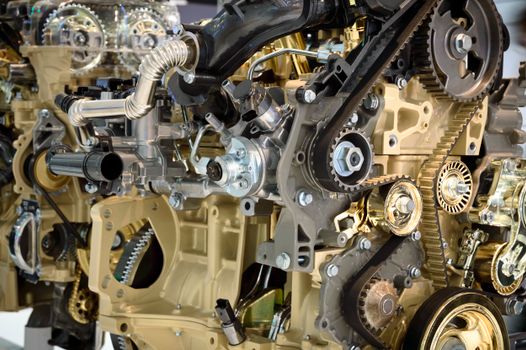 Photo: Adem Percem / Pexels
When it comes to maintaining your Ford F-150, one of the most critical decisions you'll face is choosing the right replacement parts. The market is saturated with options, from genuine Ford parts to various aftermarket alternatives, each with its own set of advantages and disadvantages. Navigating this landscape requires a clear understanding of what each category offers, ensuring you make an informed choice that aligns with your budget, performance expectations, and the longevity of your beloved truck.
Original Equipment Manufacturer (OEM) parts are components made by the same manufacturer that produced the original parts for your F-150. These are often considered the gold standard because they are designed to fit perfectly and function exactly as the original parts did, maintaining the vehicle's integrity and performance specifications. While typically the most expensive option, OEM parts come with the assurance of quality, a manufacturer's warranty, and the peace of mind that you're restoring your truck to its factory-intended condition. They are readily available through Ford dealerships and authorized service centers, making them a reliable choice for those who prioritize authenticity and precision. For critical components like engine parts or transmission elements, many owners opt for OEM to ensure seamless integration and avoid potential compatibility issues that could lead to more significant problems down the line.
Aftermarket parts, on the other hand, are produced by companies other than the original manufacturer. This category is vast and diverse, ranging from high-performance upgrades to budget-friendly alternatives. The primary advantage of aftermarket parts is their cost-effectiveness; they are often significantly cheaper than OEM parts. Additionally, the aftermarket industry often provides a wider selection, including parts designed for enhanced performance, aesthetics, or durability that surpass original specifications. However, the quality of aftermarket parts can vary dramatically. Some reputable aftermarket brands produce parts that meet or even exceed OEM standards, while others may offer inferior products that could compromise your vehicle's safety or performance. It's crucial to research brands, read reviews, and consider warranties when selecting aftermarket components. For common wear items like brake pads, filters, or suspension components, aftermarket options can offer excellent value without sacrificing too much on quality, provided you choose wisely.
Finally, remanufactured parts are another viable option, especially for larger, more complex components such as alternators, starters, or entire engine assemblies. These parts are essentially used components that have been fully disassembled, inspected, cleaned, repaired, and tested to meet original specifications. The process often involves replacing worn components with new ones. Remanufactured parts offer a significant cost saving over new OEM parts and are generally more reliable than many lower-tier aftermarket options, as they've been restored to a functional, reliable state. They also offer an environmentally friendly alternative by extending the life cycle of existing components. However, like aftermarket parts, the quality can vary depending on the remanufacturer, so it's important to choose a reputable supplier. Understanding these distinctions is the first step in making smart choices for your
F-150 auto parts needs, ensuring your truck continues to perform reliably for years to come.
Critical Ford F150 Replacement Parts for Performance and Longevity
Photo: Adem Percem / Pexels
Maintaining the peak performance and extending the lifespan of your Ford F-150 involves proactively addressing wear and tear with quality replacement parts. Certain components are more prone to wear due to their function, exposure to elements, or simply the demanding nature of truck use. Understanding these critical areas can help you anticipate needs and plan for replacements, preventing minor issues from escalating into major, costly repairs.
Brakes are arguably the most vital safety component in your F-150. Over time, brake pads wear down, and rotors can warp or become grooved, reducing stopping power and potentially leading to dangerous situations. Regular inspection and timely replacement of brake pads, rotors, and sometimes calipers are essential. Investing in high-quality brake components, whether OEM or reputable aftermarket, ensures consistent braking performance and peace of mind. Different types of pads, like ceramic or semi-metallic, offer varying characteristics in terms of noise, dust, and stopping power, allowing you to choose based on your driving style and usage.
The suspension system of your F-150 is crucial for ride comfort, handling, and load-carrying capability. Components like shocks, struts, control arms, and ball joints absorb road imperfections and maintain tire contact with the road. Worn suspension parts can lead to a bumpy ride, poor handling, uneven tire wear, and even safety concerns. If you notice excessive bouncing, clunking noises, or a general feeling of looseness in the steering, it’s time to inspect and replace these components. Upgrading to heavy-duty suspension parts can also be beneficial if you frequently tow or haul heavy loads, improving stability and control.
Engine maintenance is paramount for your F-150’s longevity. This includes regular oil changes, but also the timely replacement of air filters, fuel filters, spark plugs, and serpentine belts. A clogged air filter can reduce engine efficiency and fuel economy, while a dirty fuel filter can starve the engine of fuel. Worn spark plugs can lead to misfires and decreased power, and a frayed serpentine belt can cause a host of issues, from power steering loss to engine overheating. These are generally inexpensive parts, but their impact on engine health is significant. For more complex engine issues, such as a failing water pump, alternator, or starter motor, opting for quality OEM or remanufactured parts is often the safest bet to ensure reliable operation.
Finally, exhaust system components, including mufflers, catalytic converters, and oxygen sensors, play a critical role in managing emissions and engine performance. Rust and damage are common issues, especially in regions with harsh winters. A failing catalytic converter or oxygen sensor can trigger your check engine light and significantly impact fuel efficiency and emissions. Addressing these issues promptly not only keeps your truck compliant with environmental regulations but also ensures your engine runs optimally. By focusing on these critical Ford F-150 replacement parts, you can proactively maintain your truck, ensuring it remains a reliable and powerful companion for all your adventures.
Choosing the Right Suppliers for Your F150 Truck Repair Parts
 Photo: Sergey Meshkov / Pexels
Selecting the right supplier for your Ford F-150 truck repair parts is as important as choosing the parts themselves. The source of your components can significantly impact their quality, warranty, and ultimately, your satisfaction and your truck’s reliability. With numerous options available, from local auto parts stores to online retailers and dealerships, knowing where to buy can save you time, money, and potential headaches.
Ford Dealerships are the primary source for OEM parts. When you purchase from a dealership, you are guaranteed genuine Ford parts that are specifically designed and engineered for your F-150. This comes with the assurance of a manufacturer's warranty and the expertise of dealership staff who can help you identify the exact part numbers you need. While often the most expensive option, the peace of mind and guaranteed compatibility make it a preferred choice for many, especially for critical or complex components. Dealerships also often have access to specialized tools and diagnostic equipment, making them a good option if you’re unsure about the exact problem or part required.
Local Auto Parts Stores, such as AutoZone, O'Reilly Auto Parts, Advance Auto Parts, and NAPA Auto Parts, offer a wide range of aftermarket and sometimes OEM parts. These stores provide the convenience of immediate availability for many common
truck repair parts, allowing you to get your F-150 back on the road quickly. Their staff can often assist with part identification and offer basic advice, and many stores provide services like battery testing and tool rental. The key here is to be discerning about the brands they carry, as quality can vary. Look for reputable aftermarket brands known for their reliability and good warranties. Comparing prices and checking online reviews for specific parts before visiting can be beneficial.
Online Retailers have revolutionized the auto parts market, offering unparalleled selection and competitive pricing. Websites like RockAuto, Amazon, Summit Racing, and PartsGeek provide access to thousands of parts, often at a significant discount compared to brick-and-mortar stores. The challenge with online purchasing is ensuring you order the correct part, as you can't physically inspect it before buying. Accurate vehicle information (year, make, model, engine size, VIN) is crucial. Always double-check part numbers and read customer reviews. Many online retailers also have robust return policies, but waiting for a replacement part can delay your repair. For those comfortable with online research and self-identification of parts, these platforms offer excellent value and convenience.
Specialty Shops and Performance Retailers cater to specific needs, such as off-road modifications, performance upgrades, or rare parts for older F-150 models. These suppliers often have expert staff with in-depth knowledge of their niche, offering tailored advice and high-quality, specialized components that might not be available elsewhere. While prices might be higher, the expertise and unique product offerings can be invaluable for specific projects or enhancements. Regardless of where you choose to purchase your parts, always verify the return policy, warranty, and ensure you have all the necessary information about your F-150 to get the correct component the first time around.
Maximizing Your Investment: Tips for Ford F150 Replacement Parts
 Photo: Jacob Moore / Pexels
Maximizing your investment in Ford F-150 replacement parts goes beyond just buying the cheapest option; it involves smart choices that contribute to your truck's long-term reliability and value. Here are essential tips to ensure you get the most out of every purchase and avoid common pitfalls:
* **Always Verify Compatibility:** This is the golden rule. Even slight variations between model years or trim levels can mean a part won't fit or function correctly. Always use your F-150's VIN (Vehicle Identification Number) when ordering parts, especially online. Most reputable suppliers have VIN lookups or detailed compatibility charts. A wrong part means delays, return hassles, and potentially more damage if you try to force it.
* **Prioritize Critical Components:** For safety-critical systems like brakes, steering, and vital engine components, it's often best to lean towards OEM or high-quality aftermarket parts from trusted brands. Skimping on these can lead to dangerous failures and more expensive repairs down the road. For non-critical items like interior trim or cosmetic pieces, aftermarket options can be a more budget-friendly and perfectly acceptable choice.
* **Understand Warranties:** Different parts and suppliers offer varying warranty periods. OEM parts usually come with a solid warranty, often backed by Ford. Aftermarket warranties can range from 90 days to a lifetime. Always read the fine print. A longer warranty often indicates manufacturer confidence in their product's durability.
* **Consider Used or Remanufactured for Select Parts:** For certain components like alternators, starters, or even entire transmissions, a professionally remanufactured part can offer significant savings and reliability close to new, often with a good warranty. Used parts from reputable salvage yards can also be an option for body panels or non-mechanical components, but verify their condition carefully.
* **Don't Overlook Maintenance Parts:** Items like oil filters, air filters, fuel filters, and spark plugs are often inexpensive but crucial for your F-150's performance and longevity. Using quality filters and plugs as per your manufacturer's recommendations is a small investment that prevents big problems. Regularly replacing these keeps your engine running efficiently and extends its life.
* **DIY vs. Professional Installation:** Be realistic about your mechanical skills. While replacing an air filter might be simple, tackling complex engine or suspension work without proper tools and experience can lead to costly mistakes or safety hazards. Factor in potential labor costs when comparing part prices, as a cheap part poorly installed is no bargain.
**Common Mistakes to Avoid:**
* **Buying solely based on price:** The cheapest part is rarely the best value. It might wear out faster, perform poorly, or even damage other components.
* **Ignoring reviews:** Customer reviews, especially for aftermarket brands, provide valuable insights into real-world performance and durability.
* **Not checking return policies:** Understand the supplier's return process before you buy, especially for online purchases, in case the part is incorrect or defective.
* **Using generic parts for specialized needs:** For F-150s with specific packages (e.g., Heavy Duty Payload, FX4 Off-Road), ensure replacement parts are designed for those specific configurations.
By following these tips, you can ensure your Ford F-150 replacement parts purchases are wise investments that keep your truck running strong for years to come.
