
Demystifying Common Car Engine Problems
Understand the signs, prevent costly breakdowns, and keep your engine running smoothly for years to come.
Learn More NowKey Takeaways
- ✓ Check Engine Light is the most common indicator of engine issues.
- ✓ Regular oil changes are crucial for engine longevity.
- ✓ Misfires, overheating, and strange noises are critical warning signs.
- ✓ Ignoring minor engine problems can lead to significant and expensive repairs.
How It Works
Pay attention to your vehicle's behavior, including dashboard warning lights, unusual sounds, smells, or performance changes. Early detection can prevent minor issues from becoming major problems.
Utilize diagnostic tools like an OBD-II scanner for check engine lights or consult a qualified mechanic. Accurate diagnosis is essential for effective and lasting repairs.
Address identified issues promptly, whether through DIY solutions for simple fixes or professional service for complex repairs. Use quality replacement parts to ensure reliability.
Adhere to your vehicle's recommended maintenance schedule, including oil changes, fluid checks, and filter replacements. Proactive care significantly reduces the likelihood of future engine problems.
Understanding the Check Engine Light and Its Messages
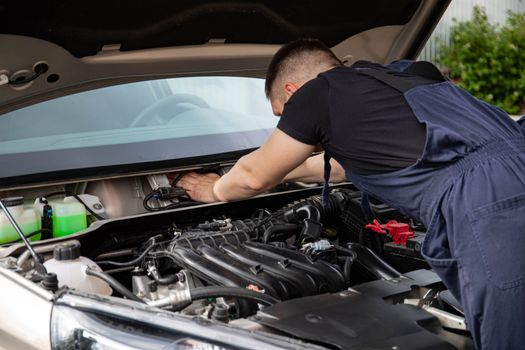 Photo: Sergey Meshkov / Pexels
Common Causes of Engine Misfires and Rough Idling
Overheating and Fluid Leaks: Critical Warning Signs for Your Engine
Preventative Maintenance Tips to Avoid Costly Engine Problems
Comparison
| Engine Problem | Common Symptom | Likely Cause | Preventative Measure |
|---|---|---|---|
| Check Engine Light | Dashboard light illuminated | Various (loose gas cap, O2 sensor, catalytic converter) | Regular diagnostics, secure gas cap |
| Misfires/Rough Idle | Engine shaking, loss of power | Worn spark plugs, faulty ignition coil, clogged injector | Spark plug/coil replacement, fuel system cleaner |
| Overheating | Temperature gauge in red, steam | Low coolant, faulty thermostat, water pump failure | Coolant checks, system flush, belt inspection |
| Fluid Leaks | Puddles under car, low fluid levels | Worn gaskets, cracked hoses, damaged seals | Regular visual inspection, hose/gasket replacement |
What Readers Say
"I used to panic every time my check engine light came on. This guide on common car engine problems really helped me understand what to look for and how to approach the issue without immediately fearing the worst. It's truly empowering."
David R. · Austin, TX"My car was overheating constantly, and I didn't know why. After reading about the various causes here, I checked my coolant and found a tiny leak in a hose. A simple fix thanks to the clear explanations provided!"
Sarah L. · Orlando, FL"This article saved me a lot of money. I was about to take my car in for a rough idle, but after reading about spark plugs, I checked mine. They were fouled! Replaced them myself and the car runs perfectly now."
Michael T. · Denver, CO"While incredibly informative, I wish there were more specific examples for different car models regarding maintenance schedules. However, the general advice on common car engine problems is top-notch and very helpful for anyone."
Jessica M. · Phoenix, AZ"As a new car owner, the sheer amount of potential issues felt overwhelming. This breakdown of common car engine problems made it digestible and gave me the confidence to start performing basic checks myself. A must-read for beginners."
Robert K. · Chicago, ILFrequently Asked Questions
What is the most common sign of an engine problem?
The most common sign of an engine problem is the illumination of the 'Check Engine' light on your dashboard. While it doesn't specify the exact issue, it indicates that the onboard diagnostic (OBD-II) system has detected a fault. Other frequent signs include unusual noises (knocking, hissing), strange smells, reduced performance, or excessive exhaust smoke.
Is it safe to drive with the 'Check Engine' light on?
It depends on the severity. A solid 'Check Engine' light often indicates a less urgent issue, though it should still be investigated promptly. A flashing 'Check Engine' light, however, signals a severe problem like an engine misfire that could be actively damaging components (e.g., catalytic converter). In such cases, it is generally not safe to drive and you should pull over immediately.
How can I prevent common engine problems?
Preventing common engine problems largely comes down to consistent preventative maintenance. This includes regular oil changes with the correct type of oil, checking and replacing air and fuel filters, monitoring all fluid levels, inspecting belts and hoses for wear, and adhering to your vehicle's recommended service schedule. Addressing minor issues quickly also prevents them from escalating.
How much does it typically cost to fix common car engine problems?
The cost to fix common car engine problems varies widely depending on the specific issue and the parts and labor involved. A simple fix like a loose gas cap might cost nothing, while replacing spark plugs could be $100-$300. More complex issues like a faulty oxygen sensor or a catalytic converter can range from $200 to over $1,500. Major repairs like a head gasket replacement can be several thousand dollars, highlighting the importance of early detection.
What's the difference between a minor and a major engine problem?
A minor engine problem might involve a loose connection, a worn spark plug, or a sensor malfunction that affects performance or fuel economy but doesn't immediately threaten engine integrity. A major engine problem, such as severe overheating, low oil pressure, internal component failure (e.g., broken timing belt, cracked block), or a persistent misfire damaging other systems, can lead to catastrophic engine failure if not addressed immediately. Major issues typically involve higher repair costs and longer downtime.
Who should I trust to diagnose and fix my engine problems?
For accurate diagnosis and reliable repairs, it's best to trust certified mechanics or reputable automotive repair shops. Look for technicians with ASE (Automotive Service Excellence) certifications, especially in engine repair. Dealership service centers are also an option, particularly for vehicles still under warranty or those requiring specialized tools or knowledge specific to your car's make and model. Always seek a second opinion for major repairs if you're unsure.
Are there any risks associated with ignoring engine noises or smells?
Yes, ignoring engine noises (like knocking, squealing, or hissing) or unusual smells (like burning oil, sweet coolant, or exhaust fumes) carries significant risks. These are often early indicators of underlying problems that, if left unaddressed, can lead to severe engine damage, expensive repairs, reduced vehicle safety, and even complete engine failure. Always investigate and address these warning signs promptly.
How are modern car engines different in terms of common problems compared to older engines?
Modern car engines are generally more complex, relying heavily on electronic sensors, advanced fuel injection systems, and sophisticated engine control units (ECUs). While they are more fuel-efficient and powerful, common problems often revolve around sensor failures, electrical issues, and emissions system components (like catalytic converters and exhaust gas recirculation valves). Older engines might have been more prone to mechanical wear-and-tear issues like carburetor problems or distributor failures, which are largely absent in contemporary vehicles.
Don't let common car engine problems leave you stranded or facing exorbitant repair bills. Equip yourself with knowledge, practice preventative maintenance, and address issues proactively. Take control of your vehicle's health today and ensure a smoother, safer journey ahead.