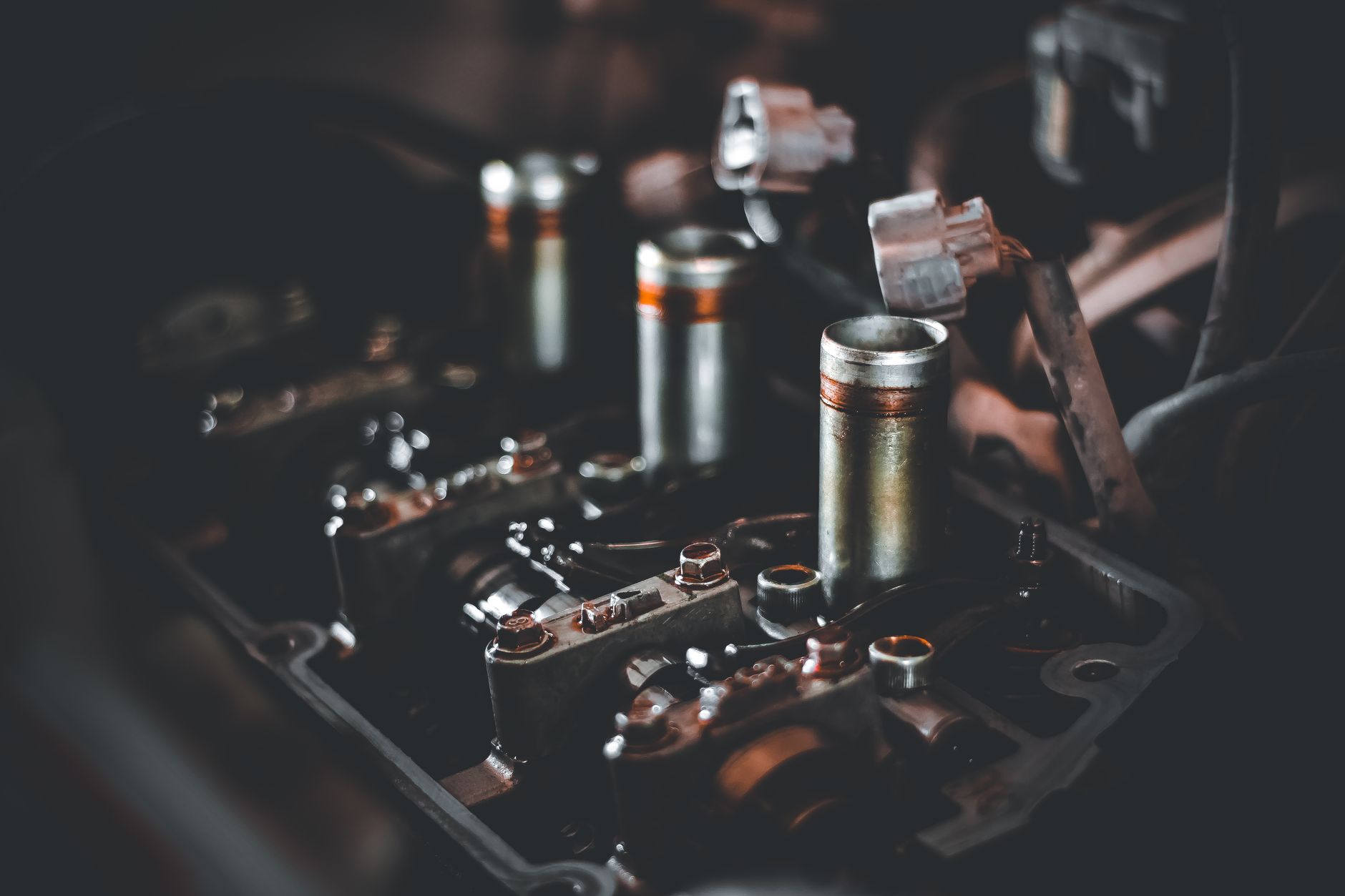
Tackling Common Car Engine Problems Head-On
Empower yourself with knowledge to diagnose and understand the most frequent issues plaguing vehicle engines, ensuring a smoother ride and preventing costly repairs.
Understand Your EngineKey Takeaways
- ✓ Check Engine Light is the most common indicator of engine trouble.
- ✓ Regular oil changes are crucial for preventing major engine problems.
- ✓ Unusual noises (knocking, ticking) often signal internal engine wear.
- ✓ Overheating can lead to severe and irreversible engine damage.
How It Works
Pay close attention to changes in your car's performance, sounds, smells, or dashboard warning lights. Early detection is key to preventing minor issues from escalating.
For dashboard lights like the Check Engine Light, an OBD-II scanner can provide diagnostic trouble codes (DTCs). These codes offer a starting point for understanding the problem.
Armed with symptoms and potential codes, consult your vehicle's manual or reliable automotive resources. This helps pinpoint the specific component or system responsible for the issue.
Depending on the problem's complexity, this might involve DIY fixes like checking fluid levels or replacing spark plugs, or it could necessitate professional mechanical repair for more intricate issues.
Understanding the Check Engine Light and Its Meanings
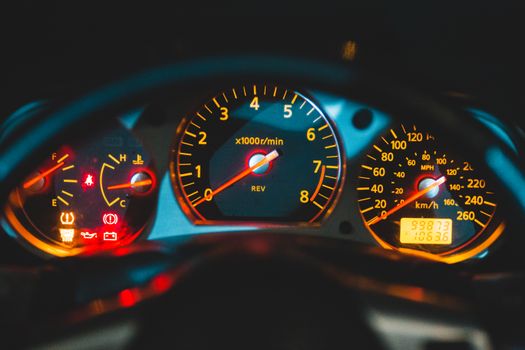 Photo: Erik Mclean / Pexels
Addressing Overheating and Cooling System Failures
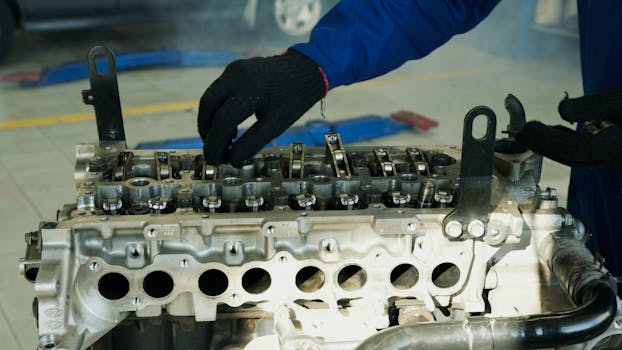 Photo: Artem Podrez / Pexels
Diagnosing Unusual Engine Noises and Performance Issues
Photo: Artem Podrez / Pexels
Preventative Maintenance Tips to Avoid Common Engine Problems
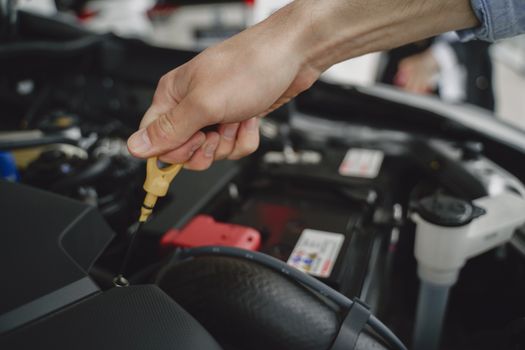 Photo: Gustavo Fring / Pexels
Comparison
| Problem Indicator | Most Likely Cause | DIY Check/Fix | Professional Help Recommended |
|---|---|---|---|
| Check Engine Light | Loose gas cap, faulty O2 sensor, catalytic converter issue | Check gas cap, OBD-II scan for codes | For sensor/converter codes |
| Engine Overheating | Low coolant, faulty thermostat, radiator leak | Check coolant level (cold engine), inspect hoses | For persistent overheating, component replacement |
| Engine Knocking/Pinging | Wrong fuel octane, carbon buildup, spark plug issues | Use correct fuel, check spark plugs | For persistent knock, internal engine inspection |
| Rough Idling/Misfires | Worn spark plugs, vacuum leak, dirty fuel injectors | Inspect spark plugs/wires, check for vacuum leaks | For complex diagnostics, injector cleaning/replacement |
| Squealing Belts | Worn or loose serpentine/accessory belt | Inspect belt for cracks, tension | Belt replacement, pulley inspection |
What Readers Say
"This article was incredibly helpful in understanding why my Check Engine Light kept coming on. I learned about the OBD-II codes and was able to pinpoint a faulty oxygen sensor, saving me a trip to the mechanic for initial diagnosis."
Sarah J. · Austin, TX"I had a persistent ticking noise, and this guide helped me differentiate between normal engine sounds and potential issues. Turns out, it was just slightly low on oil, a simple fix I could do myself thanks to the clear explanations."
Mark D. · Orlando, FL"My car was overheating, and after reading this, I checked my coolant and found a small leak in a hose. Replaced it quickly and avoided a much bigger problem, which would have cost me hundreds, if not thousands."
Jessica L. · Denver, CO"While some issues still require a professional, this article gave me the confidence to understand the mechanic's explanation better. It's a great resource for identifying common car engine problems and knowing when to seek expert help."
David S. · Seattle, WA"As a new car owner, I found the preventative maintenance section invaluable. It laid out exactly what I need to do to keep my engine healthy, making me feel much more in control of my vehicle's well-being."
Emily R. · Chicago, ILFrequently Asked Questions
What is the most common car engine problem?
The most common car engine problem reported by drivers is often related to the 'Check Engine Light' illuminating. While this is a symptom rather than a specific problem, the underlying causes frequently involve issues with oxygen sensors, spark plugs, or catalytic converter efficiency, all of which are critical to engine performance and emissions control.
Can I ignore my Check Engine Light?
No, you should never ignore your Check Engine Light. While it might sometimes indicate a minor issue like a loose gas cap, it can also signal serious problems that could lead to significant engine damage, reduced fuel efficiency, or increased emissions if left unaddressed. Get it diagnosed promptly to prevent further complications.
How can I tell if my engine is about to fail?
Signs of impending engine failure often include persistent knocking or grinding noises, excessive smoke from the exhaust (especially blue or thick white smoke), significant loss of power, strong burning smells, or oil puddles under the car. If you experience several of these symptoms, it's crucial to have your vehicle inspected by a professional immediately.
How much does it cost to fix common car engine problems?
The cost to fix common car engine problems varies widely depending on the specific issue and your vehicle's make and model. Simple fixes like a new gas cap might cost under $30, while replacing an oxygen sensor could be $200-$450. More complex repairs like a catalytic converter or head gasket replacement can range from $1,000 to several thousands of dollars. Early diagnosis can often prevent more expensive repairs.
Is it better to repair an old engine or replace it?
The decision to repair or replace an old engine depends on several factors: the cost of repair versus replacement, the overall condition and value of the rest of the vehicle, and your budget. If the repair cost exceeds the car's value or approaches the cost of a good used engine, replacement might be more economical in the long run. Consult with a trusted mechanic for a thorough assessment.
Who should perform engine diagnostics and repairs?
For basic checks like fluid levels or a loose gas cap, most car owners can perform these tasks. However, for interpreting diagnostic trouble codes, troubleshooting complex issues, and performing repairs that require specialized tools or in-depth knowledge, a certified automotive mechanic or a reputable repair shop should always be consulted. DIY can be risky without proper expertise.
Are there any safety risks associated with common engine problems?
Yes, many common engine problems pose safety risks. An overheating engine can lead to a roadside breakdown. A misfiring engine can cause loss of power, making merging or passing dangerous. Issues affecting brakes or steering (if connected to engine power) can be catastrophic. Promptly addressing engine problems is crucial for your safety and the safety of others on the road.
How will engine technology change to prevent future problems?
Future engine technology is focusing on enhanced sensor arrays for earlier problem detection, more robust materials for increased durability, and predictive maintenance systems using AI and telematics. Electrification (hybrid and full EV) also significantly alters the types of 'engine' problems encountered, shifting towards battery and electric motor diagnostics rather than traditional combustion issues.
Understanding common car engine problems empowers you to be a more informed and proactive car owner. By recognizing symptoms, performing routine maintenance, and knowing when to seek professional help, you can significantly extend your vehicle's life, prevent costly breakdowns, and ensure a safer, more reliable driving experience. Don't wait for a small issue to become a major headache—take charge of your engine's health today.