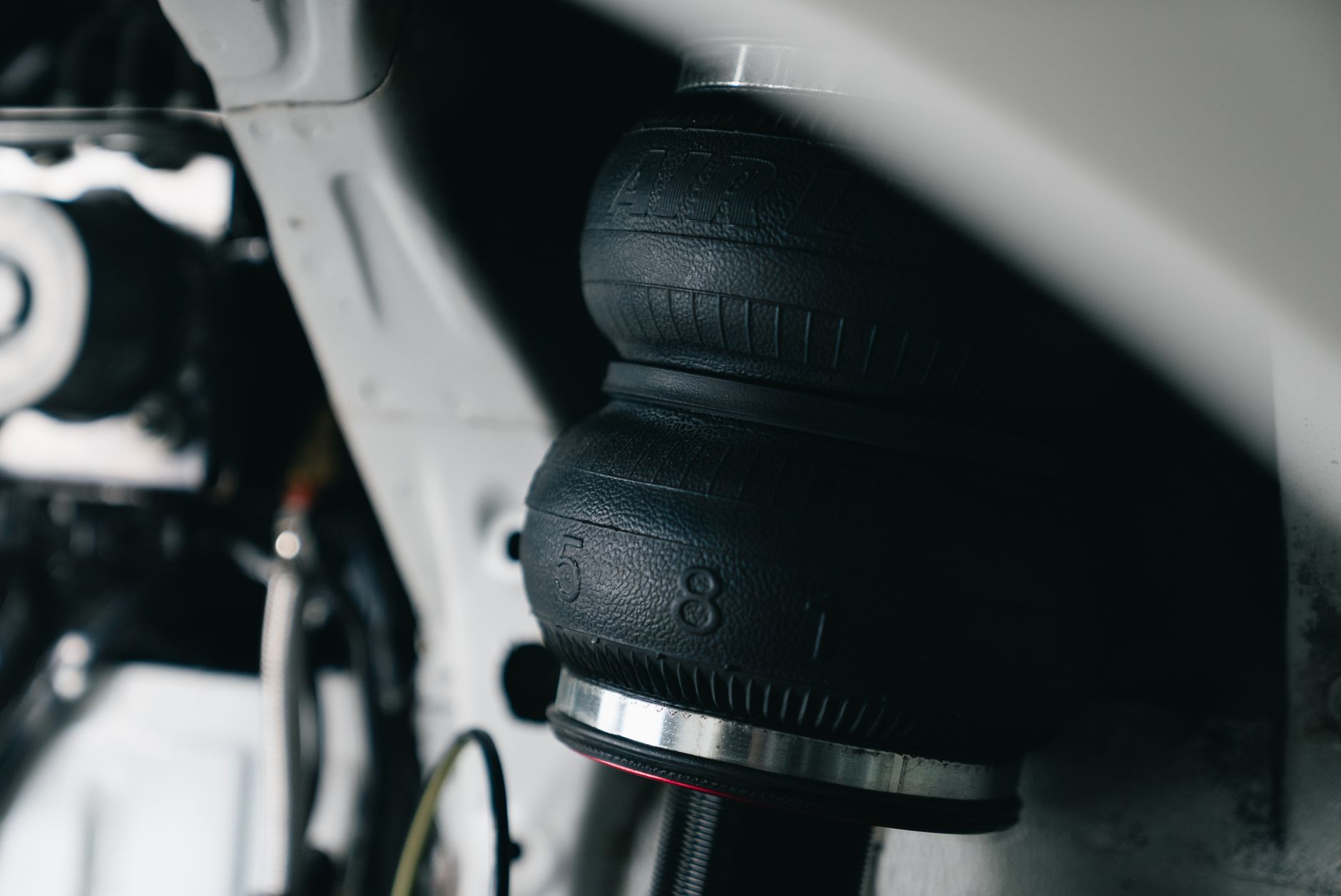
Car Suspension System Explained: Your Ultimate Guide
Understand the intricate mechanics beneath your vehicle that deliver comfort, control, and safety on every journey.
Explore Your SuspensionKey Takeaways
- ✓ The suspension system connects your car to its wheels, allowing relative motion.
- ✓ Its primary functions are to absorb road shocks and maintain tire contact with the road.
- ✓ Key components include springs, shock absorbers, control arms, and anti-roll bars.
- ✓ A well-maintained suspension is crucial for vehicle safety, handling, and passenger comfort.
How It Works
When a wheel encounters a bump or dip, the spring compresses or expands, absorbing the initial impact. This action prevents the full force of the road imperfection from being transmitted directly to the car's body.
After the spring absorbs the impact, it will naturally oscillate up and down. The shock absorber (or damper) converts this kinetic energy of oscillation into heat, preventing continuous bouncing and quickly stabilizing the vehicle's movement.
Throughout bumps and turns, the suspension system's linkages and control arms work to keep the tires firmly pressed against the road surface. This continuous contact is vital for traction, steering, and braking effectiveness.
Components like anti-roll bars (sway bars) and carefully designed geometry resist excessive body lean during cornering (roll) and nose-dive/squat during braking/acceleration (pitch). This ensures stability and predictable handling, enhancing driver control and passenger comfort.
The Fundamental Role of Automotive Suspension Components
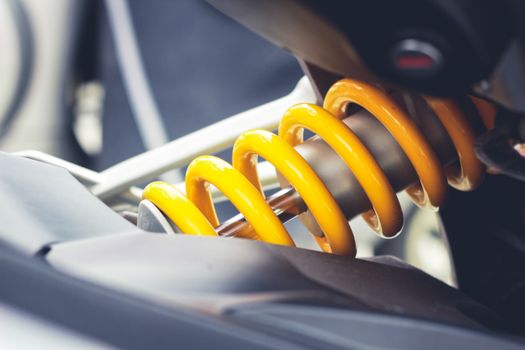 Photo: Orhun Rüzgar ÖZ / Pexels
Unpacking the Core Components: Springs, Shocks, and More
Photo: Orhun Rüzgar ÖZ / Pexels
Exploring Diverse Suspension Types and Their Applications
 Photo: Duncan Van Gortel / Pexels
Maintaining Your Car's Suspension: Tips and Common Issues
 Photo: Artem Podrez / Pexels
Comparison
| Feature | MacPherson Strut | Double Wishbone | Multi-Link | Solid Axle |
|---|---|---|---|---|
| Complexity | Low | Medium | High | Low |
| Cost | Low | Medium-High | High | Low |
| Ride Comfort | Good | Excellent | Superior | Moderate |
| Handling Control | Good | Excellent | Superior | Moderate |
| Space Efficiency | High (Compact) | Medium | Medium | Low (Bulky) |
| Common Application | FWD cars | Sports/Luxury cars | Premium/Sports cars | Trucks/SUVs |
| Camber Control | Moderate | Excellent | Excellent | Poor (Linked) |
What Readers Say
"This article on car suspension system explained was incredibly thorough. I finally understand why my old car felt so bouncy and why my new one handles like a dream. The breakdown of components was super helpful."
David R. · Austin, TX"As someone who knows very little about cars, this explanation of the car suspension system was easy to follow and highly informative. I feel more confident talking to my mechanic now about any issues."
Sarah L. · Miami, FL"After reading this, I realized my shock absorbers were definitely shot. Replaced them, and the difference in ride quality and handling was night and day. Thanks for the detailed car suspension system explained guide!"
Mark T. · Denver, CO"Good information, especially the section on different suspension types. I wish there were a bit more on air suspension maintenance, but overall, a very solid resource for understanding my car's suspension."
Jessica M. · Seattle, WA"I'm a budding auto enthusiast, and this 'car suspension system explained' piece offered a fantastic foundation. It clarified many concepts I'd only vaguely understood before. Highly recommend for anyone curious about what's under their car."
Carlos P. · Chicago, ILFrequently Asked Questions
What are the main components of a car suspension system?
The main components of a car suspension system include springs (coil, leaf, or air), shock absorbers (dampers), control arms (wishbones), ball joints, bushings, anti-roll bars (sway bars), and tie rods. Each component plays a specific role in absorbing road impacts, maintaining tire contact, and controlling vehicle dynamics for a smooth and safe ride.
How often should I have my car's suspension inspected?
It's generally recommended to have your car's suspension system inspected at least once a year or every 12,000 to 15,000 miles. However, if you notice any unusual noises, a rougher ride, uneven tire wear, or issues with handling, you should have it checked immediately by a qualified mechanic to prevent further damage or safety concerns.
How can I tell if my shock absorbers are bad?
Common signs of bad shock absorbers include excessive bouncing after hitting bumps, a 'nose-dive' during braking or 'squat' during acceleration, noticeable body roll when cornering, uneven tire wear (cupping), and visible fluid leaks on the shock body. A simple 'bounce test' where you push down on each corner of the car and observe how quickly it stabilizes can also give an indication.
Is it expensive to repair a car suspension system?
The cost of repairing a car suspension system can vary significantly depending on the specific component that needs replacement, the type of vehicle, and labor rates. Replacing individual components like bushings or tie rods might be relatively inexpensive, while replacing struts, entire control arms, or advanced air suspension components can be more costly. Early detection of issues can often prevent more expensive repairs.
What's the difference between independent and solid axle suspension?
Independent suspension systems allow each wheel on an axle to move vertically and react to road conditions independently, providing better ride comfort and handling. Examples include MacPherson struts, double wishbone, and multi-link. A solid axle (or live axle) suspension connects the wheels on a single, rigid beam, meaning movement on one wheel directly affects the other, often leading to a less refined ride but offering robust simplicity, especially for heavy-duty applications.
Who benefits most from understanding their car suspension system?
Every car owner benefits from understanding their car suspension system, as it's crucial for safety, comfort, and maintenance. Drivers who frequently travel on rough roads, those interested in vehicle performance and handling, and anyone looking to prolong the life of their tires and vehicle will find this knowledge particularly valuable for making informed decisions about their car's upkeep and potential upgrades.
Can a bad suspension system affect my car's braking performance?
Absolutely. A compromised suspension system can significantly affect braking performance. Worn shock absorbers, for instance, can lead to reduced tire contact with the road, causing tires to lose grip more easily during braking. This can result in longer stopping distances, reduced stability, and an increased risk of skidding, directly impacting your safety on the road.
What are future trends in car suspension technology?
Future trends in car suspension technology are leaning heavily towards active and semi-active systems, utilizing advanced sensors and electronic control units to adapt to road conditions and driver input in real-time. Expect more predictive suspension systems that use cameras and GPS data to anticipate road imperfections, as well as magnetic ride control and fully adaptive air suspensions becoming more prevalent even in mid-range vehicles, enhancing both comfort and performance.
Now that the car suspension system explained in detail, you're equipped with the knowledge to appreciate its crucial role. Don't overlook this vital component; ensure your suspension is well-maintained for a safer, smoother, and more enjoyable driving experience. Take action and have your suspension checked today!