Smart Savings: How to Buy Used Auto Parts Online
buy used auto parts online

Smart Savings: How to Buy Used Auto Parts Online

Unlock significant savings and find the exact parts you need for your vehicle from the comfort of your home.

Start Saving Now

Key Takeaways

  • ✓ Buying used auto parts can save you 50-80% compared to new parts.
  • ✓ The internet has revolutionized access to a vast inventory of used car parts.
  • ✓ Reputable online sellers often offer warranties on used parts.
  • ✓ Verifying compatibility with your vehicle's VIN is crucial for a successful purchase.

How It Works

1
Identify Your Part Needs

Clearly define the specific part you need, including its name, part number, and the year, make, and model of your vehicle. This precision is vital for accurate searching.

2
Research Online Marketplaces

Explore various online platforms specializing in used auto parts, such as dedicated salvage part websites, eBay Motors, or Amazon. Compare their inventory and reputation.

3
Verify Compatibility & Condition

Use your VIN to confirm the part fits your vehicle and carefully review product descriptions, photos, and seller ratings. Don't hesitate to ask sellers questions about the part's history and condition.

4
Complete Purchase & Installation

Securely complete your transaction, paying attention to shipping costs and return policies. Once received, consider professional installation to ensure correct fitment and function.

The Unbeatable Advantages of Buying Used Auto Parts Online
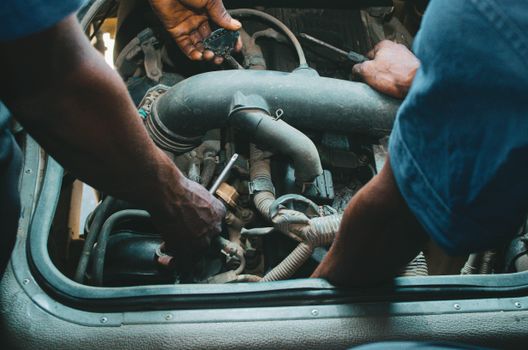
Auto mechanics repairing an engine in a Nigerian workshop. Close-up hands and tools. Photo: Abasiakan / Pexels
In an era where every penny counts, optimizing your vehicle maintenance budget has become more important than ever. For many car owners and DIY enthusiasts, the decision to buy used auto parts online represents a strategic and financially savvy choice. The primary allure is, of course, the significant cost savings. New OEM (Original Equipment Manufacturer) parts can be prohibitively expensive, often representing a major chunk of a repair bill. Used parts, on the other hand, can slash these costs by 50% to 80%, making essential repairs more accessible and affordable. This isn't just about saving money; it's about extending the life of your vehicle without breaking the bank. Beyond the financial benefits, the sheer convenience of shopping online cannot be overstated. Gone are the days of physically driving to multiple salvage yards, sifting through rows of rusty vehicles, and hoping to stumble upon the right part. With a few clicks, you can access a vast, interconnected network of used auto parts suppliers across the country. This digital marketplace means you're no longer limited by geographical constraints; if a specific part is rare in your local area, it's likely available a state or two over, ready to be shipped directly to your doorstep. This expanded access significantly increases your chances of finding the exact component you need, even for older or less common vehicle models. The convenience extends to comparing prices and conditions from various sellers instantly, empowering you to make an informed decision without leaving your home. Another critical advantage often overlooked is the environmental impact. Opting for used auto parts is a powerful act of recycling. It reduces the demand for new manufacturing, which consumes raw materials and energy, and lessens the amount of waste sent to landfills. Every used part purchased contributes to a more sustainable automotive industry, aligning with broader environmental conservation efforts. This green aspect appeals to environmentally conscious consumers who wish to minimize their carbon footprint while maintaining their vehicles. Furthermore, many used parts are still in excellent working condition, having been salvaged from vehicles involved in accidents where only certain sections were damaged, or from cars that were simply retired but had many functional components remaining. This means you're often getting a high-quality part that has already proven its durability, sometimes even outlasting a new, cheaper aftermarket alternative. The robust nature of many OEM parts means they are built to last, and a used OEM part often retains much of that original quality and reliability. Ultimately, when you buy used auto parts online, you're not just making a smart financial move; you're also making a convenient and environmentally responsible choice that benefits both your wallet and the planet. Explore our guide to understanding different types of auto parts.

Navigating the Online Marketplace: Where to Find Reliable Used Parts
Young man checking car engine in modern dealership showroom. Photo: Gustavo Fring / Pexels
The digital landscape for used auto parts is expansive, offering a multitude of platforms, each with its own strengths and specialties. Understanding where to look and what to expect from each type of seller is paramount to a successful purchase. Dedicated used auto parts websites, such as Car-Part.com, LKQ Online, or AutoPartSearch.com, are often excellent starting points. These platforms aggregate inventory from numerous salvage yards and recyclers across the US, providing a comprehensive search engine where you can input your vehicle's year, make, model, and the specific part you need. Their databases are typically robust, and many offer detailed descriptions, multiple images, and even VIN verification tools. The advantage here is the sheer volume of options and the specialized nature of the sellers, who often have extensive experience in dismantling and cataloging parts. E-commerce giants like eBay Motors and Amazon also host a significant market for used auto parts. eBay Motors, in particular, is a treasure trove, featuring listings from both professional recyclers and individual sellers. The platform's robust seller rating system, buyer protection policies, and detailed listing options (including part numbers, compatibility charts, and high-resolution photos) make it a popular choice. However, buyer beware: always scrutinize seller reviews and communicate directly with sellers if you have questions about the part's condition or origin. Amazon, while perhaps less specialized than eBay for used parts, occasionally has listings from third-party sellers, especially for more common components. Always prioritize sellers with strong feedback and clear return policies. Beyond these major players, some original equipment manufacturers (OEMs) and larger dealerships occasionally offer certified pre-owned or remanufactured parts, which, while not strictly 'used' in the traditional sense, offer a cost-effective alternative to new parts with a higher degree of reliability and warranty. Furthermore, online forums dedicated to specific car makes or models can be invaluable resources. Members often sell parts they no longer need, or can direct you to trusted local or online suppliers they've had positive experiences with. These communities foster trust and provide peer-to-peer recommendations that can be incredibly helpful in navigating niche markets. When evaluating sellers, always prioritize those who provide clear, multiple photos of the actual part, detailed descriptions including any imperfections, and an explicit return policy. A reputable seller will also be responsive to questions and willing to provide additional information, such as the donor vehicle's VIN or mileage if available. Look for evidence of professional handling and storage, as parts stored improperly can degrade quickly. Understanding these various avenues and exercising due diligence will significantly enhance your chances of finding high-quality, reliable used auto parts online. This diverse ecosystem of online sellers ensures that virtually any part you need can be sourced, often at a fraction of the cost of buying new, provided you know where and how to search effectively.

Ensuring a Perfect Match: Compatibility, Condition, and Warranty
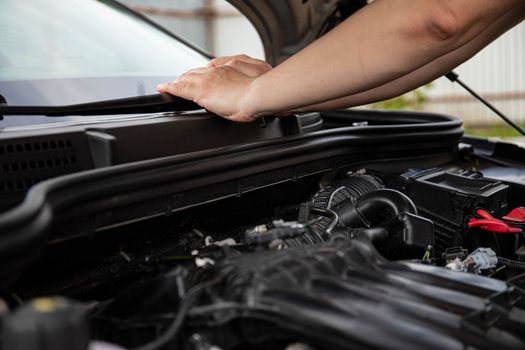
Close-up of hands working on car engine. Detailed view of automotive repair. Photo: Sergey Meshkov / Pexels
The success of your online used auto part purchase hinges on three critical factors: compatibility, condition, and warranty. Overlooking any of these can lead to frustration, wasted money, and prolonged vehicle downtime. First and foremost, compatibility is non-negotiable. Automotive parts are highly specific, and even subtle differences between model years or trim levels can render a part unusable. The single most important tool at your disposal for verifying compatibility is your vehicle's Vehicle Identification Number (VIN). Most reputable online sellers will ask for your VIN or provide tools to cross-reference part numbers with your vehicle's specifications. Always double-check the part number of the used component against the part number recommended for your specific vehicle. Websites like RockAuto or parts.com can often help you find the correct OEM part number for your car, which you can then use to search for used equivalents. Don't rely solely on the year, make, and model; small variations in engines, transmissions, or even regional specifications can mean a part won't fit or function correctly. Taking the time to verify this step meticulously will save you immense hassle down the line. Next, thoroughly assess the condition of the part. Since you can't physically inspect it before purchase, you must rely heavily on the seller's description and photographs. Look for multiple, high-resolution images taken from different angles. Zoom in to check for cracks, excessive wear, corrosion, or any signs of damage that weren't explicitly mentioned. A transparent seller will highlight any imperfections. If the photos are blurry, limited, or seem generic, consider that a red flag. Don't hesitate to contact the seller with specific questions: "Are there any cracks on the mounting tabs?" or "What's the mileage on the donor vehicle for this transmission?" Their responsiveness and willingness to provide detailed answers can be a good indicator of their reliability. For electronic components, it's much harder to visually assess condition, so a strong warranty becomes even more vital. Always be wary of parts described as "as-is" with no returns, unless the price is extremely low and you're prepared for a gamble. Finally, the warranty offered on a used part is a testament to the seller's confidence in its quality. While a new part might come with a multi-year manufacturer's warranty, many reputable used parts sellers offer 30, 60, or even 90-day warranties. Some even provide extended options. A warranty offers peace of mind, protecting you if the part is defective or fails prematurely. Understand the terms: what does it cover? Is it a replacement or a refund? Who pays for return shipping? A strong warranty policy signals a seller who stands behind their products and is committed to customer satisfaction. Conversely, a seller offering no warranty or a very restrictive one might be indicating lower confidence in their inventory. Prioritizing sellers who offer a reasonable warranty, coupled with meticulous verification of compatibility and careful assessment of condition through detailed communication and imagery, are the pillars of a successful and stress-free experience when you buy used auto parts online.

Avoiding Pitfalls: Tips for a Smooth Online Used Parts Purchase

Creative depiction of online shopping with a miniature cart on a laptop keyboard. Photo: Nataliya Vaitkevich / Pexels
While the benefits of buying used auto parts online are substantial, navigating this market successfully requires a strategic approach to avoid common pitfalls. Here are essential tips to ensure a smooth and satisfactory purchase: * **Verify Seller Reputation:** Always check reviews and ratings. On platforms like eBay, look for high positive feedback percentages and read comments from previous buyers. On dedicated parts sites, search for independent reviews of the seller or company. A consistent pattern of positive experiences is a strong indicator of reliability. * **Communicate Clearly and Document Everything:** Before purchasing, establish clear communication with the seller. Ask specific questions about the part's condition, history, and any included accessories. Keep a record of all correspondence, including emails and messages. This documentation can be invaluable if a dispute arises. * **Understand Return Policies:** This is crucial. What are the conditions for returns? Is there a restocking fee? Who pays for return shipping if the part is defective or incorrect? A seller with a clear, reasonable return policy instills confidence, whereas vague or overly restrictive policies should raise concerns. * **Payment Security:** Use secure payment methods that offer buyer protection, such as PayPal or credit card payments. Avoid direct wire transfers or cash payments to unknown sellers, as these offer little recourse if something goes wrong. * **Compare Shipping Costs:** Shipping heavy or bulky auto parts can be expensive. Always factor shipping costs into the total price when comparing options. Some sellers offer free shipping, which can significantly impact the overall value. * **Don't Rush the Purchase:** Take your time. Research different sellers, compare prices, and thoroughly evaluate the part and seller before committing. Impulse buys are often regretted when it comes to used auto parts. * **Be Aware of "Core Charges":** For certain components (like alternators, starters, or brake calipers), you might encounter a "core charge." This is a refundable deposit that encourages you to return your old, failed part (the "core") for rebuilding. Understand if this applies and how to get your core charge back. By following these tips, you can significantly mitigate risks and maximize your chances of a successful and cost-effective experience when you choose to buy used auto parts online. The digital marketplace offers incredible opportunities, but informed decision-making is your best defense against potential issues.

Comparison

FeatureOnline Used PartsNew OEM PartsNew Aftermarket Parts
Cost SavingsHigh (50-80%)Low (0-20%)Medium (20-50%)
AvailabilityExcellent (Wide Network)Good (Dealer Dependent)Very Good (Retailers)
QualityVariable (Inspect Carefully)Excellent (Guaranteed)Variable (Brand Dependent)
WarrantyOften 30-90 DaysStandard (1-3+ Years)Often 6 Months-1 Year
Environmental ImpactVery Low (Recycled)High (New Production)Medium (New Production)
ConvenienceHigh (Ship to Door)Medium (Pick Up/Order)High (Ship to Door)
Compatibility CheckCrucial (VIN required)Guaranteed (OEM Fit)Often Good (Verify)

What Readers Say

"I needed a specific headlight assembly for my older Honda, and local yards were no help. Found exactly what I needed to buy used auto parts online through a national recycler, perfect condition, and saved over $200. The shipping was fast too!"

David R. · Dallas, TX

"Was skeptical about buying a used transmission online, but the seller provided detailed photos and a 90-day warranty. It arrived quickly, my mechanic installed it, and my truck runs like new. Amazing value compared to a new one."

Maria S. · Phoenix, AZ

"My catalytic converter was stolen, and a new one was quoting $1500+. I decided to buy used auto parts online, found a reputable seller, got one for $400. Passed emissions testing easily, saving me over a grand and getting my car back on the road."

Chris L. · Chicago, IL

"Finding a used engine control module for my BMW was tough. The one I ordered online had a minor scratch not shown in photos, but it functioned perfectly, and the price was unbeatable. Would recommend, just be extra thorough on photo review."

Jessica T. · Orlando, FL

"As a mechanic, I often guide my clients to buy used auto parts online for cost-effective repairs. The quality of parts available now, especially from larger recyclers, is excellent, often with good warranties. It's transformed how we approach repairs."

Robert K. · Seattle, WA

Frequently Asked Questions

Is it safe to buy used auto parts online?

Yes, it can be very safe if you follow best practices. Always buy from reputable sellers with strong reviews, verify part compatibility with your VIN, understand their return policies, and use secure payment methods. Many professional dismantlers offer warranties on their used parts, adding an extra layer of security.

How do I ensure the used part will fit my vehicle?

The most crucial step is to use your vehicle's VIN (Vehicle Identification Number) to confirm compatibility. Provide this to the seller or use online tools to cross-reference the part number. Relying solely on year, make, and model can lead to errors due to variations in trim levels or regional specifications.

What's the best way to check the condition of a used part before buying?

Since you can't inspect it physically, rely heavily on detailed, high-resolution photos from multiple angles. Ask the seller specific questions about any visible wear, damage, or the part's history, such as the mileage of the donor vehicle. A transparent seller will provide comprehensive information.

How much money can I really save by buying used auto parts online?

You can typically save anywhere from 50% to 80% compared to buying a new OEM part. The exact savings depend on the part's rarity, demand, and condition. For major components like engines or transmissions, these savings can amount to hundreds or even thousands of dollars.

Are used auto parts reliable compared to new aftermarket parts?

Often, a used OEM (Original Equipment Manufacturer) part can be more reliable than a new aftermarket part because it was built to the vehicle manufacturer's original specifications and has already proven its durability. Aftermarket part quality can vary significantly by brand, whereas a good used OEM part offers known quality at a lower price.

Who should consider buying used auto parts online?

Anyone looking to save money on vehicle repairs or maintenance, especially those with older or less common vehicles where new parts are expensive or hard to find. DIY mechanics, budget-conscious car owners, and even professional repair shops often utilize online used parts to offer more affordable options to their customers.

What are the risks involved with buying used parts, and how can I mitigate them?

Risks include receiving an incompatible or defective part, or dealing with uncooperative sellers. Mitigate these by thoroughly researching seller reputation, verifying compatibility with your VIN, meticulously checking product descriptions and photos, understanding return policies, and using secure payment methods with buyer protection.

Will buying used auto parts online become even more popular in the future?

Yes, the trend is expected to continue growing. As vehicle technology advances and new parts become more complex and expensive, the demand for cost-effective, reliable used alternatives will likely increase. Improved online platforms, better part cataloging, and enhanced shipping logistics will further facilitate this market.

Ready to save significantly on your next car repair? By understanding where to search, what to look for, and how to verify your purchases, you can confidently buy used auto parts online. Start exploring today and keep your vehicle running smoothly without the hefty price tag.

Topics: buy used auto parts onlineused car partssalvage yard partsrecycled auto partsauto parts online
Leo List

IE Escorts NO Escorts US Escorts NZ Escorts AU Escorts
Brampton weed
Adultwork EstrelaBet Vai de Bet R7 Bet Betão Galera Bet Rainbet Bet9ja Shop SportyBet BetKing Sisal Loto Foot Hollywoodbets YesPlay Odibets RushBet Jugabet BetWarrior BetCity MSport betPawa Fortebet