Unleash Power: Best Spark Plugs for Performance
best spark plugs for performance

Unleash Power: Best Spark Plugs for Performance

Unlock your engine's true potential with the right spark plugs for enhanced horsepower, torque, and efficiency.

Find Your Plugs

Key Takeaways

  • ✓ Spark plugs ignite the air-fuel mixture, crucial for engine combustion.
  • ✓ Performance plugs often feature iridium or platinum for durability and consistent spark.
  • ✓ Correct heat range is vital to prevent pre-ignition or fouling.
  • ✓ Upgrading can improve fuel economy, throttle response, and horsepower.

How It Works

1
Ignition Coil Delivers Voltage

The ignition coil transforms low battery voltage into thousands of volts. This high voltage is essential to create a powerful spark.

2
Voltage Travels to Spark Plug

The high-voltage current travels through the spark plug wire to the spark plug's central electrode. The plug is designed to isolate this current.

3
Spark Jumps the Gap

When the voltage is sufficient, it jumps the gap between the central and ground electrodes. This creates an arc of electricity – the spark.

4
Air-Fuel Mixture Ignites

The spark ignites the precisely compressed air-fuel mixture in the combustion chamber. This controlled explosion pushes the piston, generating power.

Understanding Spark Plug Technology for Peak Engine Performance
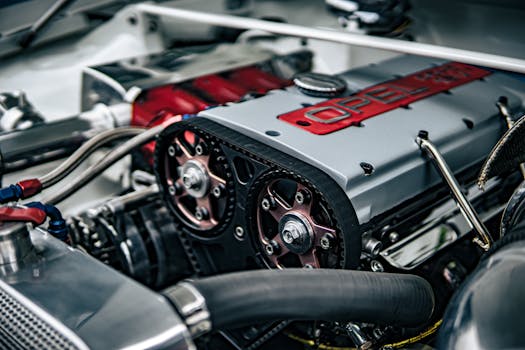
Detailed image showing the inner workings of an Opel car engine with components in focus. Photo: Sebastian Dziomba / Pexels
When we talk about the best spark plugs for performance, we're delving into a critical component that directly influences your engine's efficiency, power delivery, and overall responsiveness. Far from being a simple 'spark igniter,' modern spark plugs are highly engineered devices designed to withstand extreme conditions within your engine's combustion chambers. At their core, spark plugs function by creating a precisely timed electrical spark that ignites the compressed air-fuel mixture, initiating the power stroke. The quality and consistency of this spark are paramount for optimal combustion, which translates directly into horsepower, torque, and fuel economy. Traditional spark plugs, often made with copper cores, have served engines well for decades. However, the pursuit of enhanced performance, stricter emissions standards, and longer service intervals has driven significant advancements in spark plug technology. The primary focus of these advancements has been on the materials used for the electrodes and the design of the plug itself. Precious metals like platinum and iridium have become the gold standard (pun intended) for high-performance applications. These materials boast exceptional hardness, high melting points, and superior resistance to erosion and corrosion. This allows for much finer central electrodes, typically 0.6mm or less, compared to the 2.5mm or larger electrodes found in copper plugs. A finer electrode requires less voltage to generate a spark, resulting in a more consistent and powerful spark, especially under demanding conditions. This improved ignitability leads to more complete combustion, reducing misfires and enhancing power output. It also allows for wider spark gaps without compromising ignition reliability, further exposing the air-fuel mixture to the spark for a more robust burn. Beyond electrode material, the overall design of the spark plug plays a crucial role. Features like multi-ground electrodes, projected tips, and specific insulator designs are all engineered to optimize the spark and manage heat within the combustion chamber. For instance, a projected tip extends further into the combustion chamber, placing the spark closer to the center of the air-fuel mixture, promoting faster and more efficient flame propagation. The insulator, usually made of ceramic, must not only provide electrical insulation but also effectively transfer heat away from the tip to maintain an optimal operating temperature. Too hot, and it can cause pre-ignition; too cold, and it can lead to carbon fouling. This delicate balance, known as the 'heat range,' is meticulously calibrated by manufacturers for specific engine applications. Choosing the correct heat range is just as important as selecting the right material when seeking the ultimate engine performance. Ignoring this can lead to detrimental effects on engine longevity and performance. Therefore, understanding these technological nuances is the first step in selecting the best spark plugs for your performance needs, ensuring every ignition cycle contributes efficiently to your vehicle's power.

Iridium vs. Platinum: Which Material Delivers Superior Performance?

Stylish young adult with platinum hair stands against urban industrial backdrop. Photo: Khoa Võ / Pexels
When evaluating the best spark plugs for performance, the choice between iridium and platinum often comes to the forefront. Both are considered premium materials, far surpassing traditional copper in terms of durability and performance characteristics, but they offer distinct advantages tailored to different performance objectives and engine demands. Understanding these differences is key to making an informed decision for your vehicle. Iridium spark plugs are widely regarded as the pinnacle of performance and longevity. Iridium is an incredibly hard, dense, and corrosion-resistant precious metal with an extremely high melting point, second only to osmium. These properties allow manufacturers to craft central electrodes that are exceptionally fine, often as small as 0.4mm to 0.6mm in diameter. This ultra-fine tip concentrates the electrical field, requiring less voltage to generate a powerful spark. The result is superior ignitability, especially in engines with high compression ratios, forced induction (turbochargers or superchargers), or lean-burn conditions. The enhanced spark consistency of iridium plugs leads to more complete combustion, which in turn translates to better fuel efficiency, increased horsepower and torque, and reduced emissions. Furthermore, iridium's extreme durability means these plugs can maintain their optimal gap and performance for a significantly longer period, often exceeding 100,000 miles, making them an excellent long-term investment for performance enthusiasts who prioritize maximum output and extended service intervals. They are particularly favored in modern, high-tech engines that demand precise and reliable ignition. Platinum spark plugs, while perhaps a step below iridium in terms of ultimate performance and longevity, still represent a significant upgrade over copper. Platinum is also a precious metal known for its high melting point and excellent corrosion resistance. It typically allows for a finer electrode than copper, though not as fine as iridium, usually in the range of 0.6mm to 0.8mm for single platinum plugs (where only the center electrode is platinum). Double platinum plugs feature platinum on both the center and ground electrodes, which is particularly beneficial for distributorless ignition systems (DIS) or coil-on-plug (COP) systems that reverse polarity, ensuring consistent wear on both electrodes and extending their lifespan. Platinum plugs offer improved ignitability and fuel efficiency compared to copper, providing a noticeable performance boost and longer service life, typically ranging from 60,000 to 80,000 miles. They are a great middle-ground option for those seeking enhanced performance and durability without the premium price tag of iridium, or for older vehicles where iridium might be overkill. While iridium generally offers the cutting edge for sheer performance, platinum remains a highly capable and cost-effective choice for many applications, delivering a strong balance of performance, longevity, and value. In summary, if you're pushing the limits of your engine and demand the absolute best in ignitability, power, and durability, iridium spark plugs are the undisputed champions. For a robust performance upgrade with excellent longevity at a more accessible price point, platinum plugs, especially double platinum, are an outstanding choice. Your vehicle's specific requirements, engine modifications, and budget will ultimately guide your decision between these two formidable options.

Choosing the Right Heat Range and Gap for Maximum Performance

Close-up of a car engine featuring a red and black color scheme with open hood. Photo: Aliaksei Semirski / Pexels
Selecting the best spark plugs for performance goes beyond just material; the heat range and the spark gap are equally critical factors that can significantly impact your engine's output and longevity. Ignoring these aspects can lead to detrimental consequences, ranging from reduced efficiency to severe engine damage. The 'heat range' of a spark plug refers to its ability to dissipate heat from the combustion chamber. It's not about the heat generated by the spark itself, but rather how quickly the plug can transfer heat away from its tip to the cylinder head's cooling system. Spark plugs are designed to operate within a specific temperature window: hot enough to burn off carbon deposits (preventing fouling) but cool enough to avoid pre-ignition or detonation. A 'hot' spark plug has a longer insulator nose, which means it retains more heat, making it suitable for engines that run at lower temperatures or are prone to fouling. Conversely, a 'cold' spark plug has a shorter insulator nose, allowing it to dissipate heat more rapidly. These are essential for high-performance engines, forced induction setups, or vehicles that are frequently driven aggressively. Such engines generate significantly more heat, and a colder plug prevents the electrode from becoming too hot, which could act as an ignition source before the spark plug fires (pre-ignition), leading to engine knock, power loss, and potentially catastrophic damage. Always refer to your vehicle manufacturer's specifications or consult with a reputable tuner when making significant changes to the heat range, especially after engine modifications. Deviating too far from the recommended heat range without proper understanding can be very risky. The 'spark gap' is the distance between the central electrode and the ground electrode, and it's another fundamental aspect of spark plug performance. This gap is where the electrical current jumps to create the spark. The ideal gap size is a delicate balance: a gap that's too small might produce a weak spark that struggles to ignite the air-fuel mixture effectively, leading to misfires and poor combustion. A gap that's too large, on the other hand, might require excessive voltage to bridge, potentially overworking the ignition coil or leading to intermittent misfires, especially under high boost or high RPM conditions. Modern ignition systems and high-performance spark plugs (particularly iridium) are designed to produce a strong spark across a relatively wide gap, optimizing flame kernel growth and ensuring complete combustion. However, engine modifications such as forced induction, higher compression, or aftermarket ignition systems might necessitate a slight adjustment to the factory-recommended gap. For example, forced induction engines often benefit from a slightly smaller gap to prevent spark blowout under high cylinder pressures. Always check the manufacturer's recommendations for your specific performance spark plugs and engine, and use a proper gapping tool to ensure accuracy. Never attempt to gap fine-wire iridium plugs by bending the center electrode, as this can easily damage the delicate tip. Instead, carefully adjust the ground electrode only. Proper heat range and gap adjustment are non-negotiable for extracting maximum, reliable performance from your engine.

Common Mistakes and Expert Tips for Spark Plug Upgrades

Close-up of a mechanic's hands working on car engine maintenance. Photo: Sergey Meshkov / Pexels
Upgrading to the best spark plugs for performance can yield significant benefits, but several common mistakes can undermine these advantages or even cause damage. Avoiding these pitfalls and following expert tips will ensure a successful and beneficial spark plug upgrade. **Common Mistakes to Avoid:** * **Incorrect Heat Range:** Installing a plug that's too hot can cause pre-ignition and detonation, leading to severe engine damage. A plug that's too cold can lead to fouling and misfires. Always stick to the manufacturer's recommended heat range unless advised otherwise by an experienced tuner for highly modified engines. * **Improper Gapping:** Using the wrong gap can lead to misfires, reduced power, and excessive wear on ignition components. Never assume new plugs are pre-gapped correctly for your specific application. Always check and adjust (if necessary, only the ground electrode, especially on fine-wire plugs) using a proper gapping tool. * **Overtightening or Undertightening:** Overtightening can strip threads in the cylinder head, crack the spark plug insulator, or distort the plug's internal components. Undertightening can lead to poor heat transfer, allow combustion gases to escape, and cause the plug to loosen, potentially damaging the cylinder head. Always use a torque wrench to the manufacturer's specifications. * **Using Anti-Seize on Plugs with Special Coatings:** Many modern spark plugs, especially those with nickel-plated shells, come with an anti-corrosive coating that also acts as a lubricant. Applying additional anti-seize can lead to over-torquing and damage the cylinder head threads or the plug itself. Consult the spark plug manufacturer's instructions. * **Ignoring Ignition System Condition:** High-performance plugs won't compensate for a failing ignition coil or worn-out spark plug wires. Ensure your entire ignition system is in good working order for optimal results. **Expert Tips for a Successful Upgrade:** * **Consult Your Vehicle's Manual:** Always start with your car's owner's manual or a reputable service manual for the factory-recommended spark plug type and specifications. * **Research Specific Performance Plugs:** Look for spark plugs specifically designed for your vehicle's make, model, and engine, especially if you have performance modifications. Brands like NGK, Denso, Bosch, and Champion offer excellent performance options. * **Use a Torque Wrench:** This cannot be stressed enough. A torque wrench is crucial for proper installation and preventing damage. * **Inspect Old Plugs:** Before removing them, examine your old spark plugs. Their condition can offer valuable insights into your engine's health and combustion efficiency. * **Replace All Plugs Simultaneously:** For consistent engine performance and to avoid future issues, always replace all spark plugs at the same time. * **Consider Coil-on-Plug (COP) System Compatibility:** If your vehicle has a COP system, ensure the chosen spark plugs are compatible and designed to work optimally with this setup. * **Test Drive and Monitor:** After installation, take your vehicle for a test drive and pay attention to any changes in engine idle, acceleration, and overall feel. Monitor for any check engine lights. By heeding these warnings and following expert advice, you can ensure your investment in the best spark plugs for performance truly pays off, delivering enhanced power, efficiency, and reliability for your vehicle.

Comparison

FeatureIridium Spark PlugsDouble Platinum PlugsCopper/Nickel Plugs
Electrode MaterialIridiumPlatinum (center & ground)Copper/Nickel Alloy
Electrode Diameter0.4-0.6mm (fine wire)0.6-0.8mm (fine wire)2.5mm+ (thick)
Longevity100,000+ miles60,000-80,000 miles20,000-30,000 miles
IgnitabilityExcellent (low voltage req.)Very GoodGood
Performance ImpactMax HP, Torque, Fuel Eff.Improved HP, Torque, Fuel Eff.Standard
CostHighestMid-HighLowest
Best ForHigh-performance, Turbo/Supercharged, Modern enginesDIS/COP systems, Performance upgrade, Longer intervalsOlder engines, Budget-conscious, Frequent changes

What Readers Say

"Switched to NGK Iridium plugs in my Mustang GT. The difference in throttle response and high-RPM pull is genuinely noticeable. My engine feels much smoother, and I've even seen a slight bump in MPG. Definitely the best spark plugs for performance I've used."

David M. · Austin, TX

"After installing Denso Iridium TTs, my Subaru WRX revs quicker and feels more eager. Cold starts are better, and I've had no misfires under boost. Worth every penny for the improved drivability and power delivery. Highly recommend for any performance vehicle."

Sarah P. · Denver, CO

"My older BMW 335i was feeling a bit sluggish, so I upgraded to Bosch Double Platinum. The idle is noticeably smoother, and acceleration is much crisper now. It's like the car got a new lease on life, and I'm very happy with the results. These are fantastic performance spark plugs."

Mark J. · Miami, FL

"I put Champion Iridium plugs in my modified Honda Civic. While the performance gain wasn't massive, the engine definitely feels more consistent and the fuel economy seems to have improved slightly. Installation was straightforward, and they've held up well so far, but don't expect miracles from just plugs."

Jessica L. · Seattle, WA

"As a track day enthusiast, reliable ignition is paramount. I've been running Denso Iridium in my track-prepped Porsche for years. They withstand the extreme heat and constant high RPMs without a single misfire. For serious performance, these are the only spark plugs I trust."

Robert K. · Chicago, IL

Frequently Asked Questions

What makes certain spark plugs 'performance' spark plugs?

Performance spark plugs typically feature precious metal electrodes (like iridium or platinum) that allow for finer tips and greater durability. This results in a more consistent, powerful spark with lower voltage requirements, leading to more complete combustion, increased horsepower, better fuel efficiency, and extended service life compared to standard copper plugs. Their design optimizes heat transfer and ignitability under demanding engine conditions.

Will installing performance spark plugs void my car's warranty?

Generally, replacing spark plugs with aftermarket performance options will not void your entire car's warranty, especially if they are direct replacements and correctly installed. However, if an issue directly related to the spark plugs causes engine damage, the manufacturer might deny coverage for that specific repair. Always check your warranty terms and consider reputable brands.

How often should I replace performance spark plugs?

The replacement interval for performance spark plugs largely depends on the material. Iridium plugs often last 100,000 miles or more, while double platinum plugs typically perform optimally for 60,000 to 80,000 miles. Always refer to the spark plug manufacturer's recommendations and your vehicle's service schedule, especially if your engine is heavily modified or driven aggressively.

Are expensive performance spark plugs really worth the cost?

For many drivers, especially those with modern or performance-oriented vehicles, the increased cost of premium performance spark plugs is justified. They offer benefits like improved fuel economy, smoother idle, better throttle response, and potentially a slight increase in horsepower and torque, along with significantly longer service intervals. The total cost of ownership can often be lower due to fewer replacements.

How do performance spark plugs compare to 'cold' spark plugs?

Performance spark plugs often come in various heat ranges, including 'colder' options. A 'cold' plug is designed to dissipate heat more rapidly from the combustion chamber, which is crucial for high-performance or forced induction engines that generate more heat. While performance plugs focus on ignitability and durability, a cold heat range is a specific characteristic chosen to prevent pre-ignition in demanding applications. They can often be combined.

Who should consider upgrading to the best spark plugs for performance?

Anyone looking to optimize their engine's efficiency and power output can benefit. This includes owners of performance vehicles, those with modified engines (e.g., turbo, supercharger, tune), drivers seeking better fuel economy and throttle response, or individuals who simply want the longest-lasting and most reliable ignition components for their daily driver.

Can I install performance spark plugs myself, or should a mechanic do it?

While spark plug replacement can be a DIY task for many, using a torque wrench to prevent over/under-tightening and correctly gapping (if required) are crucial. If you're unsure, or if your vehicle's spark plugs are difficult to access, it's always best to have a qualified mechanic perform the installation to ensure proper procedure and avoid potential engine damage.

What future advancements are expected in spark plug technology?

Future advancements in spark plug technology are likely to focus on even greater durability, efficiency, and adaptability. This could include further refined electrode materials, advanced insulator designs for even better heat management, and potentially new ignition technologies like laser ignition or plasma ignition, which promise even more precise and powerful combustion for next-generation engines and alternative fuels.

Ready to unlock your engine's full potential? Investing in the best spark plugs for performance is a simple yet effective upgrade that delivers tangible improvements in power, efficiency, and overall driving experience. Explore our recommended options and feel the difference today.

Topics: best spark plugs for performanceengine performance spark plugshigh performance spark plugsspark plug upgradeautomotive ignition
Leo List
Brampton weed
Adultwork