The Best Car Air Filters for Allergies: Breathe Easy Driving
June 19, 2026 15 min read 2,975 words
Transform your vehicle's cabin into an allergy-free sanctuary with advanced filtration technology.
Find Your Filter Now
Understanding Car Air Filters and Allergy Triggers
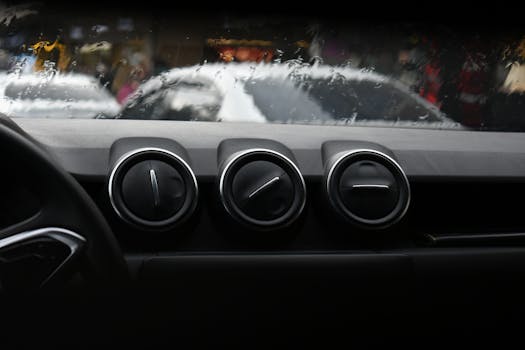 Photo: Abdulvahap Demir / Pexels
For millions of Americans, the simple act of driving can become a miserable ordeal during allergy season, or even year-round. Sneezing, watery eyes, coughing, and general discomfort aren't just inconvenient; they can significantly impair concentration and driving safety. The culprit? Microscopic airborne particles that infiltrate your vehicle's cabin from the outside world. These include common allergens like pollen, dust mites, mold spores, pet dander, and even industrial pollutants and exhaust fumes. While you might think your car's windows keep these out, the reality is that your vehicle's ventilation system constantly draws in outside air, unless it's equipped with an effective filtration system. This is where the unsung hero of your car's interior environment comes into play: the cabin air filter.
Most modern cars come equipped with a cabin air filter as standard. However, not all filters are created equal, especially when it comes to combating severe allergies. A standard cabin air filter is designed to prevent larger debris like leaves, bugs, and coarse dust from entering the HVAC system, protecting components like the blower motor and evaporator core. While it offers some basic filtration, it often falls short in capturing the fine particulate matter that triggers allergic reactions. Pollen grains, for instance, can range from 10 to 100 microns, while dust mites and mold spores are typically 10-30 microns. Even smaller are pet dander particles (2.5-10 microns) and fine particulate matter (PM2.5) from pollution, which are 2.5 microns or less. A basic filter might let a significant percentage of these smaller, more irritating particles pass right through.
Choosing the
best car air filters for allergies means looking beyond the standard OEM (Original Equipment Manufacturer) part. It involves understanding the different types of filtration media and their effectiveness against various allergen sizes. The goal is to create a sanctuary within your vehicle, allowing you to breathe freely and focus on the road, regardless of what's circulating outside. Investing in a superior cabin air filter is not just about comfort; it's about health and safety. Reduced allergy symptoms mean less distraction, fewer sneezes behind the wheel, and a generally more pleasant driving experience for allergy sufferers and their passengers. It's a proactive step towards mitigating environmental triggers within a space where many people spend a considerable amount of time. We’ll delve into the specifics of what makes a filter truly effective for allergy relief, ensuring you make an informed decision for your vehicle and well-being. This foundational understanding is crucial before exploring the various options available on the market, as not all filters offer the same level of protection or target the same range of contaminants. Understanding particle sizes and filter ratings will empower you to select a filter that truly makes a difference in your driving environment.
Key Features to Look for in Allergy-Friendly Car Air Filters
When selecting the best car air filter for allergies, several critical features differentiate a basic filter from a high-performance allergy-combatant. The effectiveness of a filter is primarily determined by its filtration media, its MERV (Minimum Efficiency Reporting Value) rating, and the inclusion of additional technologies like activated carbon. Understanding these aspects is key to making an informed decision that will significantly improve your in-car air quality.
Firstly, consider the filtration media. The gold standard for allergy sufferers is a HEPA (High-Efficiency Particulate Air) grade filter. True HEPA filters are designed to capture 99.97% of airborne particles as small as 0.3 microns. This tiny particle size encompasses virtually all common allergens, including pollen, dust mites, mold spores, pet dander, and even many bacteria and viruses. While some automotive filters are marketed as 'HEPA-like' or 'HEPA-style,' it's crucial to look for those explicitly stating 'True HEPA' or meeting the stringent HEPA standard. These filters achieve their high efficiency through a dense, intricate web of fibers that trap particles through a combination of interception, impaction, and diffusion.
Secondly, the MERV rating provides a standardized way to compare the effectiveness of different filters. While MERV ratings are more commonly associated with home HVAC filters, some automotive filter manufacturers are starting to adopt similar metrics or provide comparable efficiency data. A higher MERV rating indicates a greater ability to capture smaller particles. For allergy relief, you'll want a filter with the highest possible MERV equivalent, ideally MERV 11 or higher, which can effectively remove fine dust, pet dander, mold spores, and pollen. True HEPA filters often exceed MERV 16 efficiency, making them exceptionally effective.
Beyond particulate filtration, odors and harmful gases are also significant concerns for allergy sufferers, as irritants can exacerbate symptoms. This is where activated carbon, also known as charcoal, comes into play. Activated carbon filters feature an additional layer impregnated with charcoal granules. This porous material excels at adsorbing gases, volatile organic compounds (VOCs), exhaust fumes, industrial pollutants, and unpleasant odors from the air. While it doesn't filter particulates, the combination of a HEPA-grade filter with an activated carbon layer provides comprehensive protection against both airborne allergens and chemical irritants. This dual-layer approach is often the most beneficial for individuals with heightened sensitivities or those who frequently drive in urban or polluted environments.
Some advanced filters may also incorporate electrostatic properties. These filters use electrostatically charged fibers to attract and capture particles, similar to how static electricity attracts dust. This can enhance the filter's ability to trap very fine particles that might otherwise slip through. When evaluating filters, always check the manufacturer's specifications for particle capture efficiency and what specific allergens or pollutants they are designed to address. The best car air filters for allergies will typically boast high efficiency ratings, often include activated carbon, and explicitly state their ability to tackle a broad spectrum of airborne contaminants, ensuring a cleaner, healthier cabin environment for you and your passengers.
Top Contenders: The Best Car Air Filters for Allergy Sufferers
Navigating the market for the best car air filters for allergies can be daunting, given the myriad of options available. However, focusing on specific brands and types that consistently deliver superior performance for allergy sufferers can simplify the choice. These top contenders typically combine advanced filtration media with robust construction, ensuring both efficiency and durability. When considering which filter to purchase, always cross-reference with your vehicle's make, model, and year to ensure compatibility, as cabin air filters are vehicle-specific.
One of the leading brands renowned for its allergy-friendly filters is Bosch, particularly their HEPA cabin filters. Bosch HEPA filters are engineered to trap 99.97% of airborne allergens, dust, and other contaminants as small as 0.3 microns. They often incorporate multiple layers, including a melt-blown electrostatic layer and a non-woven filter layer, to maximize particle capture. Many Bosch filters also feature an activated carbon layer, providing the added benefit of odor and gas adsorption, making them a comprehensive solution for both particulate and gaseous pollutants. Their reputation for quality and performance makes them a top choice for those seeking superior air purification.
Another highly regarded option comes from Mann-Filter, a prominent OEM supplier for many European car manufacturers. Mann-Filter offers a range of FreciousPlus cabin filters, which are specifically designed with allergy sufferers in mind. These filters boast a unique biofunctional coating that not only captures allergens like pollen but also prevents the growth of mold and bacteria on the filter surface itself. This innovative approach adds an extra layer of protection, as it stops microorganisms from proliferating within the HVAC system. Combined with a robust particulate filter layer and an activated carbon layer, FreciousPlus filters offer exceptional protection against allergens, fine dust, and unpleasant odors.
PurolatorONE Advanced Cabin Air Filters are also strong contenders. While not always true HEPA, their advanced multi-layer synthetic media is designed to capture up to 99% of fine particles like pollen, dust, and pet dander. Many PurolatorONE filters also integrate activated carbon for odor removal. They represent an excellent balance of performance and value, making them accessible to a wider range of allergy sufferers looking for significant improvement over standard filters without necessarily opting for the highest-tier HEPA options. Their robust construction ensures durability and consistent performance throughout their service life.
For those seeking absolute top-tier performance, especially in vehicles where a true HEPA standard filter is available, brands like K&N, while known for engine air filters, also offer high-efficiency cabin air filters. However, careful examination of their cabin filter specifications is needed as not all K&N cabin filters reach HEPA grade. Some specialized filters, often found in luxury or electric vehicles, might also offer factory-installed HEPA or N95-equivalent filtration, such as those found in some Tesla models. These integrated systems are designed to offer unparalleled air quality from the outset. When choosing, always consider your specific vehicle's requirements and the level of filtration needed to combat your particular allergy triggers. Reading detailed product reviews and specifications is crucial to ensure the filter you select will deliver the promised allergy relief. For more insights on general
car maintenance tips, remember that a clean cabin air filter is just one component of overall vehicle health.
Installation and Maintenance Tips for Optimal Allergy Relief
Even the best car air filter for allergies won't perform optimally if it's not installed correctly or maintained regularly. Proper installation and timely replacement are critical steps to ensure you're getting the full benefit of your investment in cleaner cabin air. Neglecting these aspects can lead to diminished air quality, reduced HVAC efficiency, and potentially even damage to your car's ventilation system.
**Installation:** The process of installing a cabin air filter is often surprisingly straightforward, though it varies significantly by vehicle make and model. Most cabin air filters are located behind the glove compartment, under the hood near the windshield, or sometimes under the dashboard.
1. **Locate the Filter Housing:** Consult your car's owner's manual for the exact location and specific instructions for accessing the cabin air filter. For many vehicles, this involves opening the glove compartment, detaching it from its hinges or retaining clips, and then opening a small access panel behind it.
2. **Remove the Old Filter:** Note the direction of the airflow arrow on the old filter before removing it. This arrow indicates the direction of air movement through the filter, and it's crucial to install the new filter facing the same way. The old filter will likely be dirty, filled with leaves, dust, and possibly even mold, which underscores the importance of replacement.
3. **Clean the Housing (Optional but Recommended):** While the housing is open, take a moment to wipe away any accumulated dust or debris with a cloth or vacuum. This prevents immediate contamination of your new filter.
4. **Install the New Filter:** Carefully insert the new allergy-friendly filter, ensuring the airflow arrow points in the correct direction. Close the access panel and reattach the glove compartment or other components.
**Maintenance and Replacement:** The general recommendation for cabin air filter replacement is annually or every 12,000 to 15,000 miles, whichever comes first. However, for allergy sufferers or those who frequently drive in dusty, polluted, or heavily forested areas (high pollen counts), more frequent replacement may be necessary. Some experts suggest checking the filter every 6 months and replacing it if it appears dirty.
**Signs it's time for a replacement include:**
* **Reduced airflow:** If your HVAC system isn't blowing as strongly as it used to, a clogged filter could be the culprit.
* **Musty or stale odors:** A dirty filter can harbor mold and bacteria, leading to unpleasant smells.
* **Increased allergy symptoms:** If your allergy symptoms worsen while driving, it's a clear sign your filter is no longer effectively capturing allergens.
* **Visible dirt and debris:** A quick visual inspection, if accessible, will often reveal a filter laden with leaves, dust, and other grime.
Regular replacement not only ensures optimal air quality for allergy relief but also helps maintain the efficiency of your car's HVAC system, potentially saving on fuel and preventing costly repairs down the line. Always opt for a high-quality, allergy-specific filter for maximum benefit. Don't underestimate the impact of a clean, high-performance cabin air filter on your driving comfort and overall health, especially during peak allergy seasons.
