
Aftermarket Car Parts vs OEM: Your Ultimate Guide
aftermarket car parts vs oem

Aftermarket Car Parts vs OEM: Your Ultimate Guide

Unlock the secrets to choosing the right parts for your vehicle, balancing quality, cost, and performance.

Find Your Perfect Part

Key Takeaways

  • ✓ OEM parts are made by the vehicle's original manufacturer, guaranteeing a precise fit and function.
  • ✓ Aftermarket parts are produced by third-party companies, often offering a wider range of options and price points.
  • ✓ Cost is a primary differentiator, with aftermarket parts typically being more affordable.
  • ✓ Warranty coverage can vary significantly between OEM and aftermarket options.

How It Works

1
Identify Your Need

Determine which part of your vehicle needs replacement or upgrade. This clarity will guide your part selection process.

2
Research Part Options

Explore both OEM and aftermarket options for the specific part. Look into brands, reviews, and specifications.

3
Compare & Evaluate

Weigh the pros and cons of each option, considering factors like price, warranty, quality, and availability. Use this guide as your reference.

4
Make an Informed Decision

Select the part that best fits your budget, vehicle requirements, and personal preferences. Don't hesitate to consult a trusted mechanic.

Understanding OEM Auto Parts: Precision and Peace of Mind
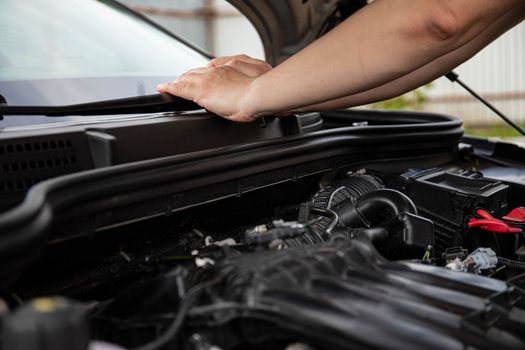
Close-up of hands working on car engine. Detailed view of automotive repair. Photo: Sergey Meshkov / Pexels
When you hear the term 'OEM,' it stands for Original Equipment Manufacturer. These are the parts designed and produced by the same company that manufactured your vehicle, or by a company contracted by the original manufacturer to produce parts to their exact specifications. Think of it this way: when your car rolled off the assembly line, every single component, from the smallest bolt to the largest engine block, was an OEM part. This inherent connection to the vehicle's original design is a significant factor in their appeal. The primary advantage of OEM parts is their guaranteed fit and function. Because they are identical to the parts your car was built with, there's no guesswork involved in installation. Mechanics often prefer OEM parts for their ease of installation and the assurance that they will perform exactly as intended by the vehicle's engineers. This precision extends to material quality, durability, and compatibility with other vehicle systems. For instance, an OEM brake pad will be engineered to work seamlessly with your car's specific brake calipers and rotors, maintaining the original braking performance and safety standards. This can be particularly crucial for critical components like engine parts, transmission components, or complex electronic modules where precise integration is paramount. Another significant benefit of OEM parts is the warranty. Most OEM parts come with a manufacturer's warranty, often matching or exceeding the original vehicle warranty for that specific component. This provides an additional layer of protection and peace of mind, knowing that if the part fails prematurely due to a manufacturing defect, you’re covered. Dealerships and authorized service centers almost exclusively use OEM parts, partly due to these warranty considerations and partly to maintain the vehicle's original specifications and performance. While the cost of OEM parts is generally higher, many vehicle owners and some mechanics argue that the long-term reliability, perfect fit, and strong warranty justification the premium. For those who prioritize maintaining their vehicle in its original factory condition, OEM parts are often the only acceptable choice. They eliminate concerns about compatibility, performance degradation, or potential issues arising from non-standard parts, offering a straightforward, albeit more expensive, solution for vehicle repair and maintenance. It's a choice often made by those who plan to keep their vehicle for a long time or are concerned about resale value, as a history of using OEM parts can be a selling point. Explore more about genuine auto parts.

Exploring Aftermarket Car Parts: Variety, Value, and Innovation
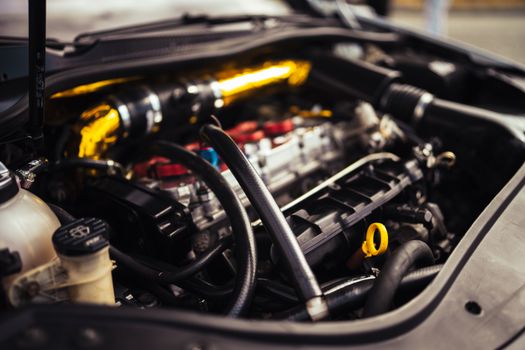
Detailed image of car engine components showcasing automotive engineering and mechanics. Photo: Călin Răzvan / Pexels
Aftermarket car parts represent a vast and diverse industry, offering an alternative to OEM components. These parts are manufactured by companies other than the original vehicle maker, often specializing in specific components or offering a broader range of products. The aftermarket landscape is incredibly competitive, driving innovation and providing consumers with a wealth of choices that cater to various needs and budgets. This sector encompasses everything from basic replacement parts like oil filters and brake pads to performance-enhancing components such as turbochargers and suspension kits, as well as cosmetic upgrades like custom lighting or body kits. The most compelling advantage of aftermarket parts is often their price point. Generally, aftermarket parts are more affordable than their OEM counterparts, sometimes significantly so. This cost difference can make a substantial impact, especially for older vehicles where the cost of OEM repairs might exceed the car's value, or for routine maintenance items that are frequently replaced. This affordability doesn't necessarily equate to lower quality. Many aftermarket manufacturers produce parts that meet or even exceed OEM specifications, often leveraging advanced materials or design improvements. For example, an aftermarket brake pad might offer better dust reduction or longer wear life than the OEM version, or an aftermarket shock absorber might provide a more comfortable or sporty ride. Beyond cost, aftermarket parts offer unparalleled variety and innovation. Where OEM parts are designed to meet the original factory specifications, aftermarket manufacturers often seek to improve upon them. This can manifest in performance upgrades, enhanced durability, or specialized features not available in OEM options. For enthusiasts looking to customize or tune their vehicles, the aftermarket is a treasure trove of possibilities. From cold air intakes that boost horsepower to lowering springs that improve handling, aftermarket parts allow drivers to tailor their vehicle to their specific driving style and preferences. The sheer volume of brands and products means that almost any part can be found with multiple aftermarket options, each with its own set of features and benefits. However, this variety also necessitates careful research. Not all aftermarket parts are created equal; quality can range from excellent to subpar. It’s crucial to choose reputable brands and suppliers known for their quality control and customer support. Many aftermarket parts also come with their own warranties, though these can vary widely in coverage and duration. Understanding these nuances is key to making a wise purchase in the aftermarket segment. The ability to find parts for older or less common vehicles, where OEM parts might be discontinued or hard to source, is another significant benefit of the aftermarket. Discover more about finding reliable aftermarket options.

Factors to Consider When Choosing Between Aftermarket and OEM Car Parts

Black BMW and white Audi luxury sedans parked outdoors on a gravel path. Photo: Zenith / Pexels
Deciding between aftermarket and OEM car parts isn't a one-size-fits-all situation; it depends heavily on several critical factors related to your vehicle, your budget, and your priorities. Making an informed choice requires a careful evaluation of these elements. **Vehicle Age and Value:** For newer vehicles, especially those still under warranty, opting for OEM parts is often recommended. Using non-OEM parts might, in some cases, void certain aspects of your manufacturer's warranty, particularly if the aftermarket part is directly linked to a warranty claim. For older vehicles, where the resale value is lower and the original warranty has expired, aftermarket parts often present a more cost-effective solution. The significant price difference can make repairs economically viable that would otherwise be too expensive with OEM components. **Type of Part:** The nature of the part being replaced is a major consideration. For critical components that directly impact safety and vehicle performance, such as brake system components (calipers, rotors, master cylinders), steering and suspension parts, or complex engine electronics, many prefer the guaranteed compatibility and quality of OEM. The risk associated with a poorly fitting or malfunctioning critical part is much higher. However, for less critical items like air filters, cabin filters, wiper blades, or cosmetic body panels, aftermarket options are often perfectly acceptable and can provide substantial savings without compromising safety or core functionality. Some aftermarket brands even specialize in these less critical items, offering superior performance or design. **Budget Constraints:** Your budget is undeniably a primary driver. OEM parts almost always carry a higher price tag. If cost is your absolute top priority, aftermarket parts will almost always win out. It's important, however, to balance cost savings with potential long-term value. A cheaper aftermarket part that fails prematurely might end up costing more in the long run due to repeat repairs or damage to other components. **Availability and Urgency:** Sometimes, the choice is dictated by what's available. OEM parts can sometimes have longer lead times, especially for older or less common vehicles, or during supply chain disruptions. Aftermarket parts, due to their wider production base, are often more readily available, which can be crucial if you need a repair done quickly. **Warranty and Reputation:** Always inquire about the warranty offered for both OEM and aftermarket parts. OEM parts typically have a strong, consistent warranty. Aftermarket warranties can vary wildly, so ensure you understand the terms before purchase. Furthermore, research the reputation of aftermarket brands. Some aftermarket manufacturers are highly regarded for their quality and reliability, while others may produce lower-grade products. Online reviews, mechanic recommendations, and forums can be excellent resources for assessing brand reputation. **Performance and Customization:** If you're looking to enhance your vehicle's performance, modify its appearance, or achieve specific driving characteristics, the aftermarket is where you'll find the most options. OEM parts are designed for standard performance; aftermarket parts cater to a spectrum of specialized needs, from racing to off-roading to luxury upgrades. This is where the aftermarket truly shines for enthusiasts. By carefully weighing these factors, you can make a strategic decision that aligns with your specific needs and ensures your vehicle remains reliable and performs as desired. Learn more about maximizing your auto parts budget.

Avoiding Common Pitfalls and Making Smart Choices

Mechanic working beneath a classic Volkswagen Beetle in a vintage garage setting. Photo: Gratisography / Pexels
Navigating the world of auto parts can be daunting, but by being aware of common pitfalls and employing smart strategies, you can make choices that save you money and ensure your vehicle's longevity. Here are some key tips: * **Don't Always Assume Cheaper is Better:** While aftermarket parts often offer significant savings, the absolute cheapest option might not always be the best value. Extremely low-priced parts could indicate inferior materials or manufacturing processes, leading to premature failure and additional repair costs down the line. It's crucial to find a balance between cost and quality. * **Verify Compatibility:** Always double-check that any part you purchase, whether OEM or aftermarket, is specifically designed for your vehicle's make, model, year, and engine type. Even subtle differences can lead to fitment issues, poor performance, or even damage to other components. Use VIN numbers when possible, or consult with a parts specialist. * **Research Aftermarket Brands:** Not all aftermarket brands are created equal. Some are renowned for their quality and reliability, often matching or exceeding OEM standards, while others may be of lesser quality. Look for brands with a strong reputation, positive reviews, and industry certifications. Websites like Consumer Reports, automotive forums, and trusted mechanic recommendations can be invaluable resources. * **Understand Warranty Terms:** Before purchasing, clearly understand the warranty offered for the part. OEM warranties are generally straightforward. Aftermarket warranties can vary greatly in duration and coverage. A robust warranty is a good indicator of a manufacturer's confidence in their product. * **Consult Your Mechanic:** If you're unsure, talk to your mechanic. They often have extensive experience with various brands and can provide recommendations based on their professional judgment and the specific needs of your vehicle. They can also advise on whether an aftermarket part might affect your vehicle's overall performance or warranty. * **Consider the Impact on Resale Value:** For newer or high-value vehicles, using OEM parts can sometimes contribute to maintaining a higher resale value, as buyers often prefer vehicles with original components. For older vehicles, this factor becomes less significant. * **DIY vs. Professional Installation:** If you plan to install the part yourself, consider the complexity. Some aftermarket parts might require minor modifications or specialized tools, which could be challenging for a novice. Professional installation is always recommended for critical safety components. By keeping these tips in mind, you can confidently choose between aftermarket and OEM parts, ensuring your vehicle receives the best possible care without breaking the bank.

Comparison

FeatureOEM PartsAftermarket PartsConsideration
CostHigherLowerBudget impact is significant
Fit & CompatibilityGuaranteed PerfectVaries, generally goodCrucial for proper function
Quality ControlStrict Manufacturer StandardsVaries by BrandImpacts reliability and longevity
WarrantyStrong, ConsistentVaries by ManufacturerProtection against defects
AvailabilityCan be LimitedWidespread, Many OptionsImportant for urgent repairs
Performance OptionsStandard/OriginalStandard to EnhancedFor customization/upgrades
Resale Value ImpactGenerally PositiveNeutral to NegativeDepends on vehicle age and part type
InnovationOriginal DesignOften Improved/VariedCan offer better performance/features

What Readers Say

"I used to only buy OEM, but after researching aftermarket car parts vs OEM for my older truck, I tried an aftermarket radiator. It fit perfectly and saved me over $150. No issues after a year!"

David R. · Austin, TX

"For critical engine components, I stick with OEM. The peace of mind knowing it's an exact match and under warranty is worth the extra cost for me. My mechanic always recommends it too."

Sarah L. · Orlando, FL

"I needed new brake pads and rotors. Comparing aftermarket car parts vs OEM, I found a reputable aftermarket brand that offered ceramic pads for less than OEM. The braking performance is actually better, and there's less dust."

Mark T. · Denver, CO

"I've had mixed experiences. Some aftermarket parts have been fantastic, saving me a lot. Others, usually the cheapest ones, didn't last as long. It really pays to do your research on the brand, especially when comparing aftermarket car parts vs OEM."

Jessica M. · Seattle, WA

"As a DIYer, the wider availability and lower cost of aftermarket parts are a huge plus. I can often find a specialty tool or an upgraded version of a part that OEM doesn't offer. It empowers me to do more on my own car."

Carlos G. · Chicago, IL

Frequently Asked Questions

What is the main difference between aftermarket car parts vs OEM?

The main difference lies in who manufactures the part. OEM (Original Equipment Manufacturer) parts are made by the vehicle's original manufacturer or a company contracted by them, ensuring identical specifications to the original. Aftermarket parts are produced by third-party companies and can vary in design, quality, and price, often offering more variety and lower costs.

Will using aftermarket parts void my car's warranty?

Generally, no, using aftermarket parts will not automatically void your car's warranty. The Magnuson-Moss Warranty Act protects consumers, stating that a manufacturer cannot void a warranty simply because an aftermarket part was used. However, if an aftermarket part *causes* a failure in another component, the repair for that failure might not be covered under warranty. Always check your specific vehicle's warranty terms and consult with your dealership or mechanic.

How can I tell if an aftermarket part is good quality?

To assess aftermarket part quality, research reputable brands known for their specific product type (e.g., Bosch for electronics, Monroe for shocks). Read reviews from other consumers and mechanics, look for industry certifications (like ISO 9001), and always inquire about the warranty offered by the manufacturer. Avoid no-name brands with unusually low prices.

Are OEM parts always better than aftermarket parts?

Not necessarily. While OEM parts guarantee a precise fit and original performance, many aftermarket manufacturers produce parts that meet or even exceed OEM specifications, sometimes offering enhancements in durability, performance, or specific features. The 'better' choice often depends on the specific part, your budget, and your priorities for your vehicle.

When should I definitely choose OEM over aftermarket?

You should strongly consider OEM parts for critical safety components like brake system hydraulics, steering rack, or airbags, and for complex electronic modules where perfect integration is essential. Also, for vehicles still under manufacturer warranty, especially if the part is directly related to a potential warranty claim, OEM is often the safer choice to avoid any warranty disputes.

Who should consider using aftermarket car parts?

Aftermarket car parts are ideal for vehicle owners looking to save money on repairs and maintenance, especially for older vehicles where OEM costs might be prohibitive. They are also excellent for enthusiasts seeking performance upgrades, customization, or specialized features not available from the original manufacturer. DIY mechanics often benefit from the wider availability and variety of aftermarket options.

Can aftermarket parts affect my car's resale value?

For newer or luxury vehicles, a history of using OEM parts for repairs and maintenance can sometimes be a selling point, contributing to a higher perceived resale value. For older or more common vehicles, the impact is generally minimal, as long as the aftermarket parts used are of good quality and properly installed. Performance modifications using aftermarket parts can either increase or decrease value depending on the buyer's preferences.

What are some future trends in aftermarket car parts vs OEM?

Future trends include increased focus on sustainable and recycled aftermarket parts, advanced manufacturing techniques like 3D printing for specialized components, and a growing emphasis on smart parts with integrated sensors. We'll also see continued innovation in performance and customization options, driven by electric vehicles and autonomous driving technologies, requiring new types of specialized aftermarket solutions.

Making the right choice between aftermarket car parts vs OEM can significantly impact your vehicle's performance, safety, and your wallet. By understanding the nuances and considering your specific needs, you're now equipped to make informed decisions for every repair and upgrade. Drive confidently with the parts that best fit your journey.

Topics: aftermarket car parts vs oemOEM auto partsaftermarket auto partscar parts comparisonvehicle maintenance parts
Leo List

DK Escorts LU Escorts AT Escorts SE Escorts FI Escorts CH Escorts DE Escorts HR Escorts IE Escorts GR Escorts CZ Escorts NO Escorts BE Escorts FR Escorts SI Escorts IL Escorts NL Escorts PL Escorts HU Escorts ES Escorts IT Escorts PT Escorts SK Escorts RO Escorts ZA Escorts UY Escorts US Escorts UK Escorts NZ Escorts AU Escorts
Brampton weed
Adultwork EstrelaBet Vai de Bet R7 Bet Betão Galera Bet Rainbet Bet9ja Shop SportyBet BetKing Sisal Loto Foot Hollywoodbets YesPlay Odibets RushBet Jugabet BetWarrior BetCity MSport betPawa Fortebet